
Film
State of Siege
- Political thriller
- Crime
- Very dark
A taut 1972 political thriller about a US counterinsurgency operative kidnapped by South American guerrillas. Staged almost entirely in a single room, it's a battle of ideology and will played out through interrogation, where both captor and captive are forced to reckon with complicity and consequence. For viewers who appreciate tension built from dialogue rather than action.
Should you watch it?
Watch it if you like political thrillers that argue as hard as they unsettle, where the tension comes from debate across a table rather than car chases, and where a moral question is turned over patiently.
Skip it if you want propulsion, since much of the runtime is talk and interrogation rooms, and its politics are presented with a didactic insistence that can feel like a lecture.
What it asks of you: Expect a long, deliberate sit at 122 minutes, mostly dialogue-heavy rooms, with the mood staying cold and grave rather than lightening into relief.
Not sure? Find tonight's pick in a minute.
If you liked this
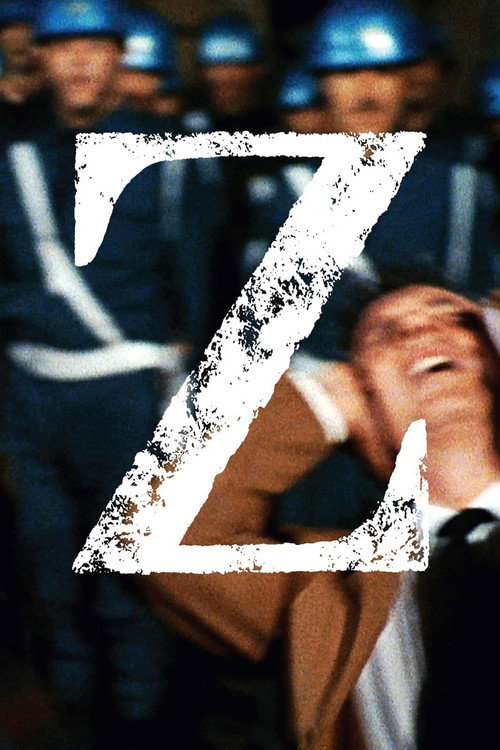
Z1969
Costa-Gavras's masterpiece about political assassination and cover-up in an unnamed Mediterranean country. Like State of Siege, it treats thriller mechanics as a vehicle for examining systemic corruption and power's brutal logic.
But The pacing is deliberately unhurried, building dread through bureaucratic procedure rather than spectacle. Subtitled, with a large ensemble cast that takes time to orient yourself to.
The Battle of Algiers1966
A shattering reconstruction of urban guerrilla warfare and counterinsurgency in colonial Algeria. Shot with documentary urgency, it forces you to understand both the occupiers and the resistance without offering easy moral comfort.
But It's propagandistic in its sympathies, and the violence—both structural and physical—is relentless. Some will find the political alignment too explicit, others the formal coldness alienating.

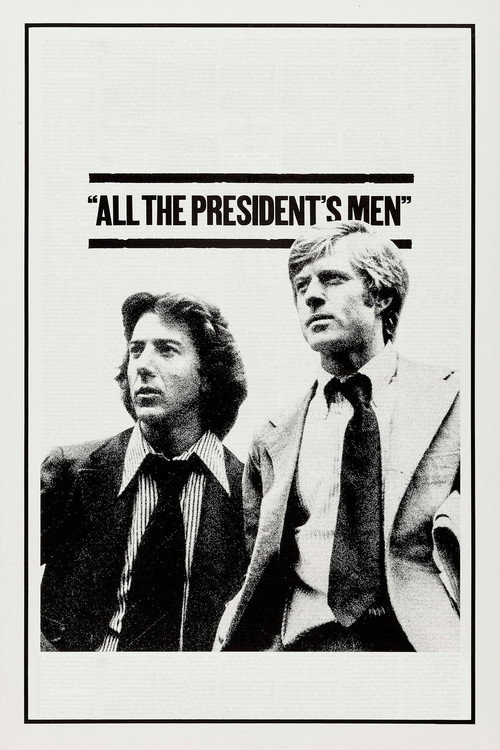
All the President's Men1976
Watergate as a thriller built from investigation and dialogue. Like State of Siege, it understands that power operates through information, interrogation, and the slow accumulation of damning facts.
But There's no action to speak of. If you need a plot that moves visibly, this is two hours of reporters talking and checking sources.
Not sure tonight? Get a pick in a minute, starting from State of Siege
The wildcard
Something you would not have found on your own.
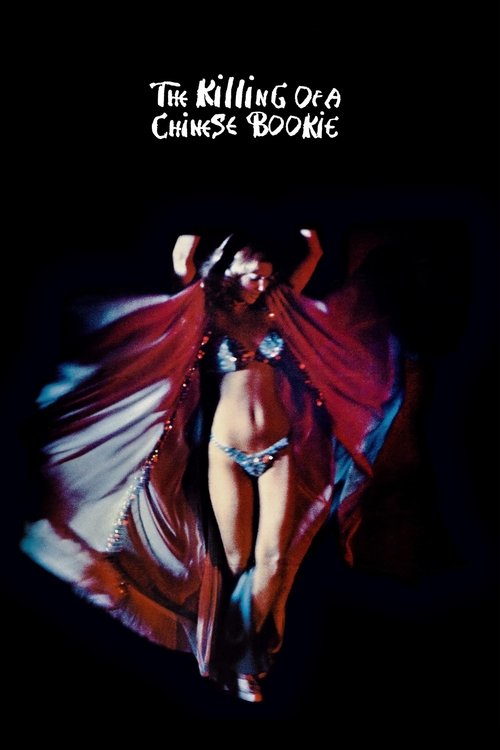
The Killing of a Chinese Bookie1976
Both examine captivity and interrogation as psychological warfare, but where Siege is structured and ideological, this is internal and existential—a study of how fear colonizes the mind.
John Cassavetes's improvised, abstract thriller about a nightclub owner who gets in debt to the mob. It shares State of Siege's fascination with interrogation and coercion, but filters it through the neurotic jazz rhythms of a man unraveling in real time. Completely different in texture—loose where Siege is taut—but equally about power dynamics stripped to raw human vulnerability.
But The narrative is opaque and the pacing will feel glacial if you're used to conventional thrillers. Cassavetes's naturalistic acting style, brilliant though it is, can read as mumbling to those unprepared for it.
More like this (8)
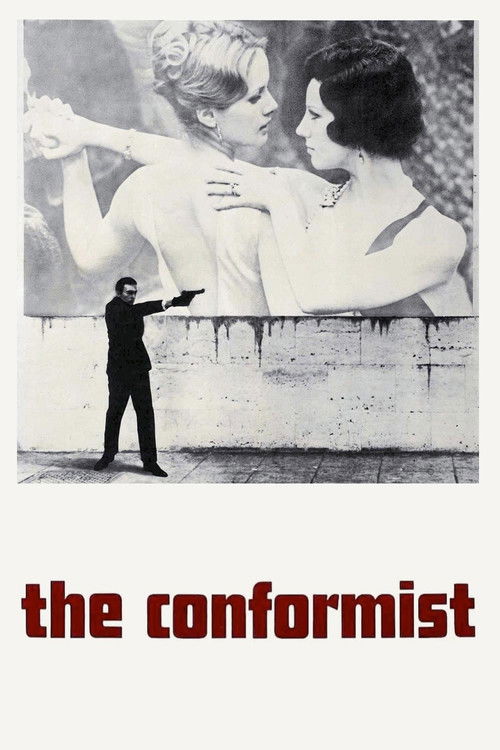
The Conformist1971
Bertolucci's exploration of complicity and moral compromise under fascism. Visually stunning and psychologically acute about how ordinary people rationalize collaboration with violent systems.
But It's deliberate and elliptical; if you prefer straightforward storytelling, the dreamlike narrative structure may frustrate. Also quite long at nearly two and a half hours.
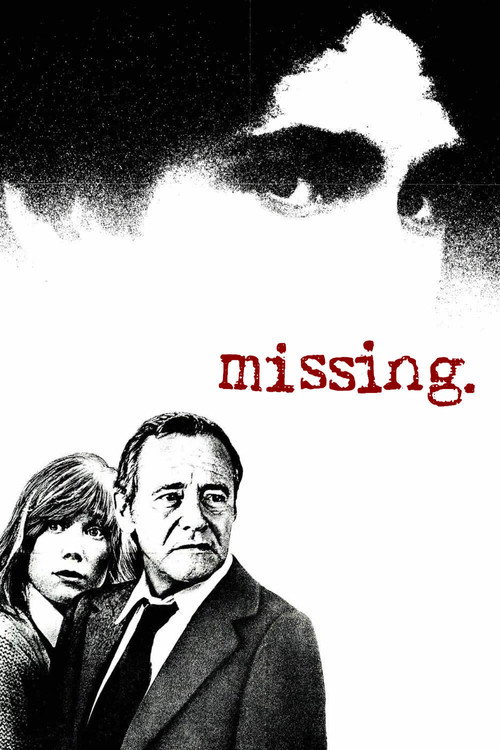
Missing1982
Costa-Gavras again, this time examining the 1973 Chilean coup and a disappeared American. It has the same urgent interrogation of US foreign policy and institutional violence, but grounded in a specific historical tragedy.
But The political outrage can feel didactic, and the personal story sometimes yields to the argument being made. Some viewers find it heavy-handed compared to the more ambiguous thriller approach.
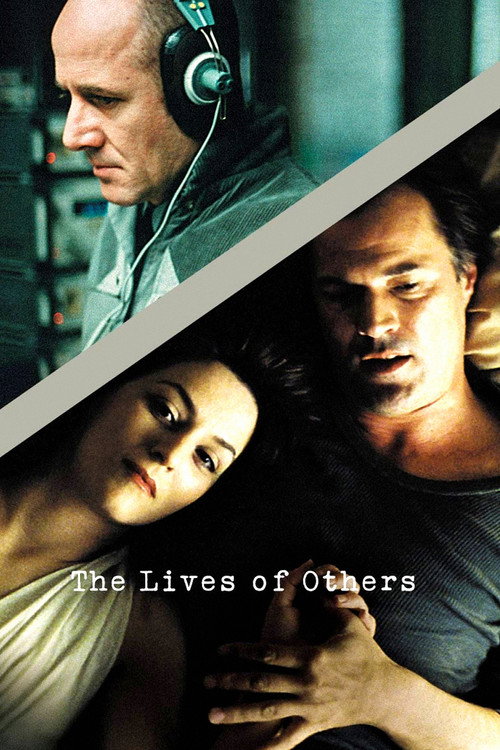
The Lives of Others2006
A Stasi surveillance operative slowly awakens to the humanity of those he spies on. It shares State of Siege's interest in how systems dehumanize both captors and captives, but through slow moral erosion rather than confrontation.
But It's a more conventional thriller than you might expect; the political dimension serves the character arc rather than the reverse. Some find it sentimental about redemption.
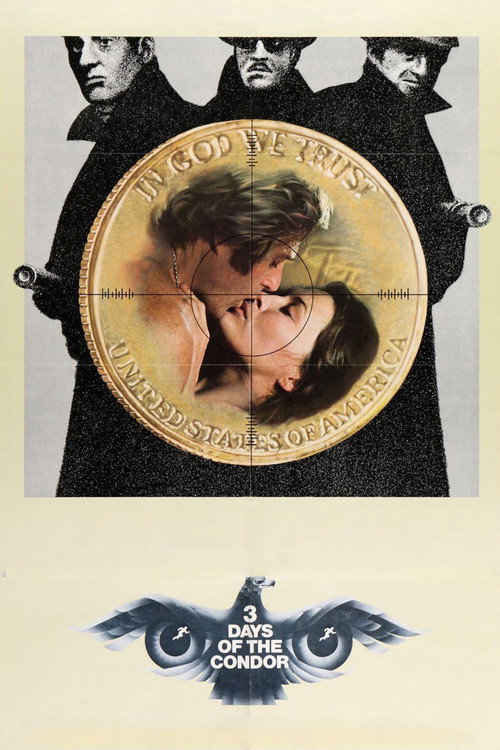
Three Days of the Condor1975
A CIA analyst becomes a target and goes on the run. It captures the paranoia of 1970s political thrillers and questions whether institutions can be reformed from within, a theme that echoes through State of Siege.
But It's more of a chase film than a cerebral interrogation. The resolution is tidy in a way that undercuts some of its own political skepticism.
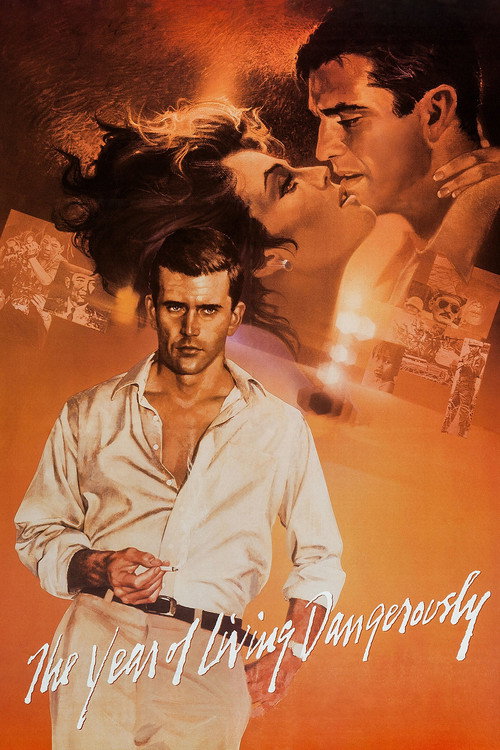
The Year of Living Dangerously1982
Peter Weir's take on the 1965 Indonesian coup, using a love story as entry point into political upheaval. Beautifully shot and genuinely tense about how ordinary people get swept into historical violence.
But The romance subplot softens the political edge considerably. If you want your thrillers unsweetened, the emotional arc here might feel like a compromise.
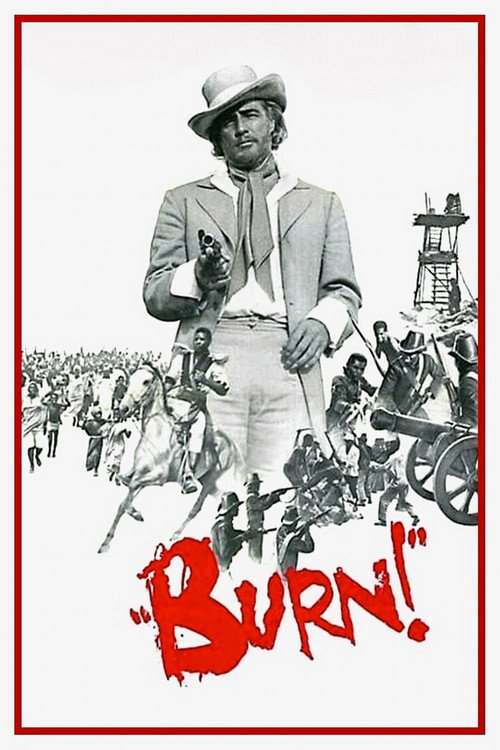
Burn!1969
Gillo Pontecorvo's (director of The Battle of Algiers) savage film about colonial exploitation and the manufacture of revolution. Marlon Brando plays a mercenary orchestrating rebellion for profit—messy, angry, uncompromising.
But It's structurally loose and philosophically baggy in ways that can feel bloated. The 1970 cut was heavily edited; finding a good version can be difficult.
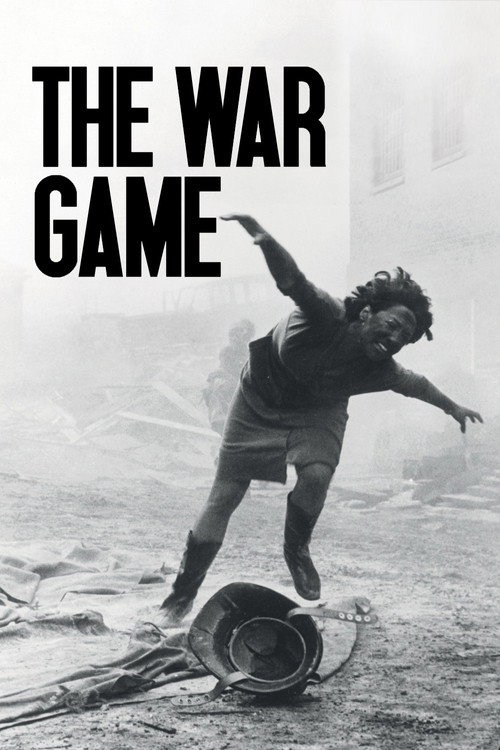
The War Game1966
Both use a locked, escalating scenario as a framework for examining institutional violence and moral responsibility. Both assume you're intelligent enough to draw your own conclusions.
A British documentary-drama about nuclear war's aftermath, shot with the gravity of a news report but the nightmare logic of fiction. Like State of Siege, it uses a controlled scenario to interrogate state policy and civilian complicity, but the subject is annihilation rather than counterinsurgency. Urgent and haunting.
But It's not really a thriller—it's an essay in visual form, and a deeply bleak one. The BBC banned it for thirty years. If you need plot momentum or catharsis, you won't find it.
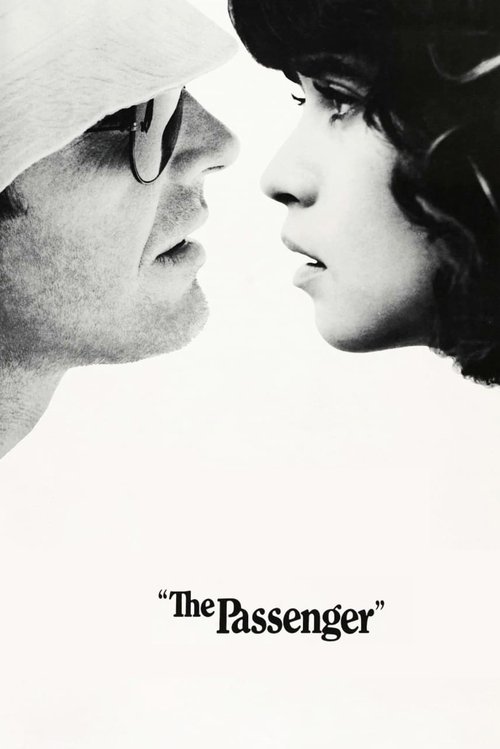
The Passenger1975
Both are about identity under duress and the gap between how people present themselves and what they've actually done. State of Siege interrogates Santore to expose his lies; The Passenger suggests we can never know if we're lying to ourselves.
Michelangelo Antonioni's haunted film about an identity swap in the Sahara, starring Jack Nicholson. It's a thriller of mood and metaphor rather than plot—about complicity, journalism, and the impossibility of knowing another person. The final ten minutes are among cinema's greatest achievements.
But There is almost no plot in the conventional sense. Antonioni moves at a contemplative pace that some find sublime and others find maddening. The political subtext is there if you want it, but the surface is oblique.
People
Cast
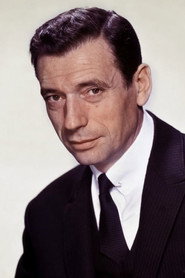 Yves MontandPhilip Michael Santore
 Renato SalvatoriCaptain Lopez
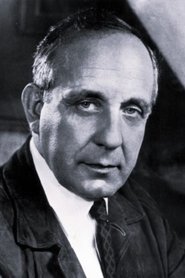 O.E. HasseCarlos Ducas
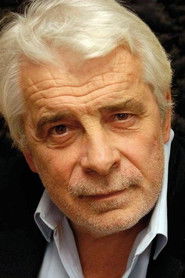 Jacques WeberHugo
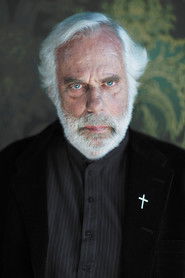 Jean-Luc BideauEste
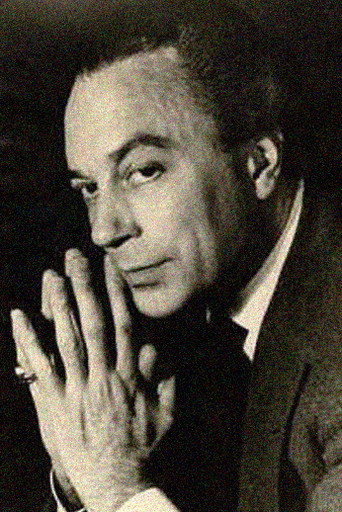 Maurice TeynacMinister of Internal Security
 Yvette EtiévantWoman Senator
 Gloria LasoRafaela
- Harald WolffMinister of Foreign Affairs
- Evangeline PetersonMrs. Santore
- Nemesio AntúnezPresident of the Republic
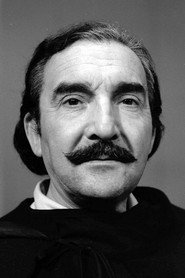 Mario MontillesAssistant Commissioner Fontant
Directing
- Pablo de la BarraAssistant Director
- Costa-GavrasDirector
Writing
- Costa-GavrasScenario Writer
- Franco SolinasScenario Writer
- Franco SolinasWriter
Production
- Jacques Henri BarratierExecutive Producer
- Léon SanzExecutive Producer
Recommended by
The Confession, Four Days in September, The Assignment, Telefon, Sleeping Dogs