
Film
Sleeping Dogs
A New Zealand political thriller about a recluse drawn into revolutionary violence despite his instinct toward non-involvement. Shot with gritty naturalism in 1978, it's tense and morally complicated—smart about how ordinary people get swept into extremism. For viewers who want substance over spectacle, who appreciate regional cinema, who understand that the best thrillers ask uncomfortable questions.
If you liked this
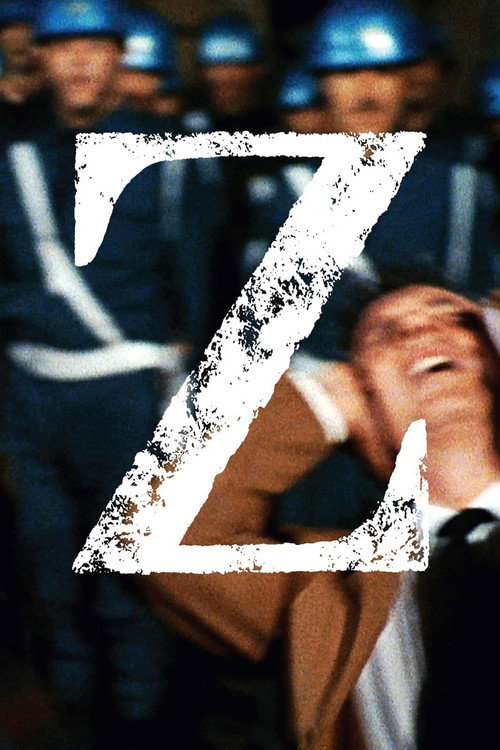
Z1969
Costa-Gavras's urgent political thriller about a assassination and its cover-up. Like Sleeping Dogs, it's claustrophobic, propulsive, and treats political violence as tragedy rather than spectacle. Impeccably made.
But It's a product of its moment—the 1960s left-wing paranoia is so thick you can feel it. The filmmaking is deliberate and sometimes slow.
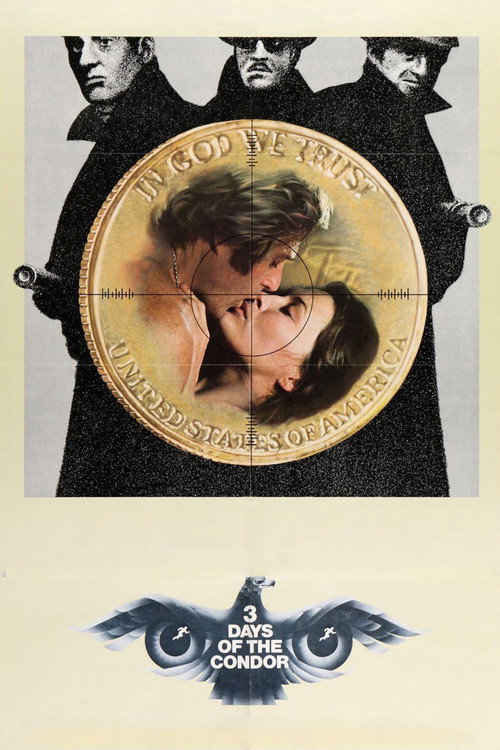
Three Days of the Condor1975
Robert Redford as an ordinary man pulled into espionage through no choice of his own. It has Sleeping Dogs's DNA: the moral confusion, the paranoia, the sense that you can't stay neutral when the machinery grinds. Stylish and genuinely suspenseful.
But The '70s spy-thriller formula is familiar now, which blunts some of its paranoia. Redford's charm works against the script's grittier instincts.
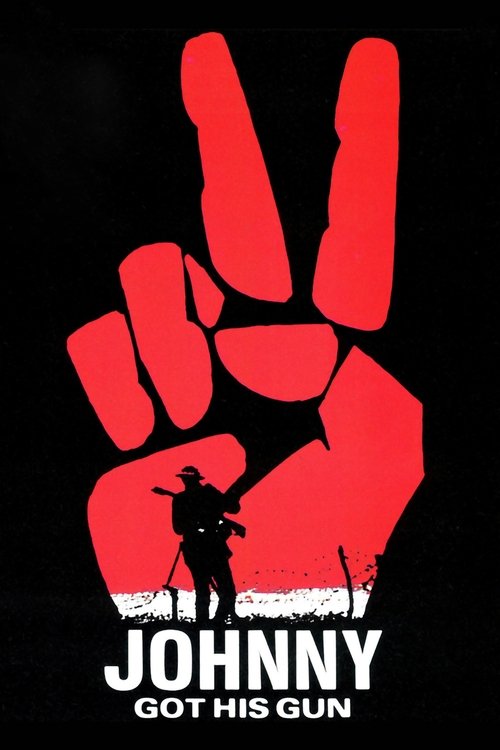
Johnny Got His Gun1971
Dalton Trumbo's anti-war nightmare about a soldier stripped of agency. Like Sleeping Dogs, it's about a man caught in forces larger than himself, rendered powerless by systems he didn't create. Visceral and uncompromising.
But It's relentlessly dark and philosophically dense. The dream sequences are unsettling rather than beautiful. Not for a casual evening.
Not sure tonight? Get a pick in a minute, starting from Sleeping Dogs
The wildcard
Something you would not have found on your own.
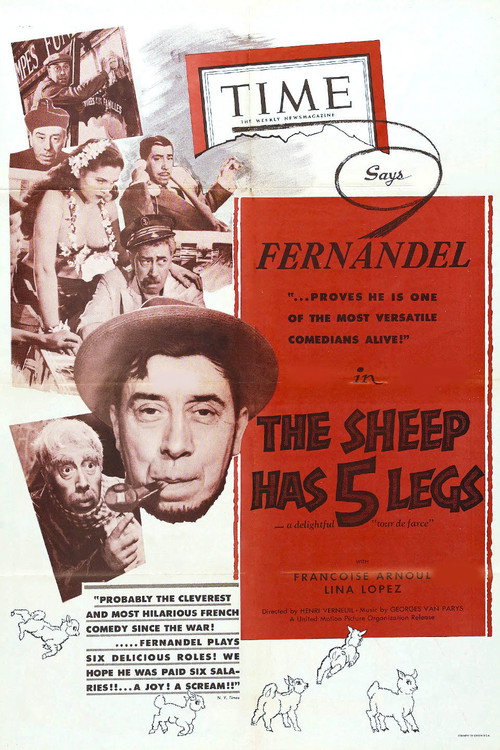
The Sheep Has Five Legs1954
Both use domestic social conflict as their engine—family, town, nation as battlegrounds where ideology meets personality. Both are filmed with documentary realism. Both suggest that violence and breakdown emerge from ordinary disagreement.
Jean Renoir's French comedy about a small-town man with quintuplet brothers returning home. Like Sleeping Dogs, it's about social fracture and different factions clashing over ideas of order and belonging, but Renoir handles it as comedy rather than thriller. Warm, witty, structurally inventive.
But It's a light comedy, which seems to contradict Sleeping Dogs's gravity. Subtitled. French cinema moves at its own pace; impatience will kill it.
More like this (8)
The Battle of Algiers1966
Gillo Pontecorvo's masterwork about colonialism, revolution, and terrorism. Shot like documentary, it examines political violence with anthropological precision. Essential viewing alongside Sleeping Dogs for understanding how cinema handles ideological conflict.
But It's polemical and challenging, not reassuring. Some viewers find it heavy-handed. At nearly two hours, it demands full attention.

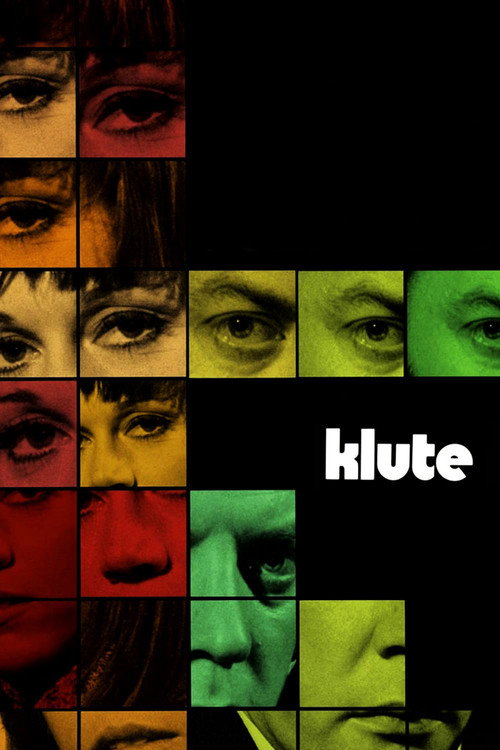
Klute1971
Alan J. Pakula's paranoid thriller about a detective and a sex worker navigating corruption. It shares Sleeping Dogs's mood of institutional distrust and personal vulnerability. Pakula's direction is precise; Jane Fonda is extraordinary.
But The pacing is deliberate. If you want action, this will feel slow. The 1970s photography takes adjustment.
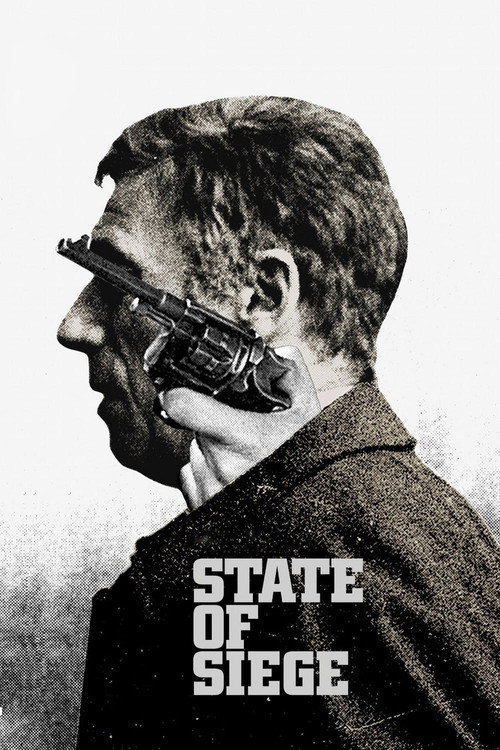
State of Siege1972
Costa-Gavras again, this time about American intervention in Uruguay. Tense, angry, and structurally innovative. It has Sleeping Dogs's refusal to offer comfortable moral positions about revolutionary violence.
But It's didactic and occasionally clumsy in its messaging. The American interventionism critique feels dated to some viewers, though it shouldn't.
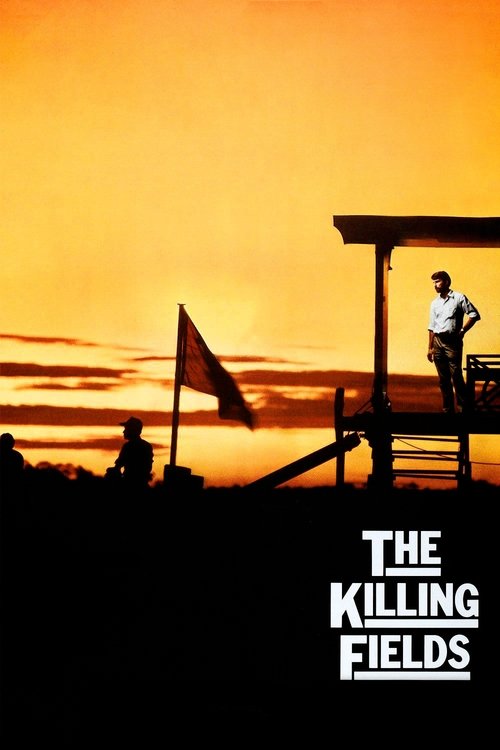
The Killing Fields1984
Roland Joffé's account of the Cambodian genocide through the lens of a journalist and his Cambodian guide. Like Sleeping Dogs, it captures how ordinary people are consumed by political machinery. Harrowing and humanistic.
But It's genuinely traumatic to watch. The violence is not stylized. Not a thriller; it's a historical tragedy presented without relief.
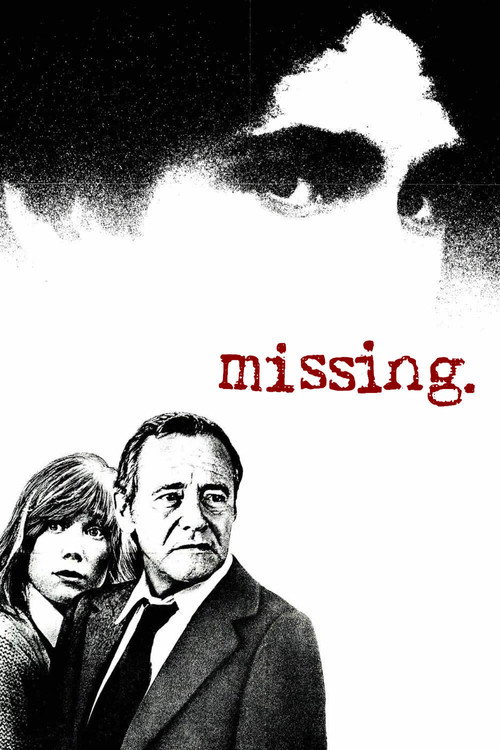
Missing1982
Costa-Gavras and Donald Sutherland in another CIA-adjacent political thriller about a young American lost during the Chilean coup. It shares Sleeping Dogs's paranoia about American imperial reach and the powerlessness of ordinary citizens.
But The politics are explicit to the point of sermon. The mystery of the title is solved early; the rest is investigation and rage. Some find it heavy-handed.
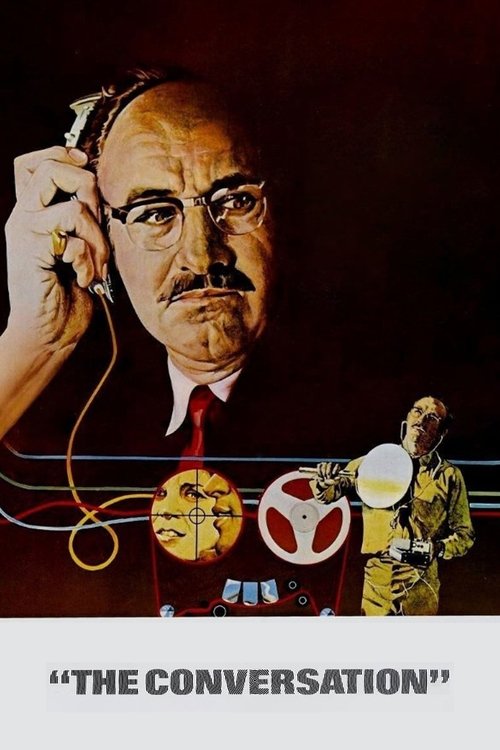
The Conversation1974
Francis Ford Coppola's surveillance paranoia masterpiece. Gene Hackman plays a wiretapper drawn into moral complicity. It has Sleeping Dogs's preoccupation with how systems entrap the unwilling; Coppola's control is absolute.
But It's cerebral rather than visceral. The pacing reflects its subject—deliberate, sometimes exhausting. If you want momentum, you won't find it here.
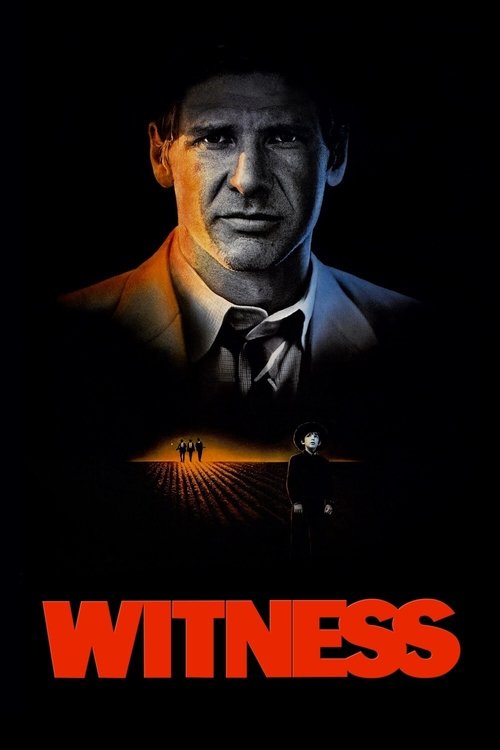
Witness1985
Both films are about a man trying to remain neutral in a conflict that won't allow it. Both examine how violence becomes inevitable once you're inside the machinery. Both use landscape and community as characters.
Peter Weir's thriller about a policeman hiding within an Amish community after witnessing a murder. Like Sleeping Dogs, it's about an outsider drawn into a closed world's internal logic, caught between factions, forced toward violence despite his circumstances. Beautifully shot, genuinely suspenseful.
But It's more conventionally entertaining than Sleeping Dogs—prettier, more romantic, less ideologically thorny. If you want challenge over comfort, this softens things.
Stalker1979
Both films are about men drawn into systems larger than themselves, stripped of agency, forced to confront whether resistance or compliance is possible. Both treat paranoia and powerlessness as philosophical rather than merely narrative concerns. Both are formally austere.
Andrei Tarkovsky's meditative science-fiction film about a guide leading two men through a mysterious Zone. Like Sleeping Dogs, it's about powerlessness and the impossibility of neutrality, but Tarkovsky works in metaphor and philosophy rather than politics. Hypnotic, strange, profound.
But It's glacially paced. Nothing 'happens' in the conventional sense. At 163 minutes, it requires patience and surrender. The Soviet context and sci-fi premise may alienate viewers expecting thriller mechanics.

People
Cast
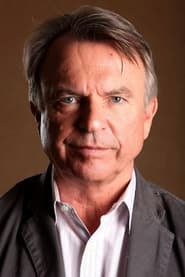 Sam NeillSmith
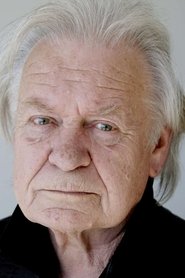 Ian MuneBullen
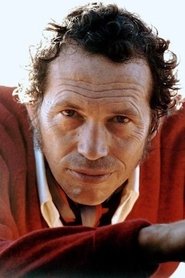 Warren OatesCol. Willoughby
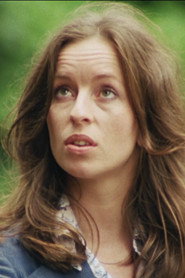 Nevan RoweGloria
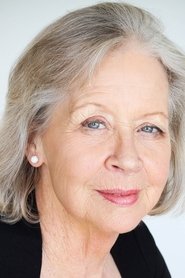 Donna AkerstenMary
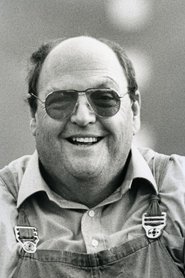 Ian WatkinDudley
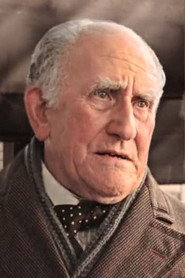 William JohnsonCousins
- Melissa DonaldsonMelissa
- Dougal StevensonNews Reader
- Bernard KearnsPrime Minister
- Raf IrvingReporter
- Cass DonaldsonCass
Directing
- Dag LindAssistant Director
- Mark PiperAssistant Director
- Tom BinnsAssistant Director
- Tom ParkinsonAssistant Director
- Roger DonaldsonDirector
- Jackie SullivanScript Supervisor
Writing
- Christian K. SteadNovel
- Arthur BaystingScreenplay
- Ian MuneScreenplay
Production
- Larry ParrAssociate Producer
- Nevan RoweCasting
- Roger DonaldsonProducer
- Graeme ReevesProduction Accountant
- Dorthe ScheffmannProduction Assistant
- Gaye PeacockeProduction Assistant
- Pat MurphyProduction Assistant
- Nevan RoweProduction Secretary
- Mickey CottrellPublicist