
Film
The T.A.M.I. Show
- Musical
- Light-hearted
- Relentless
A 1964 concert film capturing rock and soul at an inflection point: Chuck Berry, James Brown, Marvin Gaye and others performing live at the Santa Monica Civic Auditorium. It's raw, kinetic, shot with real energy by people who understood they were documenting something epochal. Essential for anyone who wants to see how these giants actually moved and sounded, not filtered through retrospect.
If you liked this
Monterey Pop1968
D.A. Pennebaker's counterculture answer to T.A.M.I., filmed two years later with Jimi Hendrix, Janis Joplin and The Who at their peak. The visual language evolved but the raw power remains. A direct lineage.
But The era's psychedelic aesthetic hasn't aged as gracefully as the performances themselves. Some stretches indulge in trippy filler.
Woodstock1970
The concert doc that defined the form. Michael Wadleigh's film became the cultural record of an entire moment. Better cinematography, better editing, a clearer sense of historical weight. If T.A.M.I. is the seed, this is the bloom.
But Three and a half hours long. The pacing can feel museum-like, and some performances are more historically important than actually riveting.
Shine a Light2008
Scorsese filming the Rolling Stones in concert, with guest spots from Jack White and Christina Aguilera. A master director treating live performance with the respect it deserves. The energy and craft are both exceptional.
But It's a Stones document first and foremost. If you're indifferent to them, no amount of Scorsese can fix that.
Not sure tonight? Get a pick in a minute, starting from The T.A.M.I. Show
The wildcard
Something you would not have found on your own.
Good Morning, Vietnam1987
Where T.A.M.I. shows you the music being made, this film shows you what that music meant to people living through the mid-1960s. Same era, same songs, entirely different lens.
Robin Williams as an irreverent Armed Forces Radio DJ in 1965 Saigon. The film uses period rock and soul records (including performances by artists in T.A.M.I.) as its emotional backbone. It's a narrative film, not a concert doc, but the music—and what it meant to soldiers—is the heart of it.
But It's a war movie with a comedy overlay. The tonal shifts between comedy and combat violence can feel jarring. Williams' performance is sometimes shrill.
More like this (5)
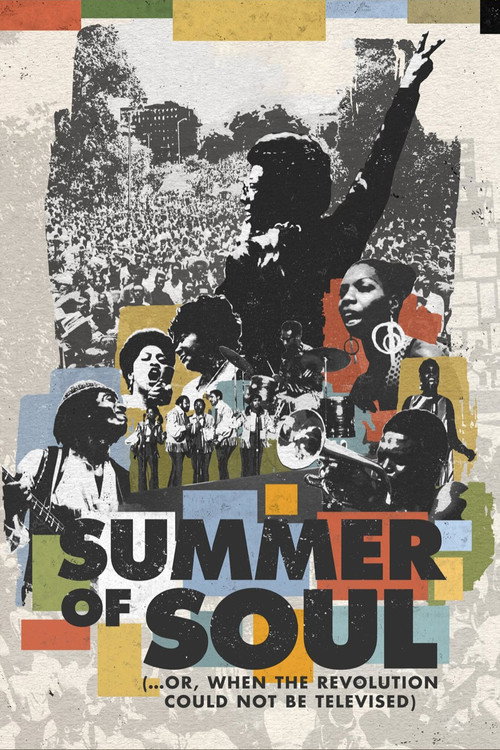
Summer of Soul (...Or, When the Revolution Could Not Be Televised)2021
Questlove's discovery and restoration of footage from the 1969 Harlem Cultural Festival—Stevie Wonder, Sly Stone, Nina Simone performing at their absolute peak, with the cultural context you need. It directly answers what T.A.M.I. hinted at.
But The archival footage is sometimes grainy or incomplete. Questlove's narration occasionally leans heavy-handed.
Muscle Shoals2013
A documentary about the Alabama studio where Aretha Franklin, Wilson Pickett and others recorded. It's a love letter to the craft of recording and the people who made soul music. Includes performance footage and deep interviews.
But Less concert energy, more studio reflectiveness. It's slower and more meditative than T.A.M.I.'s punch.
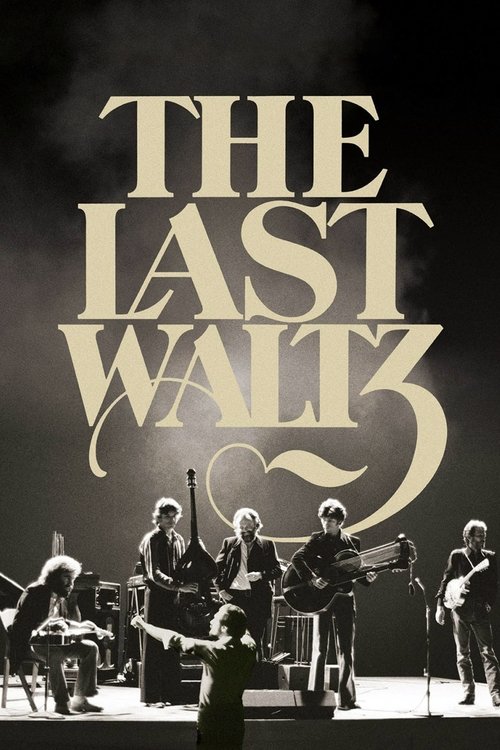
The Last Waltz1978
Scorsese filming The Band's final concert in 1976. Elegant, carefully composed, with guest appearances from Dylan, Van Morrison and others. It's a masterpiece of concert filmmaking with a reflective melancholy.
But It's more art film than rock spectacle. The pacing is deliberate to the point of slowness. Some performances feel staged rather than spontaneous.
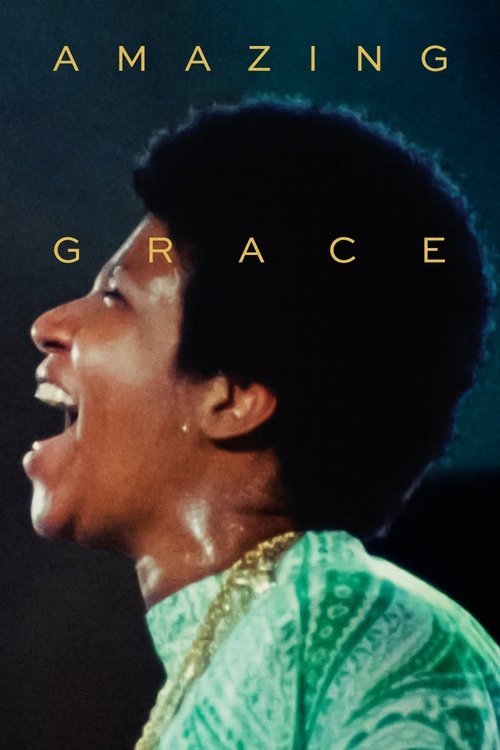
Amazing Grace2018
Sydney Pollack's long-lost 1972 film of Aretha Franklin recording 'Amazing Grace' live in church. It's a spiritual and technical marvel—you watch her at work in real time. A hidden gem.
But It's a single song, essentially, stretched across two hours. Some viewers find the religious context too narrow or the pacing monotonous.
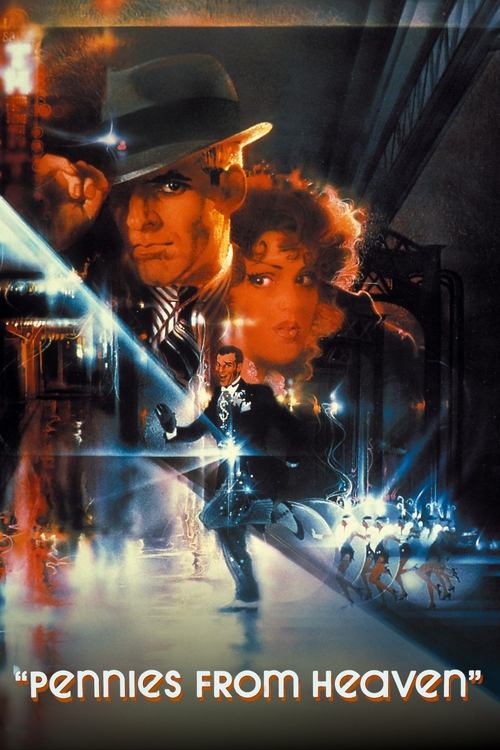
Pennies from Heaven1981
Both prove that great performances—captured live or lip-synced—can make history visible and physical in ways that words alone cannot. T.A.M.I. is the document; this is the aftermath, showing what those performances meant in the real world.
Dennis Potter's heartbreaking drama about depression-era unemployment, told through lip-synced performances to classic recordings by Depression-era singers. It's a narrative film built around music rather than a concert doc. Visionary and utterly strange—music becomes the emotional language when dialogue fails.
But It's bleak and sexually explicit. The lip-syncing takes adjustment. The British social realism clashes deliberately with the fantasy of the songs, which some find alienating.
People
Cast
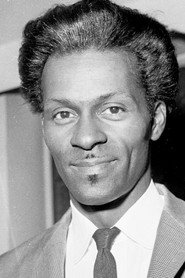 Chuck BerrySelf
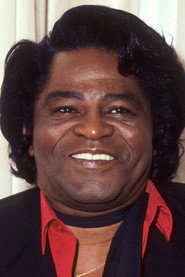 James BrownSelf
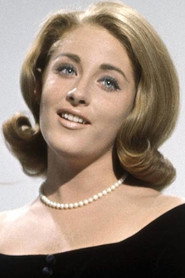 Lesley GoreSelf
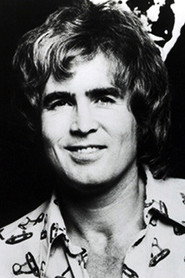 Jan BerrySelf
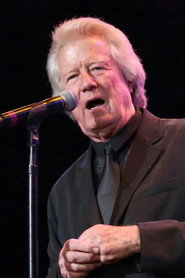 Dean TorrenceSelf
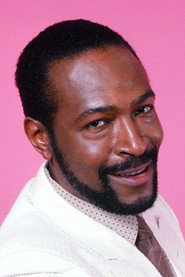 Marvin GayeSelf
- Toni BakerSelf - Billy J. Kramer and the Dakotas
- Florence BallardSelf - The Supremes
- Pete HiltonSelf - Drummer, Billy J. Kramer and the Dakotas
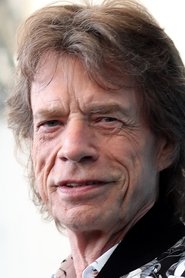 Mick JaggerSelf - The Rolling Stones
- Fanita JamesSelf - The Blossoms
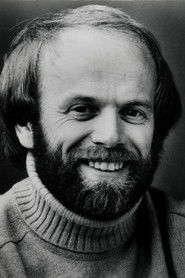 Al JardineSelf (as The Beach Boys)
Directing
- Steve BinderDirector
Production
- William Sargent Jr.Executive Producer
- Lee SavinProducer
Recommended by
Motown 25: Yesterday, Today, Forever, The Girls on the Beach