
Film
Festival Express
A 1970 train journey across Canada carrying rock's biggest names—The Band, Grateful Dead, Janis Joplin, Buddy Guy—filmed as it happened. Five days of music, spontaneous performances, and the peculiar chemistry of legends trapped together. Essential for anyone curious about rock history, or who wants to see what happens when you give immortal musicians nowhere to go but toward each other.
Should you watch it?
Watch it if you love concert footage that captures the loose, backstage sprawl of a band's life, where jamming in a rattling railway carriage matters as much as the stage set and the mood shifts between songs.
Skip it if you want a tightly edited documentary with narration and a clear arc; this is mostly raw performance and wandering conversation, and the sound and picture reflect a 1970 shoot.
What it asks of you: It runs about ninety minutes and rarely hurries, so you settle into long musical stretches and loose moments between them rather than following a storyline.
Not sure? Find tonight's pick in a minute.
If you liked this
Woodstock1970
The definitive concert documentary of the same era, capturing three days that defined a generation. Iconic performances, cultural moment, and enough mud to fill a lake.
But Bloated at over three hours, and the constant cutting between acts can feel scattershot if you're not invested in the songlist.
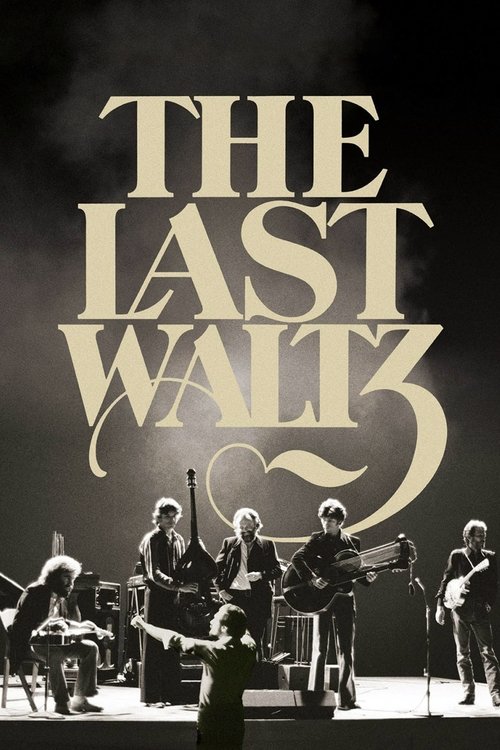
The Last Waltz1978
Martin Scorsese films The Band's farewell concert with guest stars and dressing-room intimacy. As much character study as concert film, and visually stunning in ways most music docs aren't.
But More interested in Scorsese's directorial flourishes than raw performance energy. Can feel mannered if you prefer your rock unfiltered.
Monterey Pop1968
D.A. Pennebaker captures the weekend that announced the Summer of Love to the world. Jimi Hendrix's debut, Janis Joplin's breakthrough, and the moment rock became performance art.
But The restoration is from damaged archival footage; image quality wavers. And it's very much a time capsule—authenticity over production values.
Not sure tonight? Get a pick in a minute, starting from Festival Express
The wildcard
Something you would not have found on your own.
Renaldo and Clara1978
Both are documents of artists living in the moment without a safety net—Festival Express's spontaneity captured by strangers vs. Renaldo and Clara's curated chaos; both resist conventional narrative in favor of experience and mood.
Bob Dylan's experimental film shot over five years, mixing concert footage with surreal narrative. Genuinely weird, genuinely personal, and unlike anything else about rock stardom in cinema.
But Four hours of Dylan doing Dylan. Cryptic, self-indulgent, and deliberately resistant to interpretation. Most people will find it impenetrable and exhausting.
More like this (7)
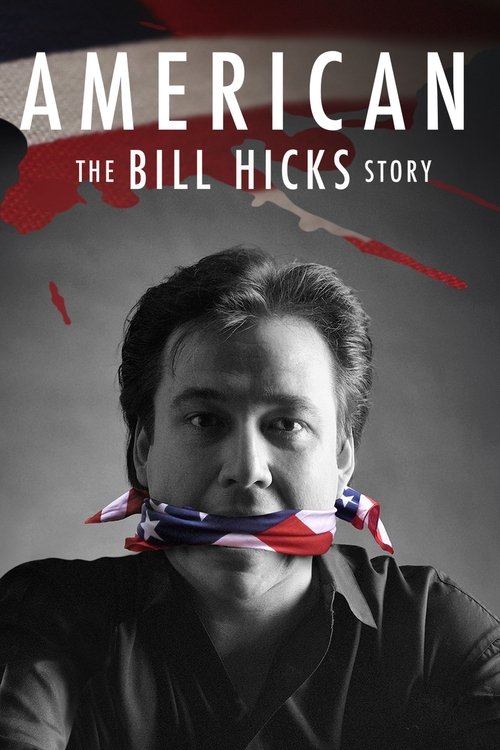
American: The Bill Hicks Story2010
A portrait of an artist who lived and died by principle. Uses archival footage, interviews, and animation to trace an uncompromising life. Vital and moving.
But Heavy subject matter. Hicks's abrasiveness isn't for everyone, and the film doesn't soften it. Bleak ending you see coming.
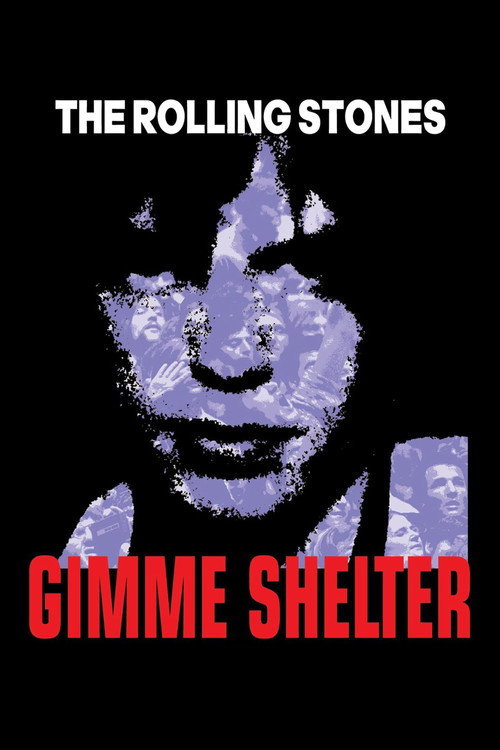
Gimme Shelter1970
The Rolling Stones at Altamont, where the '60s ended in real time. A concert film that becomes something darker and more urgent—the death knell of an era captured on camera.
But Difficult to watch knowing what's coming. The violence isn't graphic, but it's purposeful and it haunts the film. Some find it exploitative.
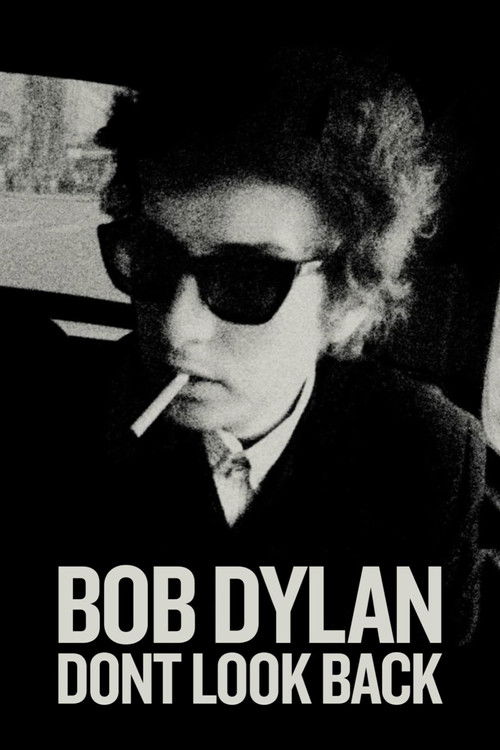
Bob Dylan – Don't Look Back1967
D.A. Pennebaker follows Bob Dylan during his 1965 UK tour in grainy black-and-white. Tense, funny, and a rare glimpse of a genius being deliberately opaque to the press.
But Minimal music, maximum ego. If you want performances over personality and provocation, this frustrates more than it satisfies.
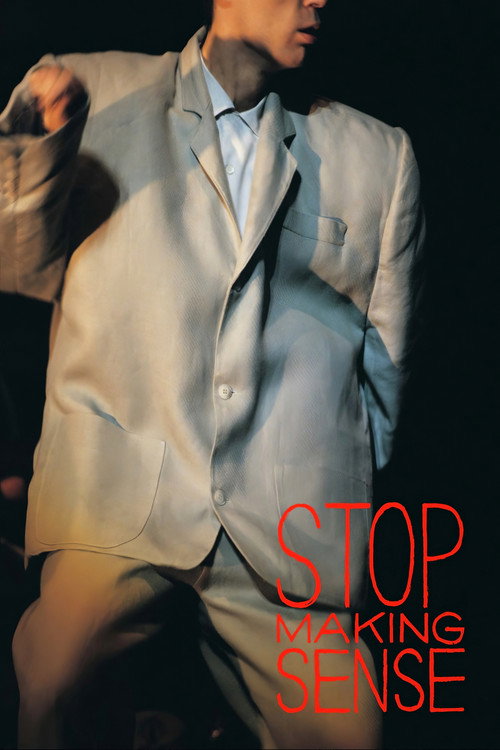
Stop Making Sense1984
Talking Heads at their creative peak, filmed by Jonathan Demme with theatrical staging and visual innovation. A concert film that redefined what the form could be. Pure joy and ingenuity.
But Very '80s in a way that hasn't aged as neutrally as older docs. And if art-rock minimalism leaves you cold, no amount of staging fixes that.
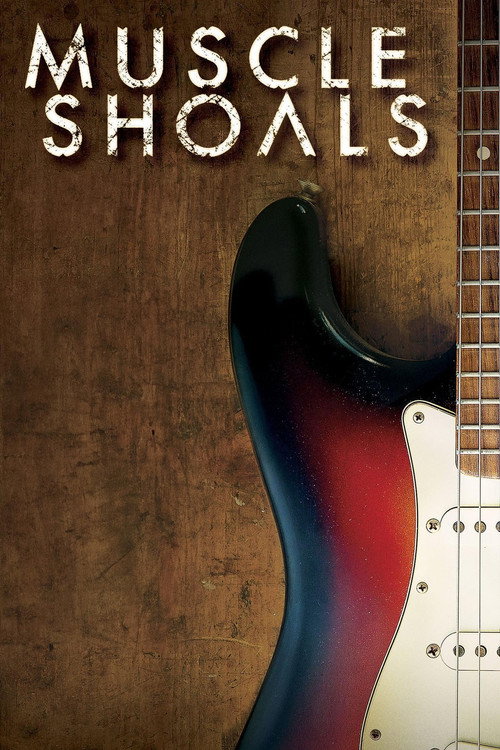
Muscle Shoals2013
The story of a small Alabama studio that became soul music's spiritual home. Features Aretha Franklin, Wilson Pickett, and countless legends reflecting on magic that happened in one room.
But Feels more like a chamber piece than an event. If you need spectacle and energy, this intimate approach may seem slow.
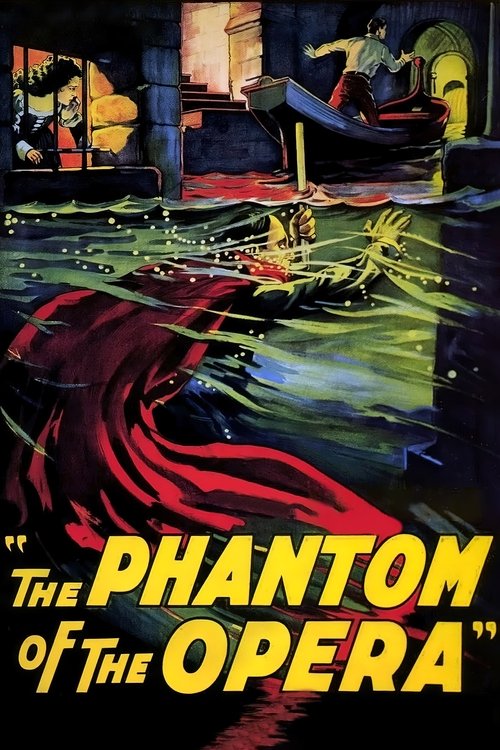
The Phantom of the Opera1925
Both are fascinated by the machinery behind great performance—Festival Express captures musicians as people behind the myth, while Phantom shows the artifice and architecture that *creates* myth. Both demystify while they celebrate.
Lon Chaney in silent cinema's most lavish production. A masterwork of German expressionism and theatrical staging that influenced everything visual about how we film performance and spectacle.
But Silent film demands patience and active viewing. If you expect dialogue and plot clarity, this Gothic abstraction feels like homework.
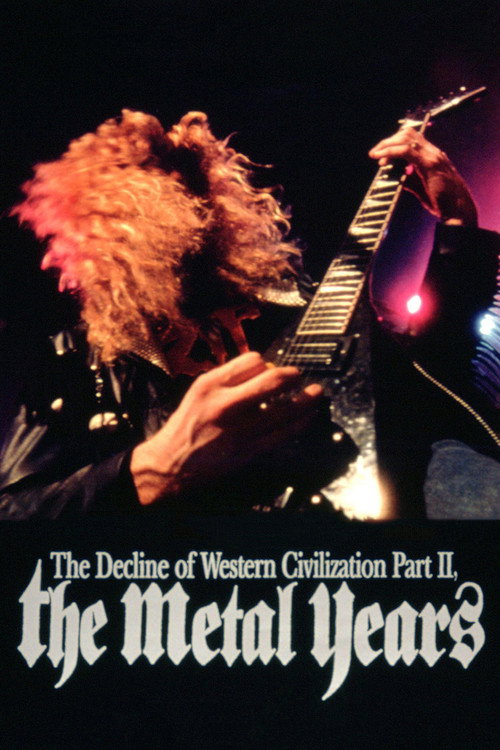
The Decline of Western Civilization Part II: The Metal Years1988
Both capture a specific moment when rock was a genuine community, not yet calcified into legacy. Both show musicians as genuine people with genuine stakes, not as icons. Both are time capsules that reveal more than they intended.
Penelope Spheeris films 1980s hair metal with anthropological precision and deadpan humor. It's part concert, part anthropology, part tragedy. A masterpiece of embedded documentary.
But The music hasn't aged as kindly as '70s rock, and the film's sympathies are ambiguous—hard to tell if she's celebrating or evisccerating her subjects. Some find it cruel.
People
Cast
 Rick DankoSelf - The Band
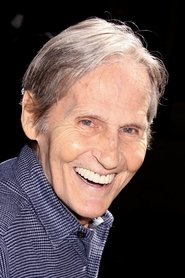 Levon HelmSelf - The Band
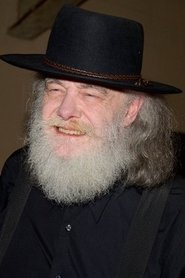 Garth HudsonSelf - The Band
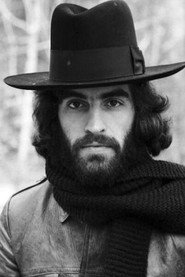 Richard ManuelSelf - The Band
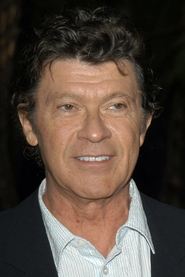 Robbie RobertsonSelf - The Band
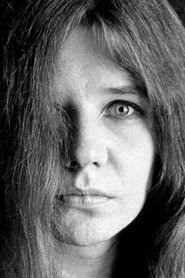 Janis JoplinSelf
- Jon BaumanSelf
- Richard BellSelf
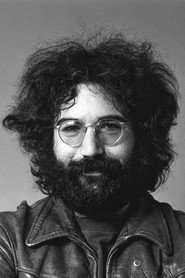 Jerry GarciaSelf
- Delaney BramlettSelf
- Bonnie BramlettSelf
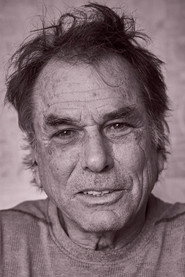 Mickey HartSelf
Directing
- Bob SmeatonDirector
- Frank CvitanovichDirector
Recommended by
Jazz on a Summer's Day, Woodstock, Rolling Thunder Revue: A Bob Dylan Story by Martin Scorsese