
Film
No Direction Home: Bob Dylan
Martin Scorsese's intimate, sprawling documentary traces Dylan's transformation from anonymous folkie to electric rock revolutionary between 1961 and 1966. Constructed from archives, interviews, and Dylan's own reflections, it's a three-and-a-half-hour immersion in a pivotal moment when popular music became an instrument of social change. Essential viewing for Dylan devotees; revelatory for anyone curious how an artist reinvents themselves entirely.
Should you watch it?
Watch it if you love documentaries that let musicians and witnesses talk over archive footage until a restless career comes into focus, and you care more about how an artist changed than about his private life.
Skip it if you want a tight, fast watch, since at over three and a half hours it lingers on the folk revival and its arguments, and some viewers will tire of the long stretches of talk.
What it asks of you: Patience for a long, unhurried sit-down, with the attention to follow archive clips, interviews and recollections that circle back on each other rather than move in a straight line.
Not sure? Find tonight's pick in a minute.
If you liked this
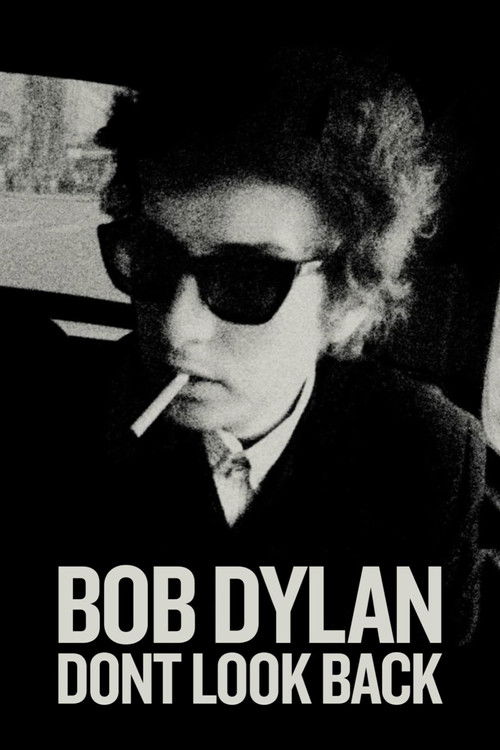
Bob Dylan – Don't Look Back1967
D.A. Pennebaker's cinema-vérité classic follows Dylan's 1965 UK tour with raw, unfiltered access. You see him offstage, tired, guarded, human—a perfect companion piece that shows the pressure behind the mythology Scorsese explores.
But It's deliberately shapeless and sometimes tedious. If you want narrative momentum, the film's refusal to provide one will frustrate you.
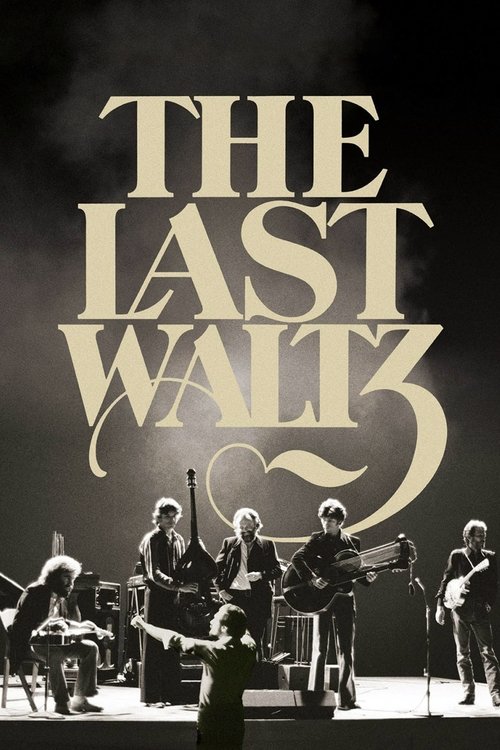
The Last Waltz1978
Scorsese again, this time documenting The Band's final concert with Dylan as a guest. It shares the same reverence for how musicians talk about their craft, the same sense that rock history matters deeply and deserves serious treatment.
But It's a concert film with more talking than music. The pacing is deliberate, almost elegiac. Some find it self-important.
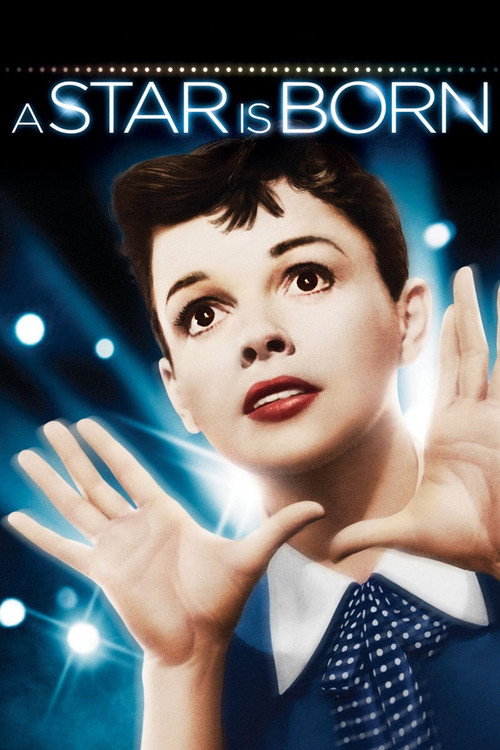
A Star Is Born1954
George Cukor's melodrama about sudden fame destroying an artist has the same emotional architecture as Dylan's story: the machinery of celebrity, the cost of visibility, the question of who you are beneath the myth.
But It's a Hollywood romance, emotionally broad where Dylan is subtle. The gender dynamics feel dated. It's a tonal shift from documentary to drama.
Not sure tonight? Get a pick in a minute, starting from No Direction Home: Bob Dylan
The wildcard
Something you would not have found on your own.
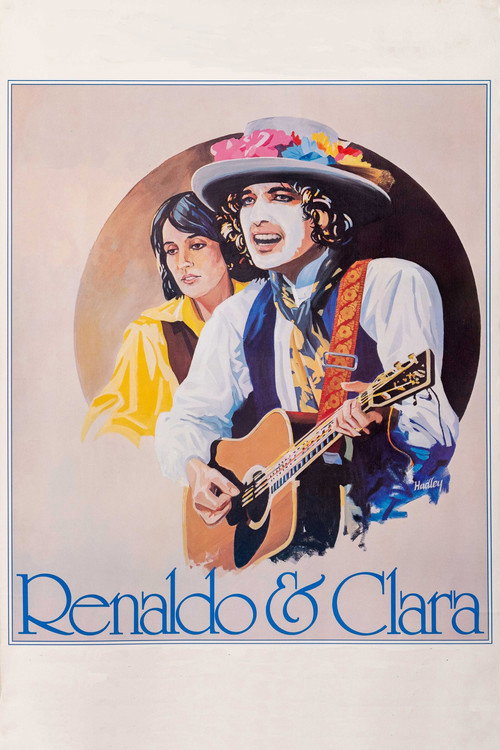
Renaldo and Clara1978
Where Scorsese imposes order and narrative on Dylan's mythology, Dylan rejects order entirely—the same person, same moment, two irreconcilable visions of what fame means.
Dylan's own experimental four-hour film is bewildering, self-mythologizing, and often impenetrable—but it's the only work where Dylan himself tries to control his image. Watching it after Scorsese's documentary feels like seeing the opposite perspective: the legend wrestling with the machinery of legend-making.
But It's genuinely difficult. Long stretches are nearly plotless. Many will find it pretentious and unwatchable. Dylan's directorial ambitions exceed his technical skill.
More like this (6)
Monterey Pop1968
D.A. Pennebaker again, capturing the precise moment rock music became high art. Dylan isn't here, but the festival encapsulates the world he helped create and the audience that mythologized him.
But The pacing is slow even by late-60s standards. Some performances feel oddly distant through the lens. It's a historical document first, entertainment second.
Sound City2013
Dave Grohl's documentary about a legendary recording studio uses a similar structure to Scorsese's approach: musicians reflecting on creative process, mentorship, the moment before fame calcified everything. Same reverence, different era.
But It becomes a bit of a rock-world in-joke. If you don't know these artists or care about studio aesthetics, it'll feel niche and self-congratulatory.
Gimme Shelter1970
The Maysles brothers' doc about the Rolling Stones' 1969 tour captures the exact moment when rock festivals turned dangerous and idealism curdled. Dylan's world, viewed from the Stones' perspective, with darker implications.
But The violence is unsettling—it's not entertainment, it's crisis. The film's coldness can feel exploitative. It's a downer.
Dig!2004
Ondi Timoner's documentary about two rival LA bands playing out artistic competition in real time. Like Dylan's struggle in No Direction Home, it asks what happens when ambition and friendship collide, and who you become in pursuit of greatness.
But The two bands will feel obscure unless you know the early-2000s indie scene. The documentary style is chaotic and sometimes hard to follow. It's also relentlessly bleak about human nature.
Woodstock1970
Michael Wadleigh's epic captures the cultural culmination of everything Dylan helped set in motion. Three hours, sometimes shambolic, but it's the documentary equivalent of standing in the crowd and understanding what changed.
But It's formally messy and self-indulgent. Some performances are better watched on mute. The myth is often more interesting than the footage itself.
Stalker1979
Both Dylan and Tarkovsky are obsessed with whether you can find authenticity once you've been corrupted by the desire for it—whether the quest itself poisons the destination.
Andrei Tarkovsky's philosophical science-fiction film, about a man guiding others toward a place of ultimate meaning, operates in the same register as Dylan's spiritual searching. It's meditative, slow, obsessed with the question of whether transformation is possible and what it costs.
But It's a 163-minute Russian film where almost nothing happens. Dialogue is sparse, pacing glacial. You must surrender to its rhythm or abandon it entirely. It's the opposite of accessibility.

People
Cast
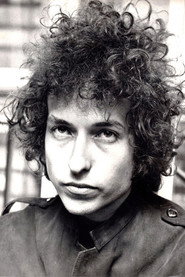 Bob DylanSelf
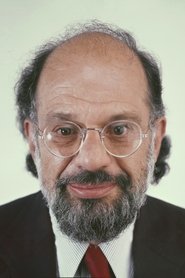 Allen GinsbergSelf
 Joan BaezSelf
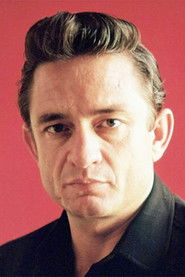 Johnny CashSelf (archive footage)
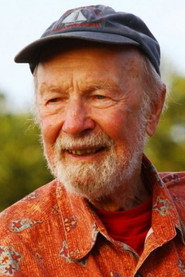 Pete SeegerSelf
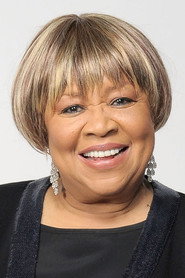 Mavis StaplesSelf
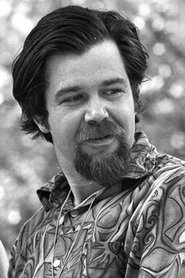 Dave Van RonkSelf
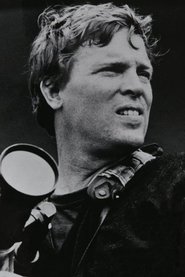 D. A. PennebakerSelf
 John F. KennedySelf (archive footage)
 Martin Luther King Jr.Self (archive footage)
 Martin ScorseseSelf (voice) (uncredited)
- Suze RotoloSelf
Directing
- Martin ScorseseDirector
Recommended by
I'm Not There, Bob Dylan – Don't Look Back, Rolling Thunder Revue: A Bob Dylan Story by Martin Scorsese, Patti Smith: Dream of Life, Bruce Springsteen: VH-1 Storytellers