
Television series
The Midnight Special
- Musical
- Dip in and out
The Midnight Special was NBC's Saturday night counterculture answer to mainstream variety television. A concert and performance series that captured the post-Woodstock energy of the early 1970s, it featured rock, soul, and folk acts performing live in a stripped-down studio setting. It's the closest thing to watching a genuine moment of popular music history unfold, raw and unguarded. Essential viewing for anyone interested in how television and music intersected at a specific cultural inflection point.
Should you watch it?
Watch it if you like the comfort of a familiar hour that keeps returning week after week, where the pleasure lies in the rhythm of the format more than in any single turn of events.
Skip it if you want a story that builds toward a payoff, since nine seasons and some 350 episodes of hour-long instalments make for a very long, unhurried commitment.
What it asks of you: About an hour per sitting, hundreds of episodes spread across nine seasons, and a long-haul shape that rewards patience over momentum.
Not sure? Find tonight's pick in a minute.
If you liked this
The Old Grey Whistle Test1971
BBC's answer to the same impulse: intimate studio performances from serious rock and folk artists. British, slightly more austere in presentation, but the same philosophy of trusting the music and the musician.
But It moves slowly. Very slowly. There's a lot of standing around between songs, and the pacing reflects 1970s BBC television's complete indifference to modern attention spans.

Austin City Limits1974
Born directly from the same DNA, this PBS series became the gold standard for live music television. Country, folk, rock, soul—all welcome. If you loved Midnight Special, this is the show that proved the concept had legs.
But It outlasted its era. By the 1980s it became nostalgia, and later episodes lack the urgency of the early run. The first few seasons are the ones to prioritize.

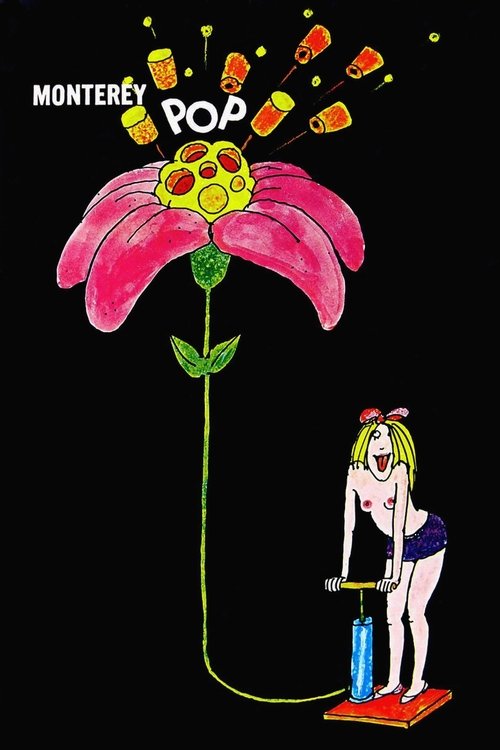
Monterey Pop1968
The concert documentary that defined how we watch live music on screen. Jimi Hendrix, Janis Joplin, The Who performing in their prime. It's the spiritual ancestor of every performance series that followed, including Midnight Special.
But It's a film, not a series, so the texture is different—glossier, more edited, less like being in a room with the band. Some performances have aged better than others.
Not sure tonight? Get a pick in a minute, starting from The Midnight Special
The wildcard
Something you would not have found on your own.
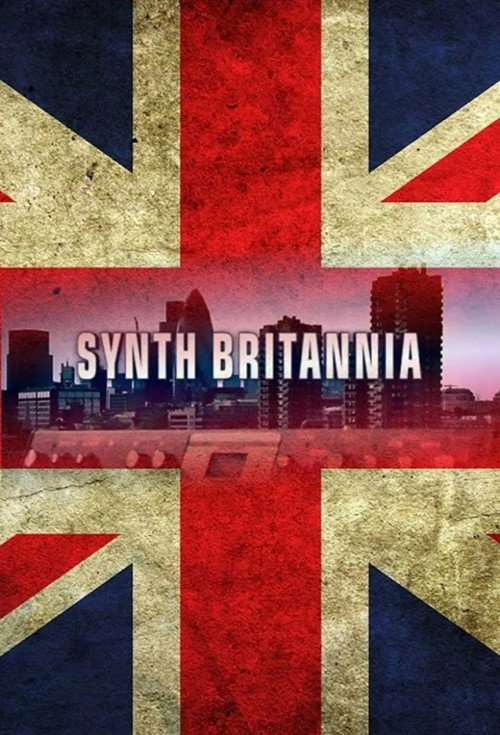
Synth Britannia2009
Both are about capturing a specific moment when technology and artistic intent collided to change what music could be on television and in culture.
A BBC documentary-as-narrative about how synthesizers revolutionized British music in the late 1970s and early 1980s. It shows what happened next after Midnight Special's era ended—the technological and artistic pivot that followed.
But It's a documentary essay, not a music series. Much more talking and contextualization than performance. If you want uninterrupted musicians, this will frustrate you.
More like this (6)
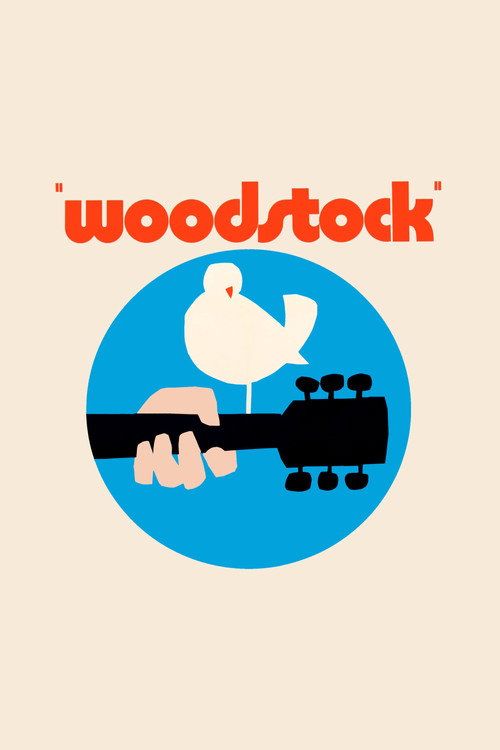
Woodstock1970
The documentary that captured the festival that defined the era Midnight Special emerged from. Three hours of performance footage that explains why a show like this could exist on network television in 1972.
But It's a three-hour film about a muddy festival from fifty years ago. Unless you're genuinely interested in that specific moment, it can feel more like homework than entertainment.
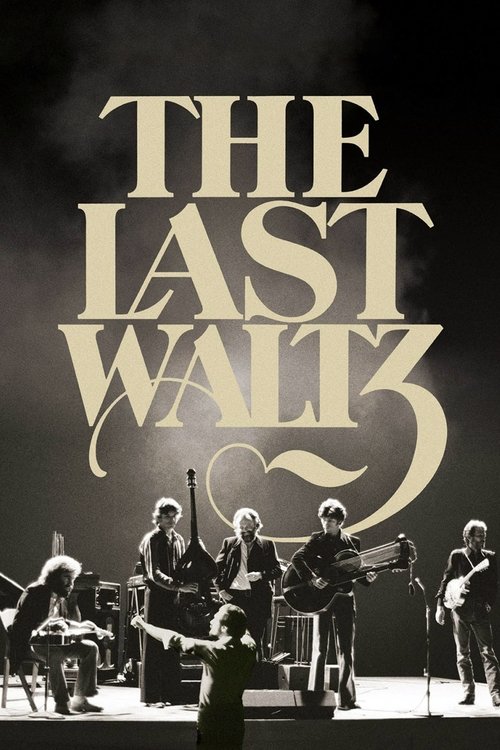
The Last Waltz1978
Martin Scorsese's concert film of The Band's farewell shows, featuring guest appearances by Dylan, Van Morrison, Muddy Waters and others. It's what happens when Midnight Special-style performance meets actual cinematic artistry.
But It's more film than concert—Scorsese's direction is intrusive by design. If you want the music unmediated, this isn't it. Also, at two and a half hours, it's commitment.
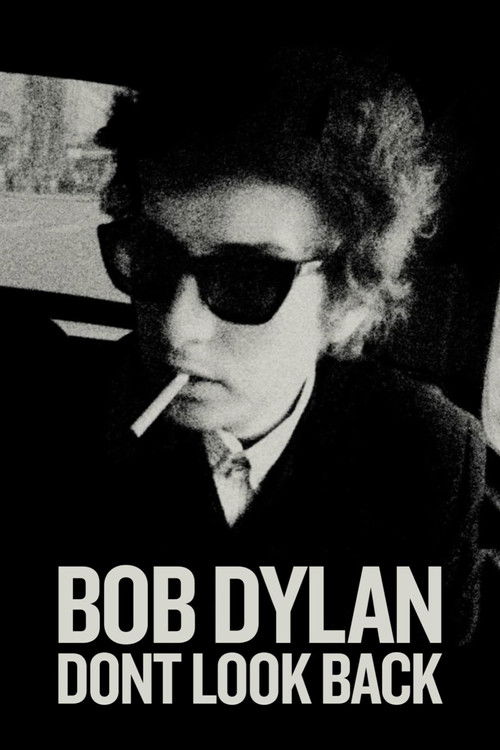
Bob Dylan – Don't Look Back1967
D.A. Pennebaker's documentary of Bob Dylan's 1965 UK tour. It captures the exact moment folk rock was exploding, with performances that would have fit perfectly in a Midnight Special segment.
But It's heavily stylized and deliberately obscure about what's happening. The pacing is glacial by modern standards. Some people find it pretentious; they're not entirely wrong.
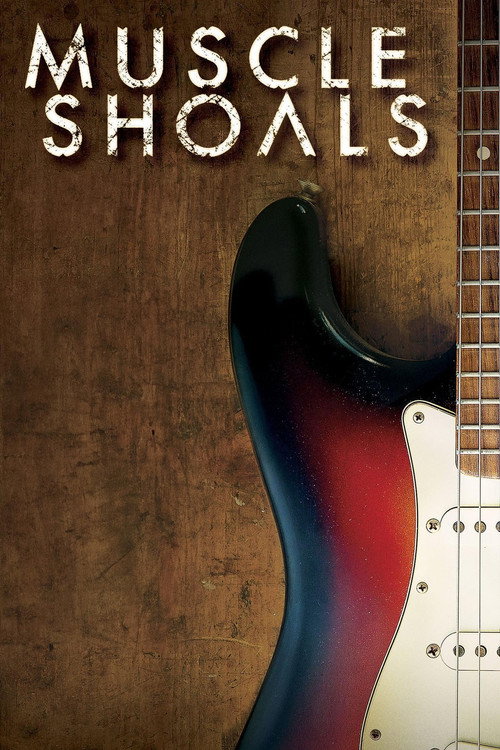
Muscle Shoals2013
A documentary about the studio and session musicians behind countless soul, rock and country hits of the era Midnight Special drew from. It illuminates the machinery of how the music you're hearing got made.
But It's a documentary about a recording studio, which means it can get fairly inside-baseball. If you don't care about the production side of music, it might feel like listening to someone else's work conversation.
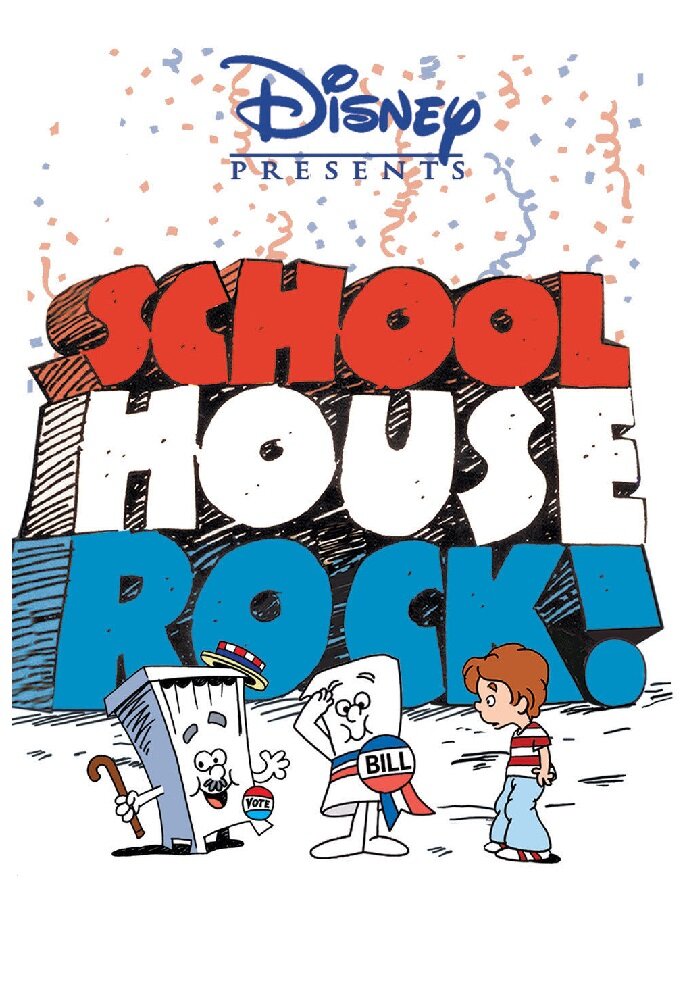
Schoolhouse Rock!1973
Same era, same network (ABC, but close enough), same spirit of using television to reach people with something real. The musical performances are shorter but often remarkably clever and genuinely moving.
But It's explicitly educational, which means some segments are more about the lesson than the music. Also, the hook-based songwriting means melodies will live rent-free in your head for weeks.
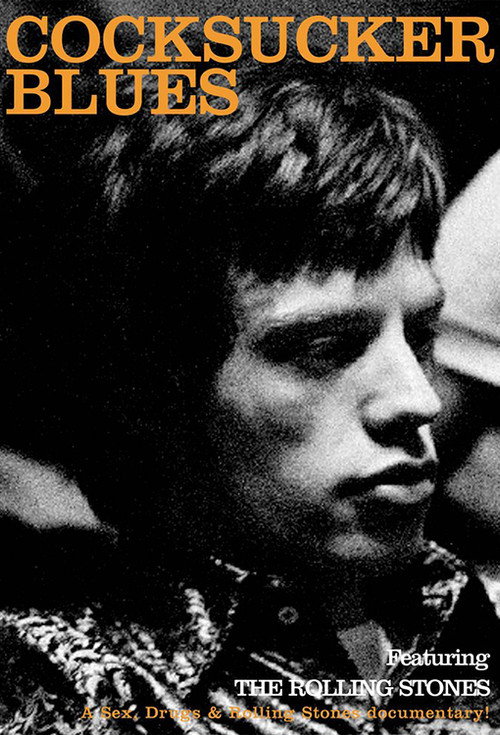
Cocksucker Blues1972
Midnight Special presented the sanitized, television-friendly version of the musician's life. This shows the other side of the same people, same year, same era. One is the official story; this is what was actually happening.
Robert Frank's documentary of the Rolling Stones' 1972 tour—made the same year as Midnight Special's peak. Raw, unsanitized, nothing like broadcast television could be. This is what musicians actually did when the cameras stopped being polite.
But It's grainy, chaotic, and frequently obscene. There's as much drug use and debauchery as music. Banned for decades, it exists in a weird legal limbo. Not a gentle viewing experience.
Recommended by
The Smothers Brothers Comedy Hour, Austin City Limits, Rodney Dangerfield: It's Not Easy Bein' Me