
Film
The Beatles: Eight Days a Week - The Touring Years
Ron Howard's vibrant documentary captures The Beatles at their touring peak—the early madness of Beatlemania, the screaming crowds, the technical impossibility of it all. It's a love letter to those four years of controlled chaos before the studio consumed them. For anyone who's wondered what it actually *felt* like to be there, or why those tours mattered so much.
Should you watch it?
Watch it if you want to hear the Beatles' own memories of mobbed gigs and the grind of touring, and you enjoy seeing a band's chaos from the inside, with archive footage doing much of the talking.
Skip it if you want a sharp, analytical account of the music itself; this is affectionate and fairly breezy, more crowd-roar and reminiscence than musicology, and the talk rarely probes deeper.
What it asks of you: Settle in for under two hours of mostly archive clips, roaring crowds and cheerful reminiscing, with little need for close attention beyond keeping up with the sequence of tours.
Not sure? Find tonight's pick in a minute.
If you liked this
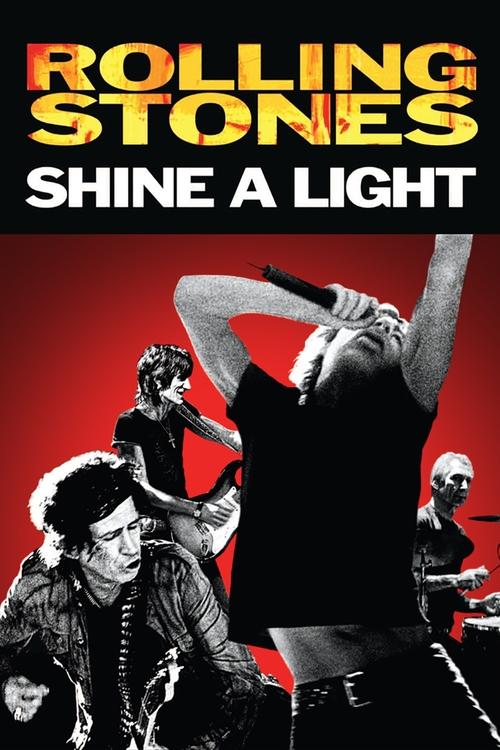
Shine a Light2008
Martin Scorsese documents the Stones in their late seventies, still commanding a stage. Captures the same electricity of a legendary band performing, with the added poetry of time and age reshaping their legacy.
But It's a concert film, not a documentary—if you want analysis over performance, you'll be frustrated. Also assumes you know the Stones' catalog already.
Muscle Shoals2013
A studio and its musicians changed American music. Like Howard's Beatles film, it's about the alchemy of a specific place and moment, told through archival footage and people who were actually there.
But Moves between multiple artists and decades, so it never settles into one story. Some sections feel rushed compared to others.
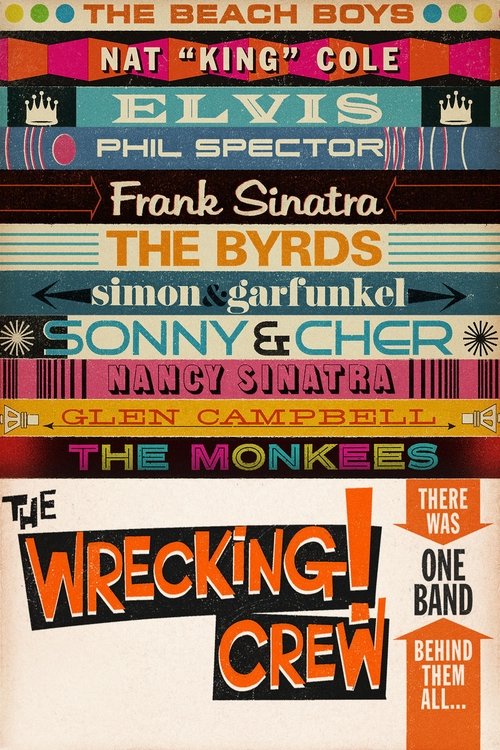
The Wrecking Crew2008
Documents the session musicians who played on thousands of hits you know by heart. Same era, same obsession with how great music actually got made, told through interviews and archival brilliance.
But Celebrates sidemen rather than stars, which means less glamour and more technical detail. Some viewers find it dry despite the incredible story.
Not sure tonight? Get a pick in a minute, starting from The Beatles: Eight Days a Week - The Touring Years
The wildcard
Something you would not have found on your own.
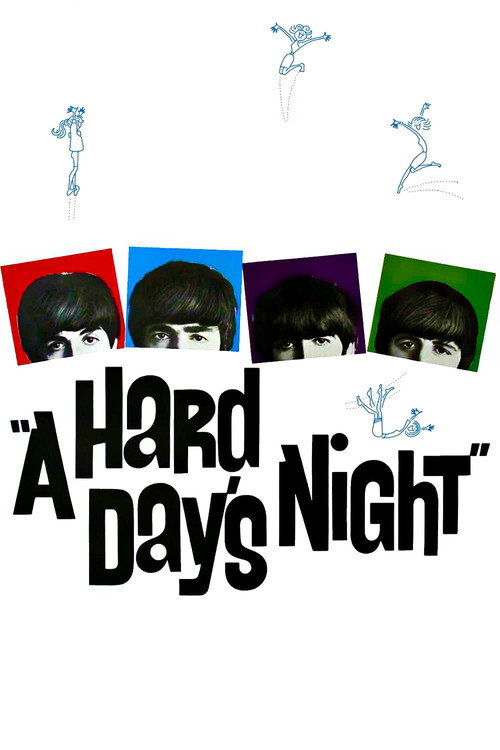
A Hard Day's Night1964
Lester filmed this during the touring years; it's the only contemporary dramatization of what those tours actually *felt* like to the four of them.
Not a concert film—a scripted comedy. But Richard Lester captured the actual experience of Beatlemania better than any documentary: the absurdity, the screaming, the four of them giddy and trapped. Watch it as the complement to Eight Days a Week.
But It's a comedy from 1964, so the humor is dated and the screenplay thin. If you expect drama or deeper insight, it's just a lark. Also in black and white.
More like this (6)
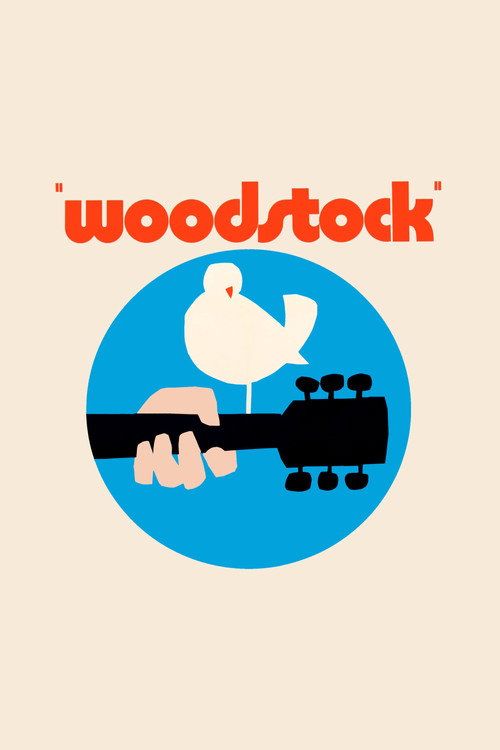
Woodstock1970
Michael Wadleigh's three-hour document of the festival captures the same cultural moment The Beatles' touring years created—youth, music, utopian possibility. Raw and immersive in ways modern docs often aren't.
But Pacing is deliberately slow and meditative. If you want quick cuts and snappy editing, this will feel indulgent. Also 1970 aesthetics may grate.
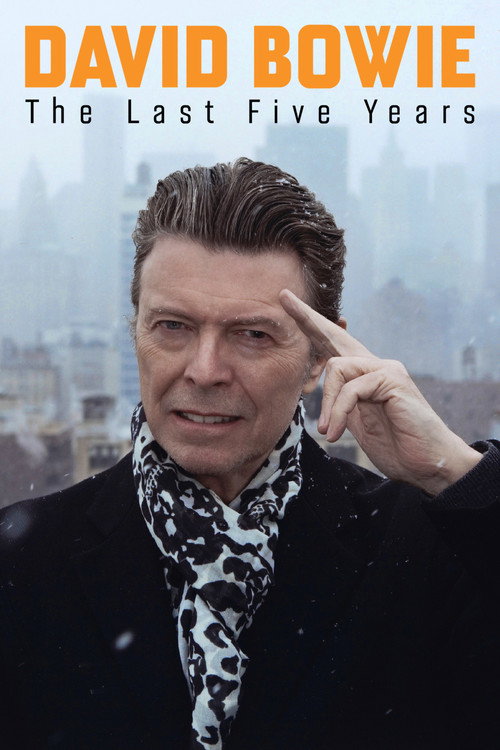
David Bowie: The Last Five Years2017
Another intimate documentary about a towering figure near the end. Explores legacy, reinvention, and the weight of being legendary—questions The Beatles' film doesn't quite reach.
But Heavy and elegiac by design. If you're looking for the fun and chaos of touring, this is the opposite mood entirely.
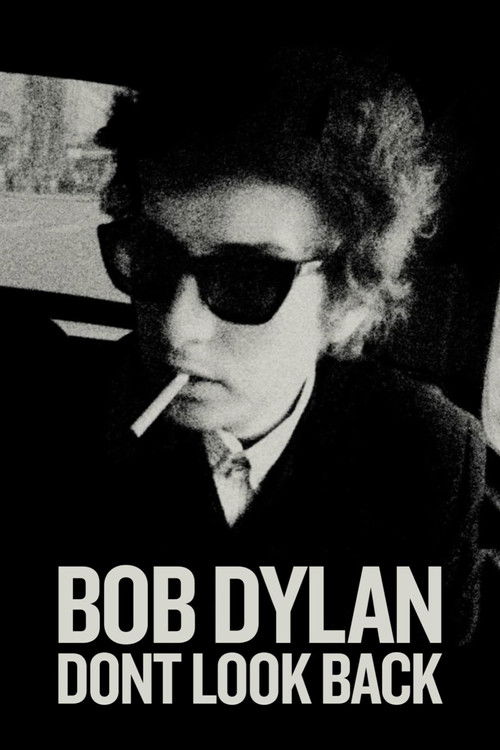
Bob Dylan – Don't Look Back1967
D.A. Pennebaker's Dylan documentary set the template for music docs. Black-and-white, chaotic, poetic—it captures a different kind of genius operating in The Beatles' same moment.
But Deliberately cryptic and elliptical. If you want clarity and linear narrative, you'll find it frustrating rather than artistic.
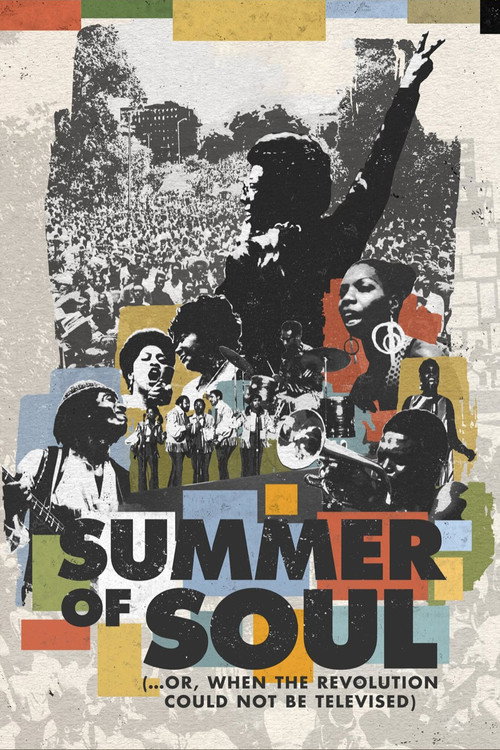
Summer of Soul (...Or, When the Revolution Could Not Be Televised)2021
Recovered footage from the 1969 Harlem Cultural Festival shows music history The Beatles era overshadowed. A corrective vision with the same archival power and emotional impact Howard achieves.
But Justly focuses on Black American artists rather than white rock stars. If that makes you uncomfortable, the film will feel like a lecture rather than entertainment.
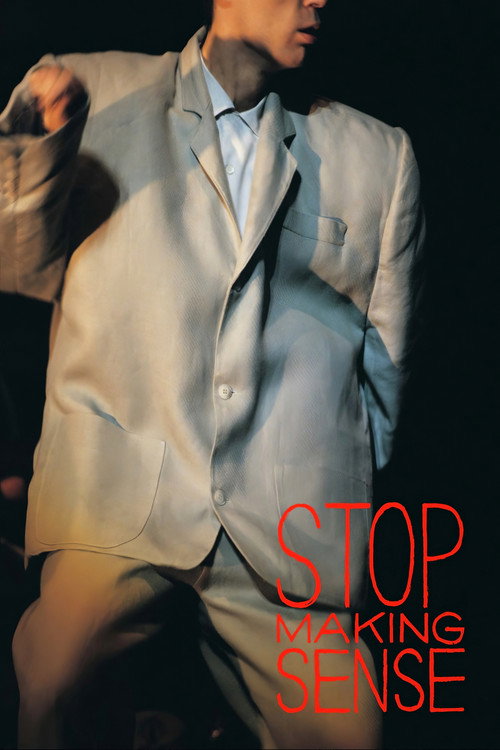
Stop Making Sense1984
Both films argue that touring itself—the spectacle, the sound, the collective euphoria—is the content, not a vehicle for other content.
Jonathan Demme's Talking Heads concert film is a masterclass in how to film live performance. Every technical choice serves the music. If you loved how Howard captured the energy of touring, this takes that idea further—it IS the idea.
But It's all performance, no context. You get no backstory, no interviews, no meditation on fame. If you want documentary substance, this is pure spectacle.
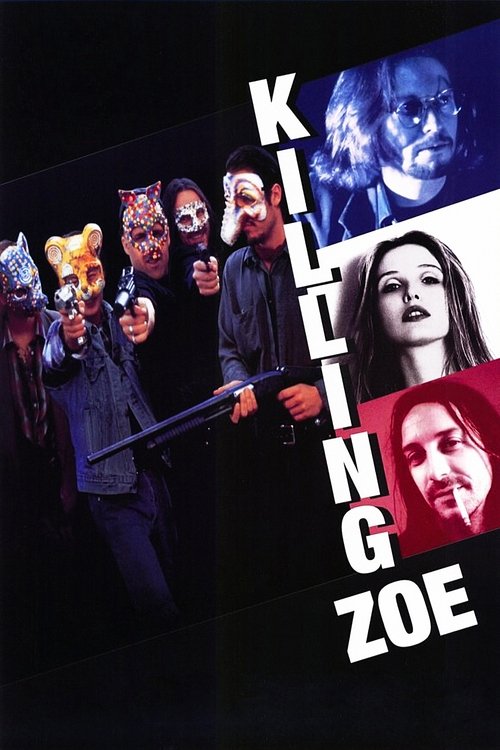
Killing Zoe1993
Both are about the intoxicating power of crowds and the momentum of a moment where individual identity dissolves into collective energy—but Killing Zoe shows the darker side Howard's film doesn't explore.
A trash-brilliant crime film scored almost entirely to post-punk and electronic music of the 1980s-90s, exploring euphoria and violence as two sides of the same high. Captures something about group mania and collective loss of control that Beatlemania embodied.
But It's violent, bleak, and actively hostile to sentiment. If Eight Days a Week moved you, this will feel like someone spitting on your good memory. Also narratively confusing.
People
Cast
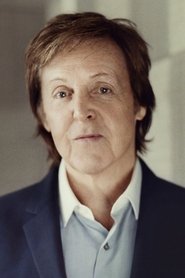 Paul McCartneySelf
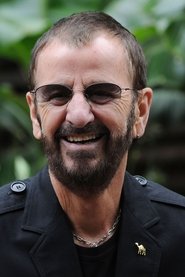 Ringo StarrSelf
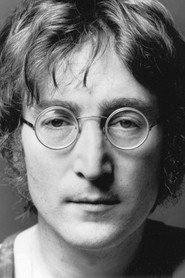 John LennonSelf (Archive Footage)
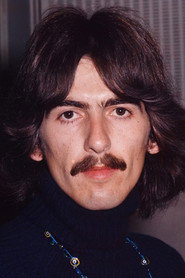 George HarrisonSelf (Archive Footage)
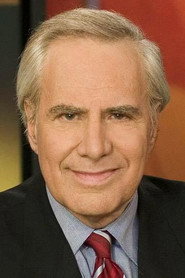 Larry KaneSelf
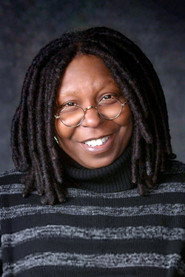 Whoopi GoldbergSelf
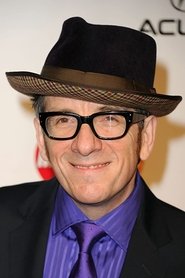 Elvis CostelloSelf
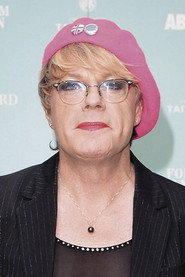 Suzy Eddie IzzardHerself
 Sigourney WeaverSelf
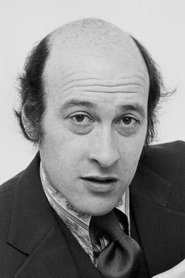 Richard LesterSelf
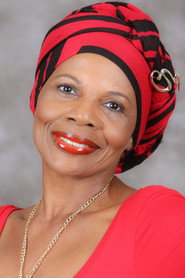 Kitty OliverSelf
 Howard GoodallSelf
Directing
- Ron HowardDirector
Writing
- Mark MonroeScreenplay
- P.G. MorganScreenplay
- P.G. MorganStory Consultant
Production
- John RitaAssociate Producer
- Cassidy HartmannCo-Executive Producer
- Jeanne Elfant FestaCo-Executive Producer
- Bruce HighamCo-Producer
- Matthew WhiteCo-Producer
- Stuart SamuelsCo-Producer
- Guy EastExecutive Producer
- Nicholas FerrallExecutive Producer
- Melissa GoodallPost Production Coordinator
- Robert A. MartinezPost Production Coordinator
- Brian GrazerProducer
- Nigel SinclairProducer
- Ron HowardProducer
- Scott PascucciProducer
- Emily RiceProduction Accountant
- Cory DaggProduction Coordinator
- Marc AmbroseSupervising Producer
Recommended by
Springsteen & I, One Direction: This Is Us, Jonas Brothers: The Concert Experience, Rock and Roll Hall of Fame Induction Ceremony, The Compleat Beatles