
Film
Pink Floyd: Pulse
Pink Floyd at their peak, documented live at Earl's Court in 1994. Two hours of immaculate musicianship and light design capturing a band still capable of transforming a stadium into something transcendent. Essential for devotees; a masterclass in how a great band sounds when everything clicks.
If you liked this
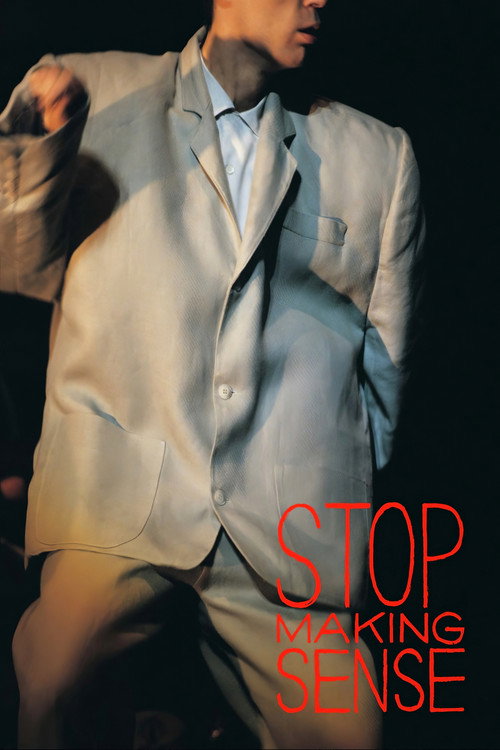
Stop Making Sense1984
Jonathan Demme's Talking Heads concert film is the greatest live rock film ever made. The staging, the energy, the way it builds from one person to a full band—it's cinema, not just documentation.
But Talking Heads are art-rock minimalists. If you want to feel your chest rumble, this is more cerebral than visceral.
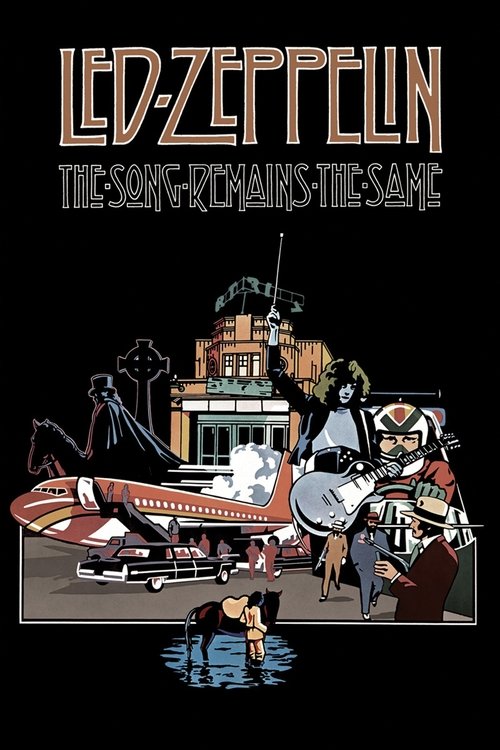
Led Zeppelin - The Song Remains the Same1976
Live footage of Zeppelin at Madison Square Garden interspersed with fantasy sequences. Raw, mythic, captures their sheer physical power in ways studio recordings never could.
But The fantasy sequences are genuinely bizarre and dated. The sound mix prioritizes drums and bass, which works for them but not everyone.
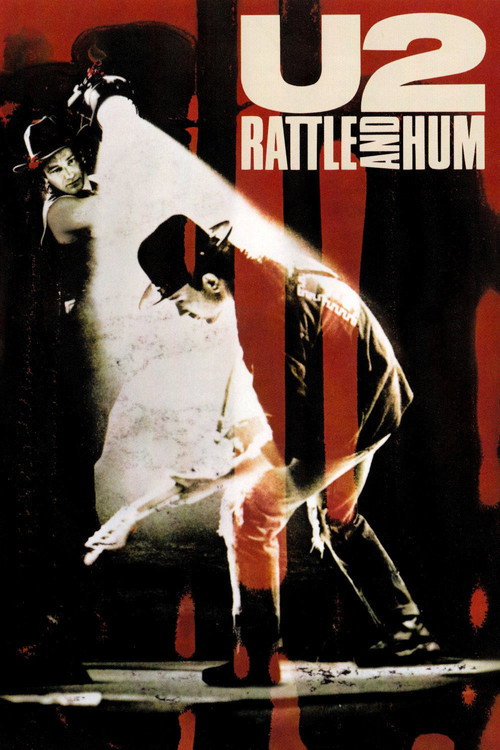
U2: Rattle and Hum1988
U2's Joshua Tree tour, mixing concert footage with behind-the-scenes access. Captures arena rock at maximum scale and ambition, plus their genuine musical curiosity.
But U2 in 1988 provokes strong reactions. If you find them pretentious or overblown, this film won't change your mind.
Not sure tonight? Get a pick in a minute, starting from Pink Floyd: Pulse
The wildcard
Something you would not have found on your own.
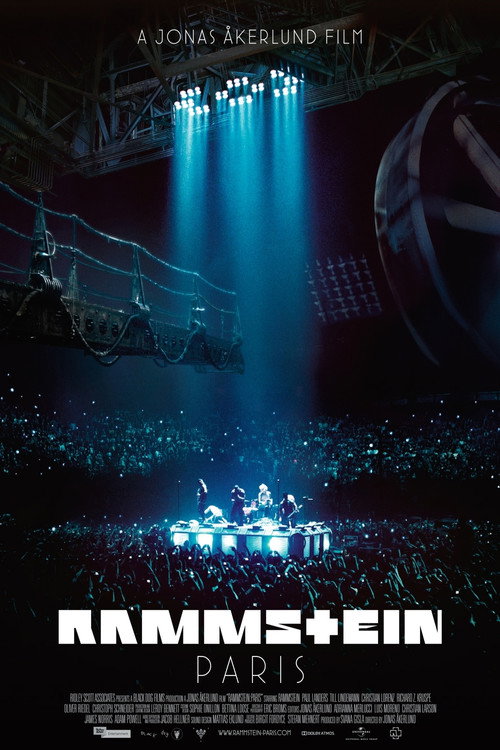
Rammstein: Paris2017
Both are bands where the visual design and sound engineering are inseparable from the music itself. Neither is content with playing songs—both demand to remake the space they're in.
Industrial metal titans Rammstein at the Palais Omnisports de Paris-Bercy in 2012. Same commitment to visual spectacle and sonic precision as Floyd, but aggressively physical and primal instead of cerebral. A masterclass in staging that transforms a concert into total sensory experience.
But Rammstein is heavy, pyrotechnic-dependent, and deliberately provocative. If you need melody or gentleness, this is the opposite direction.
More like this (4)
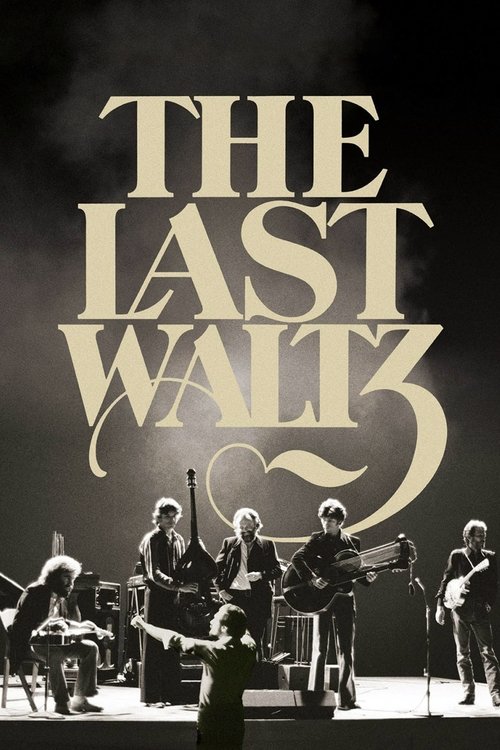
The Last Waltz1978
Martin Scorsese films The Band's final concert with a rotating cast of guest stars. Intimate interviews mixed with stunning performances. Feels like being in a room with music royalty.
But Scorsese prioritizes style and mood over complete performances. Some numbers are fragmentary, and The Band's catalog isn't as instantly familiar as rock's biggest names.
Woodstock1970
Michael Wadleigh's documentary of the 1969 festival is a time capsule of rock at a cultural moment. The performances are extraordinary and the film captures something unrepeatable about that era.
But Three and a half hours and uneven—some acts are captured brilliantly, others barely at all. It's as much about the crowd and the chaos as the music.
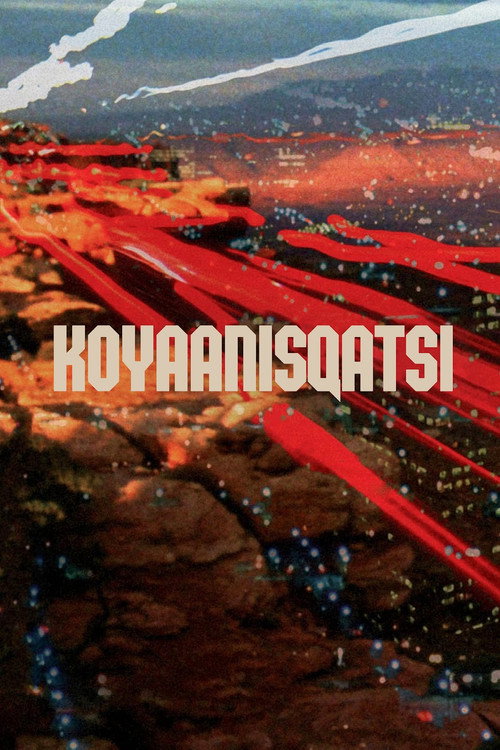
Koyaanisqatsi1983
Both use extended instrumental passages to create a trance state, and both believe that visual presentation and sound can work together to express something you can't say with words. Both are about overwhelming sensory precision in service of a mood.
Godfrey Reggio's experimental documentary with a Philip Glass score that builds into overwhelming totality. No dialogue, just images of civilization accelerating and collapsing layered over hypnotic repetitive composition. It's about the experience of consciousness meeting overwhelming scale.
But It's not a narrative or a traditional film. It's meditative, slow to start, and utterly demands your attention. Some people find it tedious rather than profound.
Night and Fog1956
Both demonstrate that the most profound artistic statements don't rely on spectacle or loudness. Both trust silence, space, and precision editing to create something that reshapes how you think. Both insist that great technical execution in service of something true is the definition of art.
Alain Resnais' 32-minute essay film about Auschwitz combines color and black-and-white footage, archival photography, and a restrained voice-over with a spare but devastating score. It's the most powerful document of atrocity ever made because it never shouts.
But It's about the Holocaust and filmed at Auschwitz. It's necessary and important but not an escape or entertainment. The restraint makes it harder to look away, which is precisely the point.

People
Cast
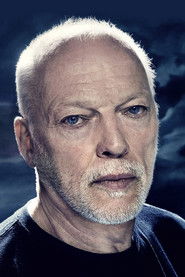 David GilmourSelf - Guitars, Lap Steel Guitar, Talk Box, Vocals
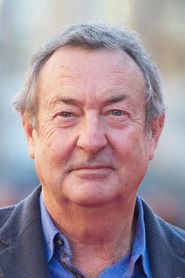 Nick MasonSelf - Drums
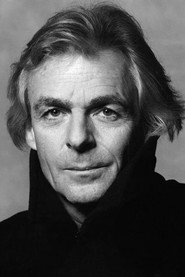 Richard WrightSelf - Keyboards, Vocals
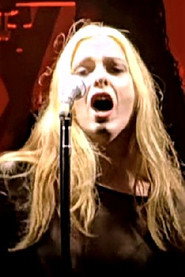 Sam BrownSelf - Backing Vocals
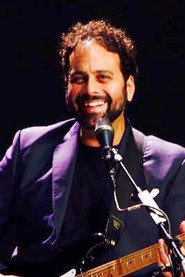 Jon CarinSelf - Keyboards, Vocals, Programming
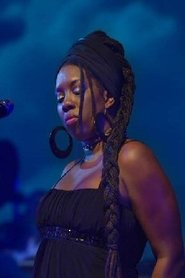 Claudia FontaineSelf - Backing Vocals
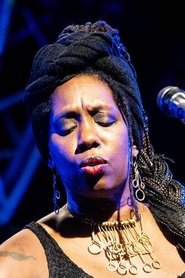 Durga McBroomSelf - Backing Vocals
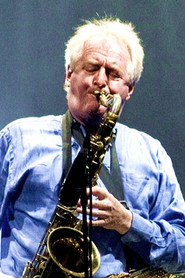 Dick ParrySelf - Saxophone
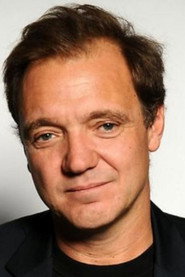 Guy PrattSelf - Bass, Vocals
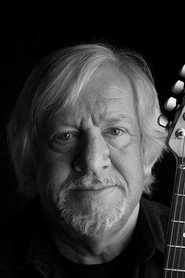 Tim RenwickSelf - Guitars, Vocals
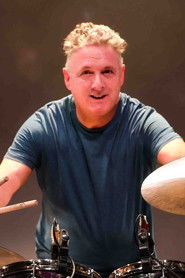 Gary WallisSelf - Percussion
Directing
- David MalletDirector
Production
- David GilmourProducer
- James GuthrieProducer
- Lana TophamProducer
- Steve O'RourkeProducer