
Film
kid 90
Soleil Moon Frye excavates decades of home video she shot throughout the 1990s, creating an intimate, unfiltered portrait of adolescence in that era. It's a love letter to a specific moment—casual, chaotic, luminous with youth—told entirely through the eyes of kids who had no idea they were making history. A time capsule that feels like scrolling through someone's actual memories.
Should you watch it?
Watch it if you loved the raw, unfiltered texture of 90s youth and want to see a famous childhood star's private footage look back at her own strange, uncertain years.
Skip it if you want a tidy, carefully structured documentary; this is assembled from years of self-shot footage and can feel loose, repetitive and oddly intimate at times.
What it asks of you: At seventy-one minutes it is brief, but it wants you to sit with home-video roughness and to piece together its mood from fragments rather than a guiding narrator.
Not sure? Find tonight's pick in a minute.
If you liked this
Woodstock1970
A landmark documentary that captures a generation defining itself in real time. Like Kid 90, it's about youth culture at a pivot point, told through raw footage and genuine emotion rather than talking heads or narration.
But It's three and a half hours long, and some of the musical performances haven't aged as gracefully as the cultural moment itself.

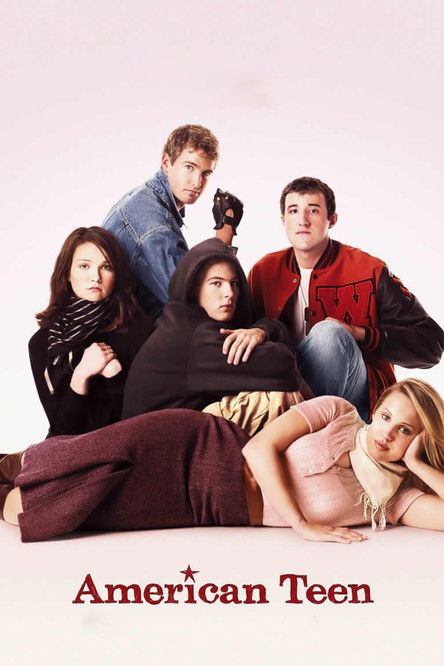
American Teen2008
Follows five high schoolers through their final year with remarkable intimacy and humor. Shares Kid 90's fascination with the mundane details of adolescence—the conversations, the anxieties, the friendships that feel permanent until they're not.
But The timeline is linear and predictable; you'll anticipate the emotional beats before they arrive.
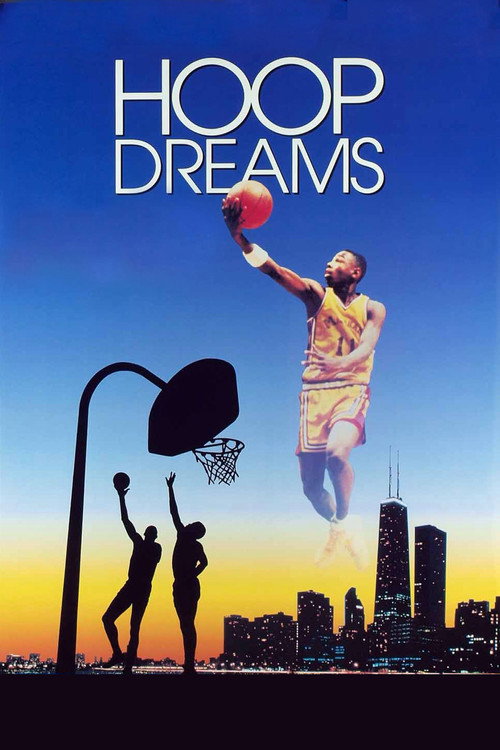
Hoop Dreams1994
A stunning documentary that follows two basketball players over five years, capturing boyhood, ambition, and systemic reality with equal weight. Like Kid 90, it trusts footage and time to tell the story rather than imposing narrative.
But At three hours, it demands patience. The pacing is deliberate, not quick-cutting or dramatic.
Not sure tonight? Get a pick in a minute, starting from kid 90
The wildcard
Something you would not have found on your own.
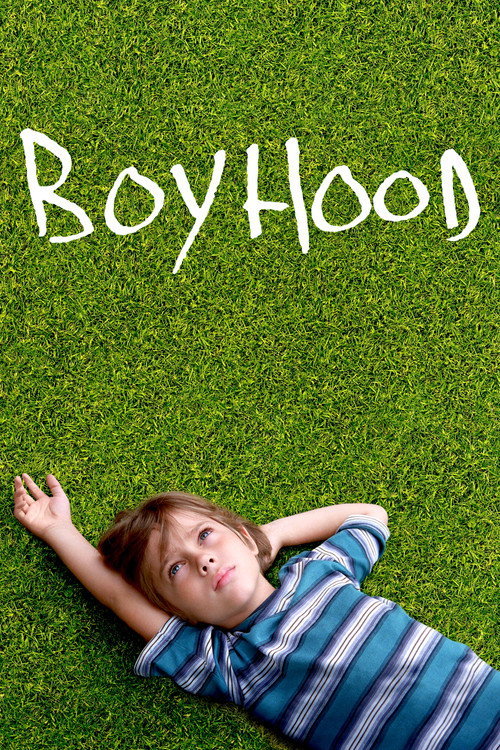
Boyhood2014
Both treat growing up not as narrative arc but as accumulation—years of small conversations, changing bodies, shifting relationships that only make sense in retrospect.
Richard Linklater filmed the same actor every year for twelve years, creating a genuine chronicle of time passing and growing up. It shares Kid 90's core insight: that the small moments are the real story of adolescence.
But It's three hours of deliberately paced, dialogue-heavy scenes. If you need plot momentum, you'll find it indulgent.
More like this (8)
The True Cost2015
A documentary that examines how personal choices connect to larger systems. If Kid 90 makes you nostalgic for the '90s, this one asks what that era cost in ways you weren't thinking about as a teenager.
But It's polemical and can feel didactic; the filmmaking sometimes gets in the way of the argument.

Tickled2016
Begins as a curious rabbit hole and spirals into something genuinely unsettling. It has Kid 90's obsession with subcultures and hidden corners of the internet, but with menace underneath.
But It goes to disturbing places. The humor evaporates partway through, and some viewers will find it exploitative rather than revelatory.
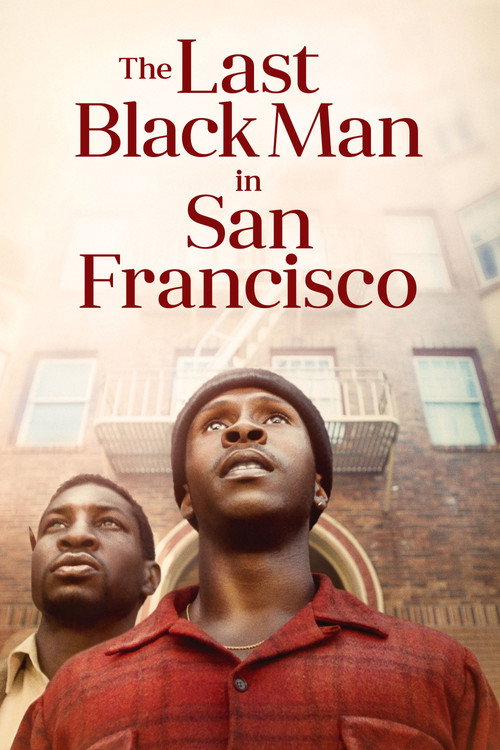
The Last Black Man in San Francisco2019
A meditation on nostalgia, belonging, and what a place means to you. Shares Kid 90's bittersweet tone about home and history, though it approaches the subject with more formal precision.
But It's slow and poetic in a way that can feel remote. If you want emotional wallop, this favors atmosphere over catharsis.
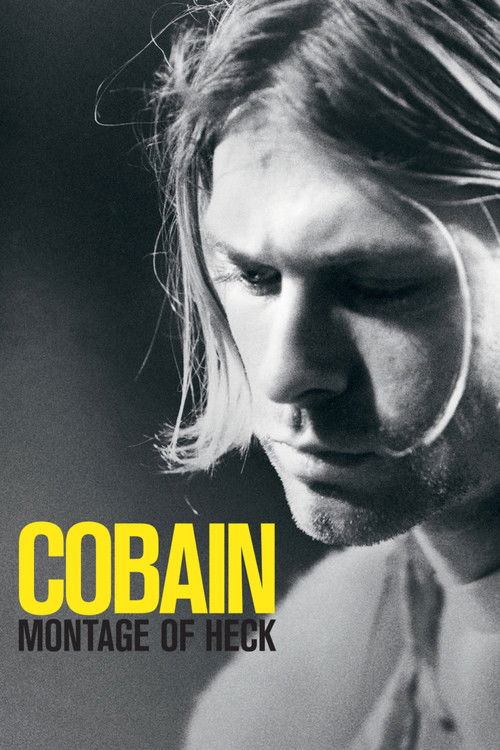
Cobain: Montage of Heck2015
Uses archival footage, home video, and animation to reconstruct an interior life. Like Kid 90, it privileges primary sources—letters, recordings, fragments—over expert interpretation.
But It's claustrophobic and often bleak. You're watching someone's depression and addiction meticulously documented, which can feel voyeuristic.
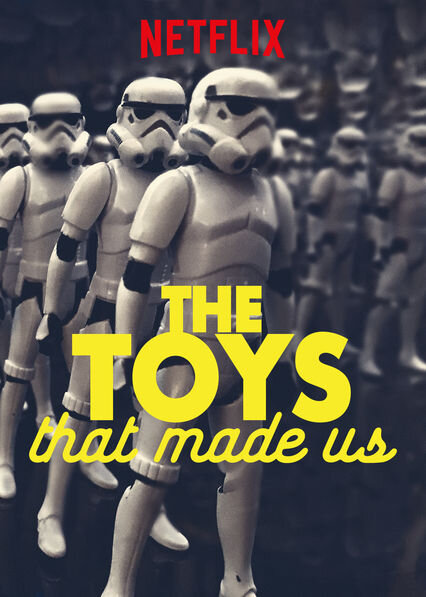
The Toys That Made Us2017
A breezy, nostalgic romp through '90s consumer culture. Perfect if Kid 90 leaves you wanting more ambient immersion in that specific decade's texture and preoccupations.
But It's surface-level entertainment. There's no real insight, just comfortable brand-name remembrance.
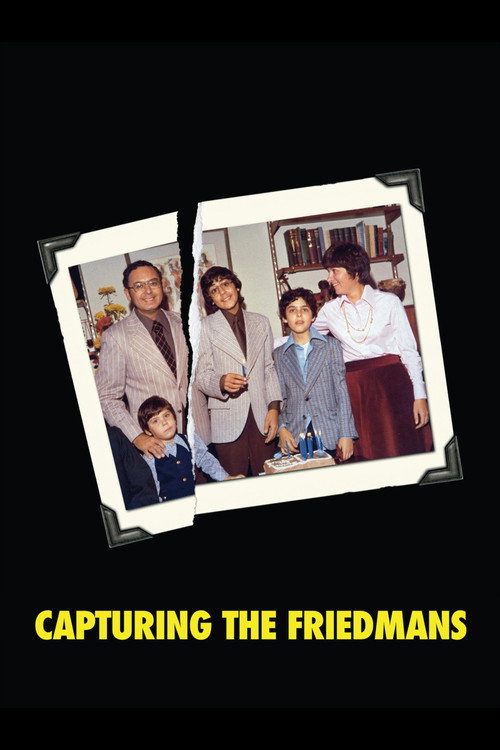
Capturing the Friedmans2003
A documentary assembled largely from home video and family footage, examining a family imploding in real time. Structurally similar to Kid 90, but the subject matter is deeply dark.
But It raises serious questions about consent and exploitation—showing people at their worst moments without their current permission. Some will find it ethically troubling.
Memories of Murder2003
Both are excavations of the past using the textures of their era—Kid 90 through home video, Memories of Murder through production design and color grading—to suggest how differently we experience the present than we understand it later.
A Korean thriller about a serial killer investigation in the 1980s, but it's really about how memory fails and how moments define us. Visually precise where Kid 90 is chaotic, but equally concerned with what time does to people.
But It's a crime film with an open ending that refuses catharsis. If you came for a mystery solved, you'll leave frustrated.

Grey Gardens1976
Both are documentaries structured around found or personal footage, asking viewers to construct meaning from fragments. Both suggest that the camera reveals something people try to hide—Kid 90 hiding joy, Grey Gardens hiding decline.
A groundbreaking documentary about two wealthy women living in decay in a crumbling mansion. It's about adolescence inverted—the past consuming the present—but shares Kid 90's unblinking eye and its willingness to let footage speak without judgment.
But It's uncomfortable and sometimes cruel. The filmmakers observe suffering with detachment; you're asked to decide how you feel about that distance.

People
Cast
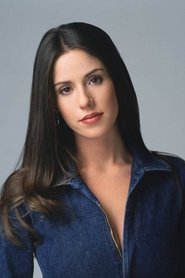 Soleil Moon FryeSelf
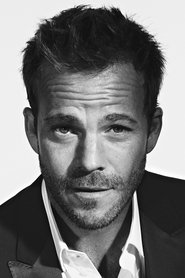 Stephen DorffSelf
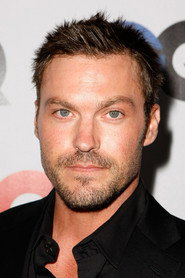
 Heather McCombSelf
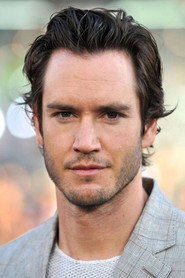
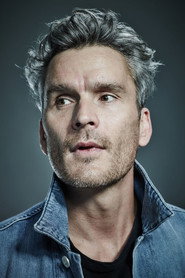 Balthazar GettySelf
- Nicole SolomonSelf
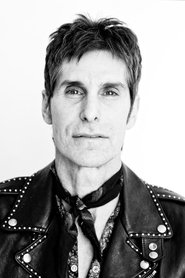 Perry FarrellSelf
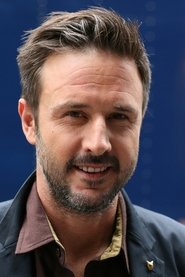 David ArquetteSelf
- Peter BiciSelf
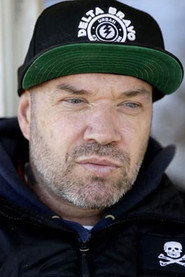
- Tori LeonardSelf
Directing
- Soleil Moon FryeDirector
Production
- Alexa PetersAssociate Producer
- Neil MeiklejohnCo-Executive Producer
- Yana GorskayaCo-Executive Producer
- Alan WelchExecutive Producer
- Jason GoldbergExecutive Producer
- Jennifer DavissonExecutive Producer
- Phillip WatsonExecutive Producer
- Sean PennExecutive Producer
- Soleil Moon FryeExecutive Producer
- Gus SandovalPayroll Accountant
- Raul ReyesPayroll Accountant
- Eliza HindmarchProducer
- Stacy MahoneyProducer
- Victor ValenciaProduction Accountant
- Wendy HydenProduction Accountant
- Drew BreedenProduction Manager
- Aidan McIntyreResearcher
- Alexa PetersResearcher
- Hopper RoweResearcher
- Jagger Joseph BlueResearcher
- Lisa RoweResearcher
- Poet Sienna RoseResearcher
- Sophie RagirResearcher