
Film
Bacurau
A remote Brazilian town vanishes from maps after burying its elderly matriarch. When outsiders arrive with unclear motives, the locals realize they're under siege. Bacurau is a wild, shape-shifting thriller that moves from mystery to western to something wilder still. It's visually dazzling and deeply political without ever lecturing.
Should you watch it?
Watch it if you like slow-building community portraits that tip without warning into genre pulp, and you enjoy films that treat a village's daily texture as seriously as its myths.
Skip it if you need tight plotting and a steady throughline, since the early stretches drift through small-town routines and the film runs over two hours before it commits to its shape.
What it asks of you: Settle into a long, unhurried run of village life that moves from wry and warm to uneasy and then sharply strange, and it wants your full attention, not background company.
Not sure? Find tonight's pick in a minute.
If you liked this
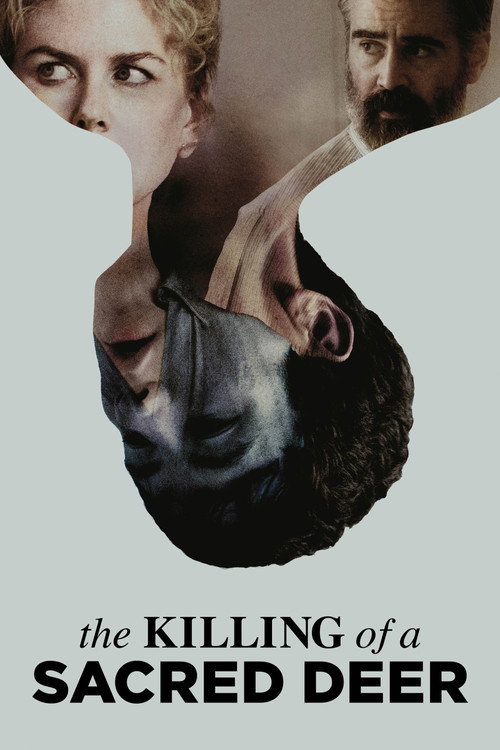
The Killing of a Sacred Deer2017
Like Bacurau, it's a slow-burn thriller that builds dread through precise control of space and information. Yorgos Lanthimos creates the same sense of a closed system where logic becomes terrifying.
But It's deliberately sterile and cold in tone. If you want human warmth alongside the threat, this will frustrate you.
Come and See1985
Elem Klimov's Soviet war film shares Bacurau's commitment to showing ordinary people defending their territory against external invasion. Both films are unflinching about violence and its human cost.
But It's an intensely bleak, almost unwatchable experience. This is not entertainment; it's an ordeal that demands something of you.

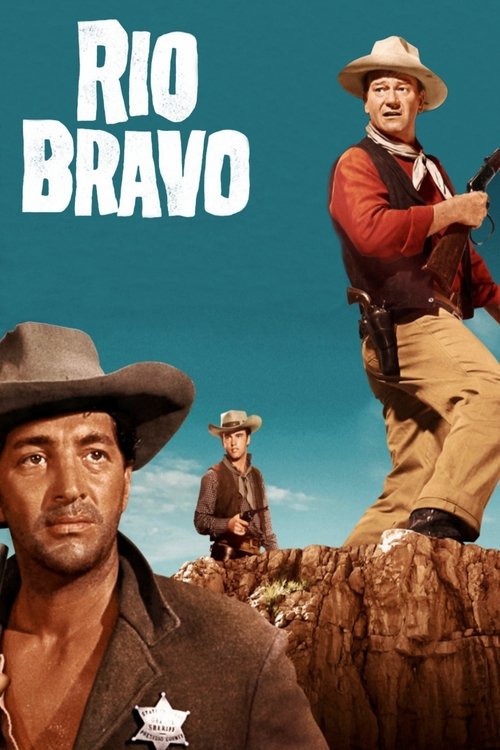
Rio Bravo1959
Howard Hawks invented the template that Bacurau gleefully deconstructs: a small group under siege. Understanding Hawks helps you see what director Kleber Mendonça Filho is doing with the western form.
But It's nearly three hours and moves at a deliberate pace. Modern audiences sometimes find Hawks' rhythm slack, even if they love the film once it has their attention.
Not sure tonight? Get a pick in a minute, starting from Bacurau
The wildcard
Something you would not have found on your own.
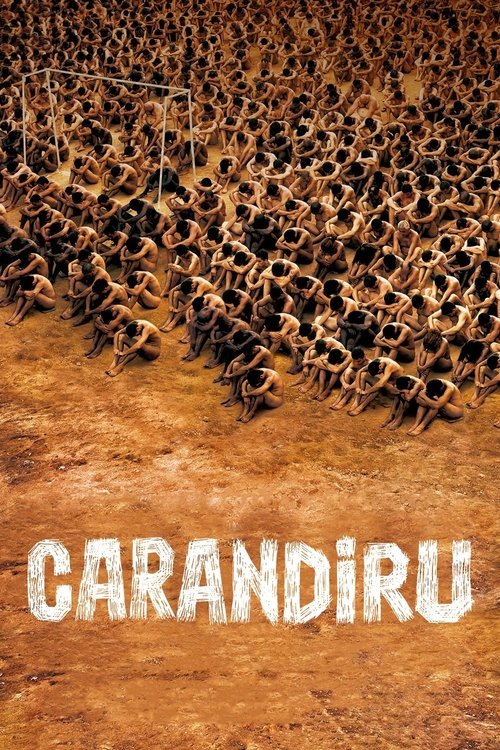
Carandiru2003
Both are Brazilian films about communities under siege by forces larger than themselves, told with formal innovation and visual precision. Both insist on the dignity of peripheral people.
Hector Babenco's film is set in São Paulo's most notorious prison and made by a Brazilian director working in Portuguese with Brazilian actors. Like Bacurau, it's unflinching about violence and systemic power. It's the closer cultural cousin Bacurau actually has.
But The film depicts gang rape and murder with such graphic detail that many viewers find it exploitative rather than enlightening. It's based on a real prison, which makes the suffering more difficult to sit with.
More like this (8)
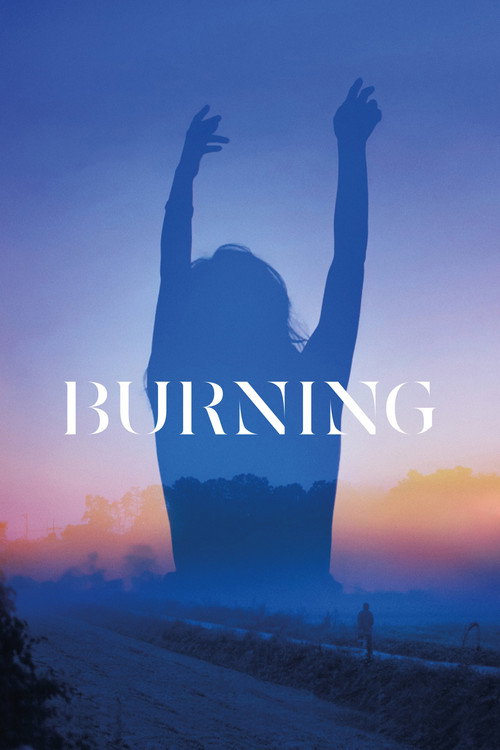
Burning2018
Lee Chang-dong's adaptation of Murakami has that same willingness to withhold information and keep you uncertain about what's actually happening. Both films trust the audience to sit with ambiguity.
But It's nearly three hours of slow revelation. If you need clearer narrative momentum or character motivation spelled out, you'll feel adrift.
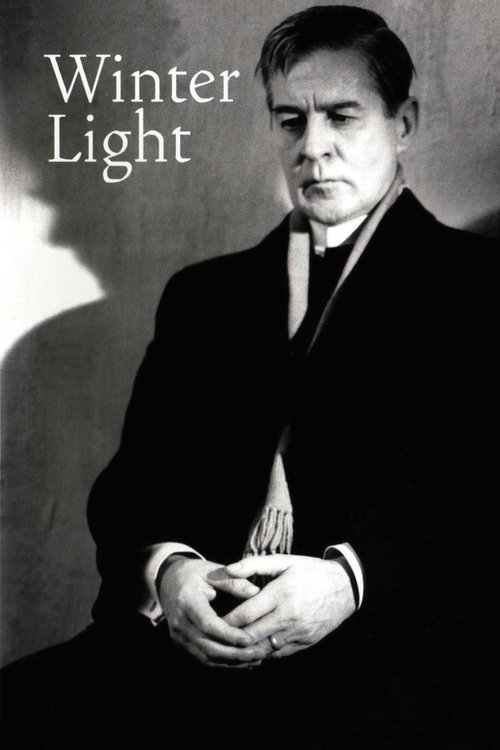
Winter Light1963
Bergman's bleak village drama shares Bacurau's interest in small communities where belief systems matter. Both films examine how people hold together when the world is collapsing around them.
But It's austere and abstract in a way that feels removed from the visceral thrills Bacurau delivers. This is existential, not exciting.
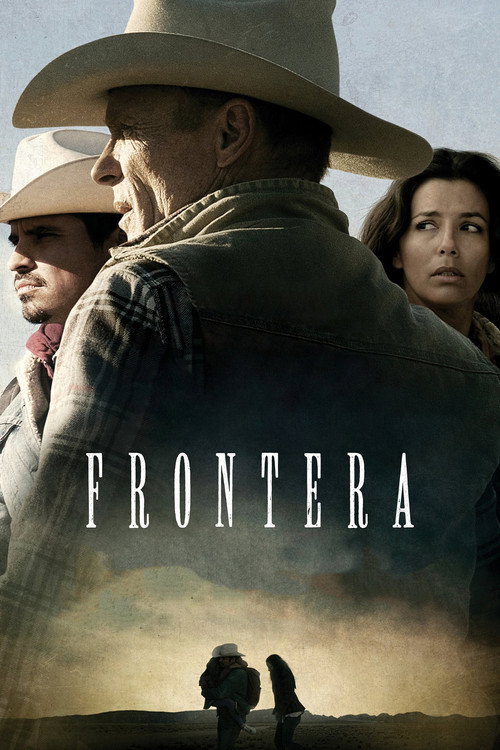
Frontera2014
This Mexican western-thriller explores border territory and outside threats in ways that rhyme with Bacurau. It has the same willingness to mix genres and distrust authority figures.
But It's uneven tonally and sometimes feels like it's struggling to find what it wants to be. The second half doesn't quite land as well as the first.
A Prophet2009
Jacques Audiard's prison epic has Bacurau's gift for showing how hierarchies form and how the vulnerable learn to survive. Both films are rigorous about cause and effect and the logic of systems.
But It's French, it's 2.5 hours, and it can feel like a procedural at points. If you want more immediate visceral engagement, it builds rather than explodes.

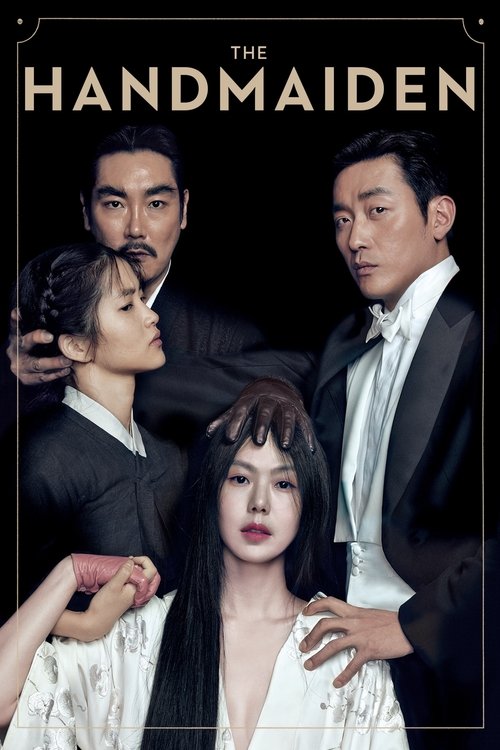
The Handmaiden2016
Park Chan-wook's twisting con artist film shares Bacurau's delight in plotting and misdirection. Both films hide information deliberately and reward close attention. The visual style is similarly baroque.
But It's erotic in ways some find gratuitous rather than meaningful. The plot's surprises rely on information withheld from the viewer, which can feel cheap on reflection.
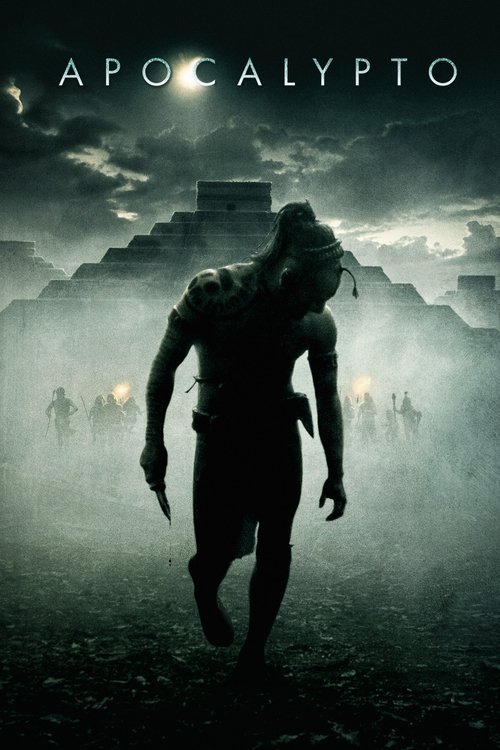
Apocalypto2006
Gibson's chase thriller through Mesoamerica shares Bacurau's kinetic celebration of landscape and its willingness to make the environment itself a character. Both films are technically dazzling spectacles grounded in real geography.
But Gibson's film is cartoonishly violent and simplistic in its politics. It's also become increasingly uncomfortable to recommend given what we know about its maker.
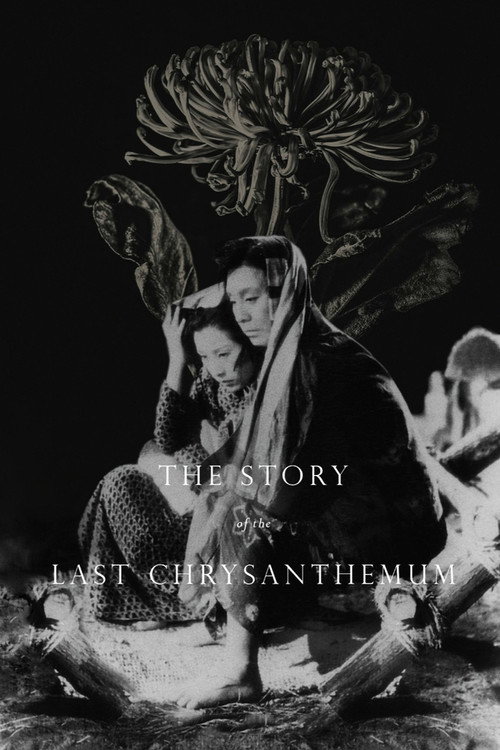
The Story of the Last Chrysanthemum1939
Both films understand that real drama lives in how people choose to stand together, not in plot mechanics. Both move at their own tempo and trust that the viewer will come along.
Kenji Mizoguchi's Japanese masterpiece concerns a small group of theatre people navigating loyalty, betrayal, and the outside world's indifference. It has nothing to do with Bacurau's plot, but the emotional logic—how communities survive, what binds people—is identical.
But It's a 1939 Japanese film in black and white, nearly three hours long, about Kabuki theatre. The pacing will feel glacial if you're not attuned to classical narrative rhythm.
Memories of Murder2003
Both films use genre convention (western, crime procedural) to explore how power operates at ground level. Both build to moments where narrative justice becomes irrelevant because the system itself is corrupt.
Bong Joon-ho's Korean serial killer film is a thriller that becomes something else entirely: a meditation on system failure, police corruption, and the impossibility of justice in a rigged world. It has Bacurau's willingness to subvert genre and its rage at institutional indifference.
But The violence is brutal and sudden. The film is also deliberately frustrating in its refusal to provide catharsis or closure, which some experience as unsatisfying rather than profound.

People
Cast
 Bárbara ColenTeresa
 Thomás AquinoPacote
 Silvero PereiraLunga
 Sonia BragaDomingas
 Udo KierMichael
 Thardelly LimaTony Jr.
 Rubens SantosErivaldo
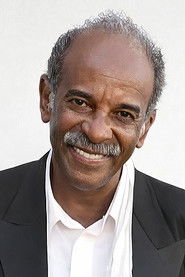 Wilson RabeloPlinio
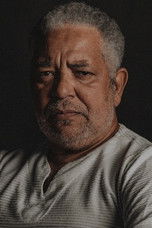 Carlos FranciscoDamiano

 Karine TelesForasteira
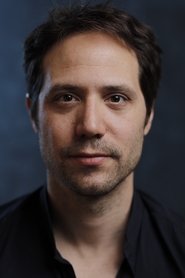 Antonio SaboiaForasteiro
Directing
- Leonardo LaccaAssistant Director
- Ian AbéContinuity
- Juliano DornellesDirector
- Kleber Mendonça FilhoDirector
- Daniel LentiniFirst Assistant Director
- Débora OliveiraSecond Assistant Director
- Fellipe FernandesSecond Assistant Director
- Luciano CampeloThird Assistant Director
Writing
- Juliano DornellesWriter
- Kleber Mendonça FilhoWriter
Production
- Carlos DieguesAssociate Producer
- Kateryna MerktAssociate Producer
- Kevin ChneiweissAssociate Producer
- Tiago MeloAssociate Producer
- Marcelo CaetanoCasting
- Olivier PèreCo-Producer
- Dora AmorimExecutive Producer
- Emilie LesclauxProducer
- Michel MerktProducer
- Saïd Ben SaïdProducer
- Cristina AlvesProduction Director
- Dedete Parente CostaProduction Director
Recommended by
Black Orpheus, The Last Party, Alone, A Força do Querer, Dom de Iludir, Beware Boiúna