
Film
That's Dancing!
- Dance musical
- Light-hearted
A joyful, sweeping tour through a century of dance on film, hosted by legends like Gene Kelly and Mikhail Baryshnikov. It's a clip show done right—a love letter to the physical artistry that made movie musicals matter. For anyone who's ever felt their chest tighten watching someone move impossibly well on screen.
Should you watch it?
Watch it if you love the mechanics of movement on film and want to see how a tap step or a sweep across a soundstage gets built, shot and remembered, with clips that run long enough to actually watch the feet.
Skip it if you want a tight, analytical history with critical argument; this is a warm, clip-stuffed celebration with hosts who keep stepping in to cheer, and the pace stays chatty rather than probing.
What it asks of you: About an hour and three-quarters of easy, cheerful attention, moving decade by decade through excerpts, with little strain and plenty of brightness to sit back and enjoy.
Not sure? Find tonight's pick in a minute.
If you liked this
Singin' in the Rain1952
The pinnacle of the Hollywood musical, where every frame crackles with invention. Gene Kelly's athleticism and charm are so absolute that you'll understand why dance in cinema mattered at all.
But If you find yourself impatient with plot that exists only to string together musical numbers, this will test that patience severely.

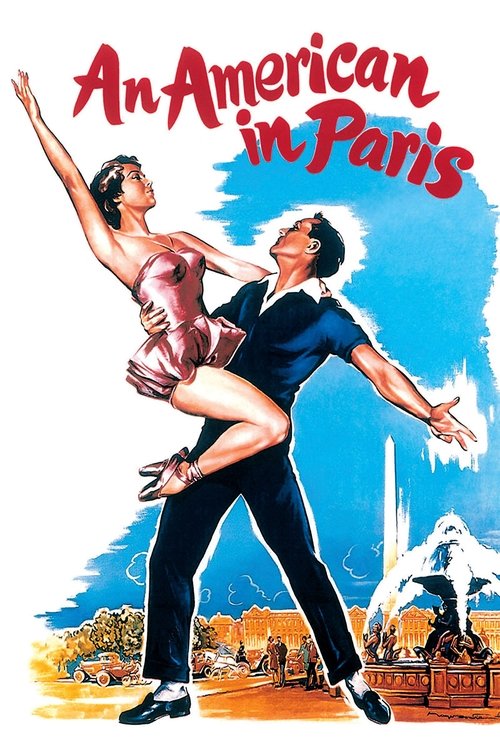
An American in Paris1951
A masterclass in how to build a film around virtuosity rather than narrative. The 17-minute dance sequence is a small complete ballet, and George Gershwin's score makes you believe Paris is real.
But The romantic plot is thin even by musical standards, and the film's pace can feel leisurely to modern viewers accustomed to cutting every three seconds.
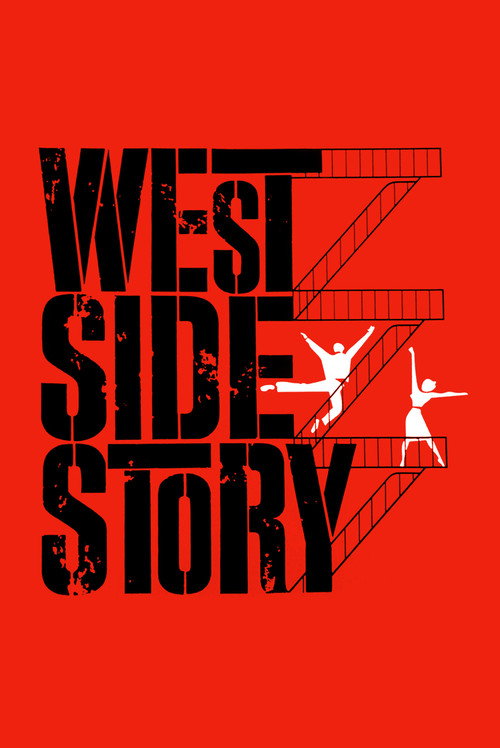
West Side Story1961
Dance as storytelling and as argument. The choreography by Jerome Robbins doesn't decorate the drama—it *is* the drama. You'll see why this changed what was possible in the medium.
But The film's treatment of its Puerto Rican characters is of its era in ways that haven't aged gracefully, and some of the vocal dubbing is distracting.
Not sure tonight? Get a pick in a minute, starting from That's Dancing!
The wildcard
Something you would not have found on your own.
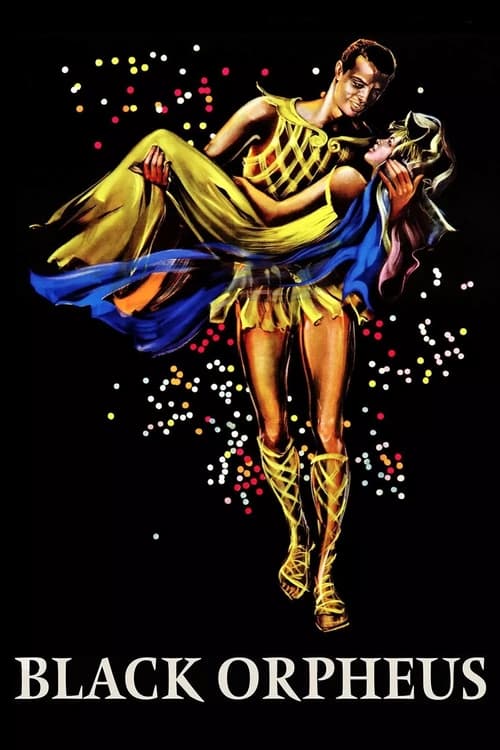
Black Orpheus1959
Both are love letters to dance as cinema's secret language, but this one comes from a completely different tradition and proves that the grammar of movement transcends geography.
A Brazilian retelling of the Orpheus myth where samba *is* the narrative—the film moves like the music does. It's visually stunning and heartbreaking, and it shows that dance cinema exists everywhere, not just in Hollywood studios.
But It's in Portuguese, so you're reading subtitles. The tragic ending is genuinely devastating rather than cathartic, which some find punishing.
More like this (7)
The Red Shoes1948
A film about obsession with dance that uses dance obsessively. The Technicolor ballet sequence is rapturous and strange, and the story has genuine moral teeth beneath the spectacle.
But The pacing is deliberate; some will find it slow, and the tragic ending won't satisfy anyone looking for escapism.

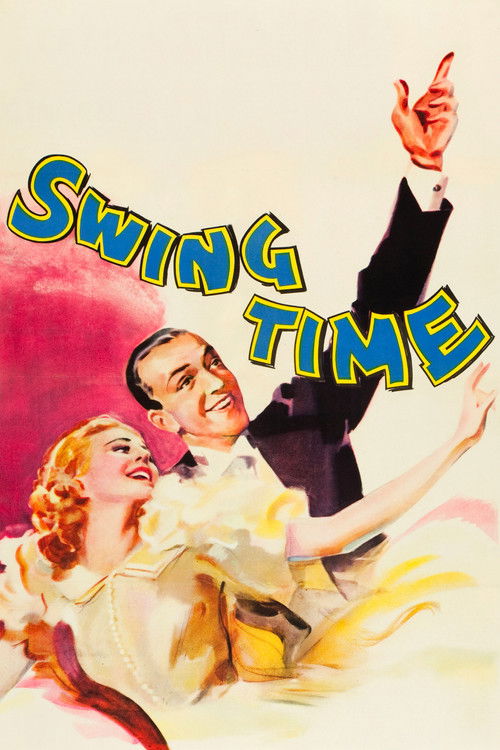
Swing Time1936
Fred Astaire and Ginger Rogers at their easiest and most inventive. The dancing is so conversational and funny that you forget you're watching precision choreography, and then you rewind it.
But The plot (and the racial attitudes in the supporting cast) feel stranded in 1936, and some viewers find Astaire's persona a bit too smooth.
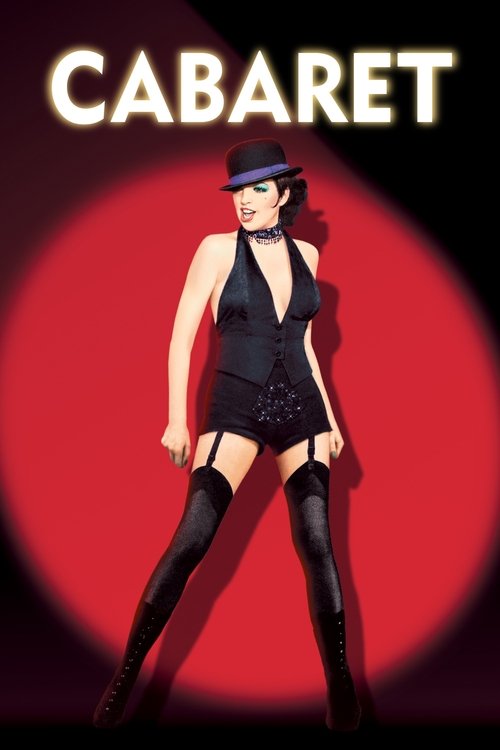
Cabaret1972
Bob Fosse's masterpice. Dance here is decadence and decay made physical. Liza Minnelli and Joel Grey are both extraordinary, and the film understands that spectacle and darkness aren't opposites.
But It's deliberately bleak and sexualized in ways some find difficult. The pacing can feel languid if you're not in the mood for it.
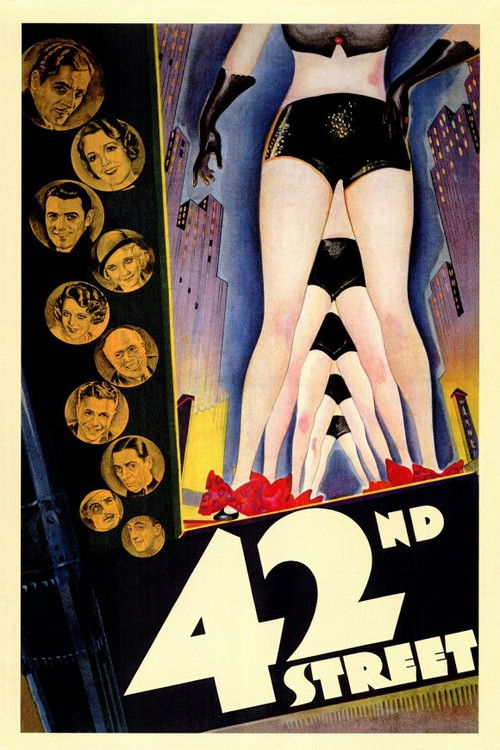
42nd Street1933
The film that invented the modern movie musical as a form. It's fast, it's fun, the dancing is joyful rather than elegant, and it feels impossibly alive for something nearly a century old.
But The sound recording is tinny by modern standards, and the plot about ambitious chorus girls reinforces some dated ideas about women and ambition.
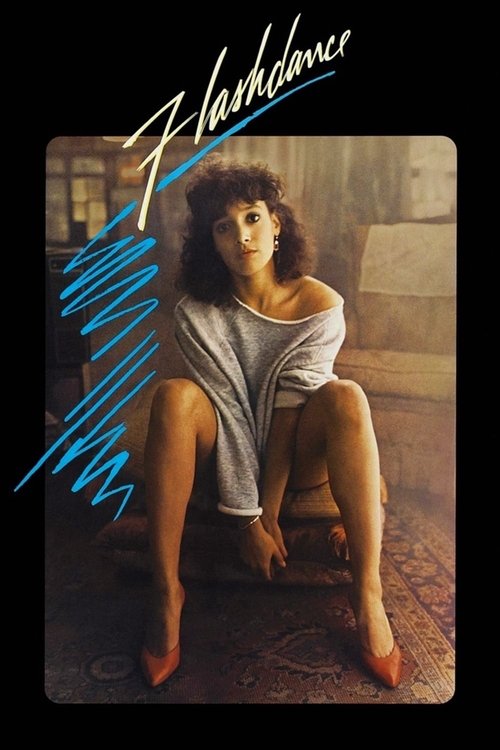
Flashdance1983
If you want to understand what the '80s *felt* like, this is it. The dance sequences are genuinely thrilling, the music is irresistible, and it captures a specific moment in American optimism before everything got complicated.
But The story is paper-thin and the romance strains credibility even for a fantasy. Some of the sexual dynamics won't read the way the film intends them to.
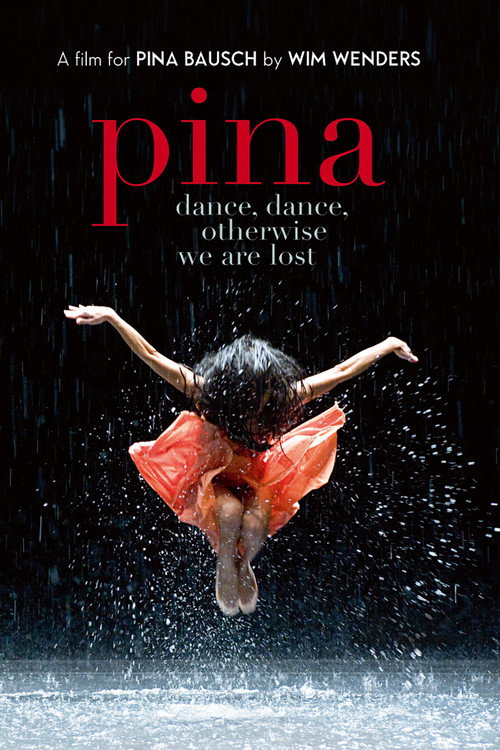
Pina2011
Where That's Dancing celebrates the vernacular joy of movement in film, Pina worships at the altar of dance as high art. One shows you where dance lived; the other shows you where it could go.
Wim Wenders' 3D film about Pina Bausch's choreography is hypnotic and strange. It's not a musical—it's pure dance as abstraction, and the 3D isn't a gimmick; it lets you feel the space the dancers inhabit.
But There's no plot, no dialogue, and no concession to narrative comfort. If you need a story, this will frustrate you completely.
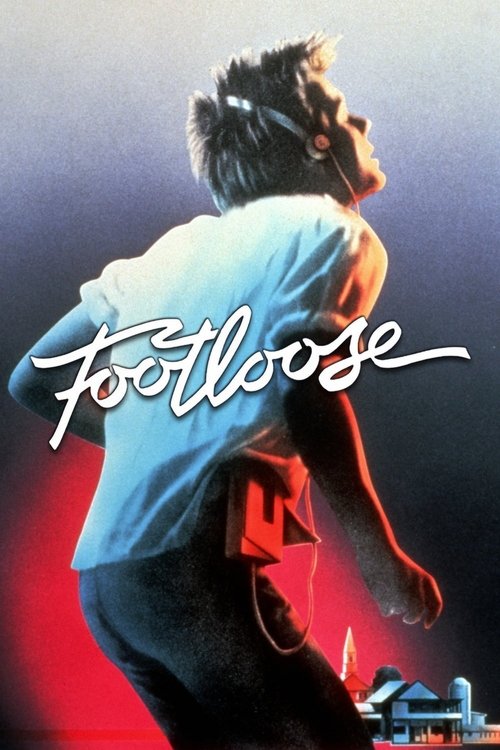
Footloose1984
Both emerged from the '80s love affair with music video grammar and spectacle, but Footloose uses dance to carry a narrative, while That's Dancing argues that the dance IS the point.
Released within a year of That's Dancing, it's a time capsule of the '80s that proves dance sequences can carry the entire emotional weight of a film. The choreography by Kenny Ortega is genuinely inventive, and the soundtrack is perfect.
But The plot is thin and the social commentary is half-baked. If you're looking for subtlety or complexity, you won't find it here—this is pure pop cinema.
People
Cast
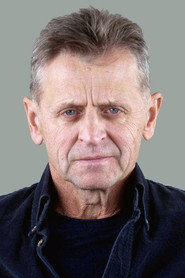 Mikhail BaryshnikovSelf - Host
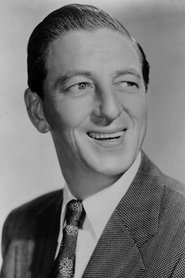 Ray BolgerSelf - Host
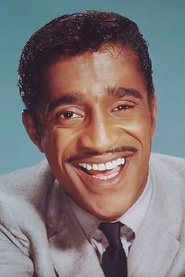 Sammy Davis Jr.Self - Host
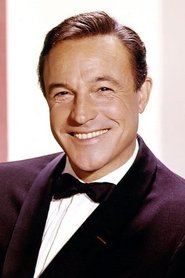 Gene KellySelf - Host
 Liza MinnelliSelf - Host
- Tommy Abbott'West Side Story' dancer
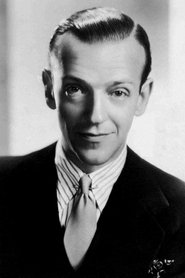 Fred AstaireSelf (archive footage)
 Robert Banas'West Side Story ' dancer
- David Bean'West Side Story' dancer
 Francesca Bellini'West Side Story' dancer
 Busby BerkeleySelf (archive footage)
Directing
- Jack Haley Jr.Director
Writing
- Jack Haley Jr.Screenplay