
Film
Ulysses
Kirk Douglas commands this 1954 Italian epic, a streamlined Odyssey that trades Homeric grandeur for adventure-film momentum. Circe's island, the Cyclops, the Sirens—mythic set pieces rendered in vivid Technicolor and practical spectacle. It's earnest, episodic, a little creaky, endlessly watchable. Made when studios still believed in myths.
If you liked this
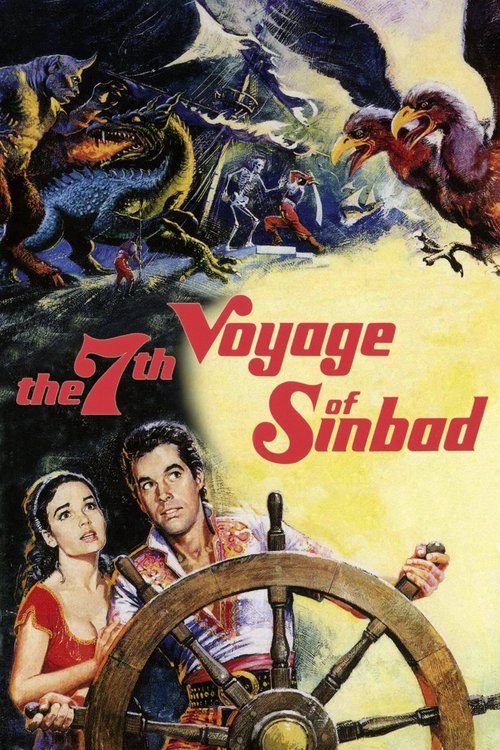
The 7th Voyage of Sinbad1958
Ray Harryhausen's stop-motion monsters and practical effects create a sense of wonder that digital work struggles to match. Same episodic structure—hero moves from peril to peril—with genuine craft in every frame.
But The pacing is deliberate and the romantic subplots feel obligatory. If you need constant forward momentum, this will test your patience.
Jason and the Argonauts1963
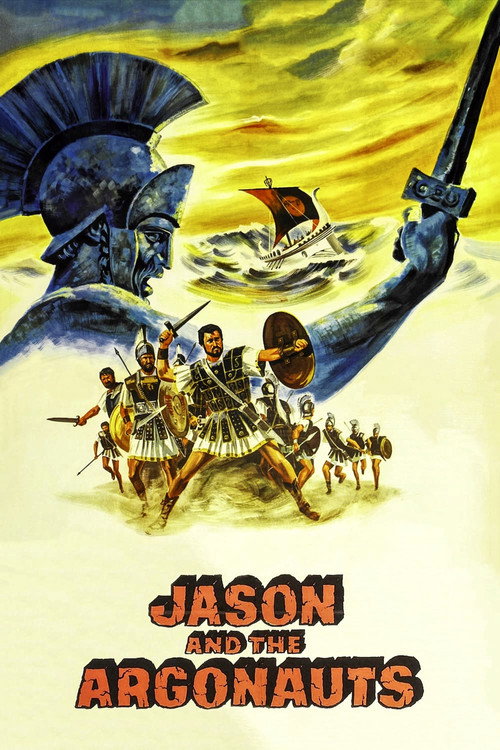
Another Harryhausen collaboration, another myth-as-adventure-serial. The skeleton fight alone justifies the runtime, but what matters is how these films make you believe in the impossible through sheer technical ingenuity and conviction.
But Some sequences drag, and the dialogue can feel stagy. The special effects, while brilliant, don't hide the limitations of the era.
Clash of the Titans1981
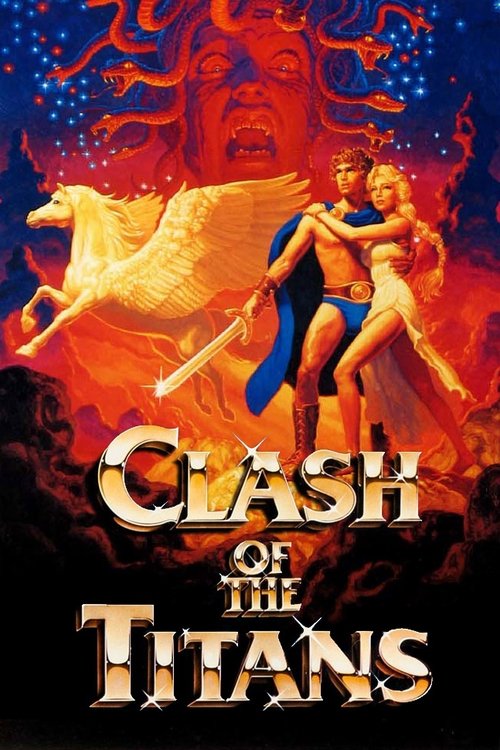
Desmond Davis directs a Harryhausen spectacular with Laurence Olivier and a genuine sense of prophecy-driven doom. Perseus's quest has the same episodic shape, the same commitment to practical wonder.
But It's visibly a product of its time—the acting can be broad, the dialogue sometimes unintentionally funny. The pacing is glacial by modern standards.
Not sure tonight? Get a pick in a minute, starting from Ulysses
The wildcard
Something you would not have found on your own.
Synecdoche, New York2008
Both are about the almost-impossible journey home, except here home is internal and constructed. Ulysses wanders through external trials; Caden wanders through psychological and artistic ones. Same hunger, different maps.
Charlie Kaufman's chamber symphony of artistic obsession and the impossible search for meaning. Structurally closer to the Odyssey than you'd expect—a man traveling through worlds within worlds, trying to construct home, always too late. The emotional truth beneath the myth.
But It's difficult, self-referential, and deliberately ambiguous. Watching it can feel like being lost in a hall of mirrors. Many will find it self-indulgent or incomprehensible.

More like this (5)
The Navigator: A Medieval Odyssey1988
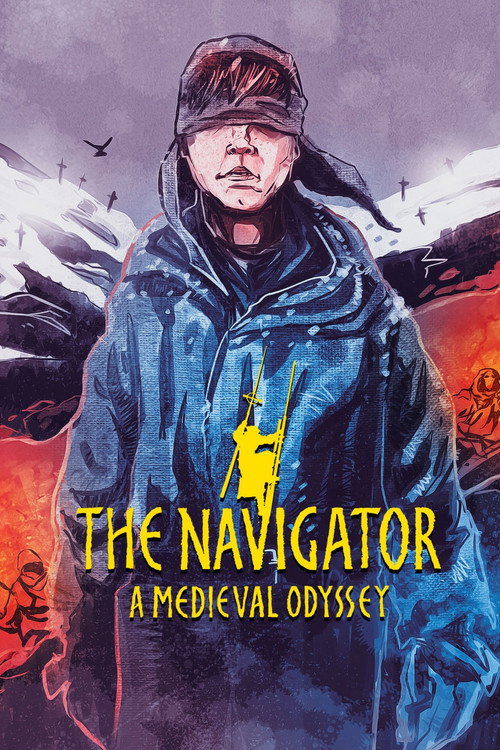
Vincent Ward's utterly strange black-and-white journey through space and time, nominally medieval but playing as fever dream. A completely different approach to the same archetypal voyage—hero crossed between worlds, seeking home.
But It's oblique, dreamlike, and resistantly weird. If you want narrative clarity and conventional storytelling, this will frustrate you.
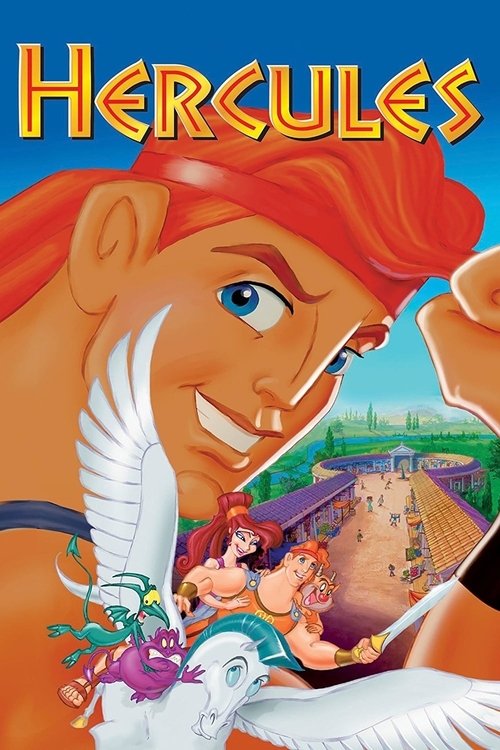
Hercules1997
Disney's animated Hercules strips myth to its emotional core: a hero trying to prove himself to his father. It's joyful and brash, with a winning tone and spectacularly designed action sequences that move like mythology should.
But It's a family film first, historical accuracy nowhere. The whimsy can feel overstretched, and the villain isn't particularly threatening.
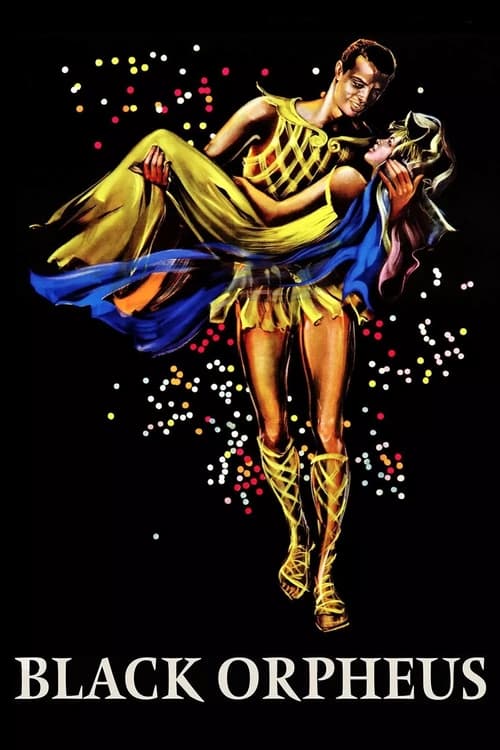
Black Orpheus1959
A transposition of the Orpheus myth into Rio's carnival and favelas. Same structure—love, loss, the underworld, the impossible journey—but in a completely different key, with music and movement that breathe new life into ancient patterns.
But The samba sequences are long and the emotional weight accumulates slowly. It asks you to sit with mood rather than plot momentum.
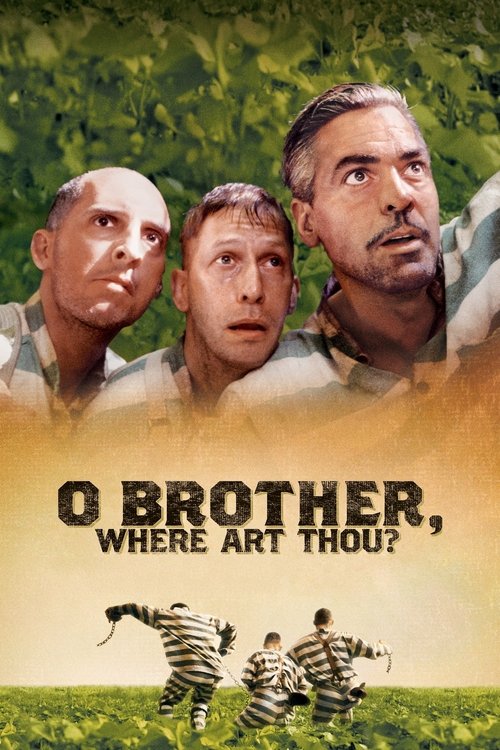
O Brother, Where Art Thou?2000
The Coen Brothers transplant the Odyssey to Depression-era Mississippi. Every episode from Homer appears, transmuted into Americana. It's funny, inventive, and suffused with genuine affection for both the source and American folk culture.
But The humor is deadpan and digressive. Some will find it precious or overly mannered. The plot can feel secondary to the mood and jokes.
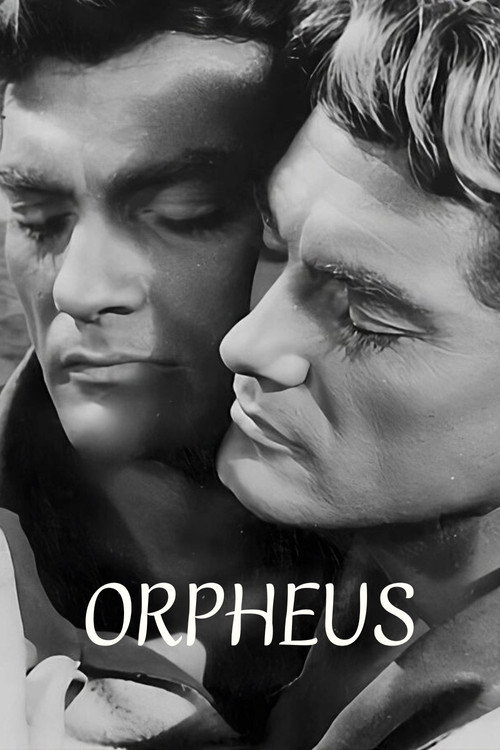
Orpheus1950
Jean Cocteau's avant-garde reimagining of the Orpheus myth in 1950s Paris. Poetic, strange, and visually rapturous. A reminder that myth-retellings can be as much about formal innovation as fidelity to source material.
But It's deliberately artificial and dreamlike. The narrative dissolves into symbolism. Without patience for abstraction, you'll be lost.
People
Cast
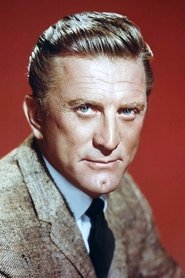 Kirk DouglasUlysses
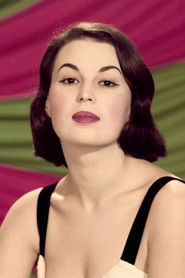 Silvana ManganoCirce / Penelope
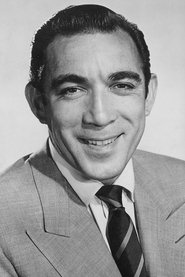 Anthony QuinnAntinous
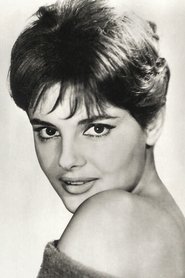 Rossana PodestàNausicaa
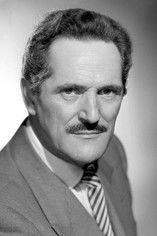 Jacques DumesnilAlcinous
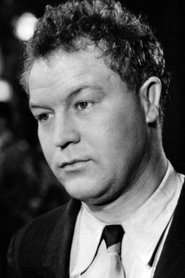 Daniel IvernelEurylochus
 SylvieEurycleia
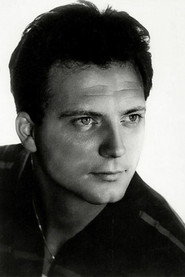 Franco InterlenghiTelemachus
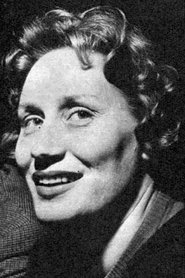 Elena ZareschiCassandra
 Evi MaltagliatiAnticlea
 Ludmilla DudarovaArete
 Tania WeberLeucantho
Directing
- Mario CameriniDirector
- Guidarino GuidiFirst Assistant Director
- Otto PellegriniFirst Assistant Director
- Serge VallinFirst Assistant Director
- Giovannella ZannoniScript Supervisor
Writing
- HomerAuthor
- Ben HechtScreenplay
- Ennio De ConciniScreenplay
- Franco BrusatiScreenplay
- Hugh GrayScreenplay
- Irwin ShawScreenplay
- Ivo PerilliScreenplay
- Mario CameriniScreenplay
Production
- Bruno TodiniLine Producer
- Carlo PontiProducer
- Dino De LaurentiisProducer
- Fernando CinquiniUnit Manager
- Ralph B. SerpeUnit Manager