
Film
The Navigator: A Medieval Odyssey
- Portal fantasy
- Treasure hunt
- Strange
A medieval boy's plague-haunted vision sends him and his brother through a mine shaft into 1988 New Zealand. Vincent Ward's audacious time-slip film splices folk mysticism with contemporary alienation, shot in stark black-and-white that renders both eras equally strange. For viewers drawn to cinema that trusts its strangeness and rewards surrender to its logic.
If you liked this
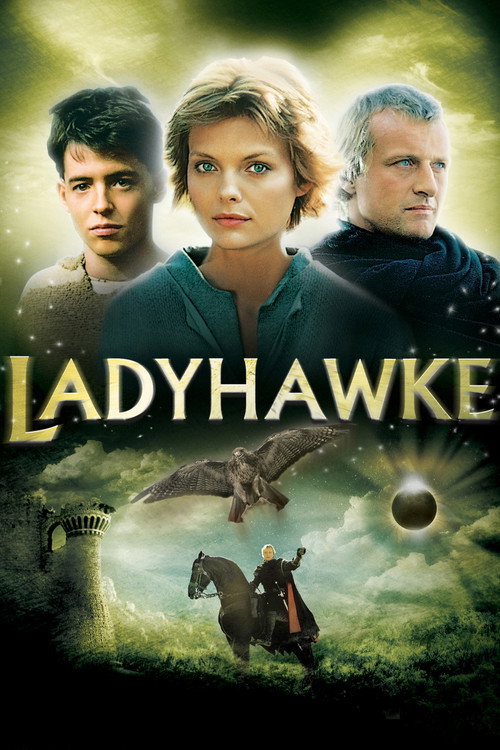
Ladyhawke1985
Richard Donner's medieval fantasy shares The Navigator's commitment to tactile world-building and romance with its own era's textures. Swooping and earnest, but grounded in real locations and genuine emotion about loss.
But Much more conventionally beautiful and straightforward in its storytelling. If you came for conceptual weirdness, this will feel almost mainstream.
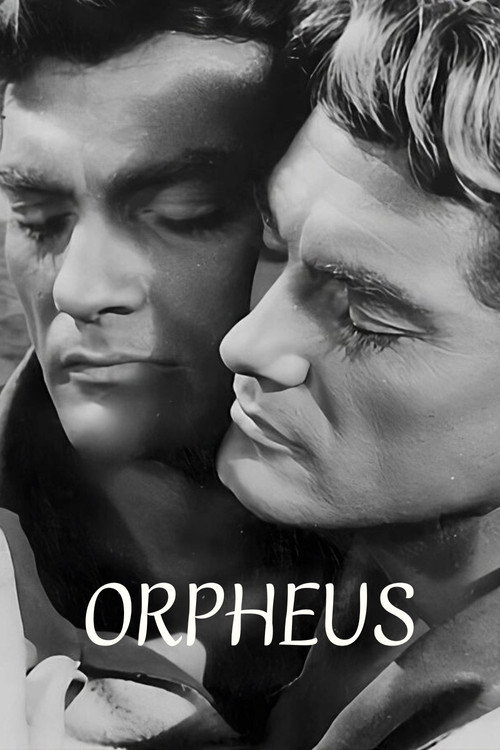
Orpheus1950
Cocteau's time-slip poem moves between classical myth and 1950s Paris with the same dreamlike fluidity Ward achieves. A masterpiece about worlds colliding, where the real and supernatural share the same moral weight.
But Requires patience with poetic abstraction. The plot barely exists; it's pure mood and symbol. French New Wave sensibility may feel precious to some.
Stalker1979
Tarkovsky's pilgrimage through a mysterious zone mirrors Ward's spiritual geography—both films treat the journey as metaphysical rather than geographical. Hypnotic, meditative, and genuinely uncanny.
But Glacially slow. Dialogue is sparse and philosophical. Over two hours of sustained contemplation will test your patience if you want narrative momentum.

Not sure tonight? Get a pick in a minute, starting from The Navigator: A Medieval Odyssey
The wildcard
Something you would not have found on your own.
Possession1981
Both films treat the supernatural as an extension of emotional or spiritual crisis rather than external threat. In Ward and Żuławski, the impossible emerges from within.
Andrzej Żuławski's Warsaw-set relationship horror operates in exactly the same register as The Navigator: realism distorted by interior psychological terror, where metaphysical states become literal ones. Grotesque and hypnotic.
But Deeply, viciously weird. Contains disturbing body horror and is structured around a disintegrating marriage so toxic it becomes almost abstract. Not a film that wants to be liked.

More like this (7)
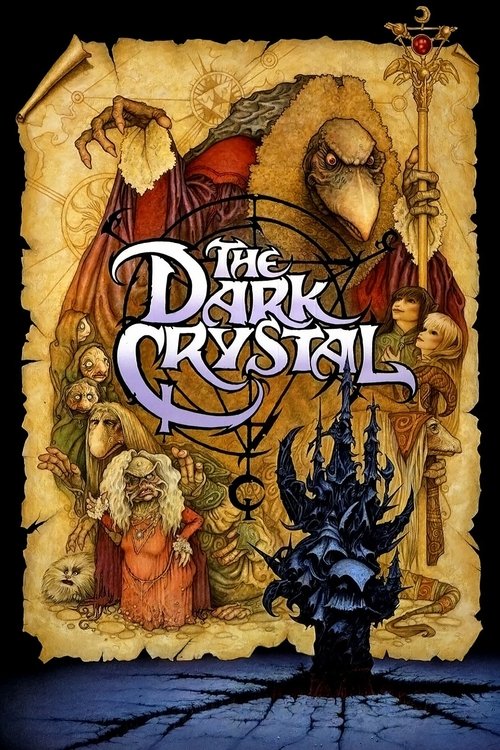
The Dark Crystal1982
Henson and Oz create a fully realized secondary world with the same tactile commitment Ward brings to medieval and modern New Zealand. Dark, beautiful, and utterly committed to its own logic.
But Puppetry-based fantasy from the 1980s: production design that reads as alien rather than timeless. Might feel dated if you're not prepared to meet it on its own terms.
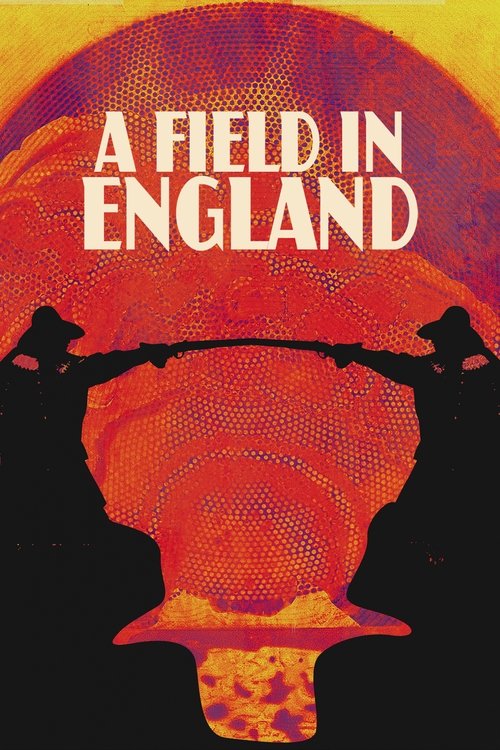
A Field in England2013
Ben Wheatley's black-and-white Civil War fever dream uses genre constraints to excavate psychological terror, much as Ward uses his time-slip conceit. Haunting, formally inventive, and genuinely disturbing.
But Deliberately obscure and hostile to interpretation. The narrative is fractured; meaning resists extraction. Arthouse horror is not for everyone.
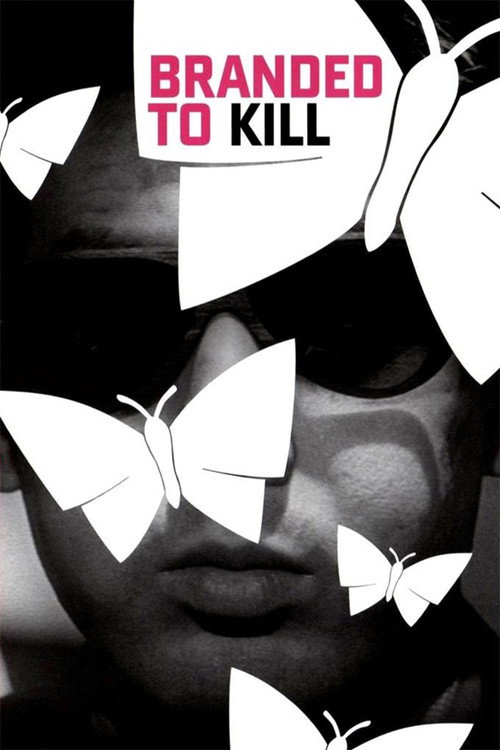
Branded to Kill1967
Suzuki's delirious yakuza film abandons realism in favor of dream logic and visual surrealism—a direct ancestor to Ward's approach. Every frame demands attention; it trusts you to find your own meaning.
But Plot is nearly incomprehensible and matters less with every scene. Extreme stylization can read as pretension rather than artistry.
Come and See1985
Elem Klimov's vision of World War II as apocalyptic nightmare shares Ward's willingness to let spiritual and historical horror coexist on equal terms. Unforgettable and genuinely important.
But Profoundly, relentlessly brutal. This is not entertainment. It documents suffering with such intensity that many viewers will find it unwatchable.

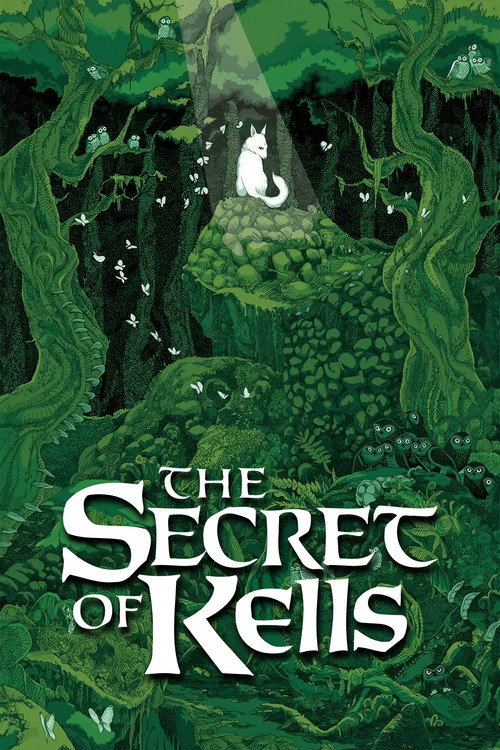
The Secret of Kells2009
Cartoon Saloon's hand-drawn medieval fantasy mirrors Ward's visual poetry and mythic sensibility. Irish folklore, stunning design, and genuine wonder about the collision between worlds.
But Animated family film aesthetics may undercut the gravitas you came for. Shorter and sweeter than The Navigator; less willing to sit with darkness.
Paprika2006
Satoshi Kon's dream-infiltration thriller shares Ward's fascination with worlds bleeding into each other. Kaleidoscopic, inventive, and formally dazzling in ways that expand what cinema can do.
But Relies on editing and visual metaphor rather than character or plot. Its beauty can feel exhausting rather than nourishing if you're not in sync with its energy.

The Florida Project2017
Both films insist on the full humanity and interior lives of characters the world has already written off. Ward's medieval villagers and Baker's motel children occupy similar moral spaces in their respective storytellers' vision.
Sean Baker's love letter to economically disposable children shot in sumlit color—the inverse of Ward's plague-dark monochrome, but with the same moral seriousness about the marginalized. Heartbreaking and radiant.
But Narratively slight, told from a child's perspective with gaps adults expect filled. And it argues that beauty persists in American poverty, which some will resist as complicit.

People
Cast
 Bruce LyonsConnor
 Chris HaywoodArno
- Hamish McFarlaneGriffin
 Marshall NapierSearle
 Noel ApplebyUlf
 Paul LivingstonMartin
 Sarah PeirseLinnet
- Mark WheatleyTog 1
- Tony HerbertTog 2
- Roy WesneyGrandpa
- Kathleen-Elizabeth KellyGrandma
Directing
- Vincent WardDirector
- Greg StittFirst Assistant Director
- Robin MurphySecond Assistant Director
- Christine HaeblerThird Assistant Director
Writing
- Vincent WardIdea
- Geoff ChappleWriter
- Kely LyonsWriter
- Vincent WardWriter
Production
- Diana RowanCasting
- Gary HannamCo-Producer
- Gary HannamExecutive Producer
- John MaynardProducer
- Godfrey HallProduction Manager
- Murray FrancisProduction Supervisor