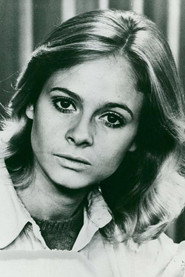
Film
Venusberg
A 1963 German ensemble drama that gathers seven women at a remote mountain villa, where class, desire, and survival collide. Deliberately paced, visually composed, and quietly obsessed with how women navigate power when men aren't watching. For viewers drawn to character studies that feel like pressure chambers.
Should you watch it?
Watch it if you like slow, stylized portraits of women sharing a closed world, where mood and atmosphere matter more than a plot that barrels forward.
Skip it if you need a clear narrative spine or characters you can settle into, since seven women sharing one isolated location can leave individual threads feeling thin.
What it asks of you: Patience with rooms and silences; at eighty-eight minutes it is short, but it lingers over looks and small gestures rather than hurrying between events.
Not sure? Find tonight's pick in a minute.
If you liked this
Pandora's Box1929
Silent German cinema's most electrifying portrait of a woman who destroys everything around her. Lulu is not redeemable or comprehensible—she simply exists, and Pabst lets her wreck the frame. Magnetic and cruel.
But Silent film requires patience. The intertitles are period-specific in their syntax, and no one moves or emotes the way contemporary actors do. The ending is grim.

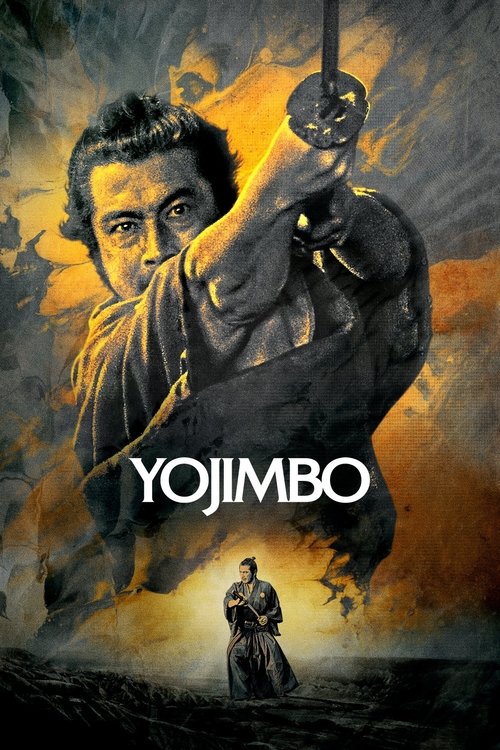
Yojimbo1961
Melville's ice-cold thriller about a hitman moving through Paris like a ghost. Every frame is composed as if by someone who understands geometry and dread. Alain Delon barely blinks for 105 minutes. Pure style as substance.
But Nothing happens for long stretches. If you need plot momentum or emotional release, this will feel like watching someone organize a filing cabinet. The cool can feel remote.
The Manchurian Candidate1962
Political paranoia thriller where power corrupts in slow-motion. Sinatra, Harvey, and Lanchester orbit each other with visible tension. It's a machine designed to make you queasy, and it still works.
But The gender politics are unexamined and deeply uncomfortable. The pacing sags in the middle, and some plot threads resolve too conveniently for what precedes them.

Not sure tonight? Get a pick in a minute, starting from Venusberg
The wildcard
Something you would not have found on your own.
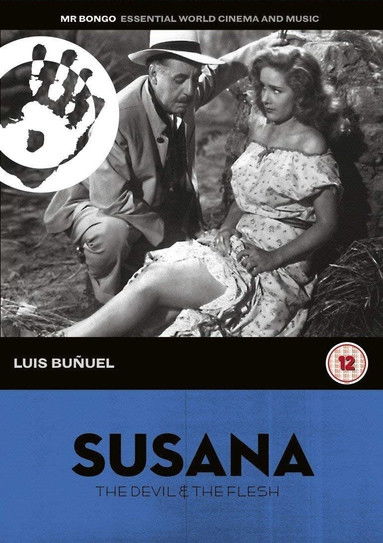
Susana1951
Both films trap women in male-designed spaces and watch power collapse into desire. Both use isolation to reveal what's beneath civility. Both are visually composed rather than naturalistic.
Buñuel's cruelly funny Mexican melodrama about a woman who arrives at an isolated hacienda and seduces every man into chaos. Darkly erotic, visually sumptuous, and morally slippery. Buñuel sees women's desire as genuinely dangerous—a radical position for 1951.
But The dubbing is distracting, the prints are often damaged, and the pacing is operatic rather than naturalistic. The sexual politics are transgressive but also deeply misogynistic. Not always easy to locate.
More like this (7)
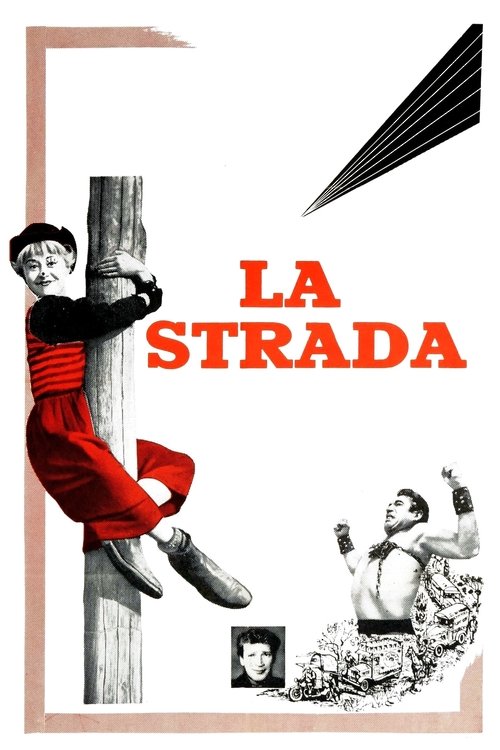
La Strada1954
Fellini's heartbreaking road film about a young woman sold to a strongman and his journey to see her as human. It's tender and brutal at once. The circus setting is gorgeous and grotesque. You'll think about it for weeks.
But Very slow. Giulietta Masina's performance will either devastate you or exhaust you—there's no middle ground. The ending is not a comfort.
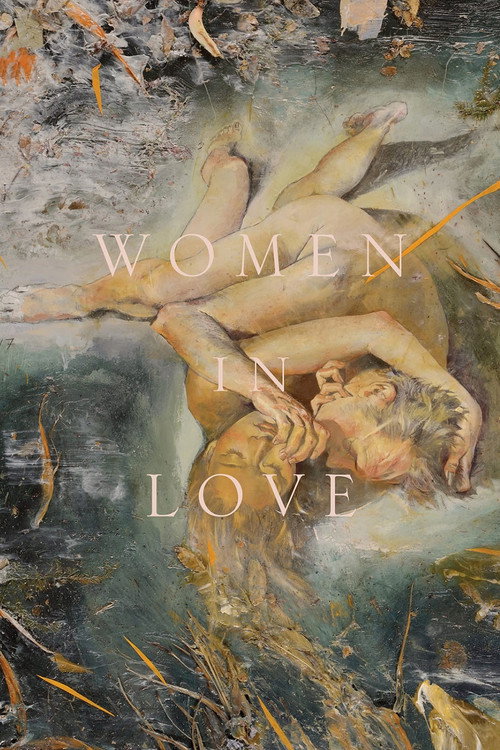
Women in Love1969
Russell adapts Lawrence with actual bodies and actual desire. Two couples navigate love, sexuality, and class in a film that feels genuinely dangerous. The cinematography is lush. Glenda Jackson is superb.
But The sexual content was shocking in 1969 and still reads as frank. The philosophical dialogue can feel purple. The tone wobbles between naturalism and hysteria.
Jeanne Dielman, 23, quai du Commerce, 1080 Bruxelles1976
Chantal Akerman's three-hour portrait of a woman's domestic routine filmed in real-time. Radical, hypnotic, and quiet—by the end you understand texture and time differently. Essential if you care about cinema as art.
But Three hours watching someone cook, clean, and do laundry. If you need narrative momentum or emotional beats, this will feel like punishment. Patience required in quantities most films don't demand.

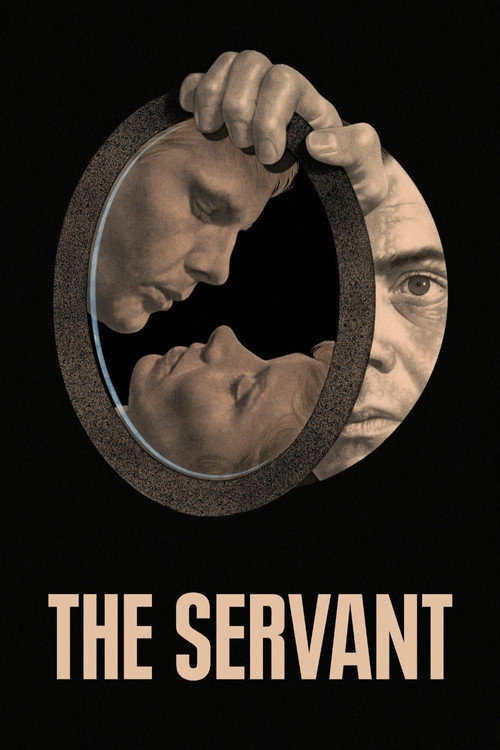
The Servant1963
Losey's masterpiece about a class relationship that curdles into something sick. Dirk Bogarde and James Fox circle each other like predators. The composition is suffocating. Every frame suggests corruption beneath the surface.
But Ambiguous about what's actually happening—the script doesn't resolve who has power when. Black and white can feel austere. The homoerotic subtext is never stated, which some find frustrating.
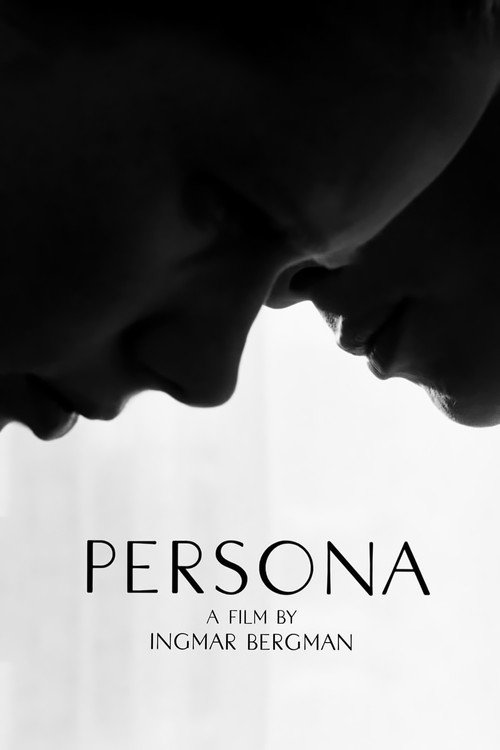
Persona1966
Bergman's two-hour chamber piece about an actress who stops speaking and the nurse sent to care for her. Hypnotic, unsettling, and genuinely strange. The cinematography is extraordinary. You won't know what you've seen, but you'll feel it.
But Deliberately obscure. Symbols layer over symbols. The second half becomes almost abstract. If you need clarity or resolution, Bergman will not provide it. Exhausting on first viewing.
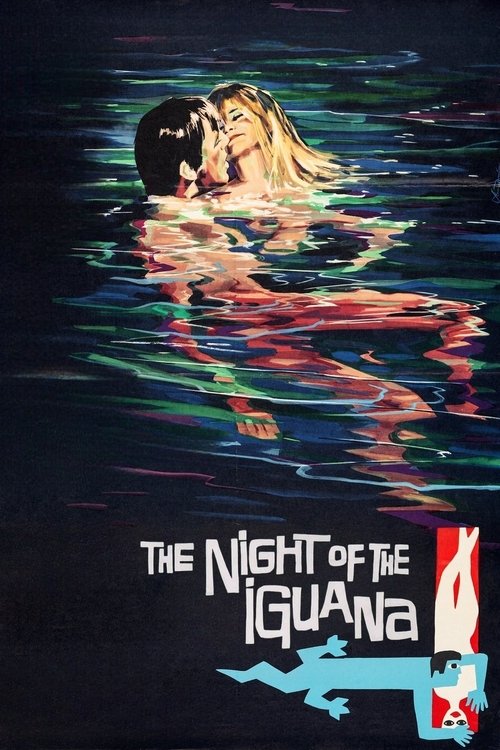
The Night of the Iguana1964
Both are ensemble pieces about strangers trapped in a contained space where class, gender, and desire become the only currency. Both use landscape—mountain versus jungle—as a character itself.
Ray's final film: Tennessee Williams in a Mexican hotel where desire, faith, and desperation tangle in the heat. Richard Burton, Ava Gardner, and Sue Lyon orbit a defrocked priest. Baroque, sweaty, and genuinely erotic. Ray's compositions are painterly.
But The adaptation truncates Williams badly. Burton's accent wavers. The sexual politics are deeply of their moment and uncomfortable now. Melodrama laid on thick enough to feel overwrought.
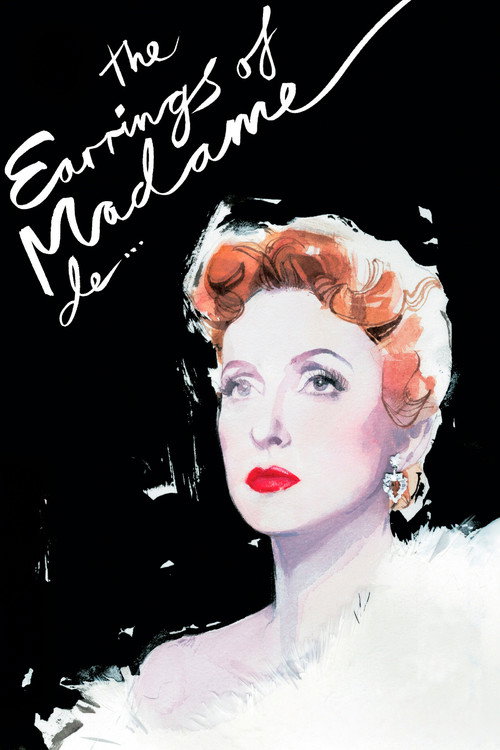
The Earrings of Madame de...1953
Both are about women in sophisticated spaces navigating power through objects, appearance, and seduction. Both understand that women's agency often works obliquely. Both are composed with mathematical precision.
Ophüls' supreme comedy of manners: a diamond earring becomes an obsession that destroys a marriage. Tracked by camera, every gesture deliberate, every line a trap. Danielle Darrieux is magnificent. Formally perfect—you've never seen form this tight.
But The camera moves constantly, which some find dizzying. The emotional core is ice-cold; there's no one to root for. The film is about surfaces—if you need depth, you won't find it. Black and white, subtitled, over seventy years old.
People
Cast
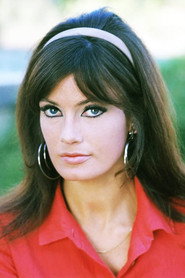 Marisa MellFlorentine
- Nicole BadalPony
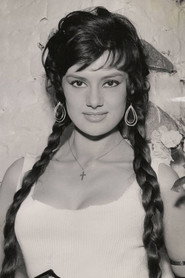 Ina DuschaInge
- Claudia MarusVera
- Jane AxellRuth
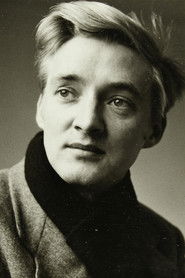 Oskar WernerDer Mann (Stimme)