
Film
House of Strangers
A ruthless Italian-American banker loses everything when his sons turn against him. Edward G. Robinson commands this tight 1949 noir about ambition, loyalty, and the cost of power within a family business. It's propulsive and darkly satisfying—a reminder that moral rot spreads from the top down.
Should you watch it?
Watch it if you like brooding postwar crime stories built on bitter family rivalry and sharp, talky dialogue, the kind where every grudge feels inherited.
Skip it if you want fast action or a lot of set pieces, since it moves at a deliberate pace and leans on long, pointed conversations over spectacle.
What it asks of you: Roughly an hour and forty minutes, mostly in rooms full of tense talk and cigar smoke, with close attention paid to who is lying to whom.
Not sure? Find tonight's pick in a minute.
If you liked this
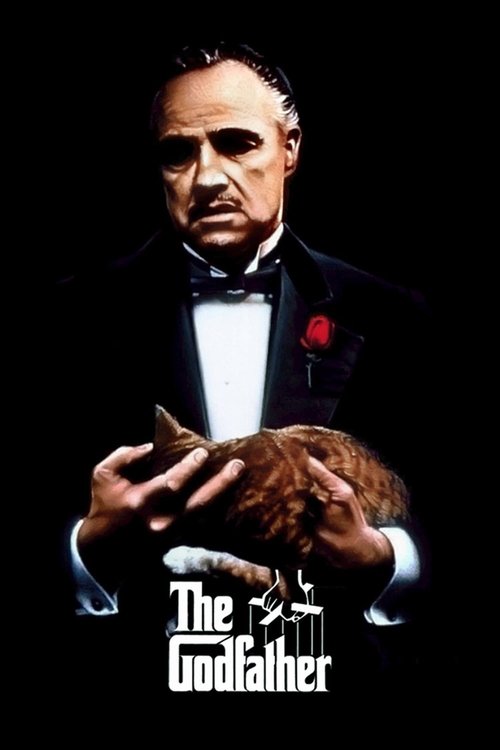
The Godfather1972
The definitive saga of an empire built on crime and the sons who inherit it. Robinson's Monetti foreshadows Vito Corleone's struggle with legacy and family fracture across generations.
But Three-and-a-half hours, and the sequels demand commitment. Some find it slow despite its iconic status.
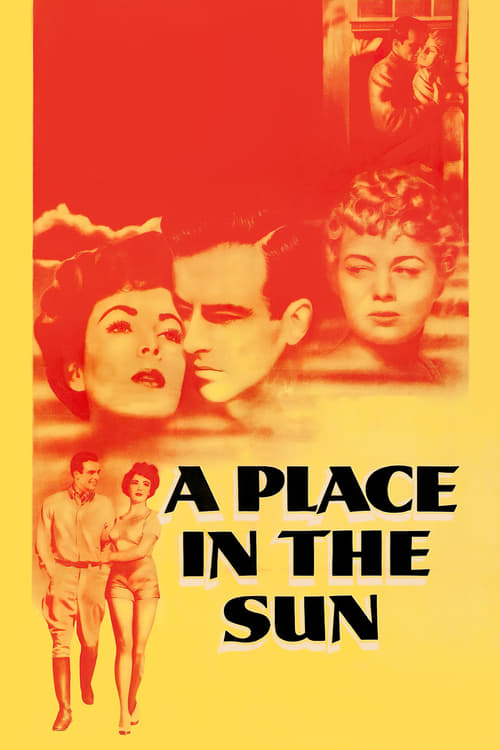
A Place in the Sun1951
Montgomery Clift as a man caught between worlds—ambition and morality in postwar America. Like Strangers, it's about the corrosive pull of wanting more than you can ethically have.
But The pacing is measured and the ending is bleak. It requires patience with melodrama.
In a Lonely Place1950
Humphrey Bogart as a volatile man whose nature destroys everything around him. Same era, same moral darkness, same exploration of a man's inability to escape himself.
But It's more character study than plot. The misogyny, while period-accurate, is difficult to watch.

Not sure tonight? Get a pick in a minute, starting from House of Strangers
The wildcard
Something you would not have found on your own.
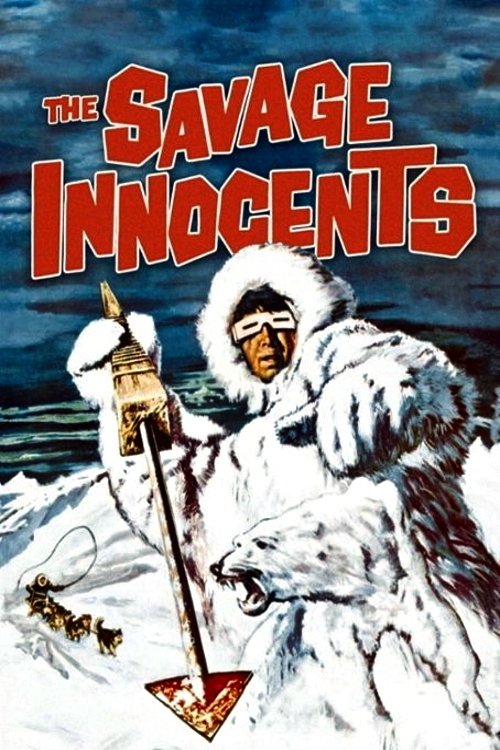
The Savage Innocents1960
Both centre on a proud, rigid patriarch whose refusal to bend becomes his undoing—but where Monetti is corrupted by greed, this man is destroyed by history itself.
An Inuit father fights the encroaching world to protect his family's way of life. Like Monetti, it's about a man whose code becomes obsolete, about the collision between an older order and a new one.
But Shot in the Arctic, the pacing is glacial and meditative. If you want propulsion, this strips it away.
More like this (8)
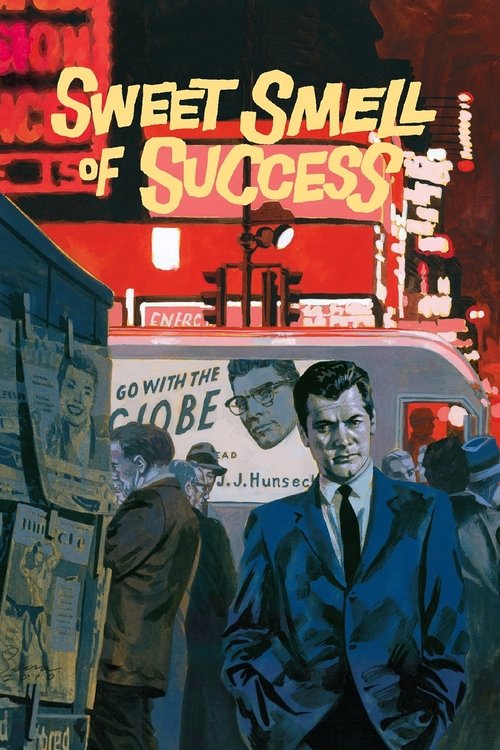
Sweet Smell of Success1957
Vicious, cynical, and beautifully written. Two men locked in mutual corruption on the streets of New York. The moral rot is so complete it becomes almost comedic.
But The slang is dense and sometimes impenetrable. The villainy is relentless with no sympathetic characters.
The Asphalt Jungle1950
The blueprint for every heist-gone-wrong and crime-family story after it. Taut, influential, and full of the same working-class urgency Robinson brought to Strangers.
But It's machinery rather than psychology—very plot-driven, light on character depth.

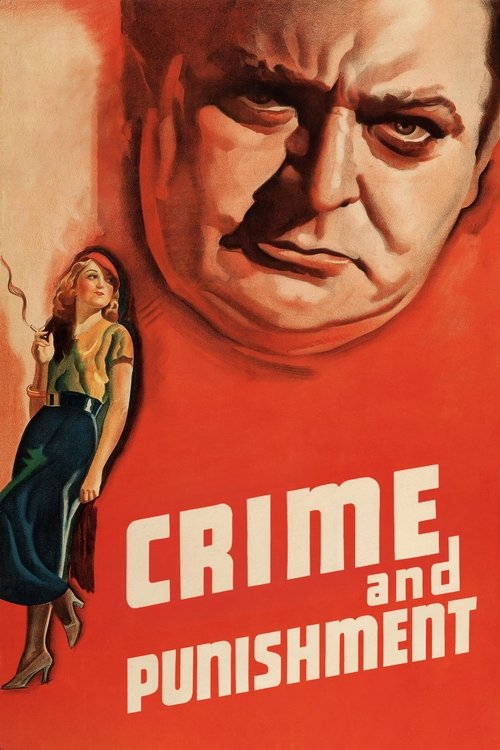
Crime and Punishment1935
Peter Lorre spiraling after committing murder. Dostoyevsky's exploration of guilt and isolation translated into American noir. The internal collapse mirrors Robinson's trajectory.
But Adapted from dense source material and sometimes feels rushed. The production values are thin.
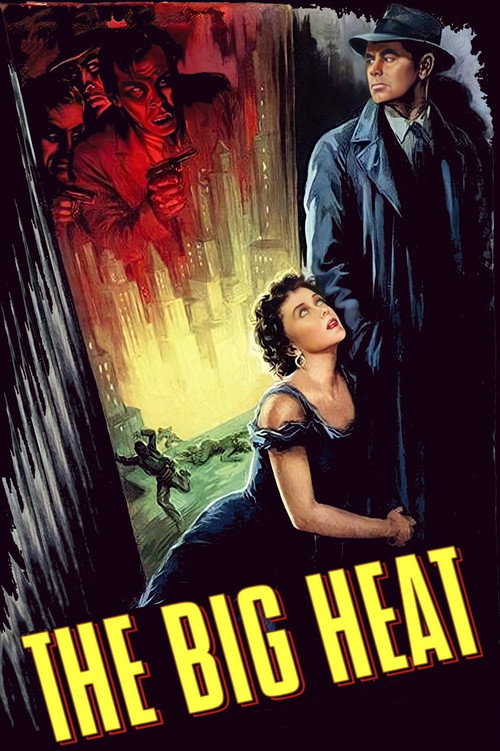
The Big Heat1953
Fritz Lang's tale of a decent man corrupted by revenge. It has the same family-as-battleground theme and explores how betrayal can metastasize into violence.
But The violence against women is shocking and exploitative by modern standards, even for noir.
The Killing1956
Kubrick's fragmented heist film about men undone by their own schemes. It shares Strangers' interest in how partners become enemies when stakes get high.
But The non-linear structure can feel gimmicky. Some scenes drag.

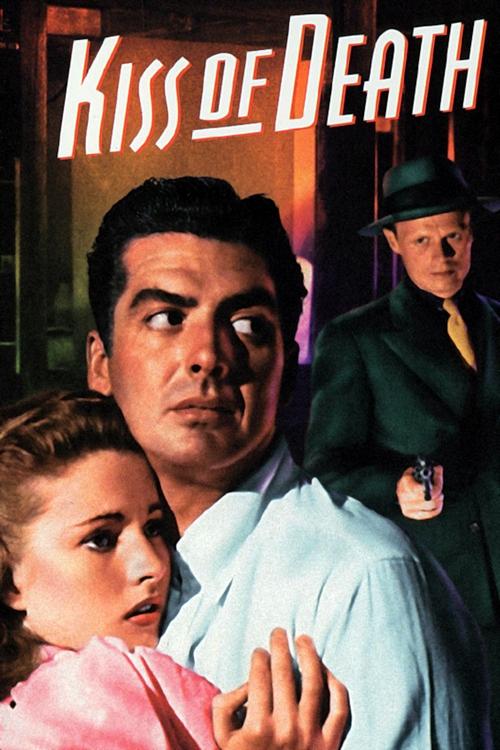
Kiss of Death1947
Richard Widmark's psychotic performance is volcanic. It's about the underworld eating itself—informants, families torn apart by loyalty and survival.
But The supporting female characters are thinly written. It's more interested in the criminal world than in nuance.
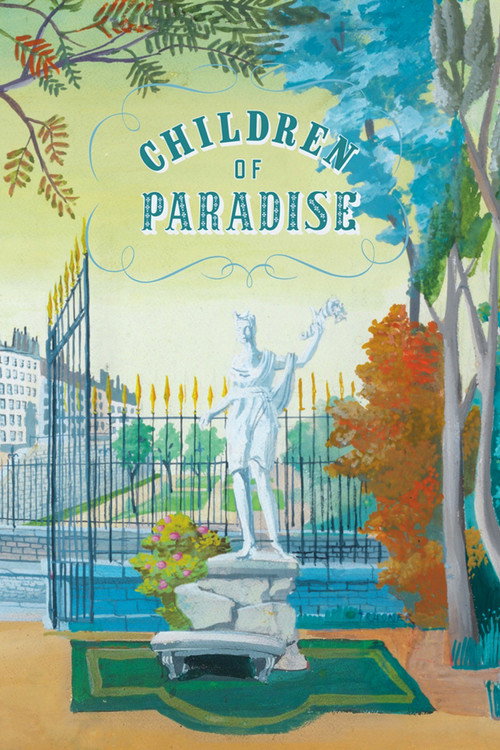
Children of Paradise1945
Both are about the theatre of family life—how we play roles for each other, how the performance can become the prison. Monetti performs authority; here, everyone performs desire.
Carné's masterpiece about actors and thieves in occupied Paris. A sprawling, romantic exploration of how performance and deception bind people together. Utterly transporting.
But It's three hours in French with subtitles. The narrative is diffuse and requires active attention.
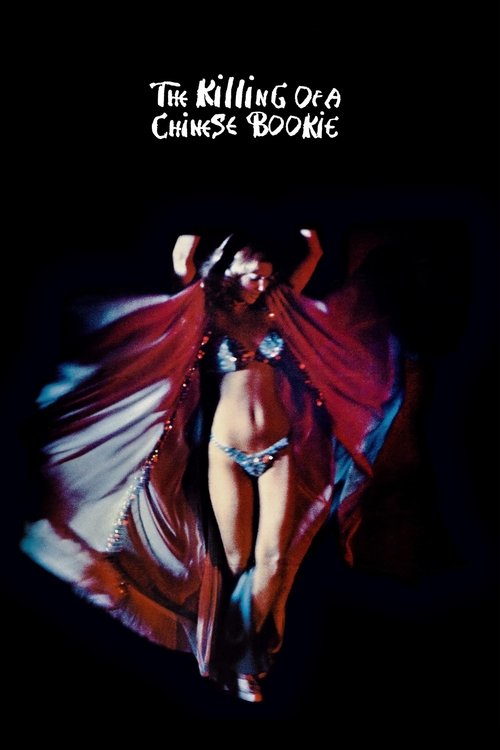
The Killing of a Chinese Bookie1976
Both trap a man in a system of debt and obligation that he cannot escape or even properly understand. But where Monetti is calculating, Bookie's protagonist is lost inside his own life.
Cassavetes' reckless masterpiece: a nightclub owner in debt to the mob. Raw, improvised, hypnotic. The same suffocating pressure as Strangers—debt, obligation, the noose tightening.
But The dialogue overlaps, the editing is chaotic, it feels like watching someone's nervous breakdown. Mainstream audiences find it bewildering and exhausting.
People
Cast
 Edward G. RobinsonGino Monetti
 Susan HaywardIrene Bennett
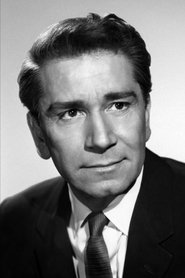 Richard ConteMax Monetti
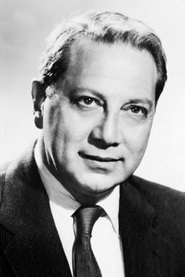 Luther AdlerJoe Monetti
 Paul ValentinePietro Monetti
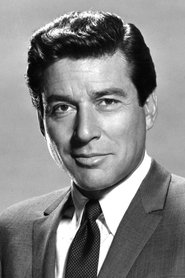 Efrem Zimbalist Jr.Tony Monetti
 Debra PagetMaria Domenico
 Hope EmersonHelena Domenico
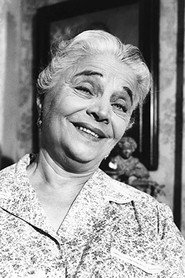 Esther MinciottiTheresa Monetti
 Diana DouglasElaine Monetti
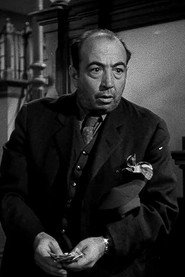 Tito VuoloLucca
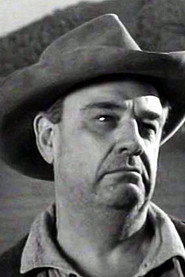 Fred AldrichConstruction Worker (uncredited)
Directing
- Joseph L. MankiewiczDirector
Writing
- Jerome WeidmanNovel
- Philip YordanWriter
Production
- Sol C. SiegelProducer