
Film
I, Pierre Rivière, Having Slaughtered My Mother, My Sister and My Brother…
- Crime
- Period drama
- Very dark
- Strange
- Slow-burning
A 1976 reconstruction of an 1835 rural murder case, told through multiple voices and Foucault's archival research. Cast with actual villagers from Normandy, it's a haunting essay-film about how we construct truth from fragments—part drama, part philosophical inquiry, entirely unnerving. For those willing to sit with discomfort and ambiguity.
If you liked this
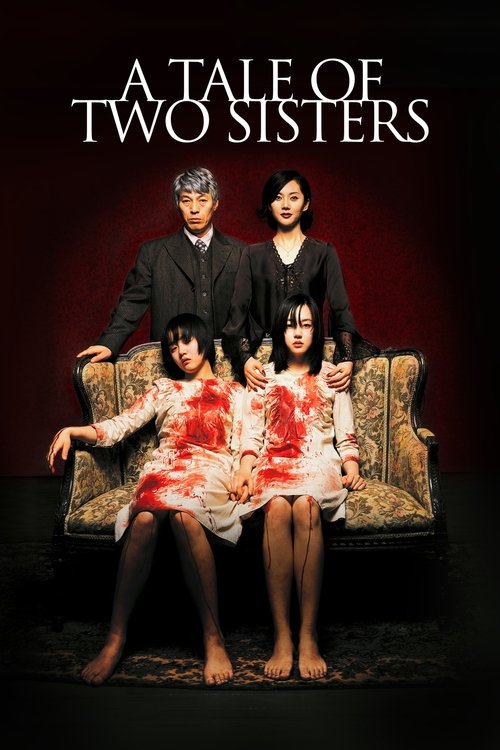
A Tale of Two Sisters2003
Korean horror reconstructing family trauma through formal precision and fractured perspectives. Shares Rivière's interest in unreliable narration and how violence echoes through domestic space in ways we don't immediately understand.
But Deliberately cryptic. The film withholds explanation; you leave with questions rather than clarity, which some find frustrating rather than enriching.
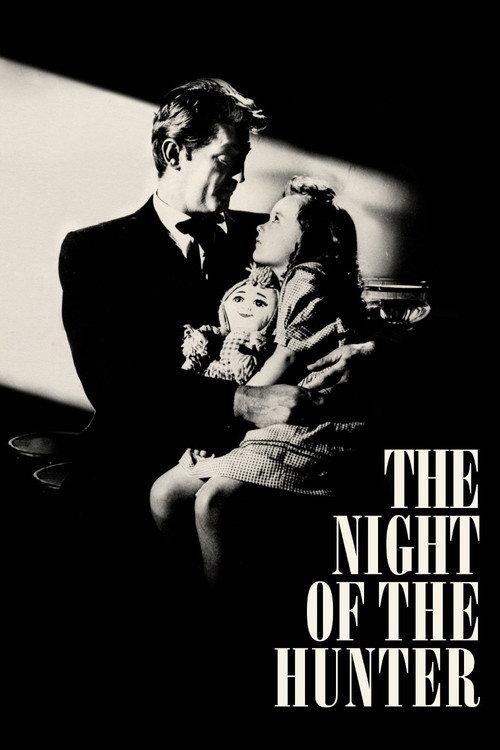
The Night of the Hunter1955
Violent obsession and rural Gothic nightmare told with dreamlike intensity. Charles Laughton's only directorial feature captures something close to Rivière's mood: a world where evil wears a familiar face and children understand danger adults deny.
But Visually baroque and symbolism-heavy. If you prefer restraint to expressionism, the film's theatrical quality might feel overwrought.
Come and See1985
Devastating Soviet film about a boy witnessing WWII atrocity. Uses documentary-like immersion to make horror visceral and philosophical at once. Both films refuse to sentimentalize their subjects or let you look away.
But Genuinely punishing to watch. Not recommended if you're already struggling—this is cinema as moral confrontation, not comfort.

Not sure tonight? Get a pick in a minute, starting from I, Pierre Rivière, Having Slaughtered My Mother, My Sister and My Brother…
The wildcard
Something you would not have found on your own.
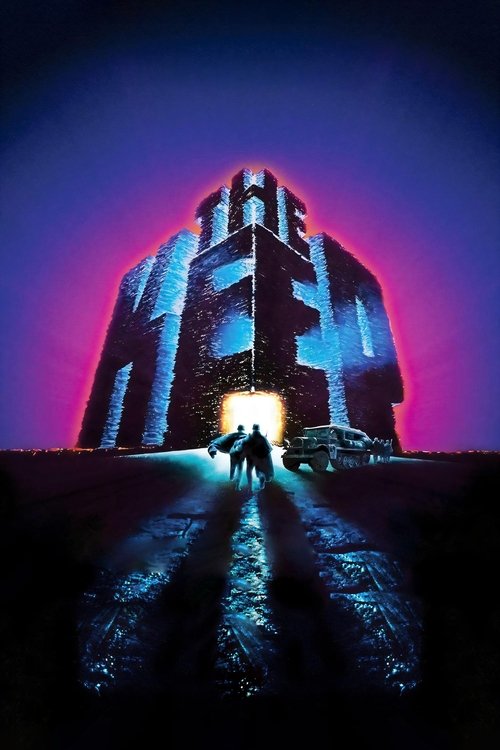
The Keep1983
Both films use visual and structural strangeness to insist that straightforward moral judgment is impossible in the presence of real violence.
Michael Mann's bewildering supernatural horror set in WWII, shot by Vittorio Storaro with painterly abstraction. Shares Rivière's interest in moral ambiguity and uses formal precision to make violence feel mythic and archetypal rather than simply brutal.
But Genuinely incoherent as narrative; Mann re-edited it against his will. Beautiful and bizarre, but you may finish it baffled about what you actually watched.
More like this (6)
Stalker1979
Tarkovsky's philosophical science-fiction meditation on desire and meaning. Shares Rivière's patience with ambiguity and its willingness to bore you into transcendence, treating metaphysics as film's true subject.
But Hypnotic but glacial. Scenes hold for minutes with minimal dialogue. Requires active surrender rather than passive consumption; many give up.

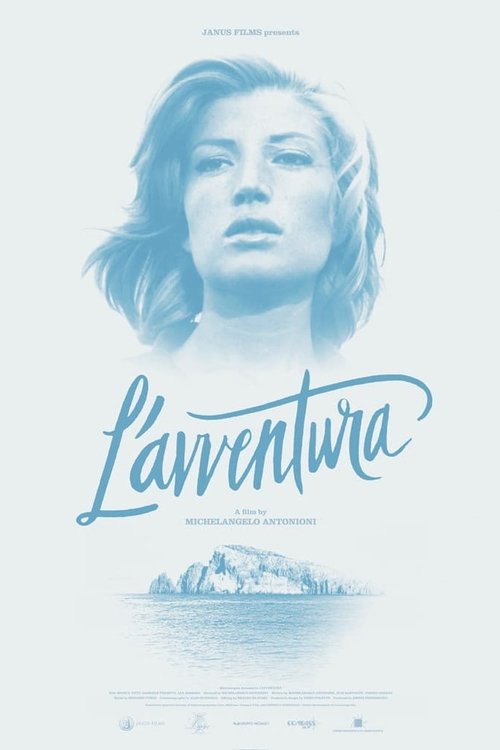
L'Avventura1960
Antonioni's investigation into alienation and truth. A woman vanishes; the film becomes an inquiry into how we narrate absence and what we actually know about anyone. Tone and structure aligned with Rivière's philosophical skepticism.
But Plot-light and emotionally cool. Shot in long, distant frames that some read as detachment; if you need warmth or dramatic catharsis, it won't deliver.
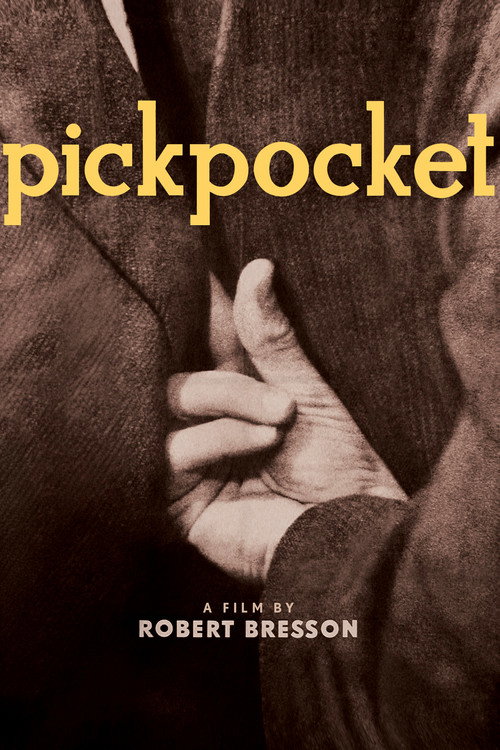
Pickpocket1959
Bresson's austere study of crime and redemption. Uses real Paris locations and non-professional faces to build moral complexity from theft and prayer. Rivals Rivière for spiritual and formal purity.
But Sparse to the point of asceticism. Dialogue is minimal, music absent, action understated. Demands you bring emotional weight yourself.
The Act of Killing2012
Documentary where Indonesian death-squad perpetrators re-enact their own crimes. Like Rivière, it uses reconstruction to investigate truth and asks what happens when witnesses become actors in their own testimony.
But Morally vertiginous and sometimes feels exploitative of its subjects. The film's refusal to judge creates unease that doesn't resolve cleanly.

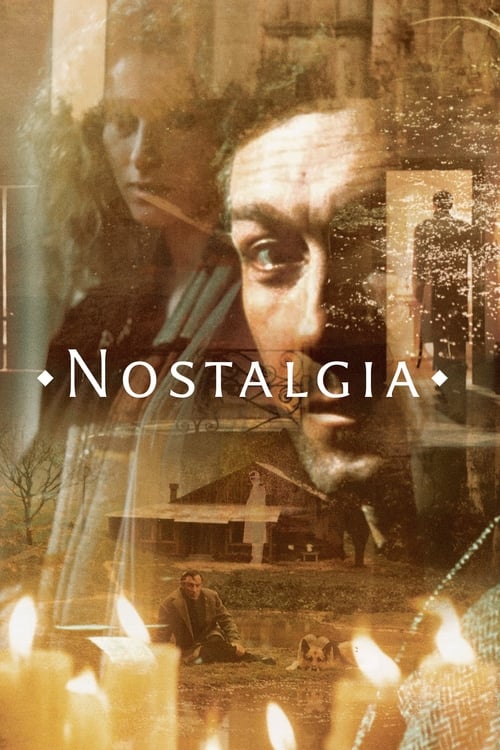
Nostalgia1983
Tarkovsky's meditation on exile, memory, and spiritual homesickness. Prose-like pacing and philosophical drift echo Rivière's refusal to move quickly toward resolution; both films treat time as the real subject.
But Extremely long and entirely interior. Very little happens; if you need incident or emotional peaks, you'll find mostly plateaus and static water shots.
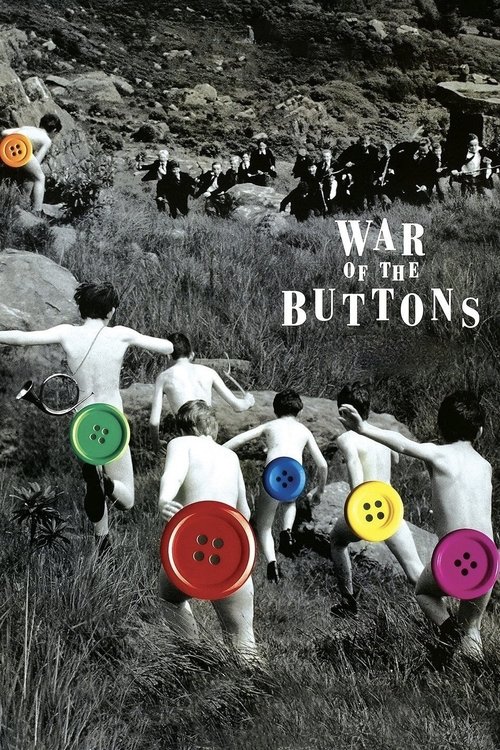
War of the Buttons1994
Both cast locals and use observational cinema to render violence as a natural fact of human community, neither condemned nor celebrated, simply shown.
Yuri Bezrukov's Russian reimagining of a children's book as a haunting study of rural childhood and tribal violence. Shot in documentary style with non-professional young actors. Childhood warfare treated with ethnographic seriousness rather than whimsy—savage and beautiful.
But Slow, deliberately paced, and tonally strange. Mixes documentary realism with something almost mythic, which some experience as pretentious or alienating rather than profound.
People
Cast
- Claude HébertPierre Rivière
- Jacqueline MilliereMeme Rivière
- Joseph LeportierMr. Rivière
- Annick GehanAimée
 François RegnaultCast member
Directing
- Gérard MordillatAssistant Director
- Nicolas PhilibertAssistant Director
- René AllioDirector
- Marie-Hélène QuintonScript Supervisor
Writing
- Michel FoucaultBook
- Jean JourdheuilScreenplay
- Pascal BonitzerScreenplay
- René AllioScreenplay
- Serge ToubianaScreenplay
Production
- Jochen D. GirschAssistant Unit Manager
- Fanny BerchauxConsulting Producer
- René FéretDelegated Producer
- Michelle PlaaProduction Manager
- Ginette TomaselProduction Secretary
- Bernard BouixUnit Manager