
Film
Memories on Stone
A Kurdish film about two childhood friends attempting to make a documentary about the 1988 Anfal genocide in Iraq. Shot in the region itself, it's a meditation on trauma, identity, and the risks of bearing witness through cinema. Urgent and intimate—for viewers drawn to films that treat historical atrocity with both anger and tenderness.
If you liked this
A Prophet2009
A prison drama that builds moral complexity through observation rather than speechmaking. Like Memories on Stone, it trusts the camera to reveal character through restraint and proximity, and asks what it costs to survive with integrity intact.
But It's French, subtitled, and moves at a measured pace that demands patience. The prison setting may feel claustrophobic if you're looking for something lighter.

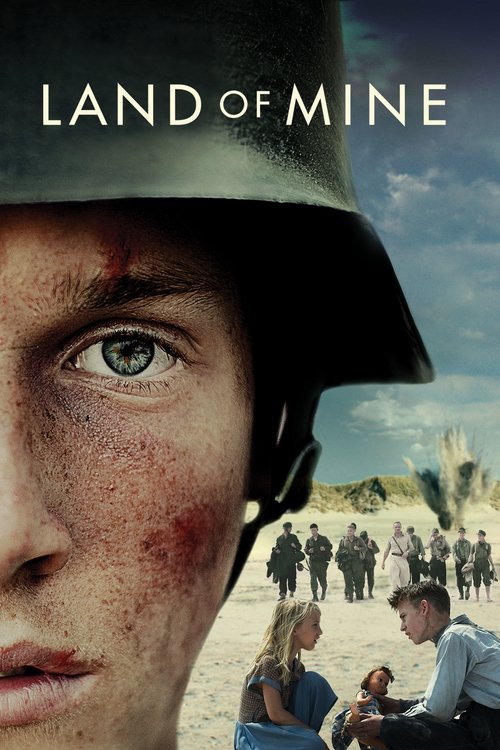
Land of Mine2015
A Danish film about German soldiers forced to clear mines after WWII. It shares Memories on Stone's unflinching engagement with historical wound and its refusal to simplify perpetrators or survivors into easy categories.
But The premise is grim and the film doesn't look away from suffering. It can feel punishing rather than cathartic.
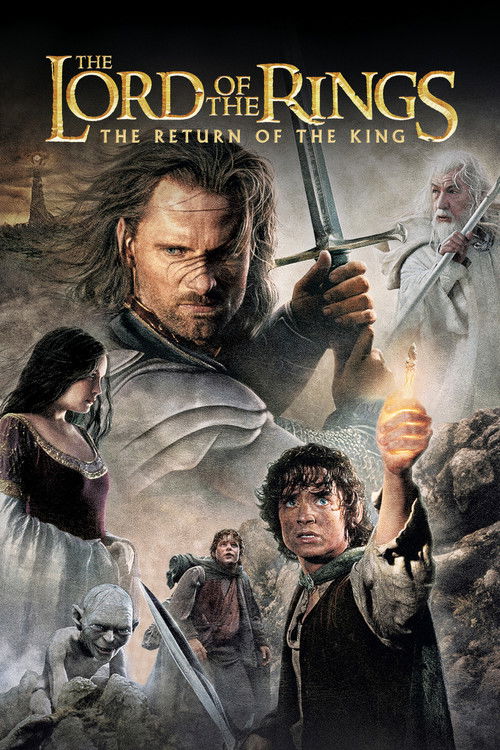
The Lord of the Rings: The Return of the King2003
Andrei Zvyagintsev's masterpiece about two brothers meeting their absent father. Like this film, it finds profound meaning in silence and gesture, and examines how trauma shapes identity across generations without ever becoming sentimental.
But It's oblique and glacially paced. If you need plot clarity or emotional catharsis spelled out, this will frustrate you.
Not sure tonight? Get a pick in a minute, starting from Memories on Stone
The wildcard
Something you would not have found on your own.
Sans Soleil1983
Both use film as a form of historical testimony when official narratives are inadequate or dangerous. Both argue that the camera itself becomes a political act.
Chris Marker's essay film about memory, travel, and political history told through images and voiceover. It shares Memories on Stone's conviction that cinema can hold contradictions, and that bearing witness is an act of resistance against forgetting.
But It has no plot, little dialogue, and deliberately fragmentary structure. It's closer to poetry than narrative. Most viewers will find it impenetrable.

More like this (7)
Under the Skin2014
Jonathan Glazel's film uses landscape and silence as characters. Both films treat place—Scotland here, Kurdistan there—as inseparable from human experience and use cinematic language to suggest what cannot be said directly.
But It's experimental and deliberately alienating. Watching it feels like an endurance test rather than a story, and that's intentional.

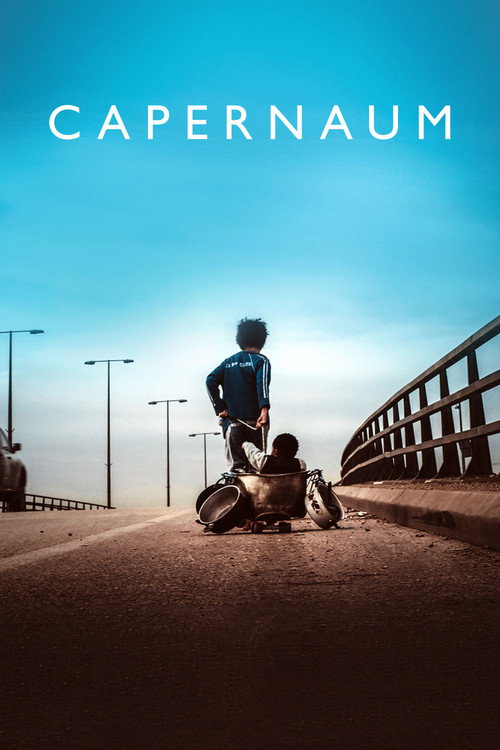
Capernaum2018
A Lebanese film about childhood survival in Beirut. It shares Memories on Stone's rage at systemic injustice and its unflinching documentation of how children navigate impossible circumstances with dignity and humor.
But The handheld camerawork is deliberately destabilizing and the subject matter—child trafficking, poverty—is deliberately difficult. Not for viewers seeking escape.
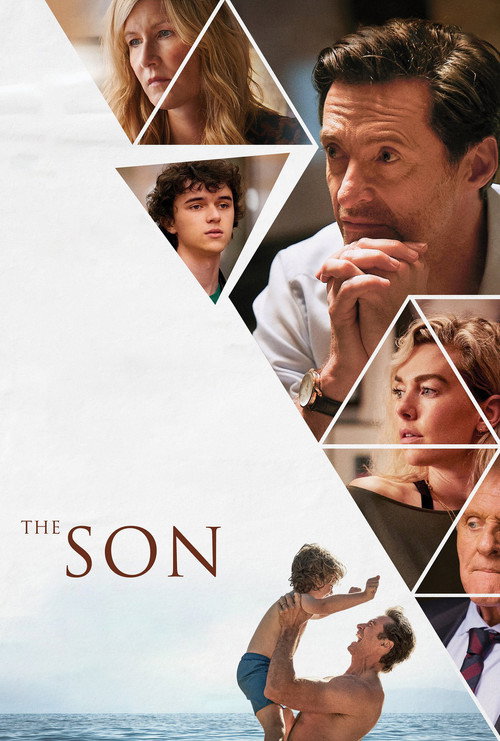
The Son2022
Florian Zeller's film about a father trying to reach his suicidal son. Both films understand that some wounds cannot be healed, only witnessed. Both demand you sit with discomfort rather than resolve it.
But It's emotionally brutal and the narrative is fractured deliberately. It can feel more like therapy than entertainment, which some will find valuable and others exhausting.
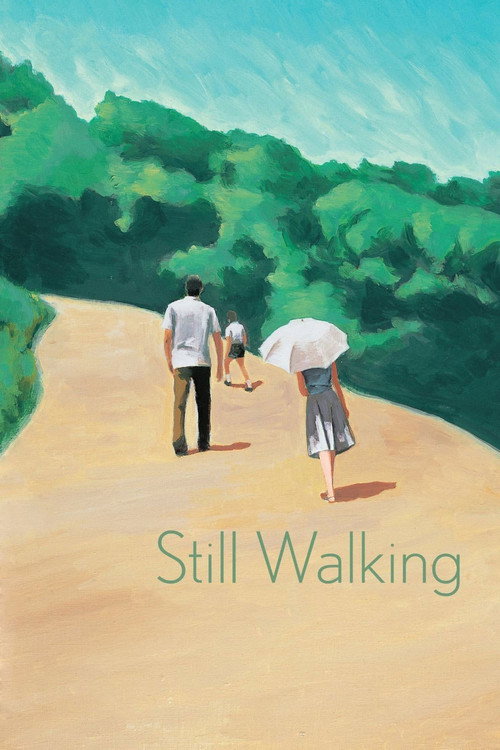
Still Walking2008
Hirokazu Kore-eda's film about a family gathering haunted by the loss of a son decades earlier. Like Memories on Stone, it understands that trauma doesn't end—it accumulates, reshapes, and becomes part of how we move through the world.
But Almost nothing happens. It's a film about the weight of memory rendered through ordinary moments. If you want plot propulsion, look elsewhere.
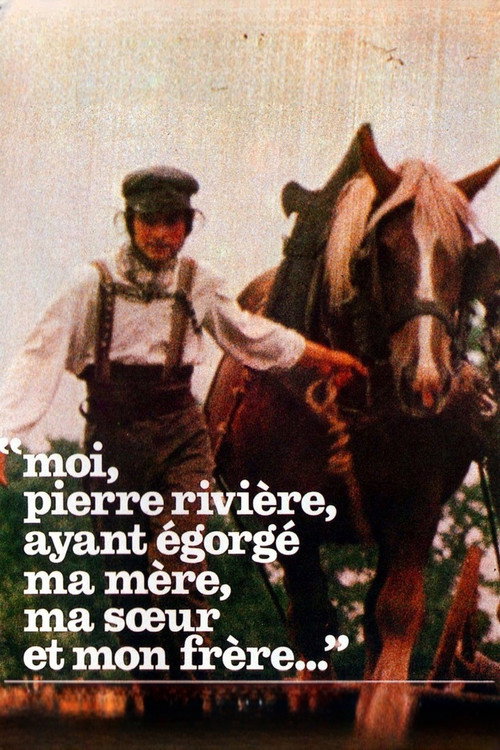
I, Pierre Rivière, Having Slaughtered My Mother, My Sister and My Brother…1976
A German film about siblings reckoning with inherited family trauma and their own fractured relationship. Both films understand that personal and historical wounds are inseparable, and that healing requires naming what has been buried.
But It's emotionally exhausting and the resolution is tentative rather than triumphant. Some will find that honest; others will want more closure.
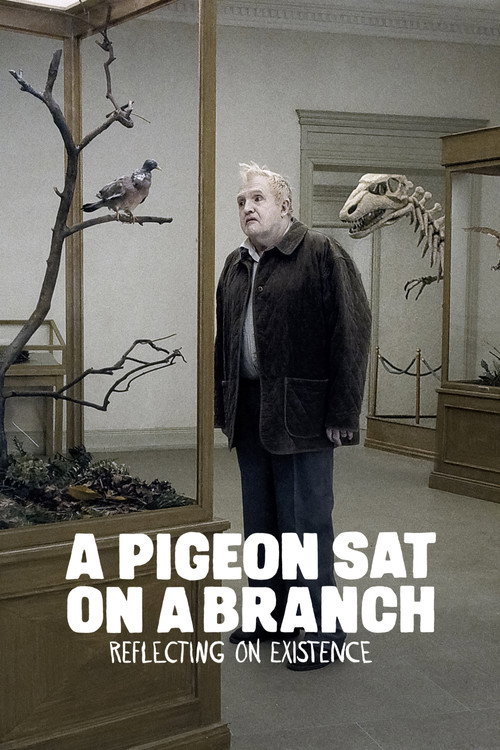
A Pigeon Sat on a Branch Reflecting on Existence2014
Both films made in 2014 grapple with how to represent historical suffering when direct representation fails. One chooses restraint and proximity; the other chooses estrangement and surrealism. Both are right.
Roy Andersson's surrealist Swedish film uses deadpan absurdism to meditate on suffering, history, and what survives us. Unlike Memories on Stone's direct engagement with trauma, this approaches historical and personal wound through the sideways logic of dark comedy.
But It's deliberately bizarre and funny in ways that will baffle if you're expecting straightforward drama. The humor can read as detached or cruel to political atrocity.
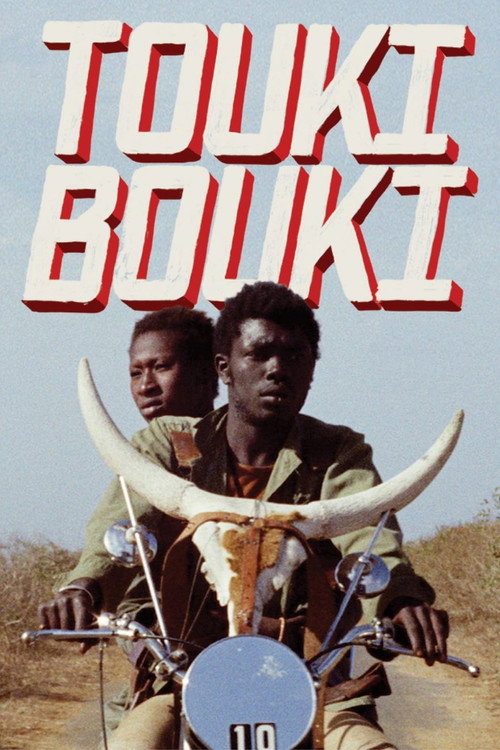
Touki Bouki1973
Both films are made from within cultures marked by colonialism and dispossession, and both refuse to make suffering legible to external audiences. Both prioritize beauty and formal innovation alongside rage.
Djibril Diop Mambéty's Senegalese film about two young people dreaming of escape, shot with gorgeous, restless vitality. It shares Memories on Stone's focus on youth navigating impossible political circumstances, but channels that into anarchic energy and visual poetry rather than documentary witness.
But It's formally radical and resists plot logic. The narrative is dream-like and the editing is deliberately disorienting. You have to surrender to it rather than follow it.
People
Cast
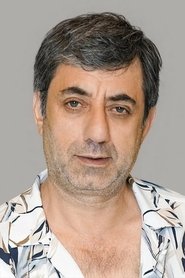 Nazmi KırıkAlan
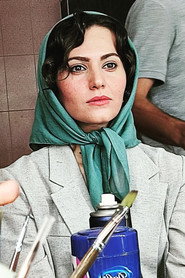 Shima MolaeiSinor
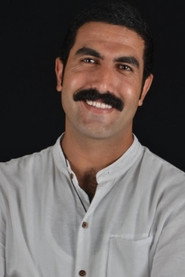 Suat UstaRozh Azad
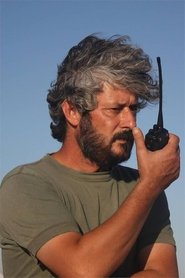 Hussein Hassan AliHussein
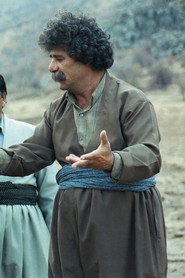 AllahMorad RashtianiThe Smuggler
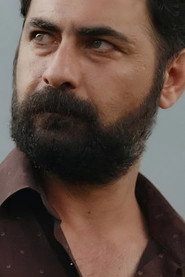 Rekish ShahbazBashir
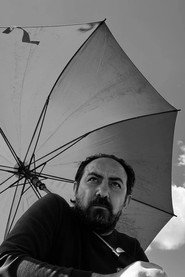 Bangen AliHiwa
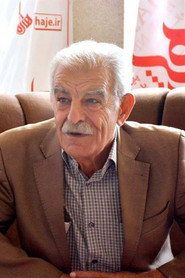 Salah Shex MohammediUncle Hamid
- Baroj AkrayiSalem (DOP)
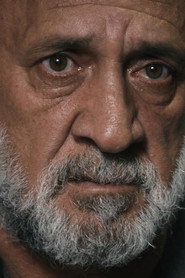 Adil AbdulrahmanMr. Khalid
- Hushyar NerwayiHazhar
Directing
- Salih ArifAssistant Director
- Shawkat Amin KorkiDirector
- Jalal Saed PanahFirst Assistant Director
Writing
- Mehmet AktaşWriter
- Shawkat Amin KorkiWriter
Production
- Thomas koesslerLine Producer
- Mehmet AktaşProducer
- Bangen AliProduction Manager