
Film
The Keep
- Horror
- Dark fantasy
- Very dark
Michael Mann's visually overwhelming 1983 oddity: a WWII garrison film that pivots toward gothic horror when soldiers awaken something ancient in a Romanian fortress. Operatic, deliberately strange, more interested in atmosphere than coherence. A film that looks like nothing else, for viewers who prize ambition over comfort.
Should you watch it?
Watch it if you are drawn to slow, fog-soaked gothic horror where dread builds through images and a synth score rather than jump scares, and you don't mind a story that prefers atmosphere to explanation.
Skip it if you need clear plot logic and steady momentum, because this one drifts, its mythology stays hazy, and its mood can feel more like a dream than a story.
What it asks of you: Settle in for an unhurried ninety-six minutes of slow build and sparse dialogue, with long quiet stretches and a score that does much of the talking.
Not sure? Find tonight's pick in a minute.
If you liked this
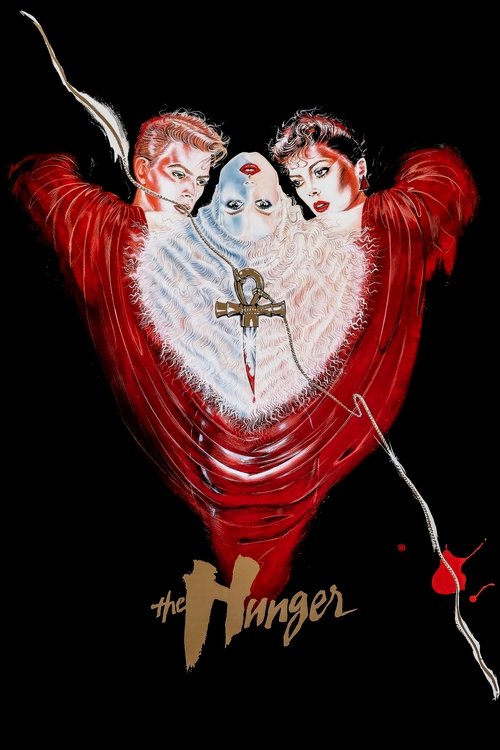
The Hunger1983
A visually lush vampire film that treats the supernatural as genuinely erotic and elegant. Like *The Keep*, it's more interested in mood and style than plot mechanics, and it rewards patience with startling images.
But The pacing is glacial and it expects you to sit with its ideas rather than be thrilled by them. Also genuinely bleak.
Suspiria1977
Dario Argento's masterpiece of pure atmospheric horror, where the visual design and score matter more than narrative sense. It achieves the same kind of dreamlike wrongness *The Keep* reaches for, with more discipline.
But It's a giallo, not a war film, and the plot is deliberately thin. The saturated colours and electronic score will feel bizarre if you're not ready for them.

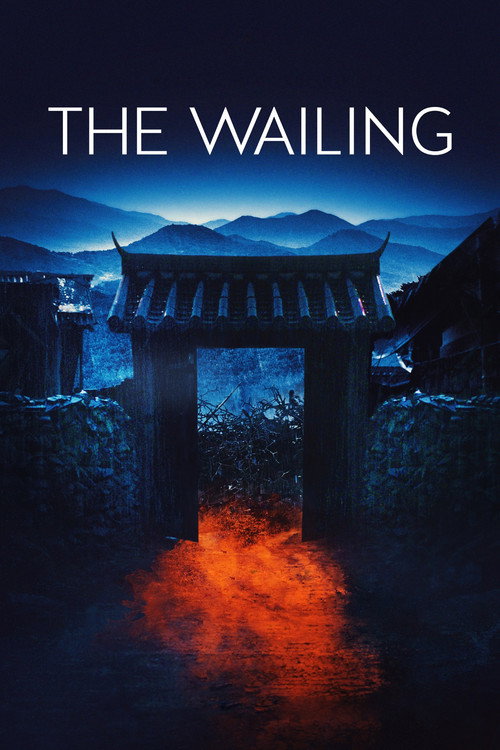
The Wailing2016
A long, elaborately constructed supernatural mystery set in a small community where nothing is quite what it seems and dread accumulates steadily. It has *The Keep*'s refusal to explain everything away, plus a much tighter structure.
But It's 2h 36m of slow-burn ambiguity with multiple rewatches required to untangle it. Korean cinema, so some unfamiliarity with idiom expected.
Not sure tonight? Get a pick in a minute, starting from The Keep
The wildcard
Something you would not have found on your own.
Stalker1979
Both films use a corrupted physical space as a lens for metaphysical questions. Neither explains what's happening; both trust you to sit with not-knowing.
Andrei Tarkovsky's slow-cinema masterpiece: a journey into a mysterious zone where physics and morality don't operate normally, where the real horror is psychological and existential. Like *The Keep*, it's visually hypnotic and thematically inscrutable, but Soviet science fiction rather than WWII horror.
But It's 162 minutes of deliberate, meditative pacing with minimal plot and dialogue-heavy scenes about philosophy. If you came for action, you will be profoundly frustrated.

More like this (8)
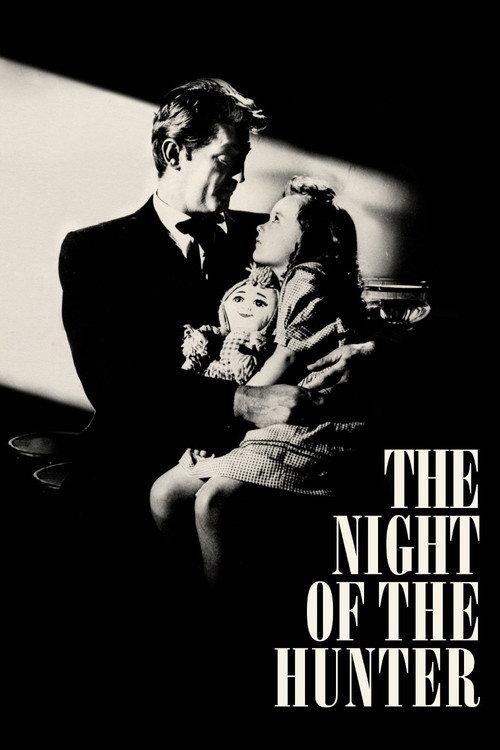
The Night of the Hunter1955
Charles Laughton's only directorial film: a Appalachian noir-horror hybrid shot in expressionist black-and-white, visually baroque and thematically dark. It shares *The Keep*'s sense of a fundamentally corrupted landscape.
But The pacing is deliberate and the tonal shifts are odd. It's also fundamentally bleak, with children in genuine jeopardy—not a comforting watch.
Possession1981
Andrzej Żuławski's nightmarish marriage-drama-turned-cosmic-horror, where the personal becomes monstrous. It's visually extreme and emotionally violent in ways that match *The Keep*'s disregard for viewer comfort.
But It's deliberately unpleasant and increasingly incoherent. The infamous practical effects are graphic and body-horror intense. A lot of people find it unwatchable.

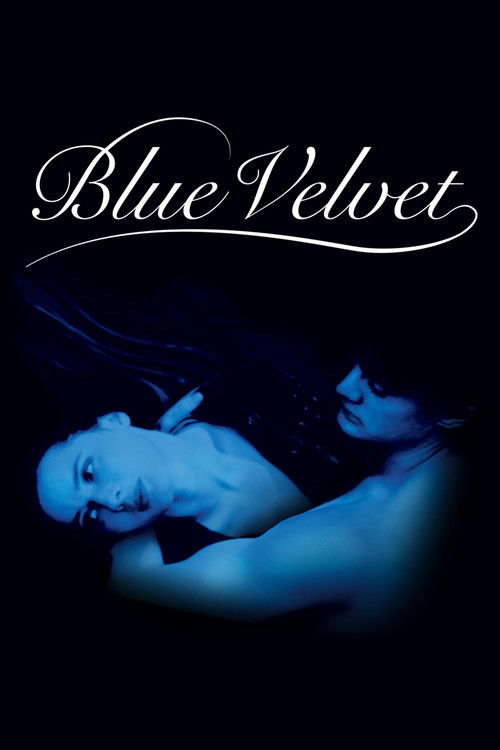
Blue Velvet1986
Lynch's suburban horror-mystery where atmosphere and colour design are everything, and the plot is almost secondary to the mood of creeping wrongness. Both films traffic in beautiful, disturbing visual language over explanation.
But It's deeply strange and not interested in making you comfortable. Some viewers find it pretentious or exploitative, and the sexual violence is real, not metaphorical.
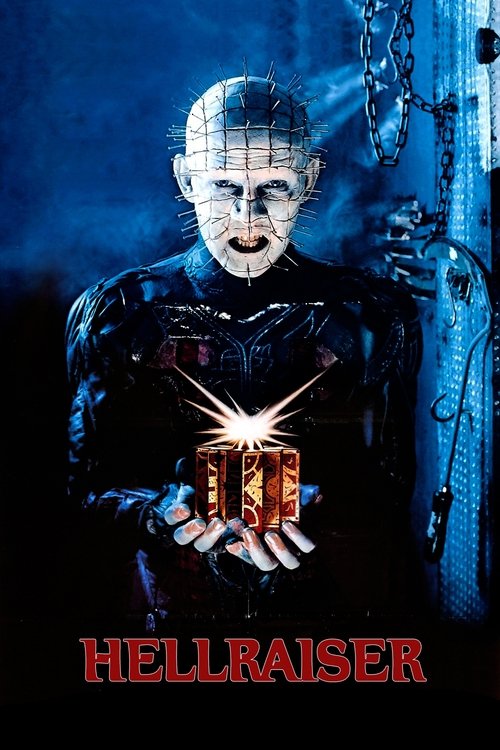
Hellraiser1987
Clive Barker's gruesome, metaphysically ambitious horror film where supernatural forces intrude on a family, bringing pain and transcendence together. It has *The Keep*'s willingness to make horror operatic and weird.
But The practical effects are nauseating and frequent. If you're not into body horror or sexual transgression as horror vocabulary, it will repel you thoroughly.
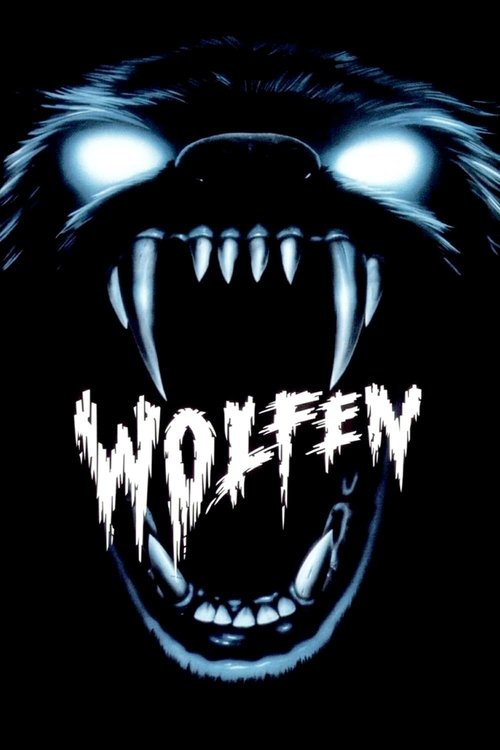
Wolfen1981
An urban supernatural detective film with an excellent cast (Albert Finney, Gregory Hines) and a moody, mysterious atmosphere. It has *The Keep*'s interest in ancient forces intruding on the present, but with a sharper narrative.
But The ending pulls its punches when the film should commit fully. It's more conventional than *The Keep*, which some viewers will welcome and others will find disappointing.
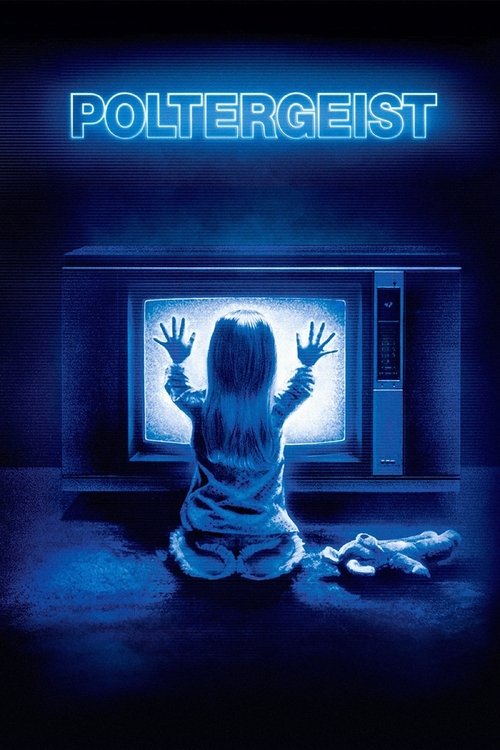
Poltergeist1982
Tobe Hooper's family-under-siege haunting film; propulsive and genuinely frightening, with strong performances and real stakes. It has *The Keep*'s sense of something ancient and corrupting beneath the surface of place.
But It's a commercial horror film, so it resolves its mysteries and comforts its audience in the end. If you want ambiguity, *The Keep* did it better.
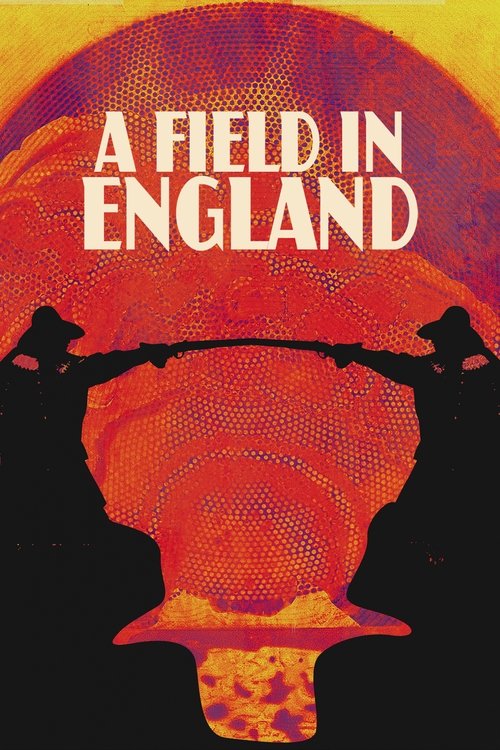
A Field in England2013
Both use period military settings as containers for incomprehensible supernatural incursion. Both are more interested in atmosphere and visual language than in resolving their mysteries.
Ben Wheatley's bewildering, black-and-white English Civil War occult film: formally experimental, visually striking, genuinely unmoored. It has the same sense of historical setting becoming nightmare, but through fractured narrative and psychological horror instead of gothic staging.
But It's incoherent by design—the narrative dissolves into abstraction. It's also only 90 minutes and will feel longer. Wheatley's style is divisive and this is one of his most extreme films.
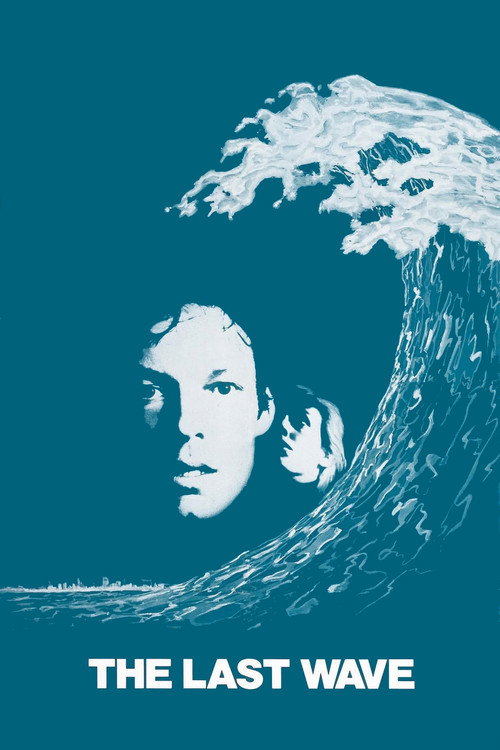
The Last Wave1977
Both films position modern people as fragile intruders into ancient, powerful systems they cannot control or fully understand. Both privilege mystery over solution.
Peter Weir's Australian supernatural mystery: a lawyer is drawn into Aboriginal mysticism via an unexplained series of weather events. It shares *The Keep*'s sense of ancient forces awakening, but approaches it through anthropology and dreamtime mythology instead of Gothic horror.
But It's a slow, ambient film from 1977 with a deliberately inconclusive ending. The pacing will feel glacial to modern viewers and there's no clear explanation for what happens, which frustrates some audiences completely.
People
Cast
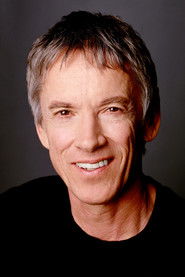 Scott GlennGlaeken Trismegestus
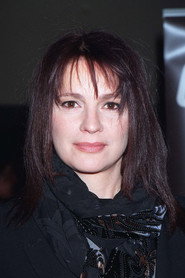 Alberta WatsonEva Cuza
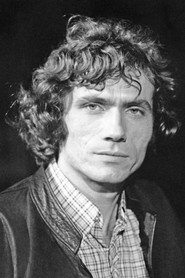 Jürgen ProchnowCaptain Klaus Woermann
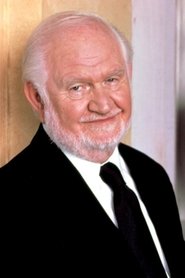 Robert ProskyFather Mihail Fonescu
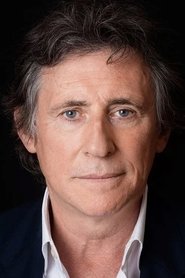 Gabriel ByrneMajor Kaempffer
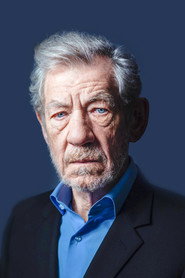 Ian McKellenDr. Theodore Cuza
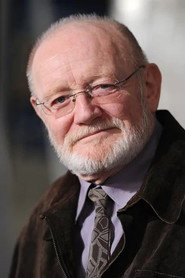 William Morgan SheppardAlexandru
 Royston TicknerTomescu
 Michael CarterRadu Molasar
 John VineLutz
 Wolf KahlerS.S. Adjutant
- Jona JonesOtto
Directing
- Paul MadiganAssistant Director
- Ray CorbettAssistant Director
- Roger SimonsAssistant Director
- Michael MannDirector
- Kieron PhippsSecond Assistant Director
- Vic SmithSecond Assistant Director
- Callum McDougallThird Assistant Director
Writing
- F. Paul WilsonNovel
- Michael MannScreenplay
Production
- Gavin MacFadyenAssociate Producer
- Richard BramsAssociate Producer
- Theresa CurtinAssociate Producer
- Bonnie TimmermannCasting
- Nancy KlopperCasting
- Noel DavisCasting
- Colin M. BrewerExecutive Producer
- Gene KirkwoodProducer
- Hawk KochProducer
- Vicki DeasonProduction Assistant
Recommended by
Wynonna Earp, Firestarter, Outpost, Shock Waves, I, Pierre Rivière, Having Slaughtered My Mother, My Sister and My Brother…, The Legend of Hercules, Frankenstein's Army, Burial of the Rats