
Film
W.E.
W.E. intercuts a contemporary woman's obsession with the Duke and Duchess of Windsor's romance against their actual forbidden love story. It's a lush, deliberately stylized melodrama about sacrifice and self-discovery—part historical romance, part psychological portrait. For viewers who love sumptuous production design and stories about women choosing passion over convention.
If you liked this
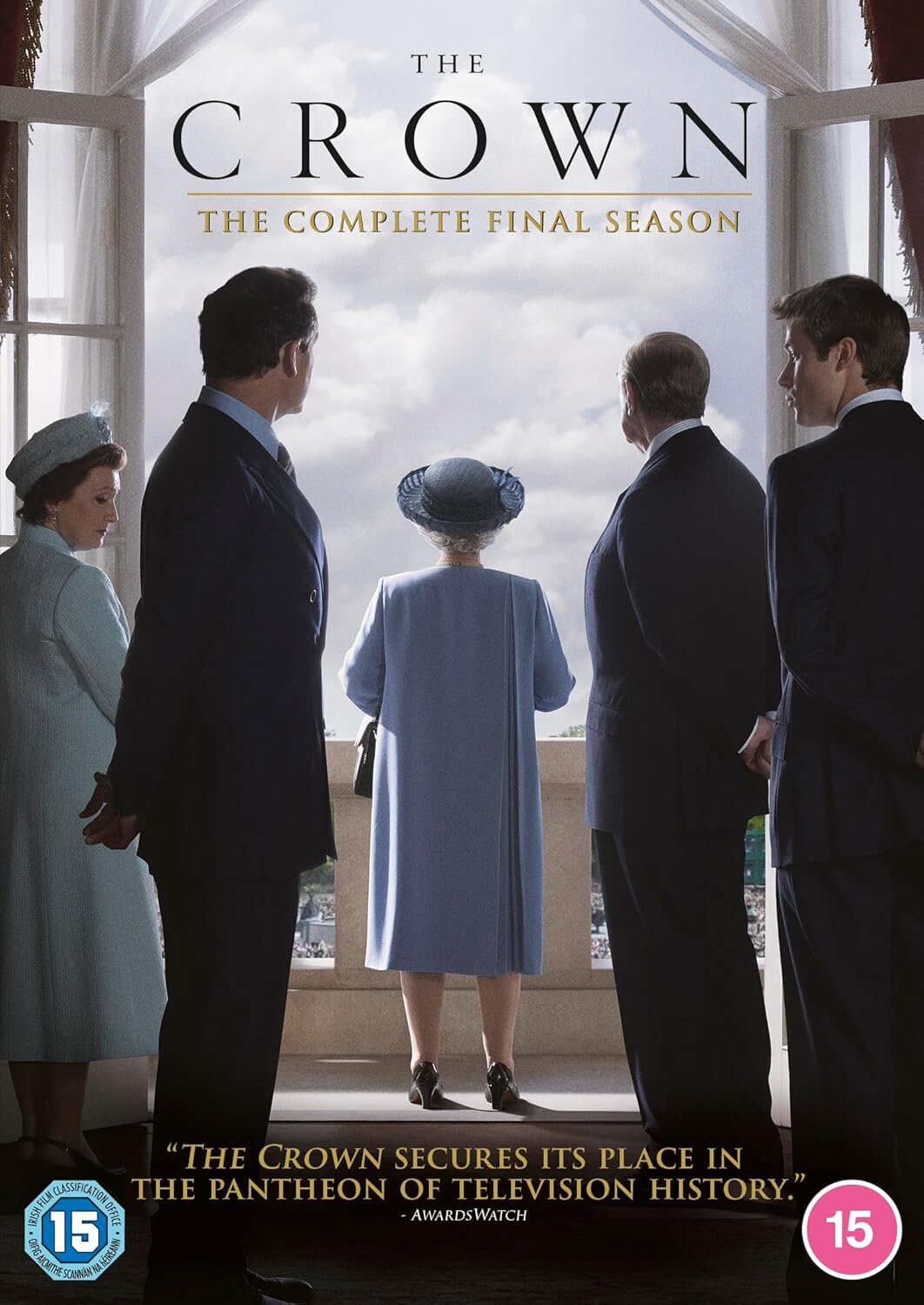
The Crown2016
Explores the same royal scandal with sophisticated writing and stellar ensemble cast. Season two directly addresses Edward and Wallis, deepening the emotional and political complexities of their choice to abdicate.
But Fourteen hours is a commitment, and the show's measured pace won't appeal if you want immediate drama. Season quality varies.
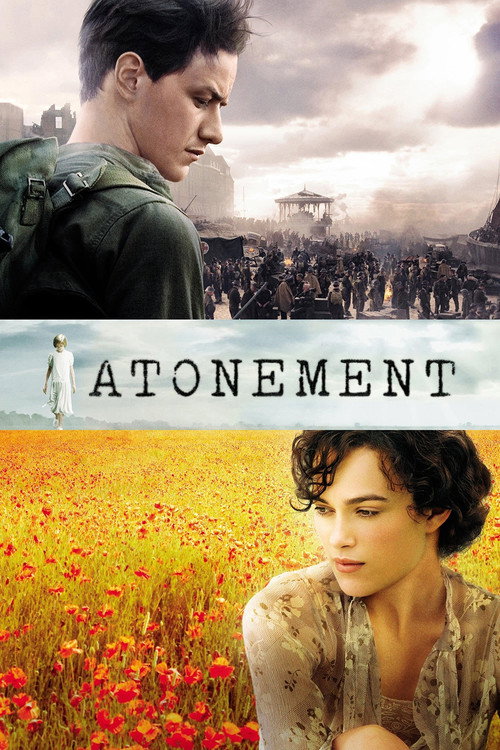
Atonement2007
Shares W.E.'s visual extravagance and exploration of how a single choice ricochets across lives. Both films use production design as emotional language and find tragedy in romantic decisions.
But The tonal shifts between sections may feel disjointed if you're expecting straightforward narrative momentum.
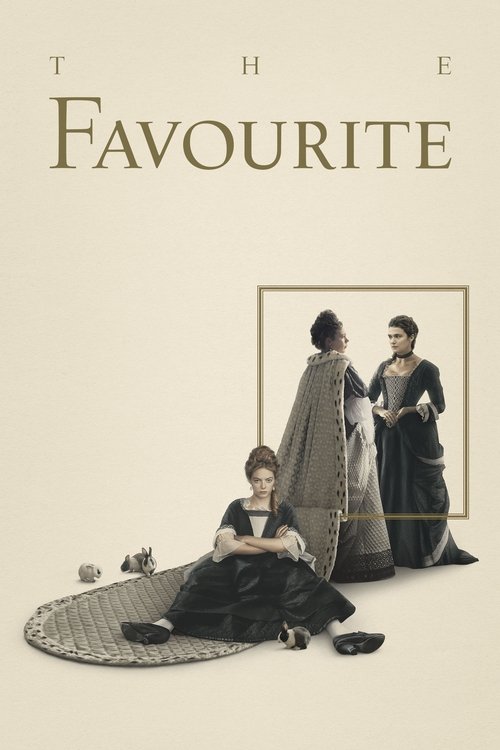
The Favourite2018
Another film about women navigating desire, power, and belonging within rigid structures. Like W.E., it refuses to be subtle about the visual world of female ambition and messy emotional truth.
But The baroque grotesqueness and farcical tone are miles from W.E.'s earnestness. Completely different register.
Not sure tonight? Get a pick in a minute, starting from W.E.
The wildcard
Something you would not have found on your own.
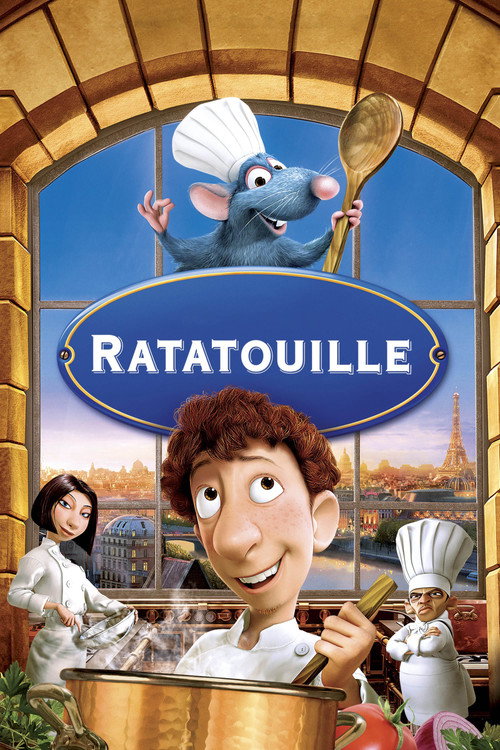
Ratatouille2007
Both use immersion in another person's world as a path to self-discovery; both find transformation through obsessive devotion; both suggest that becoming someone else's muse might be how you find yourself.
An animated film about someone ordinary transported into a world of beauty and privilege through obsession with an inaccessible figure. Like W.E., it's about finding yourself through devotion to someone else's story—but it's funny, kind, and has no romance whatsoever. A complete tonal inversion that shares the emotional architecture.
But It's a Pixar film about a rat. The cuteness and comedy will jar if you want romantic gravitas.
More like this (8)
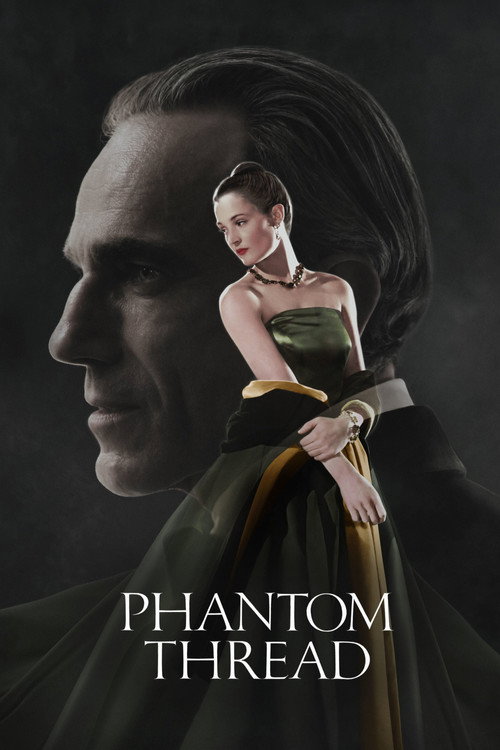
Phantom Thread2017
A period romance obsessed with beauty, texture, and the claustrophobia of devotion. Both films ask what love costs when it consumes you entirely, and both treat design as character.
But Slower and more oblique than W.E. The emotional payoff comes from inference, not declaration.
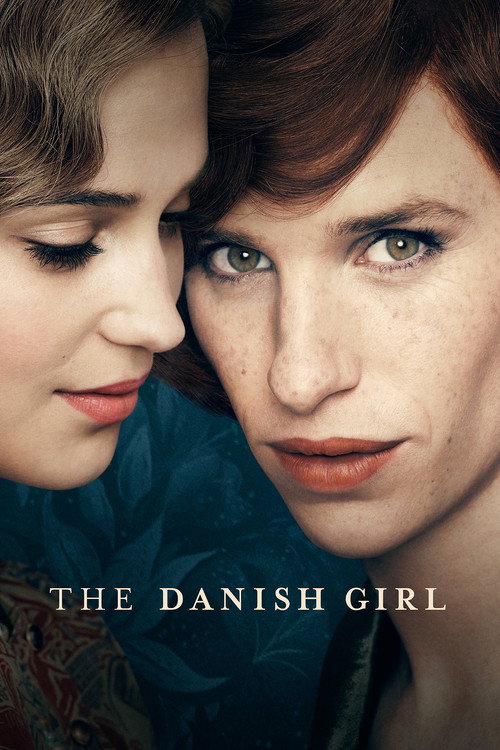
The Danish Girl2015
Explores identity and love during a moment of historical rupture. Features similarly lush cinematography and performances built on internal anguish rather than plot mechanics.
But Some viewers find the film's handling of its subject matter reductive. The emotional beats can feel manipulative.
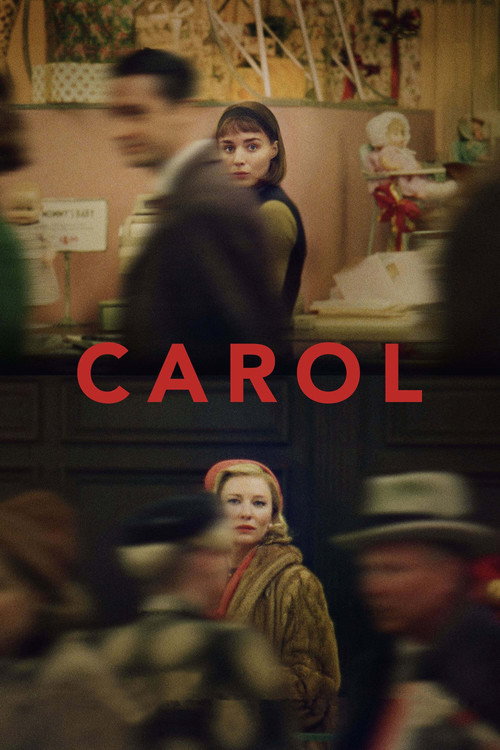
Carol2015
A restrained but deeply felt romance about two women choosing each other against social expectation. Captures the quiet intensity W.E. reaches for, with more nuanced direction.
But Deliberately quiet. If you want sweep and orchestral swells, this will feel too controlled and measured.
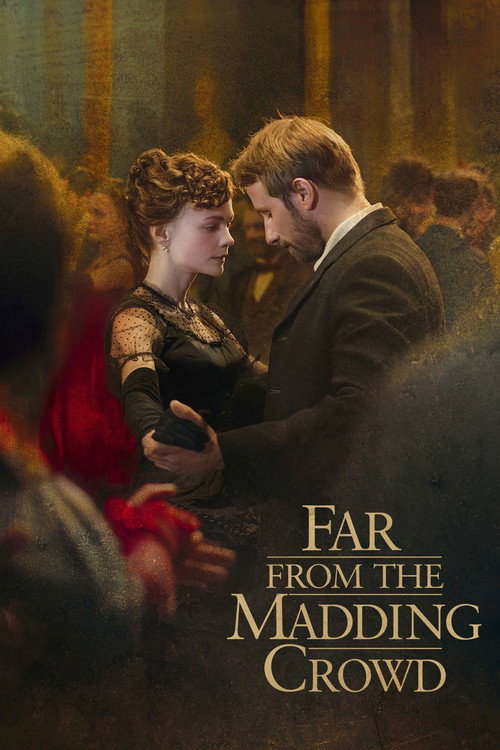
Far from the Madding Crowd2015
Period drama centered on a woman's agency and romantic choices, with gorgeous cinematography. Bathsheba's self-determination echoes Wally's search for autonomy.
But Thomas Vinterberg's direction is elegant but sometimes distant. The emotional register is more contemplative than passionate.
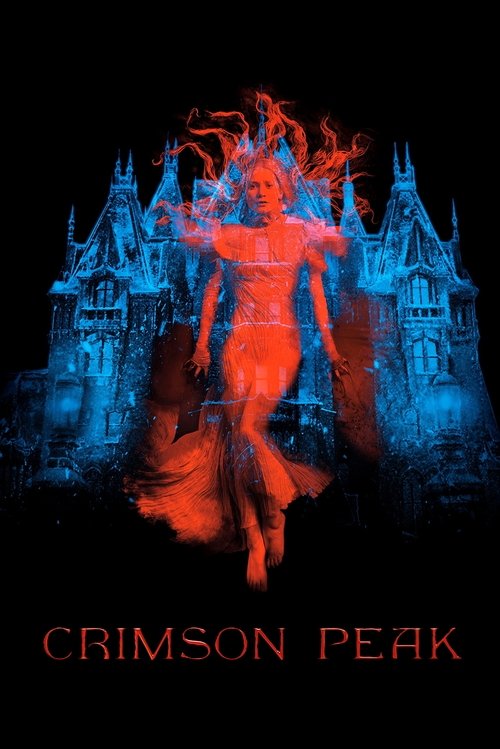
Crimson Peak2015
Gothic romance with production design so sumptuous it becomes the real story. Like W.E., it indulges in romantic excess and treats architecture as a character studying desire.
But Veers into horror-adjacent territory. If you want historical realism, this baroque supernatural turn will feel false.
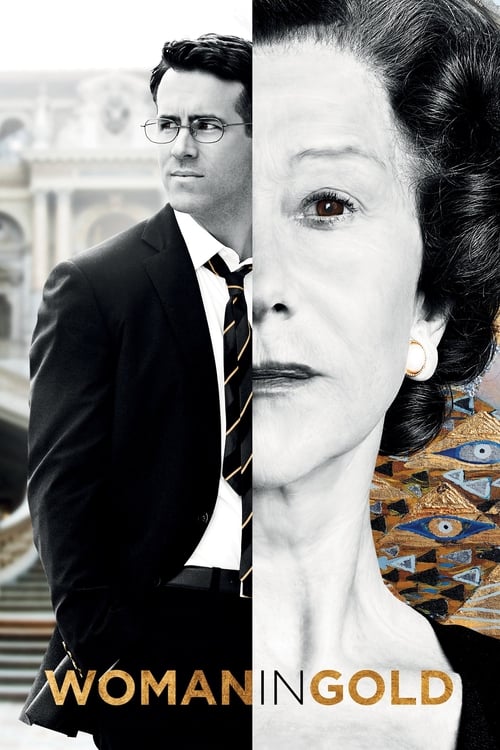
Woman in Gold2015
Another film about obsession with a historical woman's story, and reclaiming narrative. Helen Mirren's performance grounds a somewhat familiar tale of love and loss.
But Lightweight compared to W.E.'s ambition. Feels more like prestige TV than cinema. Predictable plotting.
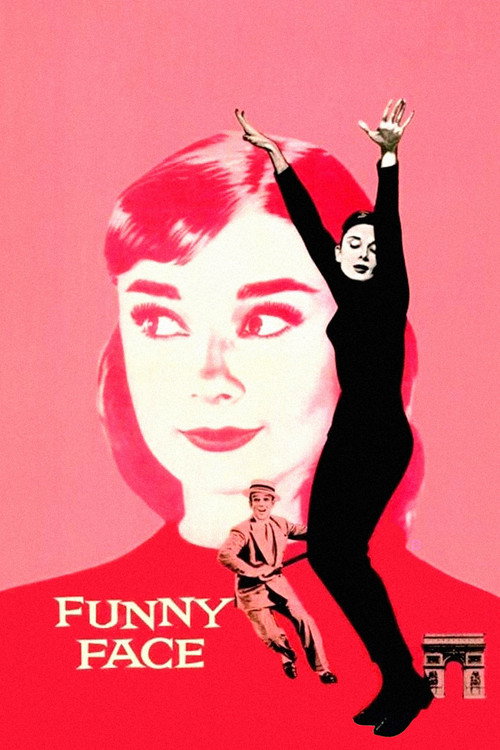
Funny Face1957
Both feature women remade by powerful men's visions; both use stunning visual language to seduce you into complicity; both ask whether being loved for who someone wants you to be is love at all.
Audrey Hepburn's character is remade by a powerful man obsessed with an ideal he projects onto her—a precursor to Wally's Wallis. But this 1950s musical treats it as romance while subtly anatomizing how women become vessels for male fantasy. Gorgeous, funny, and morally queasy in ways worth sitting with.
But The sexism is baked in, not critiqued explicitly. If you want your art to condemn what it depicts, the film's own complicity will frustrate you. Also very long song sequences.
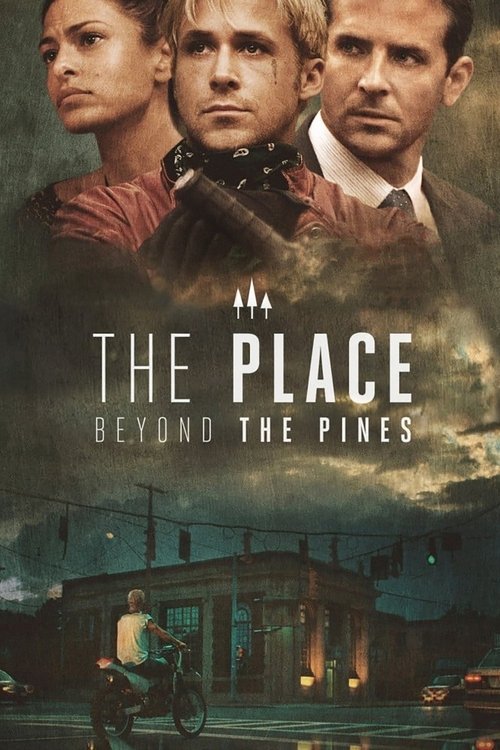
The Place Beyond the Pines2013
Both explore how historical events and personal choices ripple forward; both use parallel narratives across time; both suggest we're fated to re-enact the passions of those who came before us.
Like W.E., this film connects past and present through emotional inheritance—what our parents' choices do to us across decades. It's less romantic but equally obsessed with how one moment of passion reshapes generations. Entirely different genre (crime thriller) but identical DNA underneath.
But Bleak and unglamorous where W.E. is ornate. The structure is ambitious but can feel fragmented. You won't feel transported; you'll feel tracked.
People
Cast
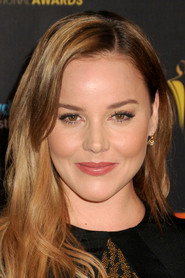 Abbie CornishWally Winthrop
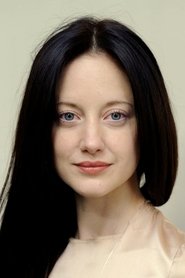 Andrea RiseboroughWallis Simpson
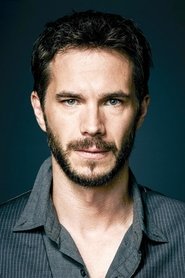 James D'ArcyEdward
 Oscar IsaacEvgeni
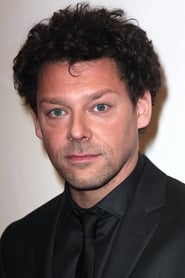 Richard CoyleWilliam Winthrop
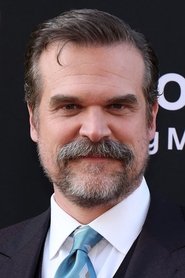 David HarbourErnest
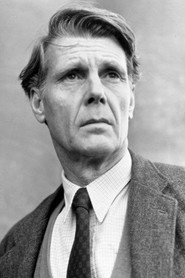 James FoxKing George V
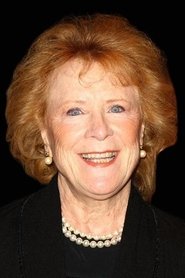 Judy ParfittQueen Mary
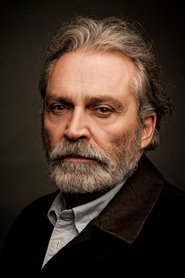 Haluk BilginerAl Fayed
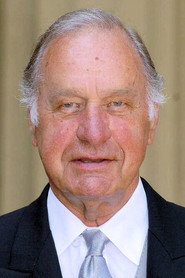 Geoffrey PalmerStanley Baldwin
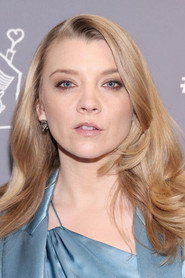 Natalie DormerElizabeth
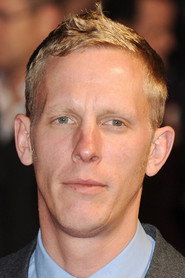 Laurence FoxBertie
Directing
- MadonnaDirector
- Kim ArmitageScript Supervisor
- Chris FogginThird Assistant Director
Writing
- Alek KeshishianScreenplay
- MadonnaWriter
Production
- Cleone ClarkeAssociate Producer
- Elaine GraingerCasting
- Lucinda SysonCasting
- Colin VainesCo-Producer
- Sara ZambrenoCo-Producer
- Donna GigliottiExecutive Producer
- Harvey WeinsteinExecutive Producer
- Scott FranklinExecutive Producer
- Chris BongirneLine Producer
- Nigel WoollLine Producer
- Kris ThykierProducer
- MadonnaProducer
- Richard MancusoProduction Accountant