
Film
The Place Beyond the Pines
A sprawling, ambitious crime drama that follows two men—a drifter and a cop—across a decade, tracing how a single violent act ripples through families and ambitions. Derek Cianfrance builds something operatic from small-town lives, trading momentum for depth, asking whether we're defined by our choices or our circumstances. It's patient, gorgeous, and demands your full attention.
Should you watch it?
Watch it if you are drawn to patient, character-first crime stories, where a single desperate choice ripples outward and the camera lingers on faces longer than on gunfire.
Skip it if you need momentum to stay put, since the pace is deliberate and the 140 minutes stretch out in the middle.
What it asks of you: Settle in for just over two hours of unhurried scenes, with quiet stretches of watchful silence that reward attention more than a quick scroll.
Not sure? Find tonight's pick in a minute.
If you liked this
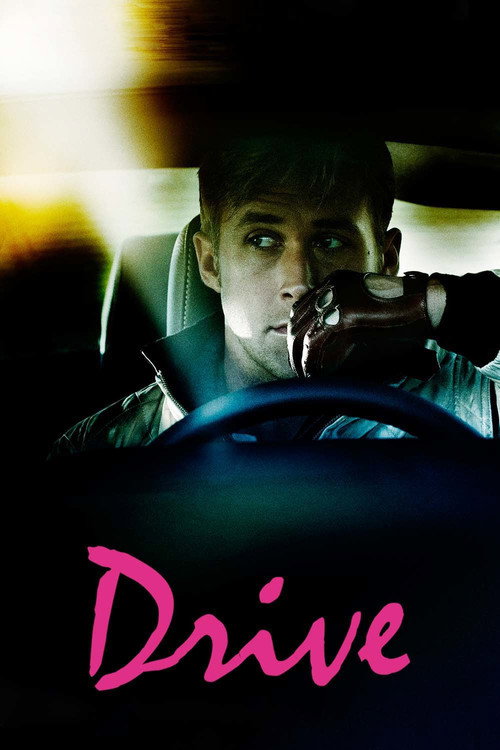
Drive2011
Like Pines, this is a stylish neo-noir where a taciturn man's moral compromise spirals outward. Refn's austere direction and Gosling's performance—quiet rage beneath stillness—create unbearable tension. Same actor, different register, equally mesmerizing.
But Brutally violent and slower than you expect. If you need plot momentum, this will feel like watching paint dry before it explodes.
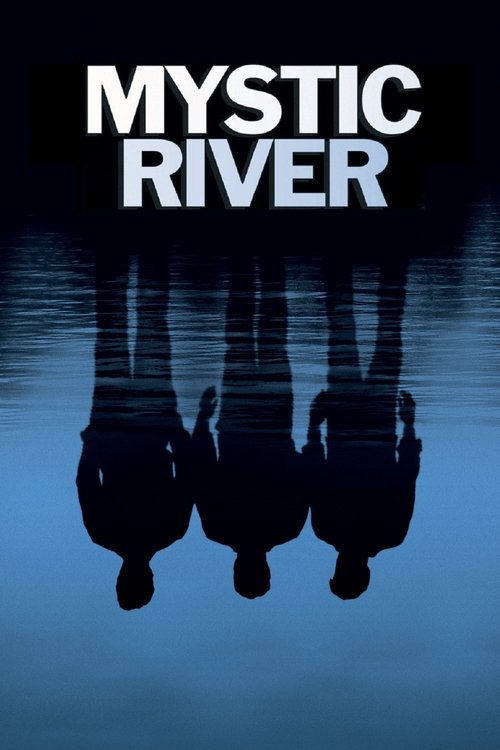
Mystic River2003
Clint Eastwood's masterpiece about how childhood trauma and one act of violence haunt three men into middle age. Like Pines, it's a generational reckoning told through interconnected lives. Grief and consequence done with devastating restraint.
But Bleak, digressive, and reluctant to give you catharsis. The pacing can feel glacial if you're waiting for resolution rather than living in the characters' sorrow.
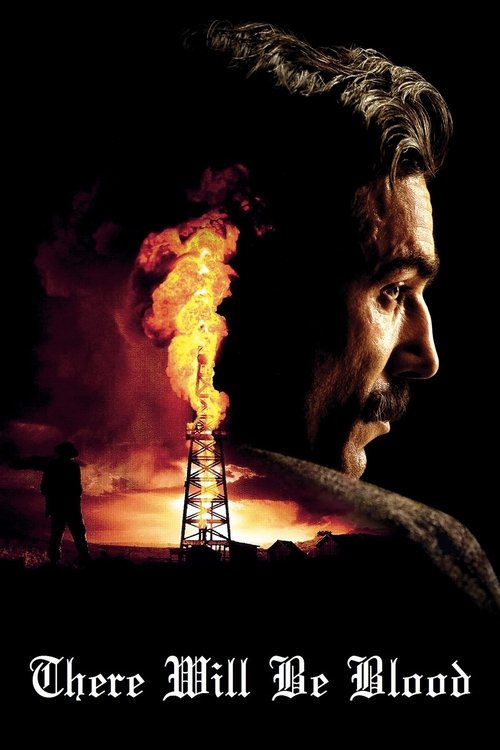
There Will Be Blood2007
Paul Thomas Anderson's three-hour epic about ambition, fatherhood, and the cost of climbing. Like Cianfrance, Anderson builds moral landscapes where success and corruption become the same thing. Daniel Day-Lewis is unforgettable.
But Demands absolute patience. Long passages of silence, minimal dialogue, and a final act that abandons plot altogether. Not a film that accommodates distraction.
Not sure tonight? Get a pick in a minute, starting from The Place Beyond the Pines
The wildcard
Something you would not have found on your own.
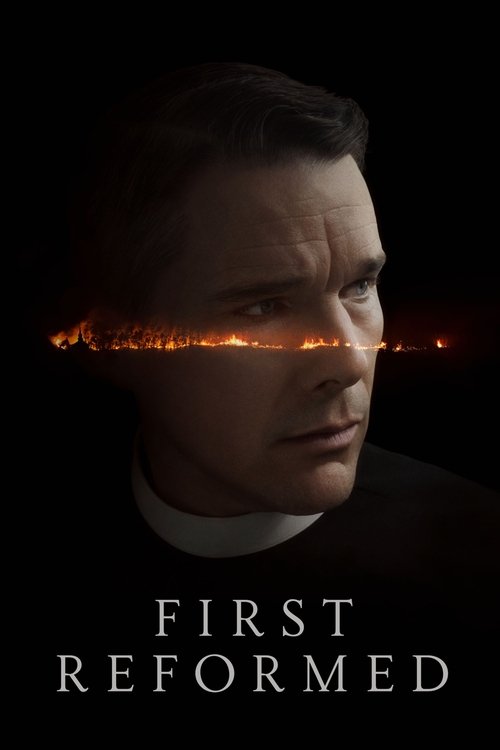
First Reformed2018
Both films treat guilt as a substance that changes shape when it moves between people. Pines shows it traveling across time and generations; First Reformed shows a man trying to contain it alone and failing. Same question—can you ever truly pay for what you've done?—answered differently.
Paul Schrader's anguished meditation on guilt, faith, and whether good intentions can save you from complicity in systemic cruelty. Ethan Hawke as a pastor unraveling—it's The Place Beyond the Pines' spiritual opposite: not about external consequence rippling forward, but internal conscience eating you alive in real time. Devastatingly moral.
But Formally austere (static shots, long silences, a 4:3 aspect ratio), it will feel punishing to some. The theology is dense and unresolved. It doesn't solve the problems it poses.
More like this (8)
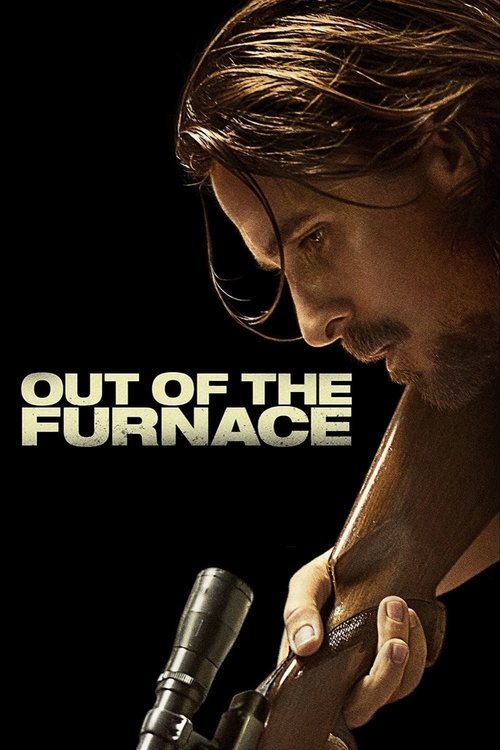
Out of the Furnace2013
Christian Bale and Woody Harrelson in a rust-belt revenge tragedy about men trapped by circumstance and their own nature. Made the same year as Pines, it shares that sense of inescapable consequence and regional decay.
But Suffers from tonal whiplash and an unsatisfying ending. The craft is there, but the film never quite finds its footing like Cianfrance's does.
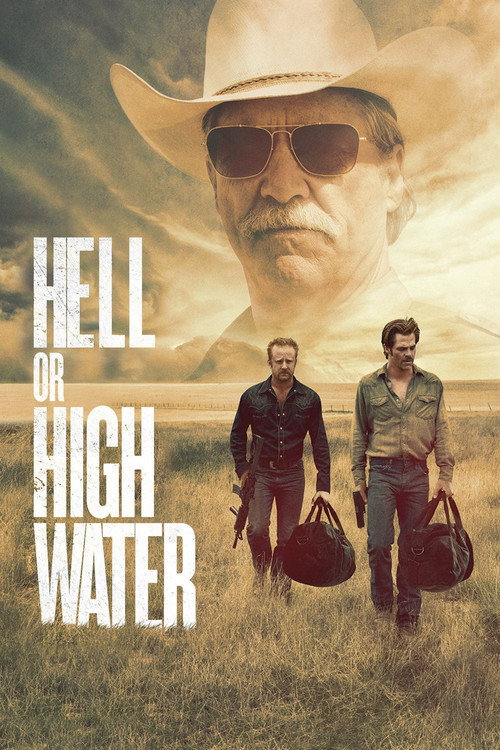
Hell or High Water2016
A modern Western about a cop and a criminal separated by law but united by circumstance, across generations and landscape. Tense, beautifully structured, and it understands how violence echoes through families the way Pines does.
But The cat-and-mouse plot can feel familiar if you've seen similar neo-Westerns. It's more tightly wound than Pines—less space for ambiguity and moral fog.
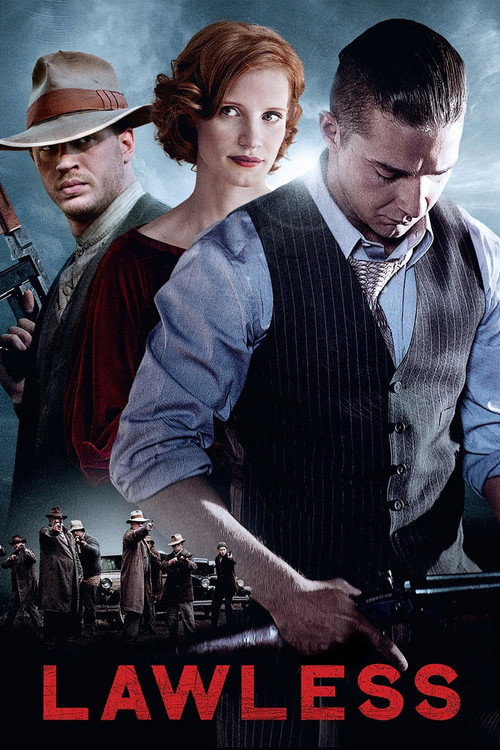
Lawless2012
John Hillcoat's Prohibition-era crime saga about brothers making impossible choices under pressure. Gorgeous, violent, and genuinely tragic. Shia LaBeouf and Tom Hardy are magnetic in a story about loyalty warping into doom.
But Graphic and brutal. The romance subplot can feel like it intrudes on the darker material. Some viewers find the tonal shifts jarring.
A Ghost Story2017
David Lowery's haunting meditation on time, loss, and how choices ripple across decades. Casey Affleck as a ghost watching his widow move through their house—conceptually strange but emotionally devastating. Similar to Pines in exploring consequence across time.
But Experimental and very slow. The central conceit (a sheet ghost) might read as absurd rather than profound. Not for viewers seeking conventional narrative satisfaction.

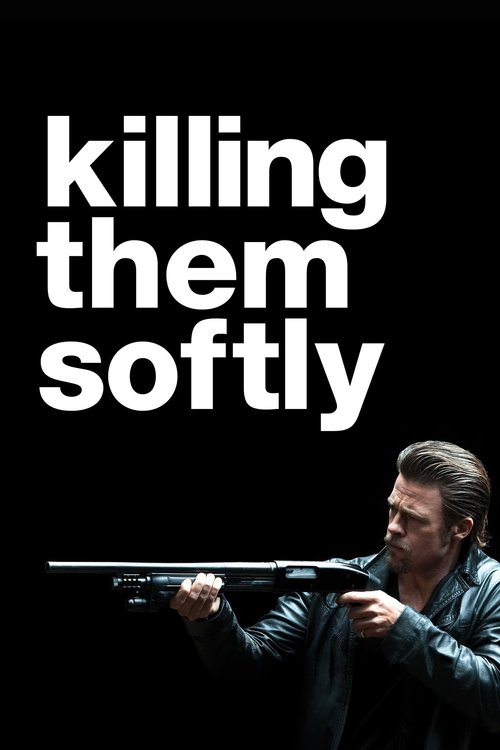
Killing Them Softly2012
Andrew Dominik's crime film where a robbery and its aftermath become a meditation on power, complicity, and moral compromise. Brad Pitt as a hitman who philosophizes while destroying lives. Sharp, cynical, visually audacious.
But Aggressively cynical and didactic. Some scenes feel overcooked; the film preaches at you rather than letting themes breathe naturally.
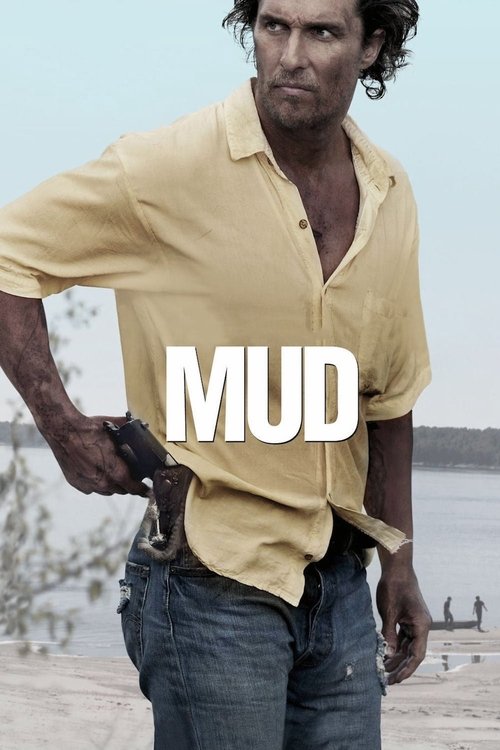
Mud2013
Jeff Nichols' film about two boys drawn into an outlaw's world, set on the Mississippi River. Quieter and more lyrical than Pines, but it shares the DNA: rural America, impossible choices, mentorship warped by circumstance.
But Languid pacing and a plot that meanders. Matthew McConaughey's charisma can't quite anchor the second half when the narrative loses focus.
The Leopard1963
Both trace how a single man's choices—or a system's weight—remake the lives of those who follow. The Leopard does it through history and class; Pines does it through crime and kinship. Same architecture in different centuries.
Visconti's staggering Italian epic about an aristocrat watching his Sicily—and his way of life—collapse into the modern world. Burt Lancaster presiding over decline with grace. Shot like a painting, structured like a symphony. It's everything Pines reaches for: generational consequence, the death of a world, moral ambiguity absolute.
But Nearly three hours of deliberate, painterly cinema. Heavy on reflection, light on plot. Subtitled. The pacing will destroy viewers trained on contemporary editing.

Winter Light1963
Both films are about men confronting the uselessness of their choices—Bergman's through theology, Cianfrance's through violence. Both refuse sentimentality or easy redemption. Both ask: what's left when you see clearly?
Bergman's excoriating study of faith in crisis: a pastor adrift after his lover leaves, unable to help a dying parishioner, unspooling through a single winter day. Bleak, urgent, and philosophically unflinching about whether we're capable of redemption or connection. It's a meditation on the same crisis Cianfrance addresses—the gap between what we want to be and what we actually are.
But Spare to the point of desolation. No score, minimal plot, faces filling the frame in close-up. Demands you sit with despair rather than escape it. Will feel like punishment if you're not in the mood.

People
Cast
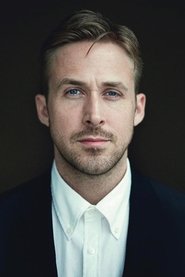 Ryan GoslingLuke Glanton
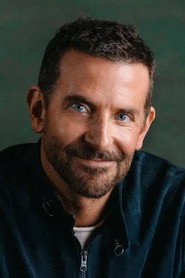 Bradley CooperAvery Cross
 Eva MendesRomina Gutierrez
 Rose ByrneJennifer Cross
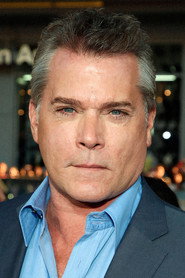 Ray LiottaPeter Deluca
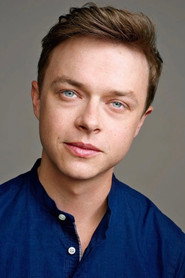 Dane DeHaanJason Kancam
 Emory CohenAJ Cross
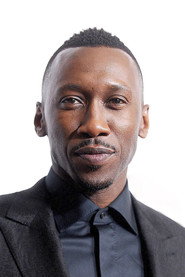 Mahershala AliKofi Kancam
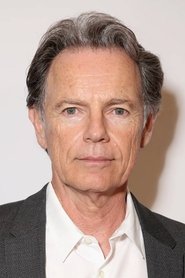 Bruce GreenwoodBill Killcullen
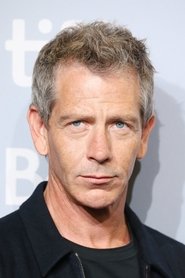 Ben MendelsohnRobin Van Der Hook
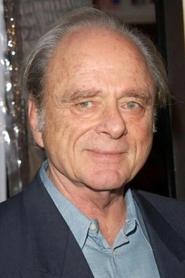 Harris YulinAl Cross
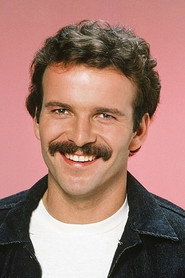 Robert ClohessyChief Weirzbowski
Directing
- Derek CianfranceDirector
- Mariela ComitiniFirst Assistant Director
- Dustin BrickerScript Supervisor
- Brad RobinsonSecond Assistant Director
Writing
- Ben CoccioScreenplay
- Darius MarderScreenplay
- Derek CianfranceScreenplay
- Ben CoccioStory
- Derek CianfranceStory
Production
- Wendy O'BrienAdditional Casting
- Crystal PowellAssociate Producer
- Katie McNeillAssociate Producer
- Cindy TolanCasting
- Cynthia DegrosCasting Assistant
- Adam CaldwellCasting Associate
- Carrie FixCo-Producer
- Bruce TollExecutive Producer
- Jim TauberExecutive Producer
- Matt BerensonExecutive Producer
- Rita PowersExtras Casting
- Sean PowersExtras Casting
- Alex OrlovskyProducer
- Jamie PatricofProducer
- Lynette Howell TaylorProducer
- Sidney KimmelProducer
- Weston MiddletonProduction Assistant
- Carrie FixUnit Production Manager
Recommended by
Hell or High Water, Frozen River, Good Time, Mud, Animal Kingdom, Fearless, The River Wild, Out of the Furnace, The Devil All the Time, The Inspection, W.E., The Death and Life of Bobby Z, City by the Sea, Caught