
Film
Victoria the Great
A 1937 biopic of Queen Victoria's rise from isolated princess to devoted wife and formidable monarch. Anna Neagle commands the screen with regal warmth, while Anton Walbrook's Prince Albert radiates genuine tenderness. It's a stately, romantic affair—less about scandal than intimacy, less about politics than the woman beneath the crown. For those who love costume drama with emotional heft.
Should you watch it?
Watch it if you like stately period dramas built around a marriage and a court, where costume, ceremony and quiet domestic negotiation carry the story more than battles or intrigue.
Skip it if the older studio style is stagey and sentimental, with long speeches and a reverent view of its monarch that may grate if you want a sharper, more questioning portrait.
What it asks of you: Expect a leisurely, talky pace across a little under two hours, with much of the attention going to faces, rooms and etiquette rather than action.
Not sure? Find tonight's pick in a minute.
If you liked this
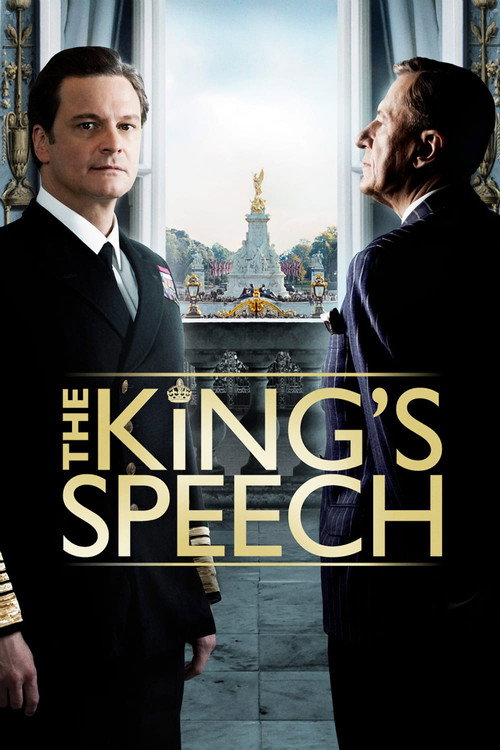
The King's Speech2010
A intimate portrait of royal duty and private struggle, anchored by two magnificent performances. Like Victoria, it finds the human story inside the institution, with warmth and wit in equal measure.
But Feels safer and more familiar than the 1937 version—awards-bait royalty rather than lived history.
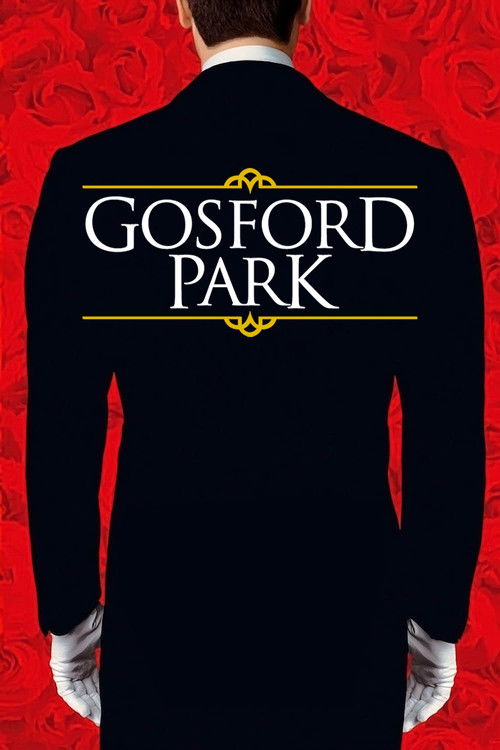
Gosford Park2001
Robert Altman's layered ensemble piece about aristocracy and servants navigates class, duty and desire with the same emotional intelligence Neagle brings to Victoria. Gorgeously plotted.
But Deliberately fragmented and crowded; if you want clear narrative focus, this sprawls deliberately away from it.
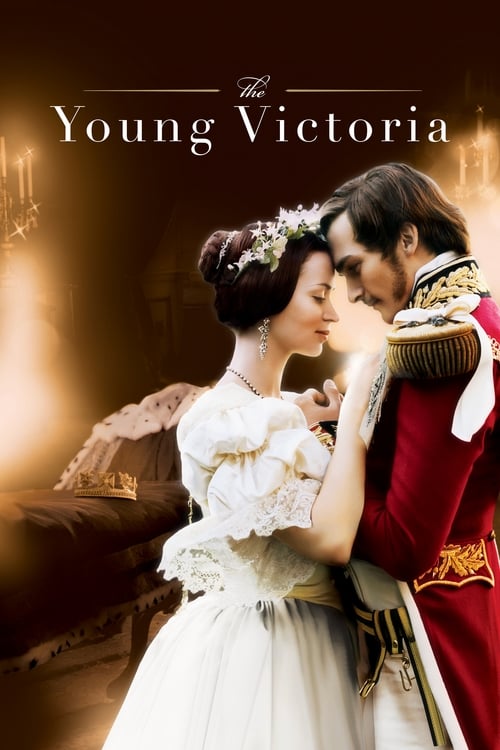
The Young Victoria2009
Another biopic, yes, but Emily Blunt captures Victoria's youthful fire and transformation into queenship. Lusher than the 1937 film, but equally interested in marriage as political and personal crucible.
But Visually sumptuous to the point of distraction; some find it more costume than character.
Not sure tonight? Get a pick in a minute, starting from Victoria the Great
The wildcard
Something you would not have found on your own.
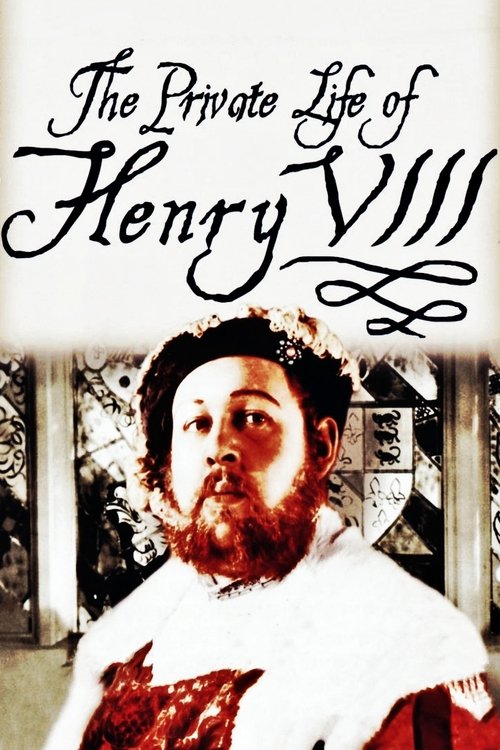
The Private Life of Henry VIII1933
Both are studio-era British biopics of monarchs that balance intimate marriage drama with the weight of the crown; together they show the form being invented.
Alexander Korda's 1933 film that made Charles Laughton a star—proof the biopic of monarchy is a form built for cinema. Lusty, irreverent, alive in ways Victoria aspires to. Shows what came just before Neagle's more reverent approach.
But Theatrical in a way that reads as hammy to modern eyes; Laughton's performance is massive and not for everyone.
More like this (7)
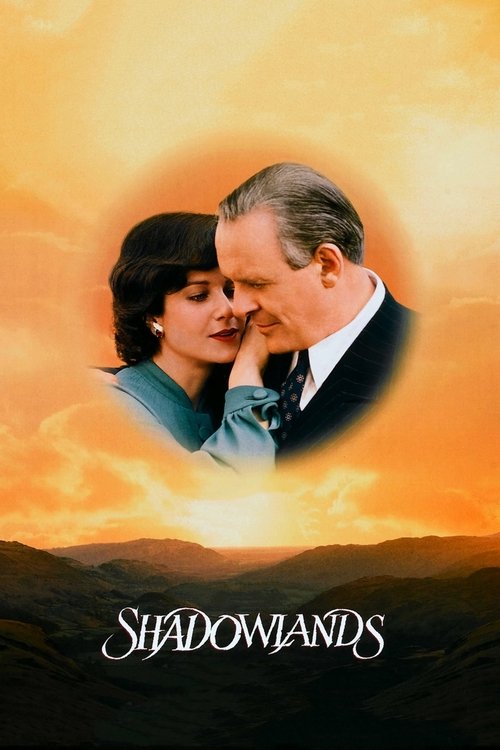
Shadowlands1993
Anthony Hopkins and Debra Winger as C.S. Lewis and his wife; a tender, aching study of love between two formidable people. The same quiet intensity Victoria shares with Albert.
But Slower than it announces itself, and the ending is painful in ways you know are coming.
The Remains of the Day1993
Anthony Hopkins again, this time restraint itself—a butler's unspoken devotion echoes Albert's quiet constancy. Beautifully composed meditation on duty, love and what we cannot say.
But Glacial pacing; the emotional life is all beneath the surface, which demands patience from viewers.

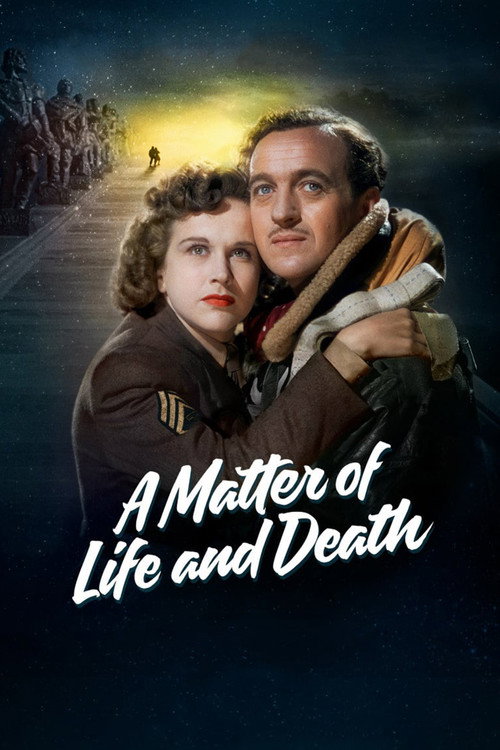
A Matter of Life and Death1946
Powell and Pressburger's Technicolor fantasy about duty, love and choice. Like Victoria, it asks whether we can have both the crown and the heart, and argues fiercely that we can.
But Wartime whimsy that asks you to believe in heavenly bureaucracy; the tonal shifts perplex some viewers.
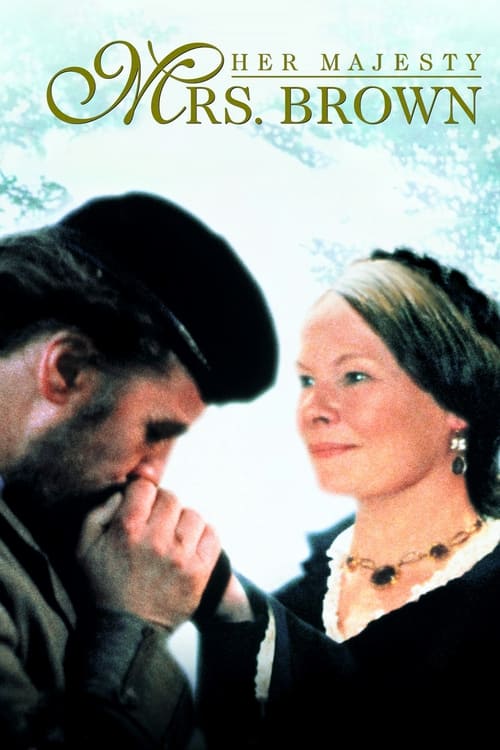
Mrs Brown1997
Judi Dench and Geoffrey Rush as Victoria and John Brown after Albert's death—tender, funny, genuinely moving. A different chapter of the same life, showing grief and unexpected companionship.
But Smaller and quieter than you might expect; it's a intimate two-hander rather than a grand historical statement.
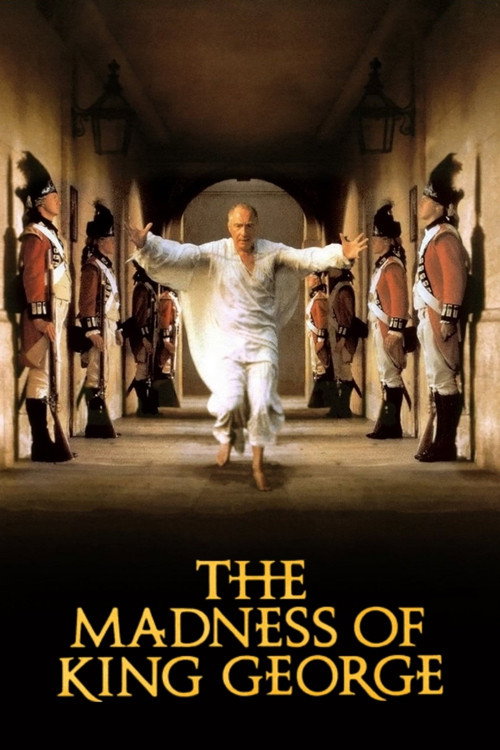
The Madness of King George1994
Nigel Hawthorne's George III is both regal and devastatingly human—another study of monarchy as both role and trap. Smart, darkly funny, viscerally performed.
But Much darker than Victoria; if you want warmth and romance, this tilts toward pathos and decay.
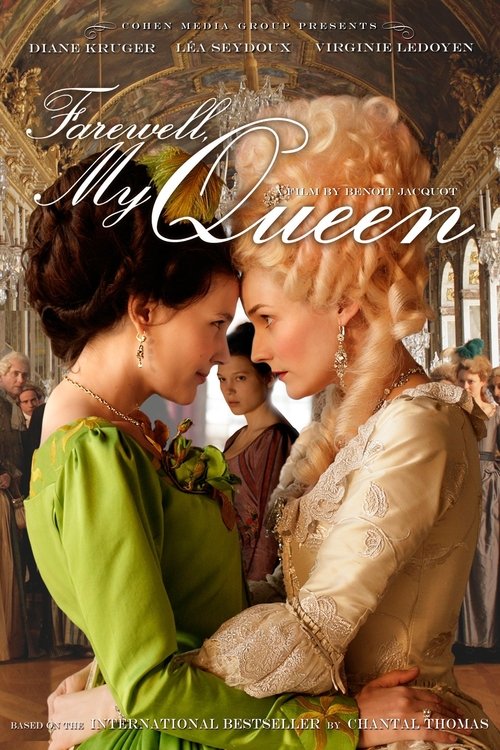
Farewell, My Queen2012
A chamber drama set in the final days of Marie-Antoinette's court, observed through a servant's eyes. Claustrophobic and intimate—the personal life of royalty as small, urgent tragedy.
But French, slow, and deliberately claustrophobic; the historical scope is deliberately narrowed to a single perspective.
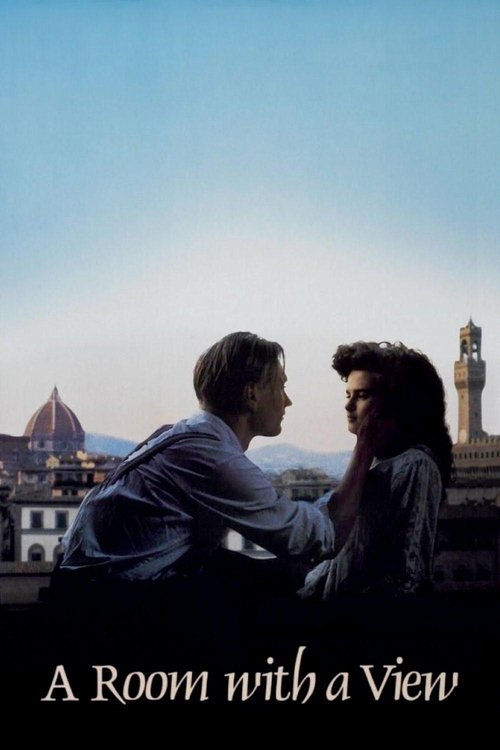
A Room with a View1986
Both explore whether a woman can have both love and agency; they arrive at opposite answers, making them perfect mirror texts.
Merchant-Ivory's 1985 adaptation of Forster—same era, same sensuality, same question about whether passion can coexist with duty. But here the heroine *chooses* passion, and the film celebrates it. A gorgeous counterargument to Victoria's compromise.
But The Merchant-Ivory style feels precious to some; a long film about emotion rather than event.
People
Cast
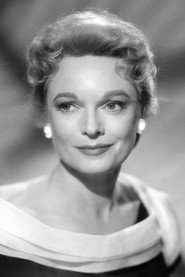 Anna NeagleQueen Victoria
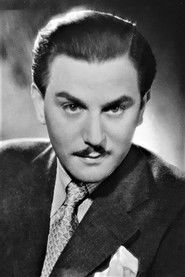 Anton WalbrookPrince Albert
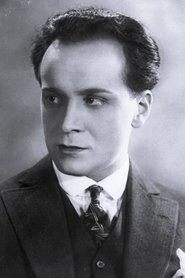 Walter RillaPrince Ernest
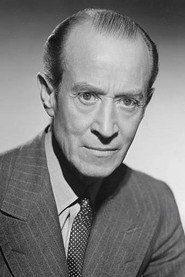 H.B. WarnerLord Melbourne
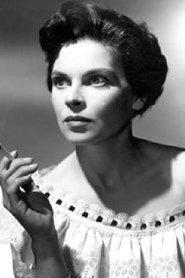 Mary MorrisDuchess of Kent
- James DaleDuke of Wellington
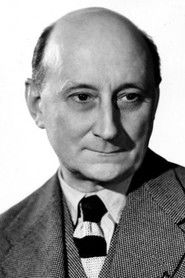 Felix AylmerLord Palmerston
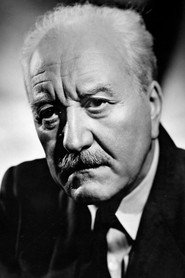 Charles CarsonRobert Peel
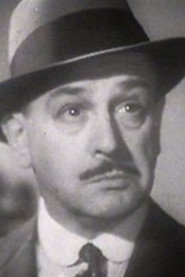 Gordon McLeodJohn Brown
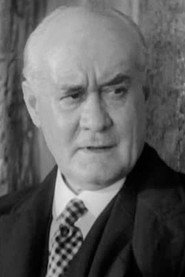 C. V. FranceArchbishop of Canterburry
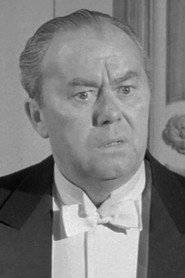 Arthur YoungWilliam Gladstone
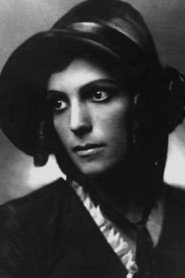 Greta SchröderBaroness Lehzen
Directing
- Herbert WilcoxDirector
Writing
- Charles de GrandcourtWriter
- Miles MallesonWriter
Production
- Herbert WilcoxProducer
- Tom WhiteProduction Manager