
Film
BLOOM
- Psychological horror
- Very dark
A six-minute short film about creative desperation and obsession, where an origamist's blocked inspiration takes a sinister turn. It's visceral and strange, built on dread rather than jump scares, with a visual language that treats the mundane as uncanny. Perfect for anyone who loves horror that works through mood and implication rather than gore.
Should you watch it?
Watch it if you like a short, tightly wound piece of horror where one unsettling idea gets all the room it needs, and you value dread built through craft over anything loud or explained.
Skip it if you want plot to carry you, since this one stays narrow and sits with its mood rather than explaining itself.
What it asks of you: Barely six minutes, and it tightens steadily through each one, so give it your full attention from the first frame with no half-watching.
Not sure? Find tonight's pick in a minute.
If you liked this
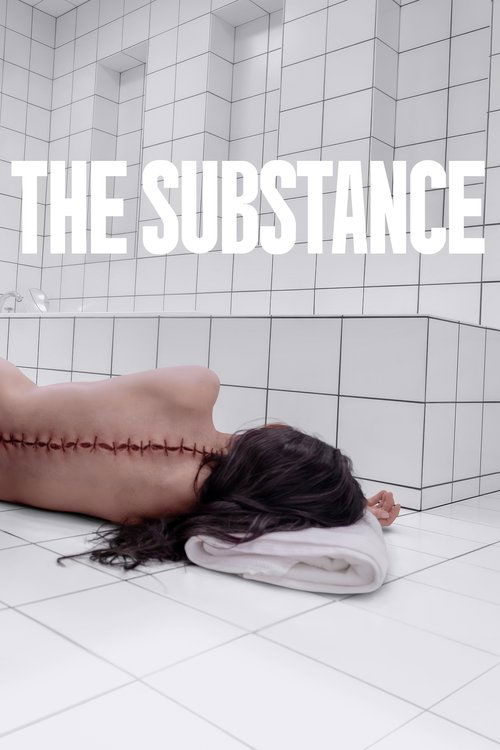
The Substance2024
Coralie Fargeat's body-horror exploration of aging and desperation echoes Bloom's obsessive intensity. It's visually bold, philosophically sharp, and genuinely unsettling in ways that linger after the credits roll.
But It's nearly three hours of graphic body modification that can feel repetitive, and the social commentary sometimes overwhelms the story. Extremely uncomfortable viewing.
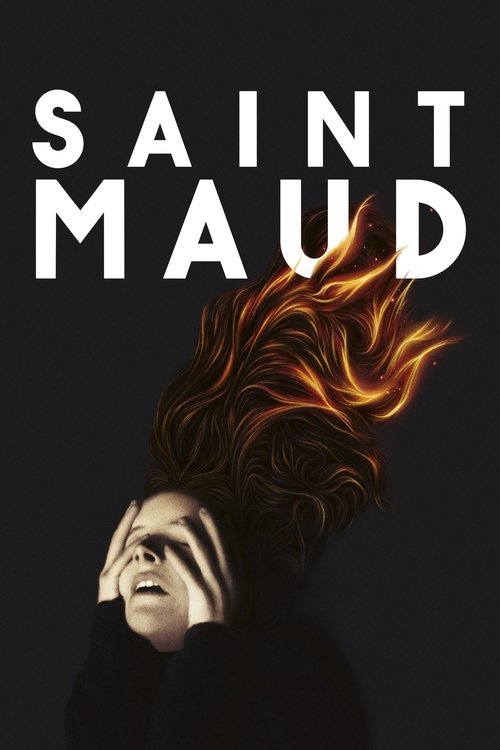
Saint Maud2020
Rose Glass transforms a care worker's mental unraveling into something quietly terrifying. Like Bloom, it uses restraint and implication to create profound dread, with an ending that recontextualizes everything that came before.
But Very slow-burn and introspective. If you're looking for plot momentum or clear answers, you'll be frustrated. Some find the ambiguity pretentious.
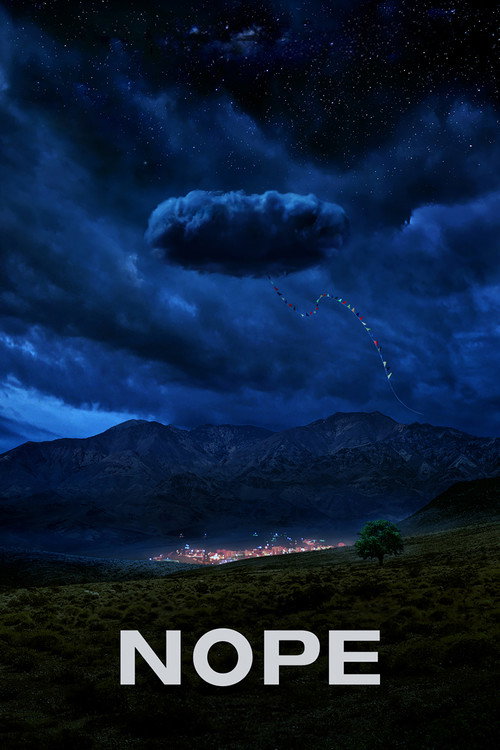
Nope2022
Jordan Peele builds tension from the refusal to show you what you want to see. Bloom shares that commitment to suggestion over spectacle, and both films understand that mystery is scarier than revelation.
But The middle section drags deliberately, which pays off thematically but tests patience. Some find the tonal shifts jarring and the ending divisive.
Not sure tonight? Get a pick in a minute, starting from BLOOM
The wildcard
Something you would not have found on your own.
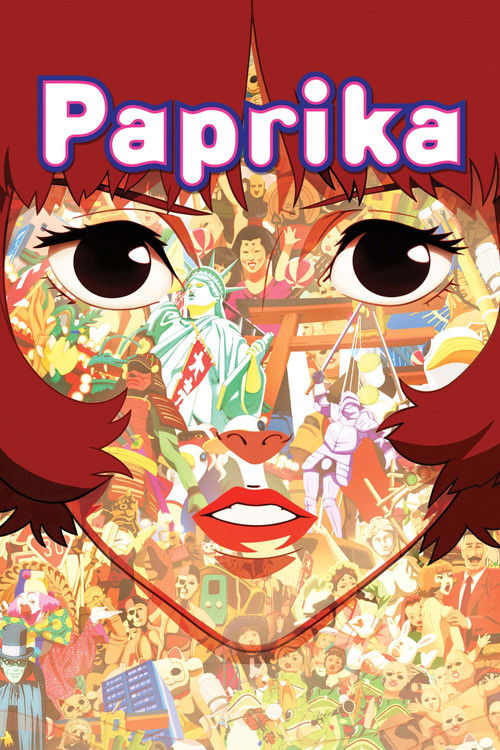
Paprika2006
Both explore how creative desperation can warp perception and blur the boundary between internal need and external reality. One uses hyperrealistic horror; the other uses pure surrealism to say the same terrifying thing.
Satoshi Kon's surreal animation about creative obsession bleeding into reality through dream technology. Like Bloom, it's visually inventive work about inspiration gone wrong, but it operates in pure abstraction rather than realism—making the impossible feel immediate and claustrophobic.
But Deliberately disorienting and dreamlike. The plot becomes increasingly abstract and hard to follow. Some find it incomprehensible or exhaustingly busy.
More like this (8)
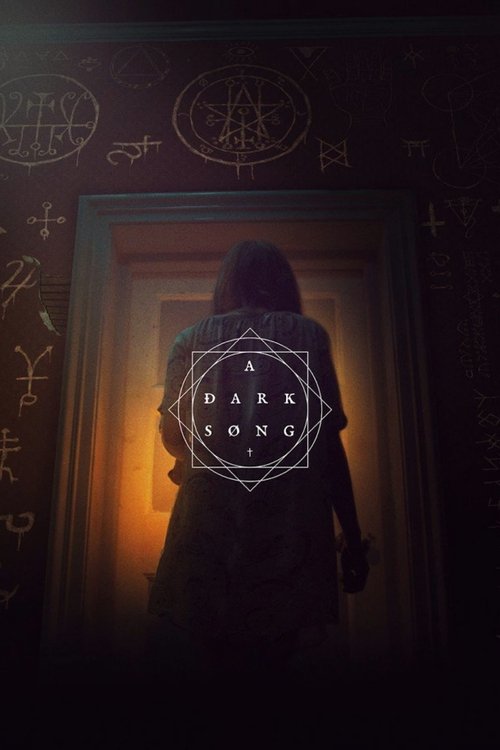
A Dark Song2016
An intimate, haunting film about grief expressed through obsessive ritual. Like Bloom, it finds horror in the space between desperation and transcendence, treating pain as something tangible and visible.
But Extremely slow, emotionally heavy, and deliberately obscure about what's real. Two characters, one room for most of the runtime. Requires active patience.
Under the Skin2014
Jonathan Glazer's film is a masterclass in creating unease through visual composition and sound design. Bloom shares its commitment to feeling over narrative clarity, using form itself as the source of dread.
But There's barely a conventional plot. It's glacial, abstract, and demands the viewer meet it halfway. Many find it inaccessible or pointlessly opaque.

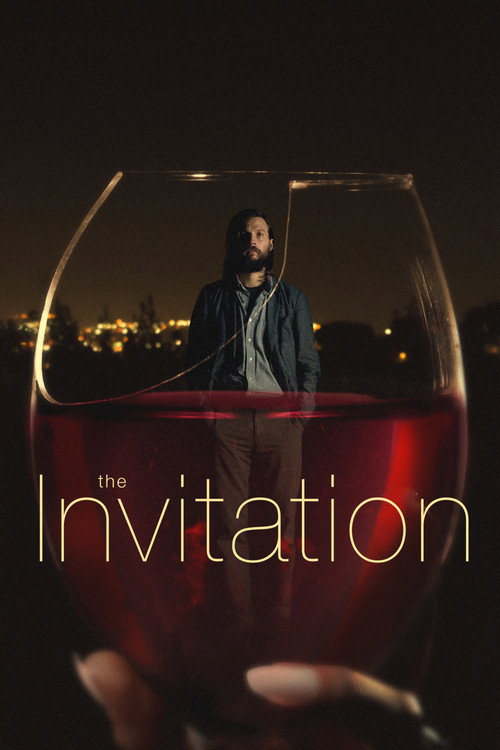
The Invitation2016
A dinner party descends into paranoia and ambient terror. Like Bloom, it understands that the most effective horror emerges from everyday situations corrupted by hidden intentions and psychological tension.
But Relies entirely on dialogue and social discomfort. If you need visual spectacle or action, this feels like watching a play. Very slow escalation.
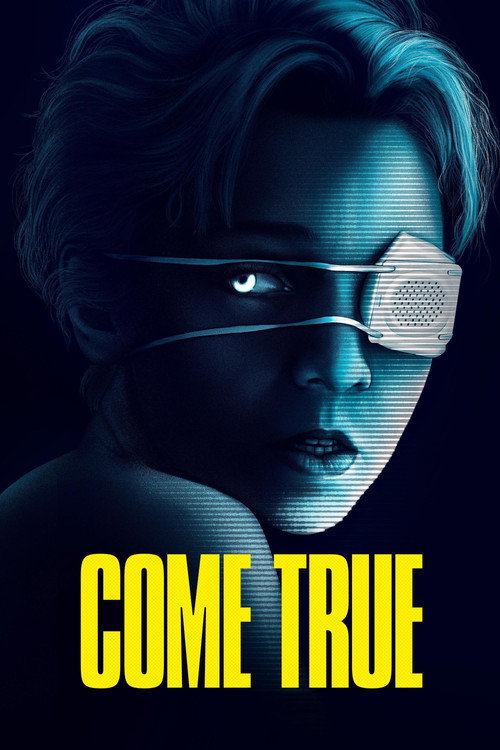
Come True2020
This short-film-turned-feature explores desperation through a sleep study that becomes increasingly nightmarish. It shares Bloom's visual inventiveness and willingness to let atmosphere overwhelm conventional storytelling.
But Aesthetically challenging and narratively cryptic. The ending is deliberately unresolved. Some find the art-film pacing tedious.
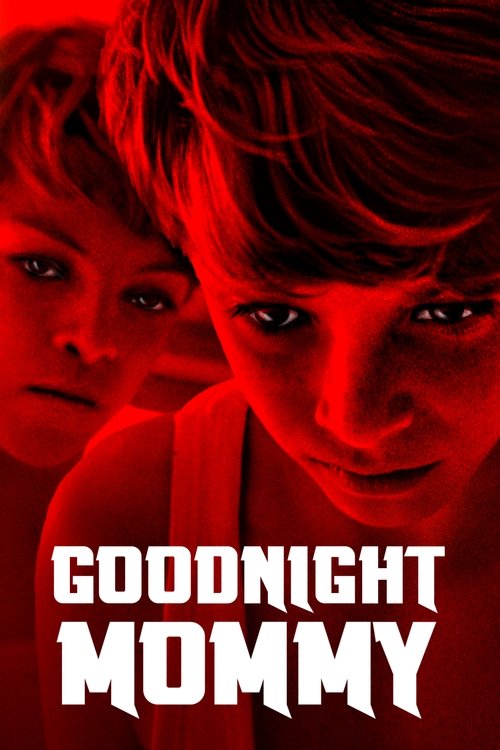
Goodnight Mommy2015
Austrian body horror about a mother returning from surgery. Both films treat the familiar as potentially dangerous and explore how obsession warps perception. It's visually striking and deeply unsettling.
But Genuinely graphic and cruel in ways that feel gratuitous to some. The twist, while effective, relies on viewer manipulation that not everyone appreciates.
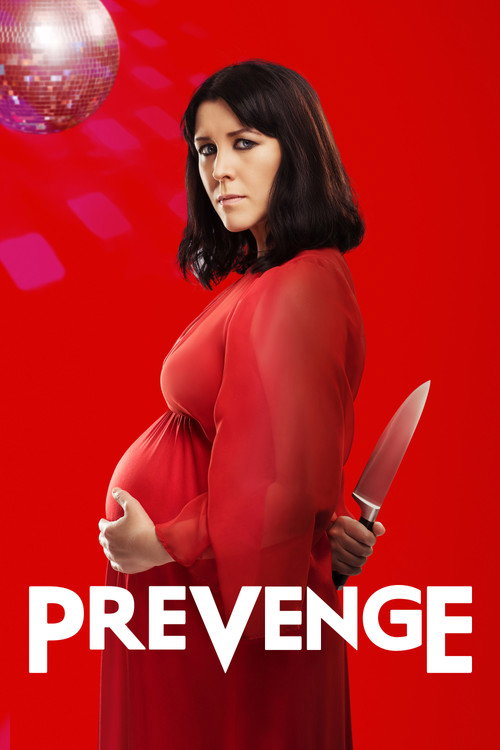
Prevenge2017
A pregnant woman is compelled to murder by her fetus. It's darkly funny, formally inventive, and explores desperation through body horror and fractured perspective. Unpredictable and wildly original.
But The tone is deliberately unstable and absurd, which deflates the horror for many. Some find the premise gimmicky or the execution uneven. Not everyone wants their horror funny.
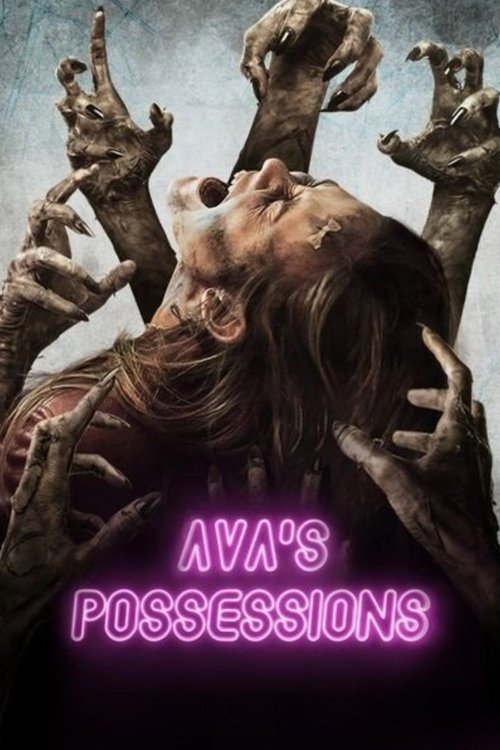
Ava's Possessions2015
Both treat inanimate objects as the source of psychological horror. Both use visual form and composition as the primary storytelling device. But where Bloom is bodily and visceral, this is ethereal and meditative.
A Korean short film about a woman haunted by objects in her apartment. Like Bloom, it finds profound dread in the ordinary, but it's shot like a music video—beautiful and formally controlled rather than gritty. The horror emerges through aesthetics rather than narrative.
But It's more experimental art piece than traditional story. Very little dialogue, heavy reliance on visual mood. If you need coherent plot and character arc, this won't provide it.
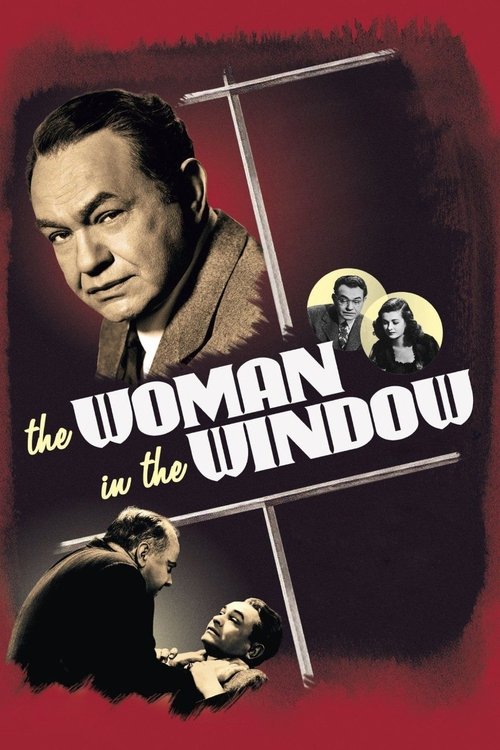
The Woman in the Window1944
Both center on isolated women whose obsessive need to solve something (artistic or literal) becomes self-destructive. Both understand that desperation is inherently psychological rather than supernatural. Different eras, same moral reckoning.
Fritz Lang's noir about a suburban woman who witnesses a murder and becomes dangerously obsessed with solving it. Like Bloom, it explores how desperation and blocked agency lead to dangerous fixation, but it does so through 1940s psychological thriller conventions—precise, intelligent, and morally complex.
But It's a seventy-year-old noir with all the dated gender politics that come with it. Some find the pacing glacial by modern standards. Black-and-white cinematography requires patience.
People
Cast
- Daria SokolenkoMargot
Directing
- Destinee McCasterDirector
- Kiersten MyersFirst Assistant Director
- Annabelle ToeScript Supervisor
- Maya GardnerScript Supervisor
Production
- Cassie GreerProducer
- Jay McGregorProduction Assistant
- Maya GardnerProduction Assistant