
Film
Permanent Midnight
- Drama
- Very dark
Ben Stiller plays a TV comedy writer spiralling through heroin addiction while his career soars. It's a bleak, unglamorous look at addiction's mechanics—how it coexists with professional achievement, how it lies to you, how it isolates you even in a room full of people. For anyone curious about how addiction actually works rather than how it looks in movies.
Should you watch it?
Watch it if you want a sober-eyed addiction story told with black humor and a lead performance that turns charm into a liability, and you don't need the damage softened.
Skip it if you need likable heroes or a story that resolves neatly, since this one stays close to its protagonist's self-deception and rarely lets up on its grimness.
What it asks of you: It runs under ninety minutes but keeps a tight, uneasy focus, asking you to stay with one man's downward circling scene after scene without much relief.
Not sure? Find tonight's pick in a minute.
If you liked this
Requiem for a Dream2000
Darren Aronofsky's unflinching portrait of four addicts in Brooklyn, each chasing their own fix through different substances. Hypnotic, horrifying, and formally daring in ways that make the destruction feel visceral and inevitable.
But It's punishing to watch. The visual and sonic assault in the second half is designed to replicate addiction's loss of control, and some people find that exhausting rather than cathartic.

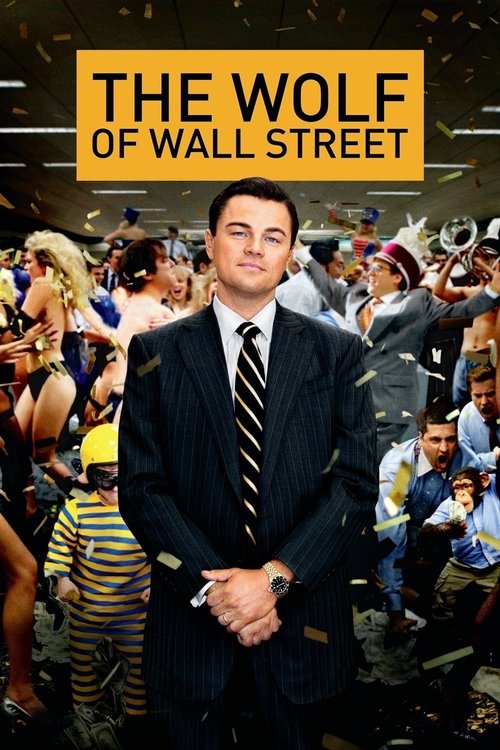
The Wolf of Wall Street2013
Scorsese and DiCaprio anatomize a different kind of high—money, power, and excess. Like Permanent Midnight, it doesn't judge so much as document the self-delusion that keeps someone functional while everything rots.
But Three and a half hours of shaggy, repetitive excess. Some view it as endorsing the lifestyle rather than critiquing it, and the pacing tests patience.
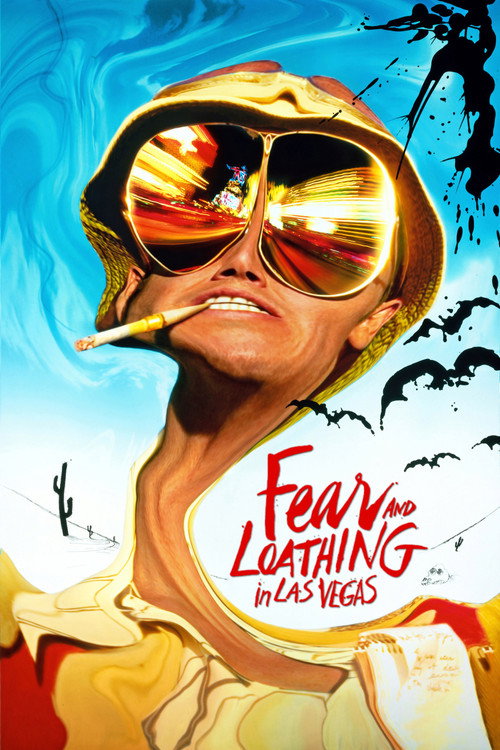
Fear and Loathing in Las Vegas1998
Terry Gilliam's acid-fueled fever dream about two journalists in the desert, also adapted from memoir. Kaleidoscopic and darkly comic, it captures addiction's paranoia and sensory distortion where other films just show the consequences.
But It's deliberately chaotic and hard to follow. Some see it as style suffocating substance, and the runtime padding feels self-indulgent.
Not sure tonight? Get a pick in a minute, starting from Permanent Midnight
The wildcard
Something you would not have found on your own.
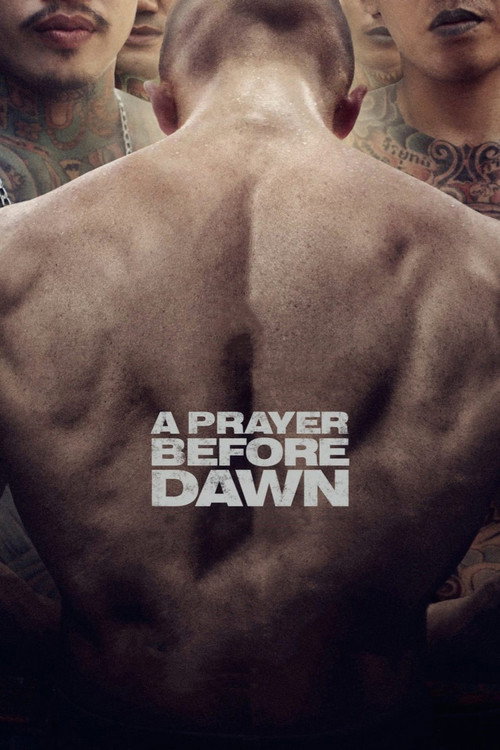
A Prayer Before Dawn2018
Both use a specific professional world (TV comedy, Muay Thai) as the container for addiction's slow suffocation; both show excellence and annihilation happening simultaneously.
A boxer and addict in Thailand fighting in underground rings to survive. It's shot with brutal authenticity in a real camp with non-actors. The film uses the body and boxing as language when language fails—a complete formal departure from Permanent Midnight's verbal and interior portrait.
But Joe Cole is a non-actor in the lead role, and his performance is raw but occasionally stiff. The Thai boxing scenes are genuinely difficult and some find the violence gratuitous rather than purposeful.
More like this (8)
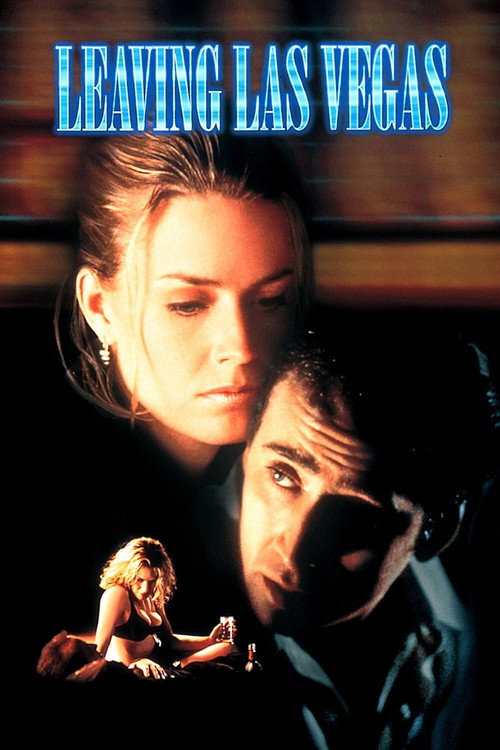
Leaving Las Vegas1995
Nicolas Cage as a screenwriter destroyed by alcohol in Vegas. Mike Figgis directs with unflinching intimacy; this is addiction as a love story with your own annihilation, quiet and terrible.
But Relentlessly depressing with no relief or redemption arc. The sexual violence makes it harder to recommend than Permanent Midnight, despite being a masterpiece.
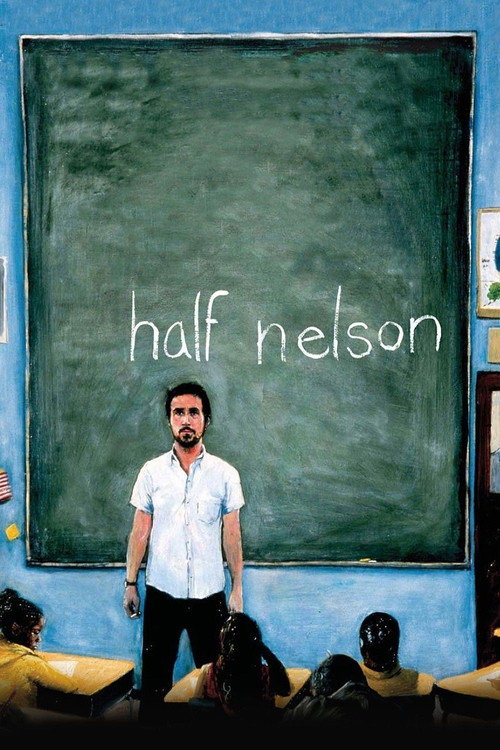
Half Nelson2006
Ryan Gosling as a middle-school teacher with a crack habit. Low-budget and intimate, it finds humanity and humor in degradation without softening the damage he causes to people who care about him.
But Slow and quiet in a way that can feel slight. The lack of plot momentum means it lives or dies on how much you connect with the protagonist.
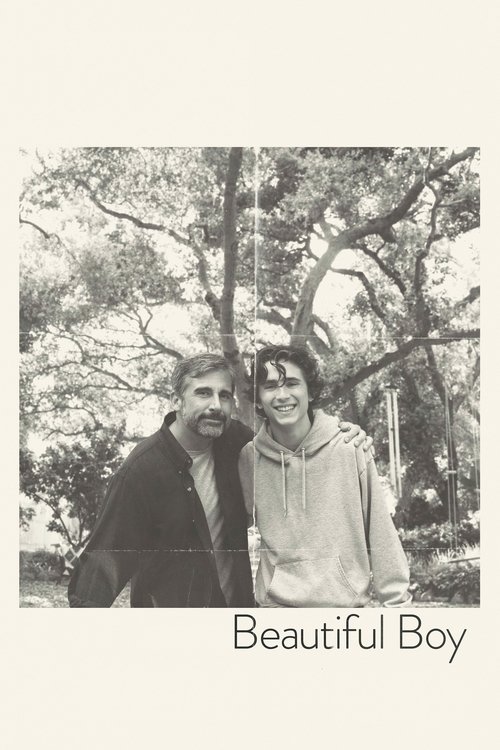
Beautiful Boy2018
Timothée Chalamet as a crystal meth addict, Steve Carell as his father. It moves between their perspectives to show how addiction devastates everyone nearby, not just the user. Grounded and genuinely moving.
But The dual perspective splits emotional focus. Some find the father's storyline saccharine compared to the son's harder truths.
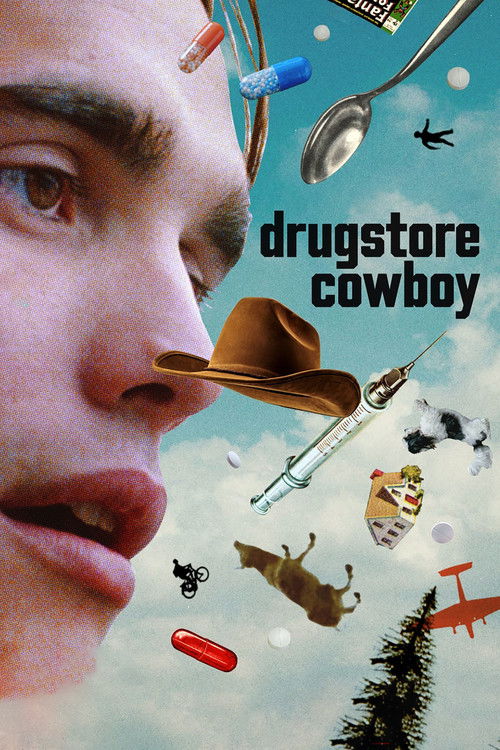
Drugstore Cowboy1989
Gus Van Sant's portrait of a crew of Portland pill addicts robbing pharmacies. Black-comic and elegiac, it treats desperate people as complex humans rather than cautionary tales or villains.
But Episodic and understated to the point of feeling thin. The narrative meanders, and some find the spiritual detour near the end precious.
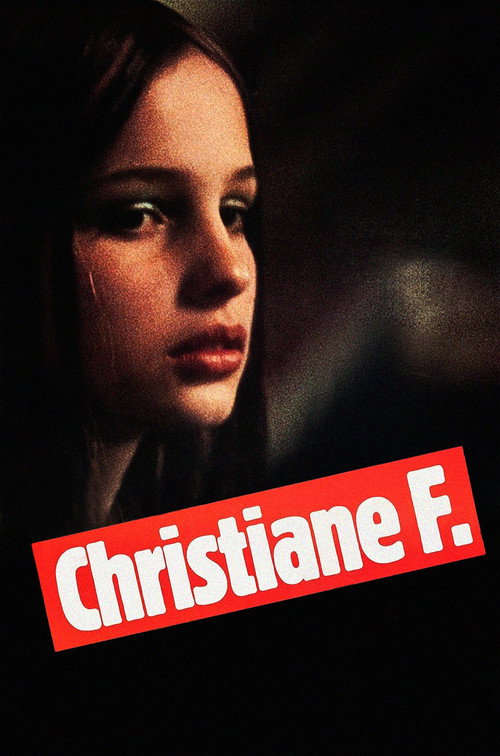
Christiane F.1981
German film about a teenage girl's descent into heroin addiction in Berlin's underground scene. Authentic, harrowing, and genuinely angry at the systems that fail her. Jürgen Havers' portrait of misery is unforgettable.
But It's devastating and often unwatchable. The depiction of child exploitation is relentless, and there's no catharsis or redemption; just damage.
Spun2003
Joey Dirnt's direction of a three-day methamphetamine binge with a truly chaotic ensemble. It captures addiction's speedfreak aesthetic in a way that feels lived-in and feral, darkly funny and reckless.
But Aggressively style-over-substance, with a plot that barely exists. The frenetic editing exhausts rather than exhilarates, and the characters are sketches.

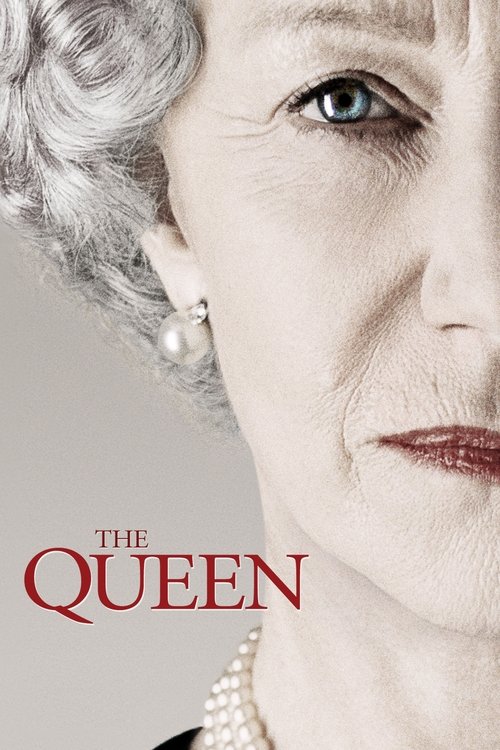
The Queen2006
Like Stahl's narration in Permanent Midnight, the Queen's interior monologue reveals the gap between her public performance and private devastation. Both are about the exhaustion of holding a persona together.
Stephen Frears directs Miriam Margolyes as Queen Elizabeth I in her final days—a portrait of a powerful woman in decline, controlling everything around her while losing control of her body. It's miniature and intimate, utterly still, about the lies we tell to maintain an image.
But It's a one-act chamber play with minimal plot. If you need narrative momentum or conflict, you'll find it glacially slow and monotonous.
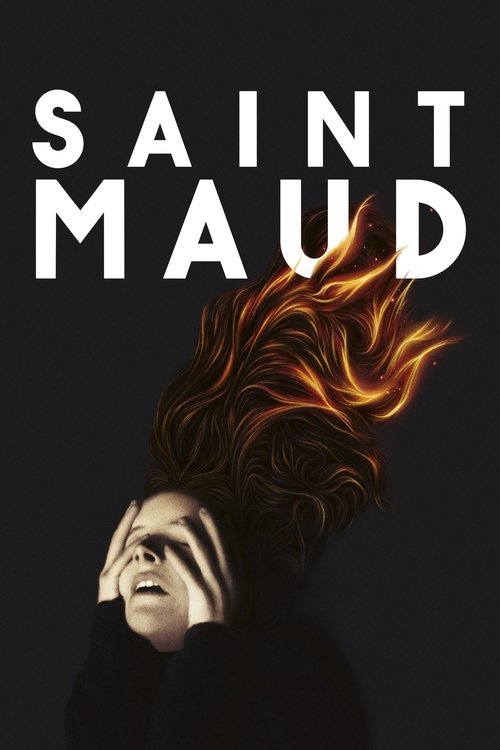
Saint Maud2020
Both examine a protagonist's internal rationalization of self-destruction and their inability to see the harm they cause. Both use their specific worlds (TV writing, nursing) to explore how we justify staying in situations that are killing us.
Rose Glass's debut about a home-care nurse obsessed with her terminally ill patient. It's a psychological horror film that works as a study of isolation, obsession, and the ways we attach to things we cannot save—reimagining addiction as spiritual pathology rather than chemical.
But It's slow-burn and deliberately opaque about what's real and what's delusion. The ending divides viewers, and some find the ambiguity infuriating rather than unsettling.
People
Cast
 Ben StillerJerry Stahl
 Elizabeth HurleySandra
 Maria BelloKitty
 Owen WilsonNicky

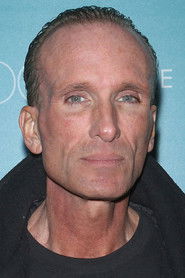 Peter GreeneGus
 Cheryl LaddPamela Verlaine
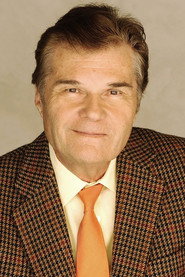 Fred WillardCraig Ziffer
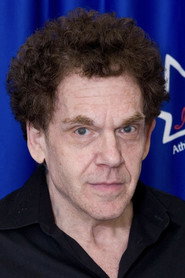 Charles FleischerAllen from Mr. Chompers
 Janeane GarofaloJana Farmer
 Connie NielsenDagmar
 Sandra OhFriend
Directing
- David VelozDirector
- Joel Jeffrey NishimineFirst Assistant Director
- Lori GrabowskiScript Supervisor
- Jaleh TeymourianSecond Assistant Director
Writing
- Jerry StahlNovel
- David VelozWriter
Production
- Sandy HoltADR Voice Casting
- Herb AnkromAssistant Production Coordinator
- Richard HicksCasting
- Ronnie YeskelCasting
- Jennifer LevyCasting Assistant
- Robert LeveenCo-Producer
- Yalda TehranianExecutive Producer
- Don MurphyProducer
- Jane HamsherProducer
- Lynell BangsProduction Accountant
- Robin Mulcahy FisichellaProduction Coordinator
- Susan McNamaraProduction Manager
Recommended by
28 Days, Side Effects, Smithereens, Sex/Life, Johnny Suede, A Million Little Pieces, Unscripted, Daydream Nation