
Film
Side Effects
A woman's prescription for anxiety spirals into something darker when her medicated behavior threatens everyone around her. Steven Soderbergh's sleek thriller is a paranoid puzzle-box where you're never quite sure who's manipulating whom. It's for anyone who enjoys being genuinely wrong-footed—the kind of film that rewards a second viewing because the clues were always there.
Should you watch it?
Watch it if you love psychological thrillers where the pleasure lies in doubt about who is steering whom, delivered with cool, precise craft from Steven Soderbergh's clinical eye.
Skip it if you want brisk momentum or a clean, reassuring payoff, since it is measured, dialogue-driven and happy to leave you uneasy.
What it asks of you: Under two hours of patient, dialogue-heavy build that rewards close attention; the unease accumulates in small domestic details and clinical conversations rather than jolts.
Not sure? Find tonight's pick in a minute.
If you liked this
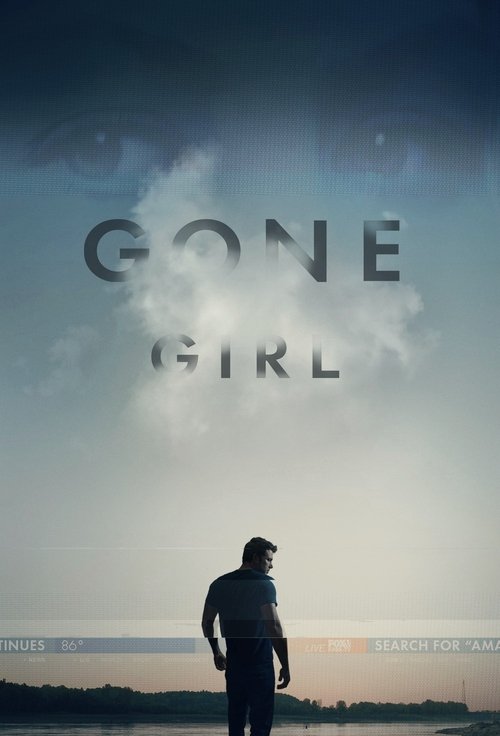
Gone Girl2014
Another marriage-as-battleground thriller with an unreliable woman at its center, but with Fincher's surgical direction and a twist that recontextualizes everything before it. Equally brilliant at misdirection and performance.
But The husband's passivity can read as hollow, and the film's cynicism about gender and media doesn't offer much comfort. Nearly three hours of mounting dread.
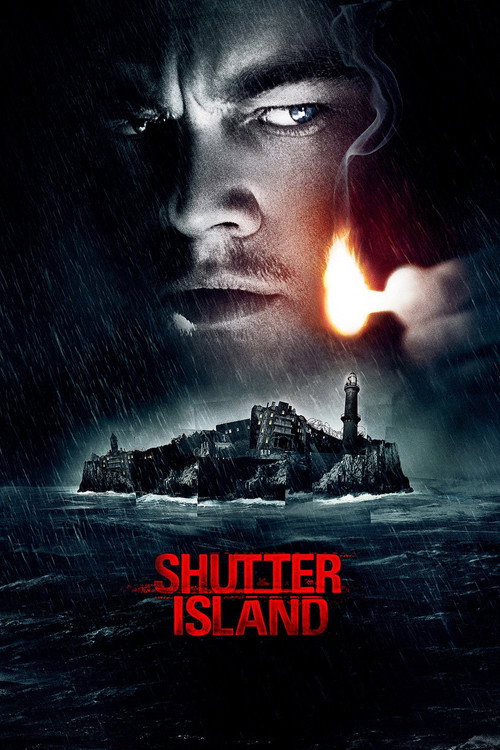
Shutter Island2010
DiCaprio investigates a psychiatric hospital while reality crumbles around him. Scorsese's approach is more expressionist than Soderbergh's, but both films nail that queasy feeling of not trusting your own perception.
But Tropier than Side Effects, with heavy-handed symbolism that some find dated. The third act explanation can feel reductive.
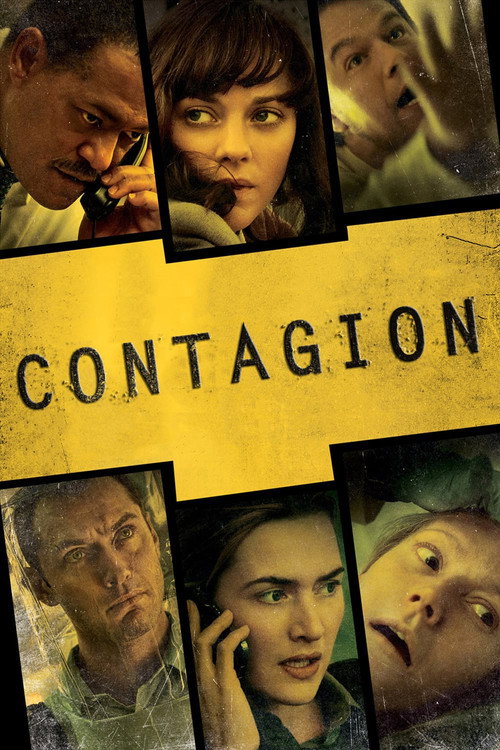
Contagion2011
Soderbergh's own pandemic thriller shares Side Effects' cold precision and paranoid structure. He orchestrates ensemble dread with the same mathematical detachment, turning systemic dysfunction into visceral suspense.
But More procedural than psychological; some find it chilly rather than gripping. The plot mechanics matter more than emotional stakes.
Not sure tonight? Get a pick in a minute, starting from Side Effects
The wildcard
Something you would not have found on your own.
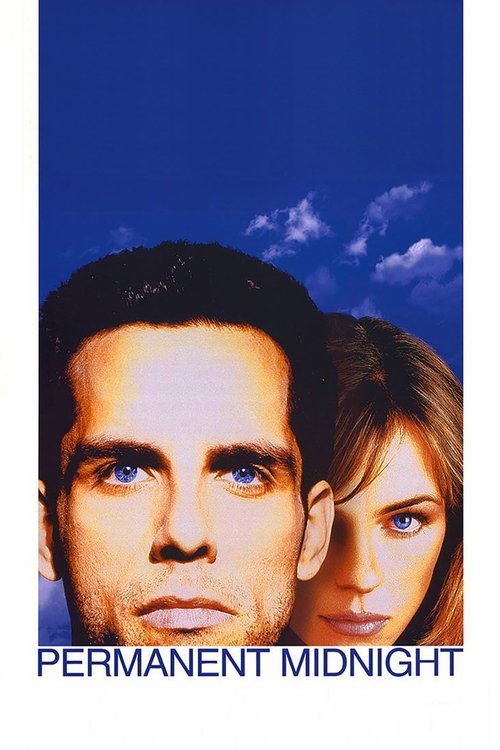
Permanent Midnight1998
Both explore the dark bargain we strike with substances—promised relief that mutates into something far more destructive—but Permanent Midnight lives in the addict's despair while Side Effects maintains clinical distance.
Ben Stiller (remember him here?) plays a TV writer whose addiction spirals into chaos. It shares Side Effects' interest in how pharmaceutical escape and behavioral spiral are two sides of the same coin, but from inside the addict's head rather than observing from outside.
But Genuinely depressing in ways that don't offer narrative satisfaction. Stiller's performance is deeply unsexy and the film feels like a hangover.
More like this (8)
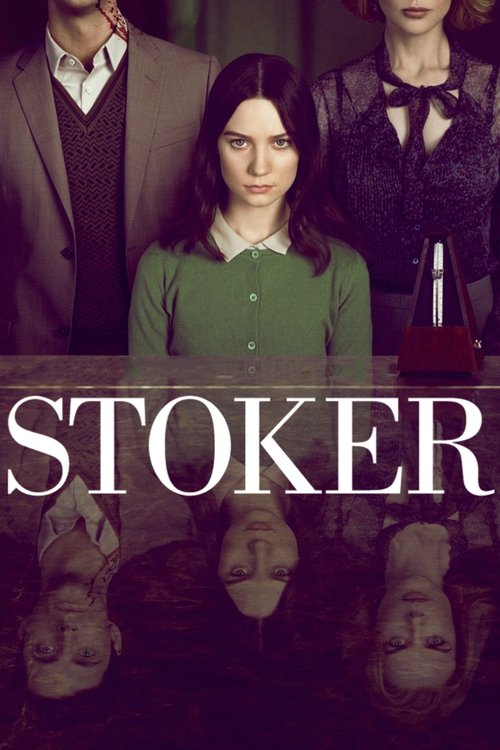
Stoker2013
Park Chan-wook's American debut is similarly twisty and immaculately composed, with a woman navigating psychological manipulation through a carefully constructed facade. Visual storytelling as plot.
But Slow-burn pacing and oblique symbolism won't satisfy anyone wanting clear answers. Genuinely uncomfortable sexual dynamics throughout.
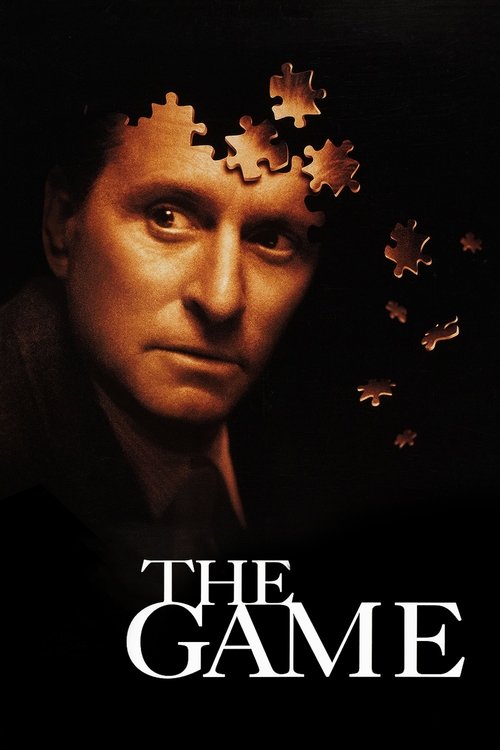
The Game1997
Fincher's underrated thriller about a man caught in an elaborate conspiracy shares Soderbergh's love of narrative trickery. Both directors understand that the best twist isn't the what—it's the why.
But The logic strains if you think too hard. Some dismiss it as a prototype for Fincher's better work, missing the point entirely.
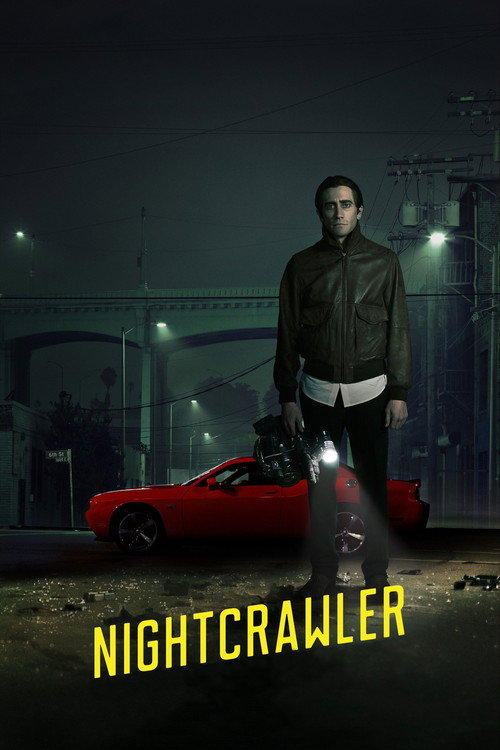
Nightcrawler2014
Gyllenhaal's sociopath navigates systems of manipulation and exploitation with unsettling charm. Like Side Effects, it's about someone who understands the game better than everyone else, and the collateral damage they leave.
But The protagonist is actively repugnant, and the film offers no moral comfort. Relentless and bleak throughout.
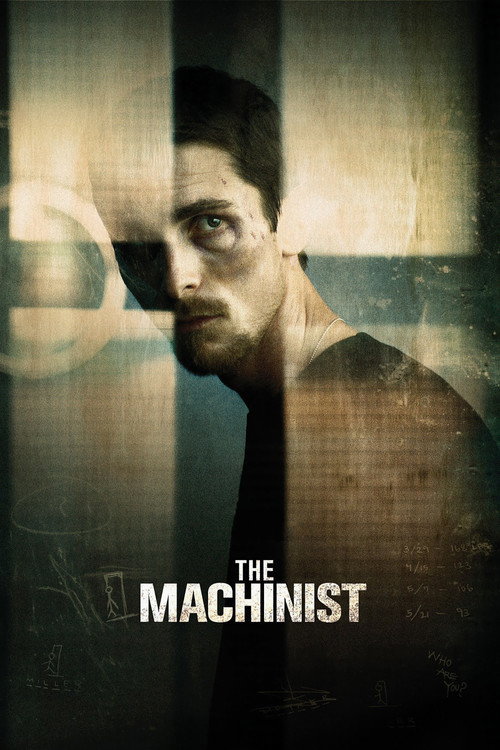
The Machinist2004
A man's grip on reality disintegrates through insomnia and paranoia. Christian Bale's haunted performance and Brad Anderson's suffocating direction create the same sense of psychological freefall that Side Effects achieves chemically.
But Deliberately opaque and austere. Some find the ending frustratingly ambiguous rather than intriguingly so.
Mulholland Drive2001
Lynch's Los Angeles nightmare wraps murder, delusion, and identity crisis into a film that mutates on every viewing. Like Side Effects, it's a masterclass in making you question what's real and who you're rooting for.
But Willfully nonlinear; some scenes feel gratuitous. If you don't accept ambiguity as payment, this will infuriate you.

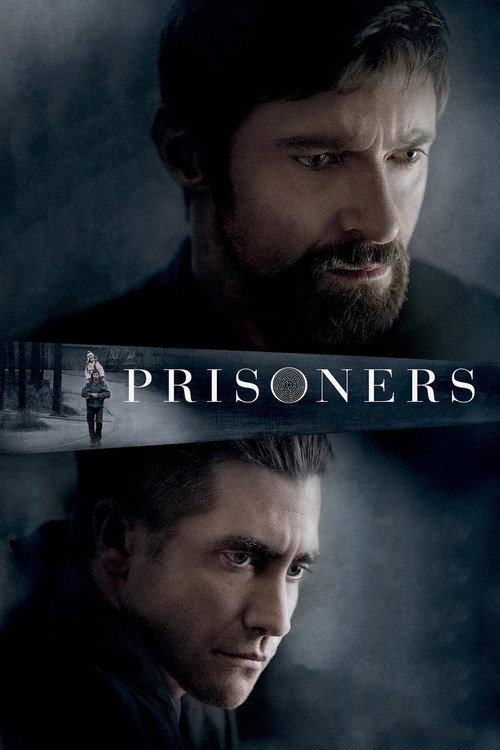
Prisoners2013
Villeneuve's bleak kidnapping drama shares Side Effects' interest in how desperation and moral compromise corrupt good people. Both explore the gap between what we believe and what we can prove.
But Over two and a half hours of grim procedural investigation with no catharsis. The violence is unflinching and the ending offers no redemption.
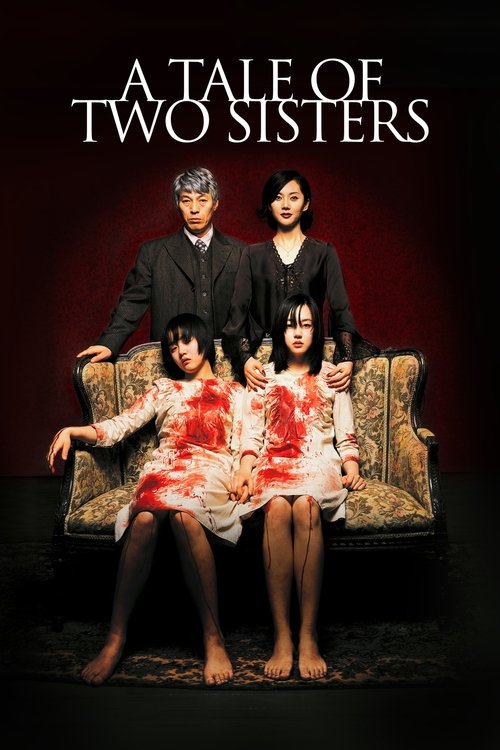
A Tale of Two Sisters2003
Both films understand that the most effective thriller isn't about external danger but about watching someone's perception of reality splinter, turning the audience into active detectives of the protagonist's sanity.
This Korean horror-thriller appears to be about a disturbed family but is actually a fractured narrative about grief and dissociation told through beauty and dread. Like Side Effects, it weaponizes your own interpretation against you—nothing is what it seems because the narrator's mind is unreliable.
But Slow-paced atmospheric horror that privileges mood over plot clarity. The payoff is psychological and subtle, not visceral.
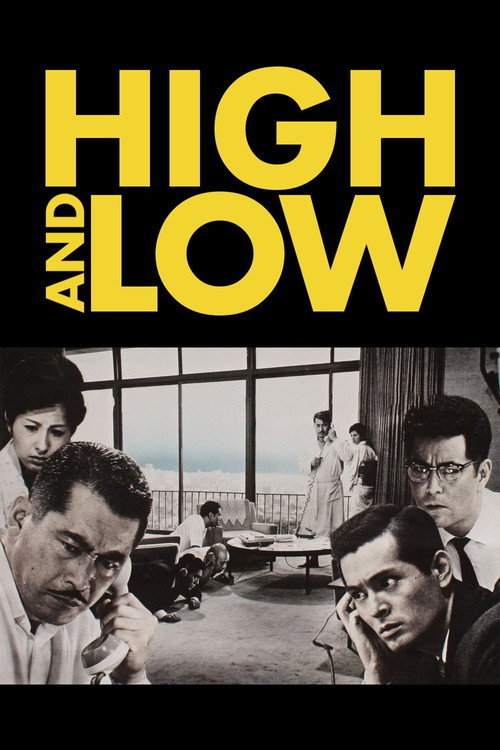
High and Low1963
Both films are less interested in whodunit than in the web of social and economic conditions that make crime inevitable—they're thrillers about systems, not just secrets.
Kurosawa's crime masterpiece begins as a kidnapping thriller but becomes a meditation on class, consequence, and the systems that allow evil to flourish. Like Side Effects, it's obsessed with how one person's desperation creates cascading damage through multiple lives.
But Three hours of 1960s Japanese cinema; the pacing is deliberate and the social commentary overwhelms plot momentum for modern audiences. Black and white and subtitled.
People
Cast
 Rooney MaraEmily Taylor
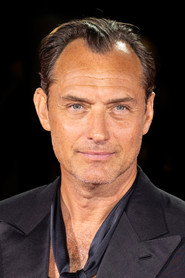 Jude LawJonathan Banks
 Catherine Zeta-JonesDr. Victoria Siebert
 Channing TatumMartin Taylor
 Vinessa ShawDierdre Banks
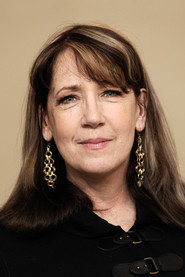 Ann DowdMrs. Taylor
 Polly DraperEileen Spicer
 David CostabileCarl
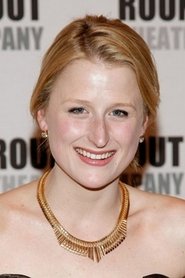 Mamie GummerKayla
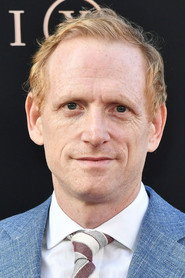 Scott ShepherdNYPD Detective
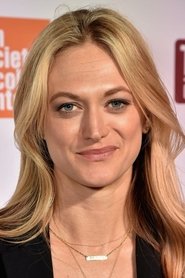 Marin IrelandUpset Visitor
 Elizabeth RodriguezPharmacist
Directing
- Steven SoderberghDirector
- Gregory JacobsFirst Assistant Director
- Eva Z. CabreraScript Supervisor
- Jody SpilkomanSecond Assistant Director
Writing
- Scott Z. BurnsScreenplay
Production
- Carmen CubaCasting
- Wittney HortonCasting Associate
- Douglas HansenExecutive Producer
- James D. SternExecutive Producer
- Michael PolaireExecutive Producer
- Brittany RostronLocation Coordinator
- Robert T. StriemLocation Manager
- Gregory JacobsProducer
- Lorenzo di BonaventuraProducer
- Scott Z. BurnsProducer