
Film
Orchestra of Exiles
Orchestra of Exiles chronicles Bronislaw Huberman's urgent mission to rescue Europe's finest Jewish musicians from Nazi persecution. Part thriller, part testament to art's power amid atrocity, it weaves archival footage with interviews from surviving musicians—Itzhak Perlman, Joshua Bell—who owe their lives to one violinist's moral courage. Essential and moving.
If you liked this
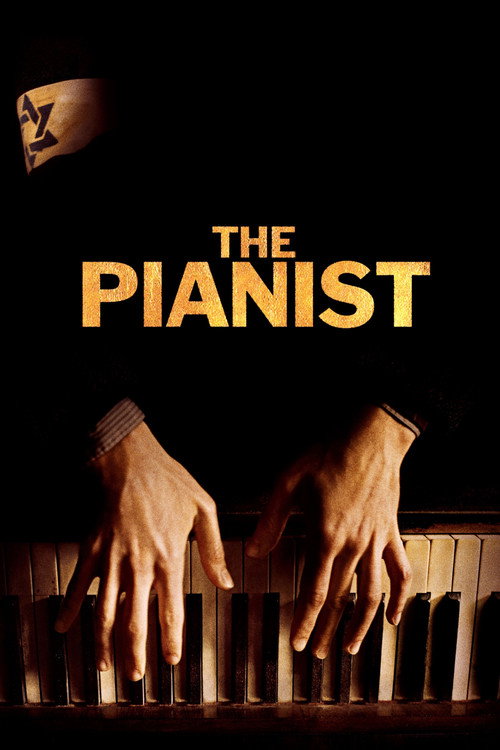
The Pianist2002
Adrien Brody's Oscar-winning performance captures a Jewish pianist's impossible survival during the Holocaust with unflinching grace. A masterpiece about music as both weapon and salvation amid unimaginable cruelty.
But Roman Polanski's unflinching direction means the brutality is genuinely hard to watch. Some find its pacing meditative rather than propulsive.
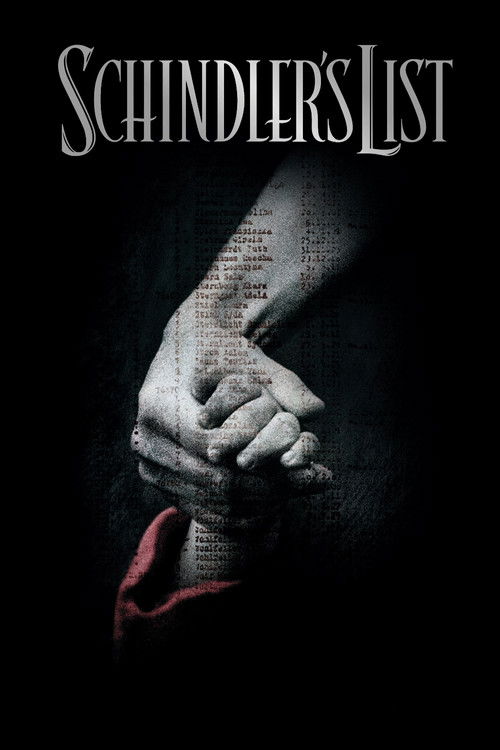
Schindler's List1993
Spielberg's definitive Holocaust film follows one man's transformation into saviour. Huberman's story echoes this arc—ordinary person awakened to extraordinary moral necessity—but Orchestra lets real survivors speak for themselves.
But Three and a half hours and relentlessly dark. Its cultural weight can feel heavy-handed to some viewers seeking subtlety over statement.
Night and Fog1956
Alain Resnais's 30-minute essay interweaves colour footage of liberated camps with archival photography. Devastatingly poetic. A companion piece that contextualizes what Huberman was racing to prevent.
But Extremely dense and demanding. Its lyrical tone—rather than straightforward exposition—can feel indirect if you need documentary clarity.

Not sure tonight? Get a pick in a minute, starting from Orchestra of Exiles
The wildcard
Something you would not have found on your own.
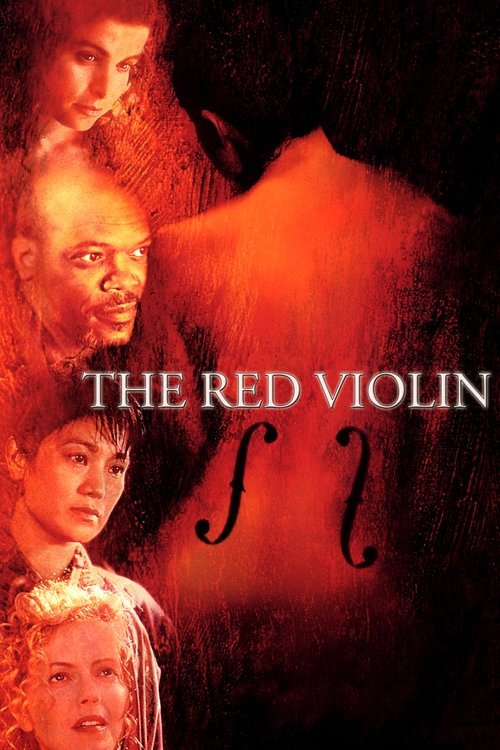
The Red Violin1998
Both films treat musical instruments not as background but as characters—tangible witnesses to history and vessels of meaning that transcend their makers' intentions.
François Girard's non-linear masterpiece follows an extraordinary violin across centuries and continents through war, passion, and survival. It explores the same question as Orchestra: what does a perfect object mean when humans are in peril?
But Its episodic structure across four centuries can feel fragmented. The baroque plotting prioritizes beauty over clarity, which distances some viewers.
More like this (8)
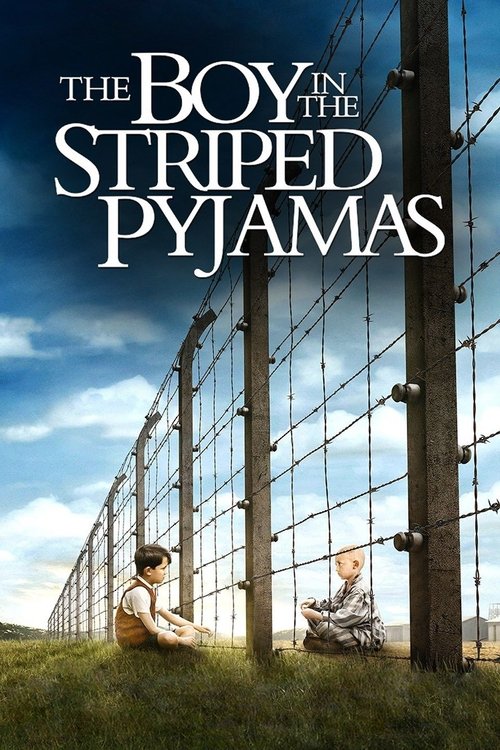
The Boy in the Striped Pyjamas2008
Told through a child's perspective, it explores complicity and innocence during the Holocaust. Complements Orchestra's focus on rescue by showing the machinery Huberman fought against.
But Its young protagonist's naivety about the camp's purpose bothers many viewers. Some find it sentimentalizes genocide rather than honoring it.
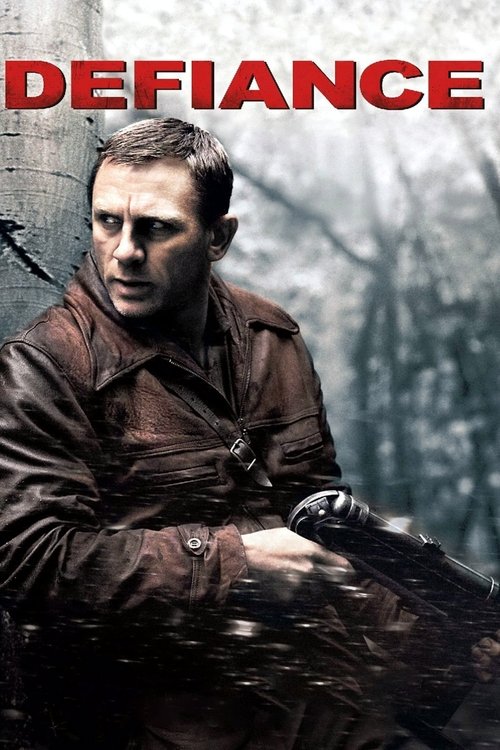
Defiance2008
Daniel Craig and Liev Schreiber lead a true story of Jewish resistance in the forests. Like Huberman, these men chose action over surrender, turning survival into defiance.
But The action-thriller framing dilutes moral complexity. Feels more Hollywood than Huberman's quieter, administrative heroism.
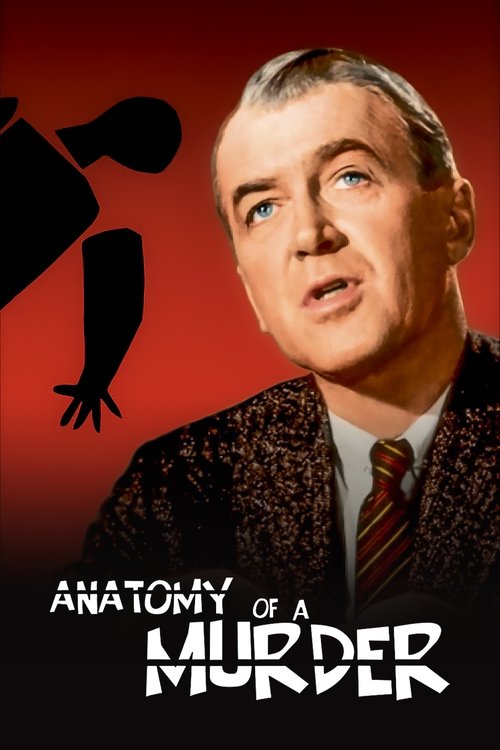
Anatomy of a Murder1959
Otto Preminger's courtroom drama explores moral judgment and ethical nuance in wartime. Not about the Holocaust, but shares Orchestra's interest in individuals making principled stands under pressure.
But It's a legal procedural set in America, not Europe. The connection to genocide rescue is thematic only—some will find it tangential.
The Red Shoes1948
Powell and Pressburger's masterpiece about ballet obsession features Pinchas Zukerman's father, Aaron, as conductor. A celebration of European musical culture—the civilization Huberman desperately tried to preserve.
But It's a fantasy-inflected melodrama about dance, not history. The connection feels romantic rather than directly relevant to the documentary's urgency.

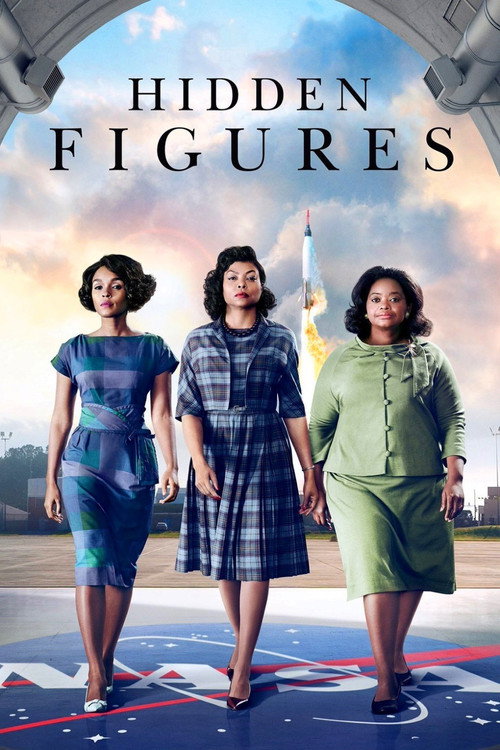
Hidden Figures2016
Three brilliant women refuse erasure during the Space Race. Like Huberman, they navigate systems designed to exclude them, turning skill and determination into survival and vindication.
But Set in 1960s America, it's far removed from WWII Europe. The parallel is inspirational rather than historical—some prefer direct connection.
The Farewell2019
Lulu Wang's film about family, cultural difference, and what we're willing to risk for those we love. A quieter, contemporary companion to Huberman's commitment to strangers whose talent made them family.
But It's a comedy-drama about a modern family secret, entirely divorced from historical context. The thematic echo of loyalty might feel too abstract to viewers seeking substance.

Shoah1985
Where Orchestra tells a story of salvation through one man's action, Shoah insists on remembering those who were not saved, using listening as the primary ethical act.
Claude Lanzmann's nearly 10-hour oral history lets survivors and witnesses speak without archival footage or music. Brutally direct. It shows the opposite of Huberman's story—the majority who couldn't escape—and honours their testimony with excruciating patience.
But Nine and a half hours of unflinching testimony about genocide. It's not cinema as entertainment; it's cinema as moral obligation. Many find it emotionally exhausting and will only finish in pieces.

The Ascent1977
Both films treat moral action—whether Huberman's rescue or the partisans' refusal to break—as profoundly spiritual, not merely political or practical.
Andrei Tarkovsky's transcendent film about two Soviet partisans captured by Nazis uses spirituality rather than spectacle to explore moral choice under extremity. Philosophical, demanding, achingly beautiful—it finds grace in catastrophe the way music does.
But It's a Soviet film from the 1970s with philosophical pacing and minimal plot. If you want narrative momentum or historical documentation, this will feel like watching paint dry in Russian.

People
Cast
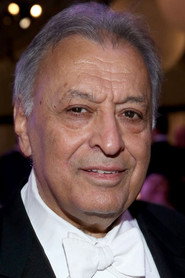 Zubin MehtaSelf
- Chris KardosNazi Youth (voice)
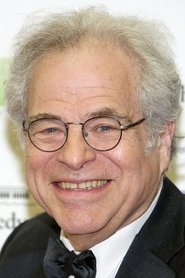 Itzhak PerlmanSelf
- Joshua BellSelf
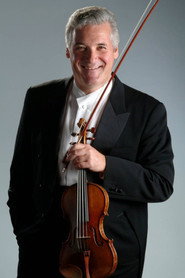 Pinchas ZukermanSelf
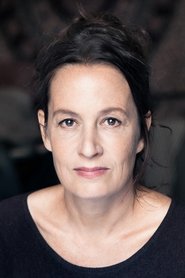 Geno LechnerIda Ibekken
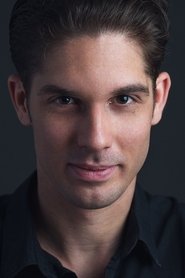 Adam BonczVoice Over
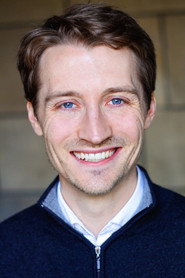 Tim EliotNarrator
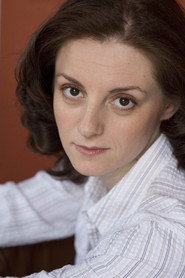 Yelena ShmulensonVoice Over
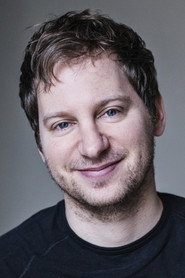 Michael Levi HarrisVoice Over
- Thomas KornmannBronislaw Huberman
Directing
- Josh AronsonDirector
Writing
- Josh AronsonScreenplay
Production
- Dorit StrausExecutive Producer
- Michael MarksExecutive Producer
- Nina KrsticExecutive Producer
- Sono ElmalehExecutive Producer
- Tami LeonExecutive Producer
- Victor ElmalehExecutive Producer
- Josh AronsonProducer