
Film
Hadewijch
Hadewijch is a quietly devastating character study about a young woman spiraling from religious devotion into something far darker. Director Bruno Dumont treats faith, loneliness and radicalization with unflinching naturalism, refusing easy judgment. It's austere and morally complex—for viewers willing to sit with discomfort.
If you liked this
A Prophet2009
A masterclass in depicting institutional confinement and the slow corruption of idealism. Jacques Audiard's precise direction and Tahar Rahim's performance create an almost Shakespearean tragedy of ambition and betrayal inside a prison system.
But Prison brutality is depicted graphically and without relief. At 155 minutes, it demands patience and emotional endurance.

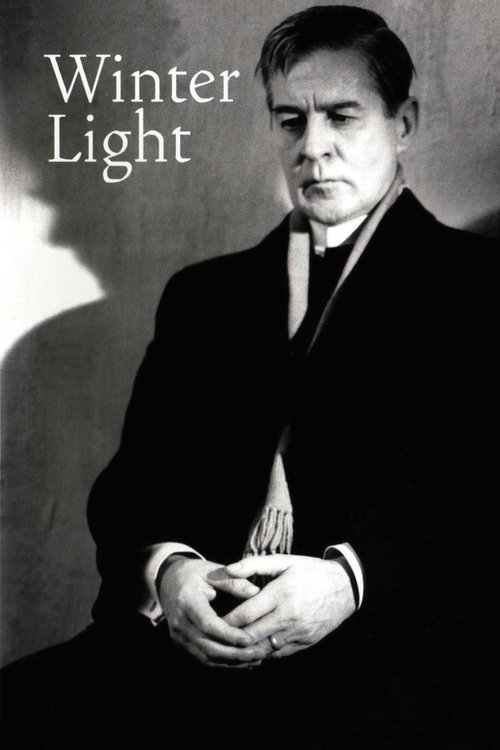
Winter Light1963
Bergman's bleakest meditation on faith collapsing under its own weight. A pastor and a troubled woman circle each other in darkness—the visual and emotional template for what religious crisis looks like on screen.
But Glacially paced black-and-white austerity. The mood is sepulchral; nothing is resolved or comforting.
The White Ribbon2009
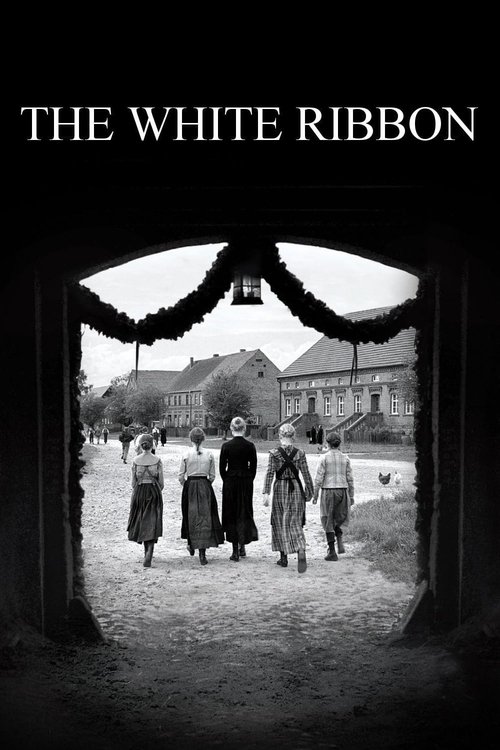
Michael Haneke's investigation into how ideology poisons communities. Like Hadewijch, it's about the psychology of conviction and how isolation breeds cruelty. Visually immaculate and morally corrosive.
But A three-hour black-and-white puzzle with no catharsis. Haneke's deliberate pacing can feel punishing rather than illuminating.
Not sure tonight? Get a pick in a minute, starting from Hadewijch
The wildcard
Something you would not have found on your own.
Possession1981
Both use religious iconography as a gateway to psychological extremism. Both refuse to pathologize their protagonists' experiences—instead showing conviction and fragmentation as philosophically coherent, even if destructive.
Andrzej Żuławski's hallucinatory nightmare about obsession, religious imagery, and psychological disintegration. It's formally unhinged—visceral and genuinely haunting. An extraordinary argument about faith, desire, and madness.
But Deliberately grotesque. Body horror and sexual violence used as philosophical language. Not safe or comfortable viewing. Isabelle Adjani's performance is magnificent but unsettling.

More like this (8)
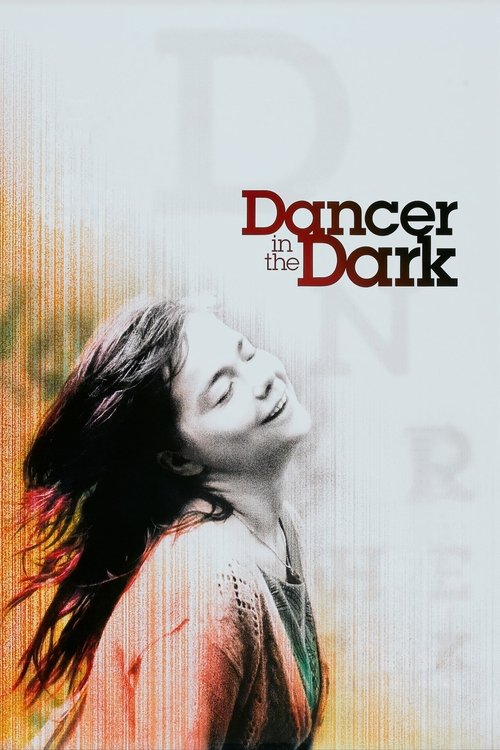
Dancer in the Dark2000
Lars von Trier's portrait of a woman unraveling under pressure, with musical interludes that cut against the darkness. Björk's performance is raw and devastating. The emotional precision is extraordinary.
But Extremely bleak ending. The tonal shifts between realism and musical fantasy won't work for everyone. Difficult to shake.
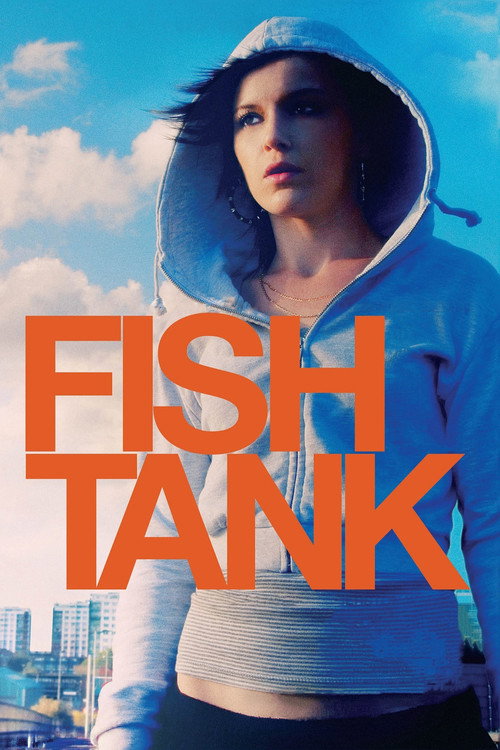
Fish Tank2009
Andrea Arnold captures a young woman's desperation and charisma with documentary-like intensity. The film refuses sentimentality while showing real tenderness. Electrifying and unsettling in equal measure.
But Sexual violence and rough language throughout. The working-class setting and violence can read as exploitation if you're not with the film's perspective.
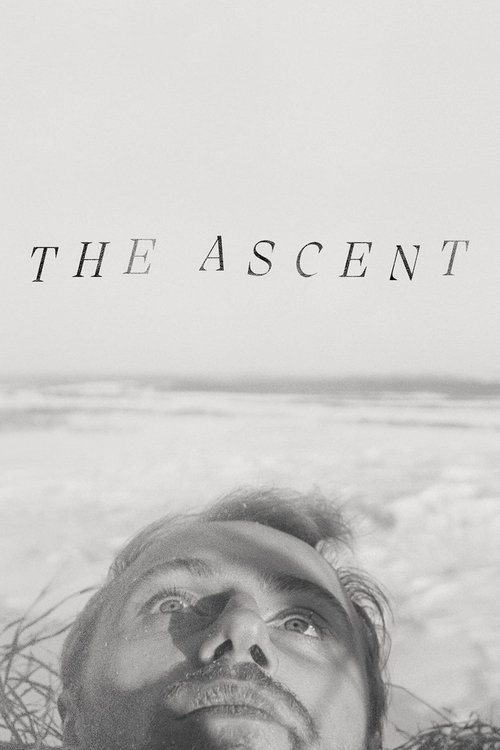
The Ascent1977
Larisa Shepitko's extraordinary film about two priests during WWII, confronting faith under extremity. Visually stunning and philosophically uncompromising. A work of profound moral seriousness.
But Soviet black-and-white cinema; slow-burn intensity with a devastating finale that offers no comfort.
Under the Skin2014
Jonathan Glazel and Mica Levi craft something hypnotic and alien about disconnection and observation. Scarlett Johansson gives her most mysterious performance. Haunting and completely original.
But Plot is minimal. Long passages of silence and strange imagery. Demands you surrender to mood rather than narrative.

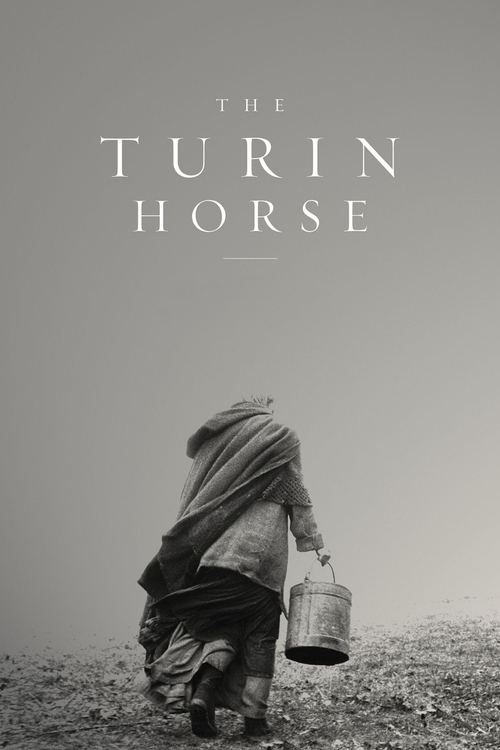
The Turin Horse2011
Béla Tarr's austere final film depicts the end of the world in the quotidian collapse of a philosopher's household. Black-and-white, repetitive, relentlessly bleak—and strangely moving in its resignation.
But The most minimalist possible approach to cinema. Some will find it pretentious or tedious rather than meditative.
Chungking Express1994
Wong Kar-wai's neon-soaked romance captures loneliness and connection in a crowded city. Visual poetry and genuine warmth. Proof that style and heart can coexist without contradiction.
But Deliberately fragmented narrative. Some find the visual flourishes overwhelming rather than moving.

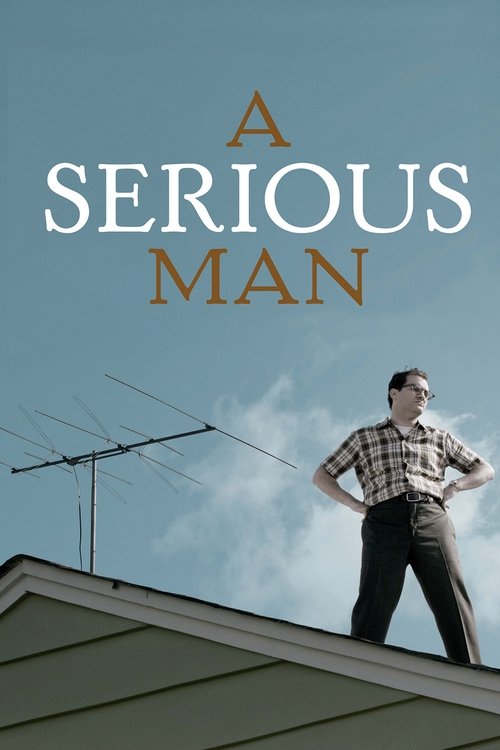
A Serious Man2009
Both explore how religious frameworks can isolate rather than protect. Both protagonists experience faith not as solace but as a door to darker places. Both are formally elegant depictions of conviction unraveling.
The Coen Brothers' tragicomedy about a man's faith collapsing into absurdity when the universe refuses to make moral sense. Formally brilliant, genuinely funny, and heartbreaking about how belief systems fail us.
But The tonal shifts between comedy and dread can feel jarring. Ends on ambiguity and darkness rather than resolution.
Come and See1985
Both depict the corruption of innocence and idealism by systems (religious and military) that promise meaning but deliver horror. Both refuse to look away from the human cost of conviction. Both are formally perfect expressions of psychological and spiritual destruction.
Elem Klimov's unbearable masterpiece about a boy conscripted into a Soviet unit during WWII. It's the most morally serious film ever made about violence and innocence. Formally audacious, nightmarishly effective.
But One of the most traumatizing experiences cinema offers. Genuine atrocity depicted unflinchingly. Watching it feels like a moral obligation that extracts a real cost.

People
Cast
 Julie SokolowskiCéline vel Hadewijch
- Yassine SalimeYassine Chikh
- Karl SarafidisNassir Chikh
- David DewaeleDavid
- Brigitte Mayeux-ClergetLa mère supérieure
- Michelle ArdenneLa prieure
- Sabrina LechêneLa novice
- Marie CastelainLa mère de Céline
- Luc-François BouyssonieLe père de Céline
Directing
- Bruno DumontDirector
Writing
- Bruno DumontWriter