
Film
Dunkirk
Other titles called Dunkirk: the 2017 film.
Leslie Norman's 1958 *Dunkirk* weaves together the evacuation through multiple perspectives—soldiers on the beaches, officers coordinating rescue, civilians commandeering boats. It's a methodical, unglamorous account of crisis management and ordinary people pressed into extraordinary service. Neither a action spectacle nor a patriotic hymn, it's quietly absorbing and occasionally devastating.
If you liked this
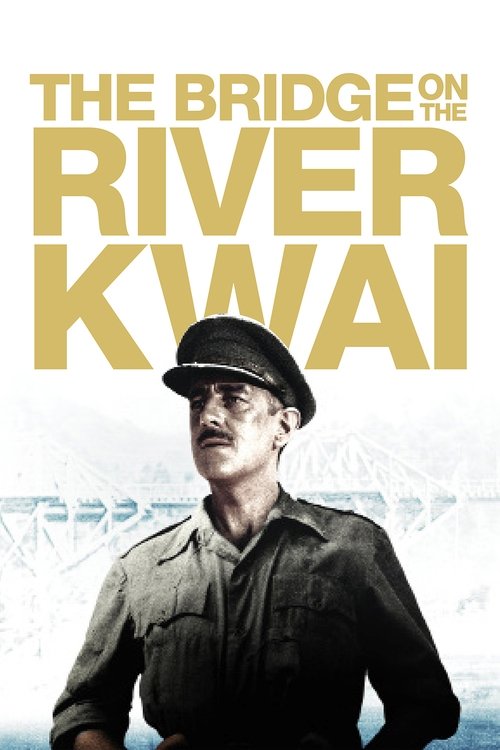
The Bridge on the River Kwai1957
David Lean's panoramic war drama, released just a year before *Dunkirk*. Another ensemble cast, another examination of duty and survival under impossible circumstances. A genuine masterpiece with similar emotional weight.
But At over two and a half hours, it demands commitment. The colonial attitudes baked into the script are impossible to miss or ignore.
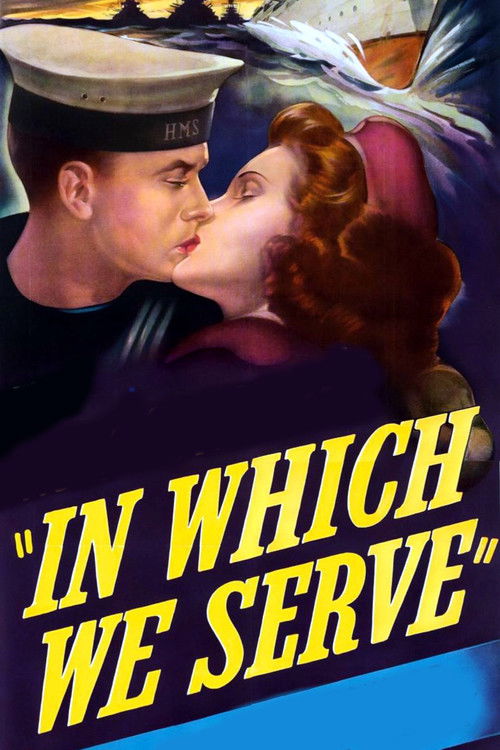
In Which We Serve1942
Coward and Lean's wartime drama about a naval destroyer and her crew. The template for the kind of understated British heroism *Dunkirk* explores. Fascinating as both cinema and historical document of wartime morale-building.
But The propaganda function is visible now. It's a film made *during* the war, and it shows—the emotional directness can feel dated and staged.
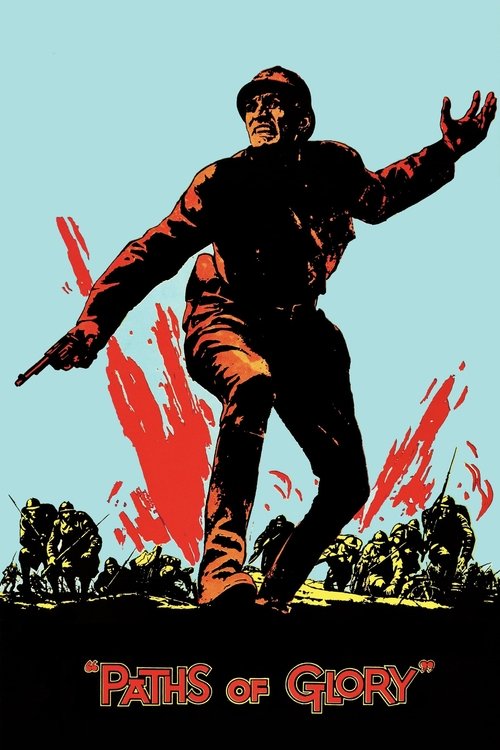
Paths of Glory1957
Kubrick's shathing indictment of military command and the men ordered to die for strategy. Another 1950s reexamination of war, but where *Dunkirk* is documentary-like, this is incandescent with rage.
But Relentlessly bleak and claustrophobic. The courtroom sequence is devastating in a way that lingers unpleasantly.
Not sure tonight? Get a pick in a minute, starting from Dunkirk
The wildcard
Something you would not have found on your own.
Come and See1985
Where *Dunkirk* finds dignity in endurance, *Come and See* finds only horror. Both refuse propaganda, but *Come and See* goes further—it asks what war does to the human animal when all structure collapses.
Elem Klimov's Soviet film follows a boy conscripted into WWII as it systematically destroys his innocence. Not about strategy or evacuation—about war's obliteration of the psyche. A masterpiece that makes most war films look like gentle history lessons.
But Brutally graphic, visceral, and unsparing. It's not entertainment; it's an ordeal. Not recommended if you're looking for catharsis.

More like this (7)
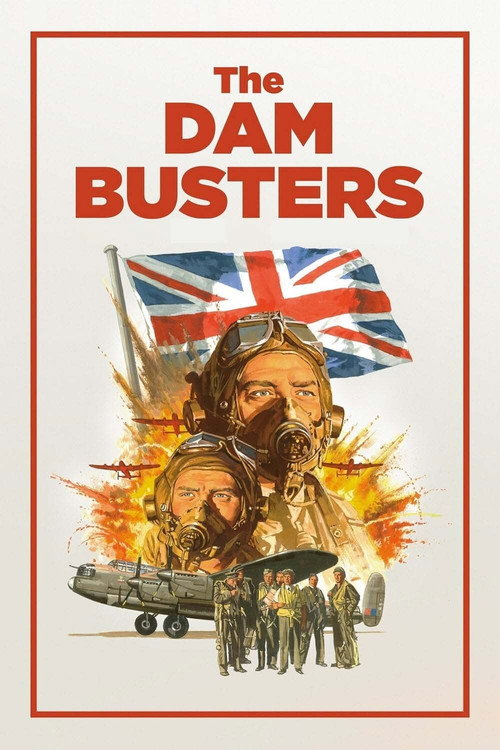
The Dam Busters1955
Another British WWII ensemble drama with genuine technical achievement at its heart. It shares *Dunkirk*'s focus on the mechanics of survival and the men who execute impossible tasks with precision and nerve.
But The famous score overshadows the film itself for many. Some sequences feel more like a military procedural than drama, which may bore you.
Gallipoli1981
Peter Weir's heartbreaking account of Australian soldiers sent into a doomed campaign. A different war, different army, same theme: young men paying the price for distant decisions. Extraordinary cinematography.
But It's openly emotional in ways *Dunkirk* isn't. If you prefer restraint, this will feel manipulative.

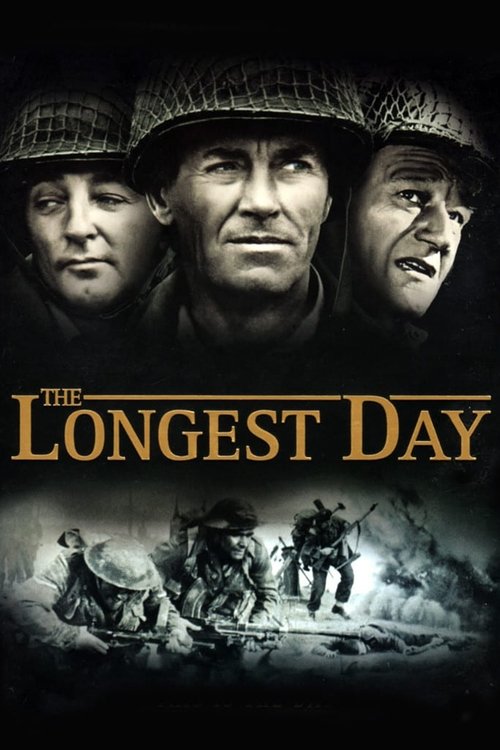
The Longest Day1962
A mirror image of *Dunkirk*—D-Day instead of evacuation, but the same multi-perspective approach, the same commitment to getting the scale and detail right. An epic that earned its runtime through genuine scope.
But Nearly four hours long, and it sprawls. The ensemble cast sometimes means underdeveloped characterization; you're watching logistics as much as people.
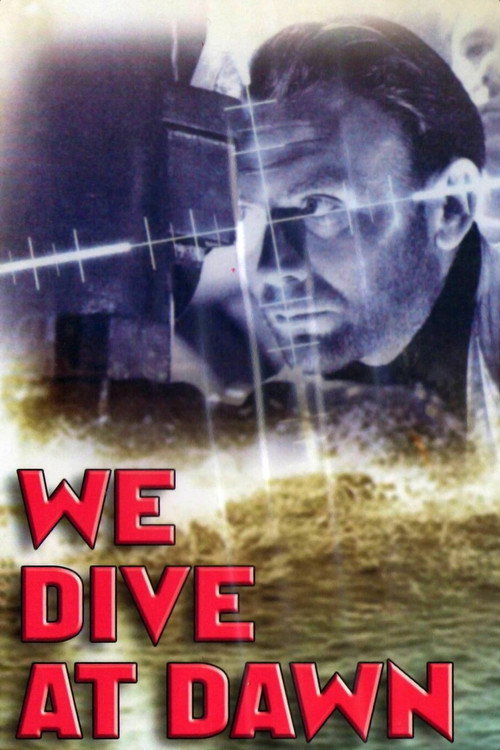
We Dive at Dawn1943
A submarine crew on a mission—smaller scale than *Dunkirk*, but the same claustrophobic tension and examination of men under pressure working toward survival. Lesser-known gem from the same era and tradition.
But The artifice of the studio submarine sets is obvious. Some plot mechanics feel mechanical rather than dramatic.
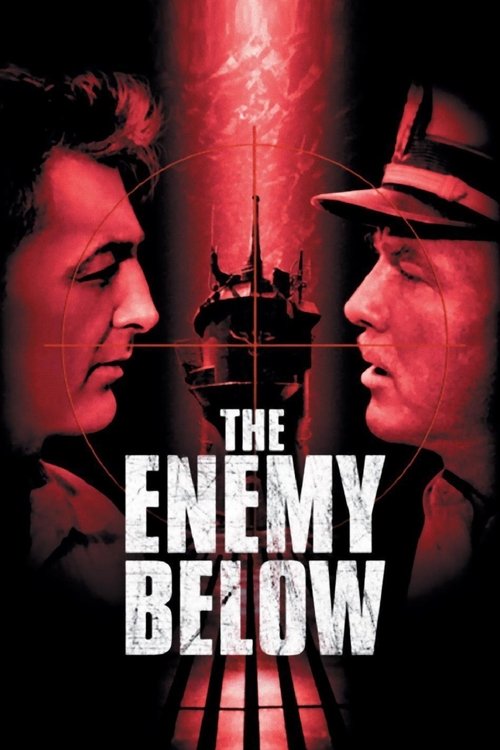
The Enemy Below1957
A cat-and-mouse naval drama that explores the humanity of combatants on both sides. Similar philosophical terrain to *Dunkirk*, released the same year, with Curd Jürgens giving a nuanced performance as the German captain.
But The second half shifts tone toward straightforward thriller. Some viewers find the mutual respect angle unconvincing given the historical stakes.
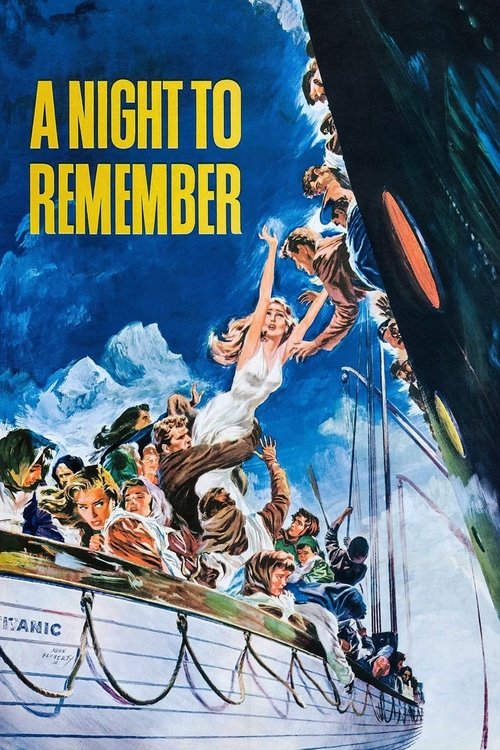
A Night to Remember1958
Both use the *evacuation* as their true subject—the logistics, the small choices, the ordinary people who rise or fail. The Titanic disaster is *Dunkirk*'s dark mirror: the evacuation that failed.
Made the exact same year as *Dunkirk*, this account of the Titanic uses the same methodical, ensemble approach to disaster. Ships sinking, civilians and crew facing death, British restraint and human variation under pressure—the parallels are uncanny.
But It's a very dry, procedural film masquerading as drama. There's no musical score for long stretches, and the acting is stiff by modern standards. Some find it tedious.
The Ascent1977
Both *Dunkirk* and *The Ascent* use the historical event as a frame for examining grace under pressure—but where *Dunkirk* grounds itself in procedure and detail, *The Ascent* abstracts into something almost liturgical. The contrast is the education.
Larisa Shepitko's metaphysical WWII film follows two Soviet partisans on a last mission. Shot in austere black-and-white, it's less concerned with historical accuracy than spiritual and philosophical weight. Profoundly moving and completely unlike anything else.
But Deliberately obscure and symbolic. If you need plot clarity and conventional narrative, this will frustrate you deeply. Not a film that explains itself.

People
Cast
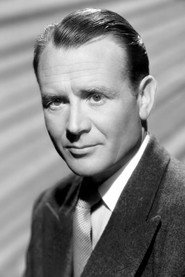 John MillsCpl Tubby Binns
 Richard AttenboroughJohn Holden
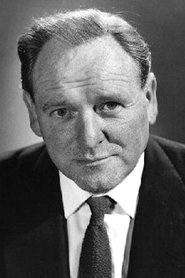 Bernard LeeCharles Foreman
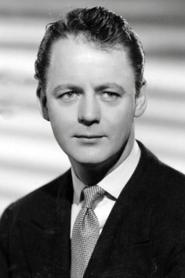 Robert UrquhartMike
 Ray JacksonBarlow
 Ronald HinesPrivate Miles
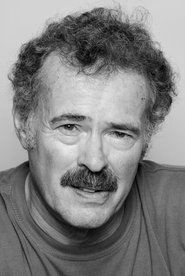 Sean BarrettFrankie
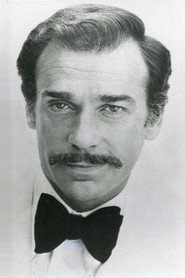 Roland CurramHarper
 Meredith EdwardsDave Bellman
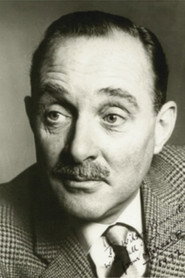 Michael BatesFroome
- Rodney DiakPannet
 Michael ShilloJouvet
Directing
- Michael BirkettAssistant Director
- Lee TurnerContinuity
- Leslie NormanDirector
Writing
- Ewan ButlerBook
- J. S. BradfordBook
- Trevor Dudley-SmithNovel
- David DivineScreenplay
- W.P. LipscombScreenplay
Production
- Michael ForlongAssociate Producer
- Michael BalconProducer
- Hal MasonProduction Supervisor
- Norman PriggenUnit Production Manager