
Film
Things to Come
Other titles called Things to Come: the 1936 film.
Isabelle Huppert is a Parisian philosophy teacher whose comfortable, structured life fractures when her husband leaves. What follows isn't melodrama but quiet reconstruction: a middle-aged woman learning to want something for herself. Mia Hansen-Løve's film is patient, unsentimental, and deeply alive to the textures of daily choice. It's for anyone who's felt trapped by obligation or wondered who they'd be if they stopped being responsible to everyone else.
If you liked this
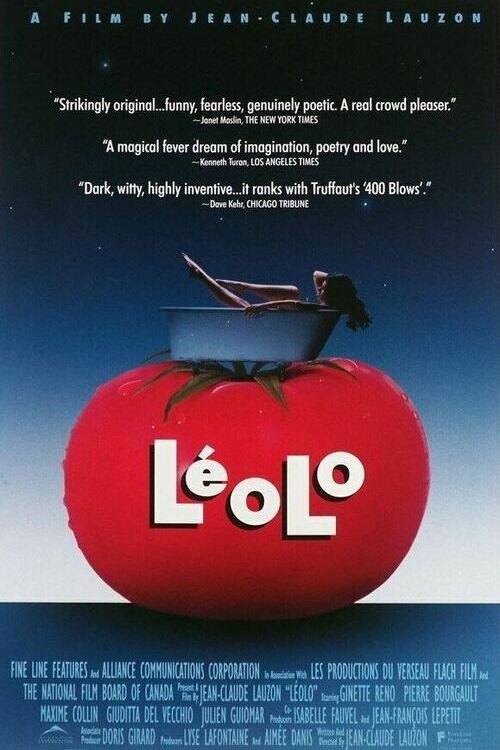
Léolo1992
A young French-Canadian boy creates an elaborate private mythology to escape his chaotic family. Like Things to Come, it's about how we remake ourselves through imagination, but expressed through poetry and strange beauty rather than philosophy.
But Deliberately fragmented and dreamlike—it resists clear narrative, and its tone swings wildly between whimsy and darkness, which some find exhausting rather than enriching.
Parable of the Sower
Not yet made. But Octavia Butler's novel about a woman building community through deliberate thought and choice—not luck—shares Things to Come's faith in ideas and self-determination as survival tools.
But This is speculative fiction set in a collapsing near-future, so if you want contemporary realism, you'll need a different recommendation.
Moonlight2016
Three chapters of a life shaped by external forces: family, poverty, circumstance. But also three moments where the protagonist touches something precious and true. It has Things to Come's faith that being seen matters more than being happy.
But It's a film about masculine fragility and desire, built from silence and restraint. If you want narrative momentum or dialogue, you'll find it sparse and slow.

Not sure tonight? Get a pick in a minute, starting from Things to Come
The wildcard
Something you would not have found on your own.
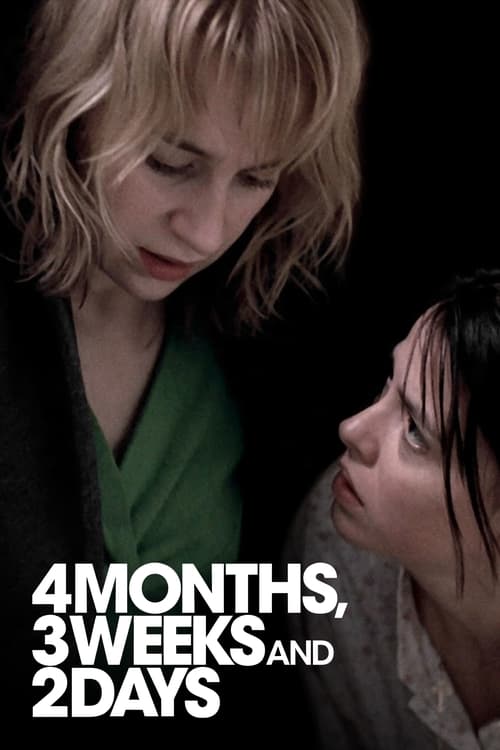
4 Months, 3 Weeks and 2 Days2007
Both films trust the viewer to sit with uncomfortable truths about women's autonomy without resolving them into easy conclusions. They're about what we choose when nothing feels safe.
A woman accompanies her friend through an illegal abortion in 1980s Romania. It's relentless and unsentimental about female agency and bodily autonomy. Cristian Mungiu films it with the same philosophical rigor Hansen-Løve brings to Nathalie's choices—every decision has weight.
But It's two hours of dread and moral complexity with virtually no relief. The subject matter and the formal coldness create an experience that is difficult by design. Not cathartic. Not reassuring.
More like this (5)
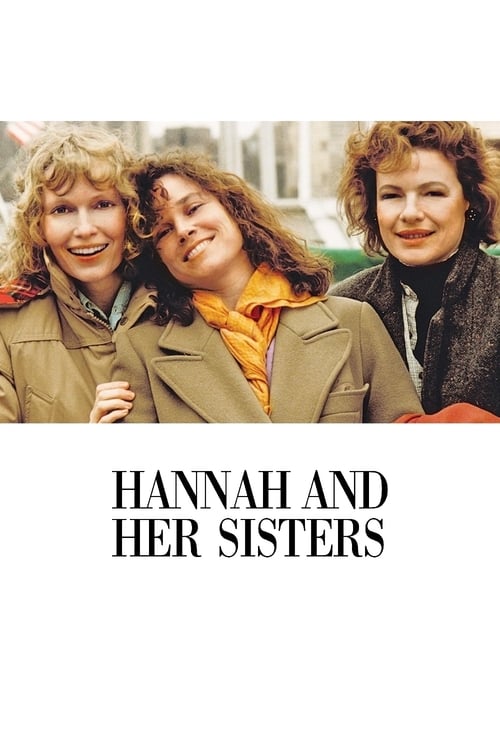
Hannah and Her Sisters1986
Three women navigating love, work, and the gap between who they expected to become and who they are. It's funny and messy where Things to Come is austere, but the architecture—how we choose ourselves—is identical.
But Woody Allen's film, which means his presence looms. Also very '80s New York, very much a product of its moment in ways that can feel dated.
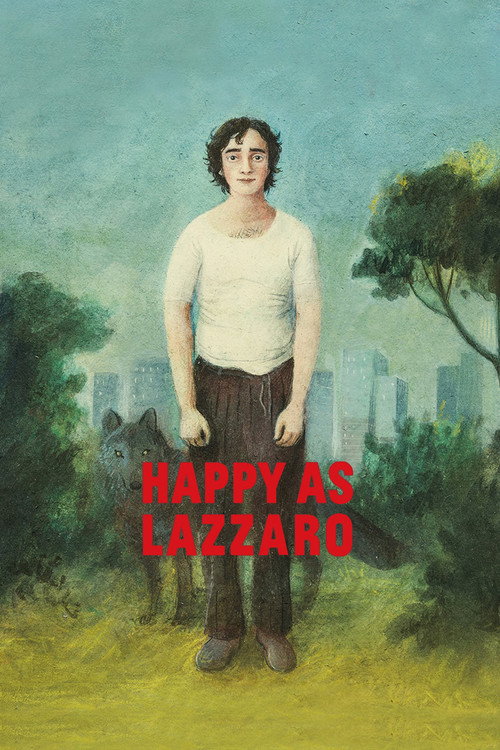
Happy as Lazzaro2018
An apparent innocent man is trapped in servitude, then sets free into the modern world. It asks what freedom actually means when you've never had the chance to imagine yourself. Deeply strange and moving.
But It's Italian, surreal, and structurally odd—the second half abandons realism entirely. If you want straightforward narrative, this will frustrate you.
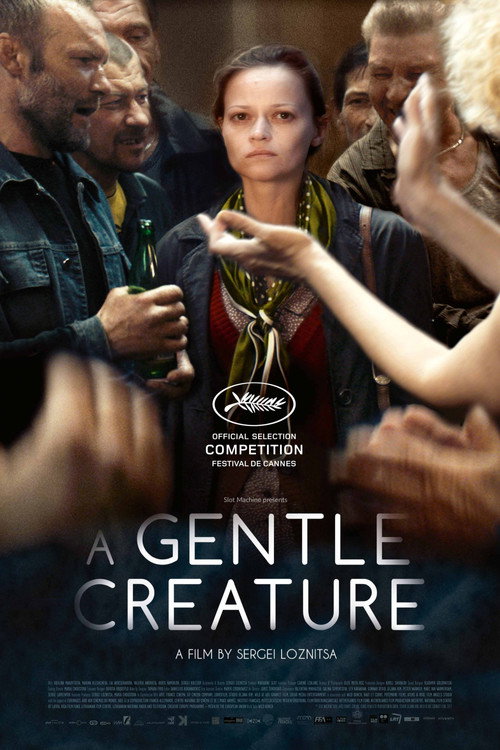
A Gentle Creature2017
A woman married to a gambler decides she will no longer help him. The film tracks her quiet refusal to be responsible for his choices. It's about the courage required to stop being useful to someone who doesn't deserve it.
But It's bleak and claustrophobic, filmed in cold colors, with almost no hope extended to anyone. The relentlessness can feel punishing rather than clarifying.
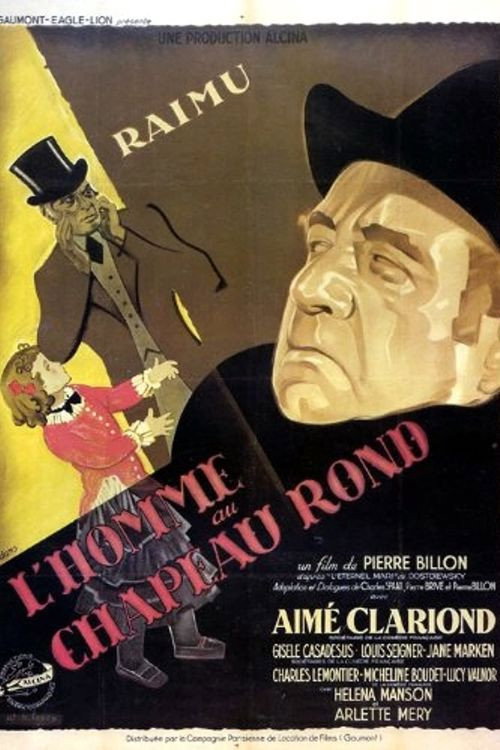
The Eternal Husband1946
An adaptation of Dostoevsky about two men circling the ghost of a dead woman. It's about how we're haunted by the lives we didn't live and the choices we delegated to others. Eerie and mature.
But It's based on a nineteenth-century novella and carries that weight—philosophical, digressive, more interested in mood than plot. Very slow and very Russian.
The Ascent1977
Both films measure time not in events but in small shifts in how a person sees themselves. Both believe that how you think matters more than what happens. But Tarkovsky goes mystical where Hansen-Løve stays earthbound.
Two Soviet partisans climb through snow toward their execution, debating faith and meaning. Andrei Tarkovsky's film is about what we choose to believe when the world has already decided our fate. It's deeply spiritual without being religious, philosophical without being abstract.
But It's in Russian, shot in black and white, and moves at the pace of snow falling. Every scene is long. There is almost no plot. This is a film about the texture of thought, not action.

People
Cast
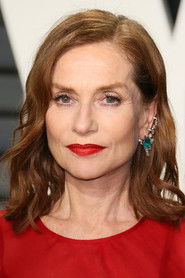 Isabelle HuppertNathalie Chazeaux
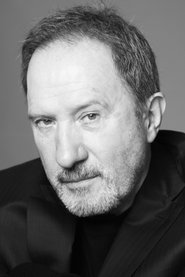 André MarconHeinz
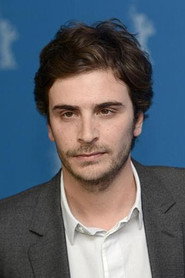 Roman KolinkaFabien
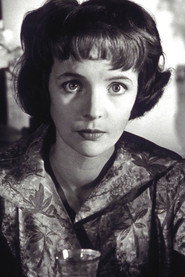 Édith ScobYvette
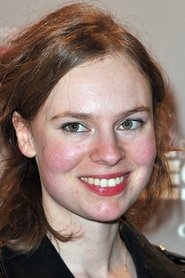 Sarah Le PicardChloé
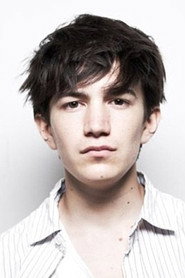 Solal ForteJohann
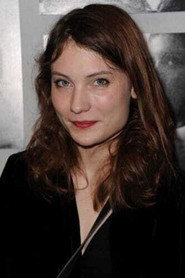 Élise LhomeauElsa
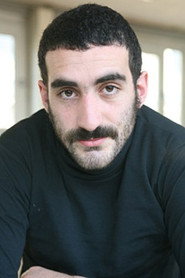 Lionel DrayHugo
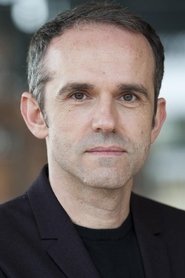 Yves HeckDaniel
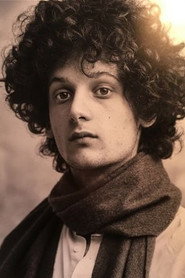 Grégoire Montana-HarocheSimon (élève lycée)
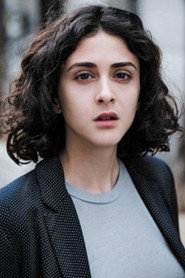 Lina BenzertiAntonia
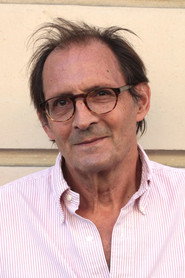 Guy-Patrick SainderichinL'éditeur
Directing
- Emeline RobbesAssistant Director
- Mia Hansen-LøveDirector
- Marie DollerFirst Assistant Director
- Clémentine SchaefferScript Supervisor
- Catherine CambierSecond Assistant Director
- Céline BailbledSecond Assistant Director
- Rebecca MarthouretThird Assistant Director
- Thibault LejeuneThird Assistant Director
Writing
- Mia Hansen-LøveScreenplay
Production
- Elsa PharaonCasting
- Laura CaselliCasting
- Marion PloquinCasting Assistant
- Fabian GasmiaCo-Producer
- Olivier PèreCo-Producer
- Arnaud GiacominiExtras Casting
- Charles GillibertProducer
- Sacha GuillaumeProduction Manager
- Antek GraczykUnit Manager
- Julien FlickUnit Production Manager