
Film
Centaur
A Kyrgyz man called Centaur steals a racehorse and becomes a local legend—or pariah—in his rural village. Aktan Arym Kubat's debut feature is hypnotic and strange, steeped in Central Asian landscape and mythology. It moves like a folktale, patient and dreamlike, for viewers willing to sit with ambiguity and beauty over plot.
Should you watch it?
Watch it if you like quiet, unhurried realism that slowly tilts toward myth, where a small rural life carries a strange, dreamlike undercurrent and long stillness does much of the talking.
Skip it if you need brisk plotting or a clear sense of direction, since this moves at an unhurried pace and leaves much of its meaning to be felt rather than explained.
What it asks of you: Expect a slow, spare film of modest length, where patience pays off in images and atmosphere more than in brisk scenes or dialogue.
Not sure? Find tonight's pick in a minute.
If you liked this
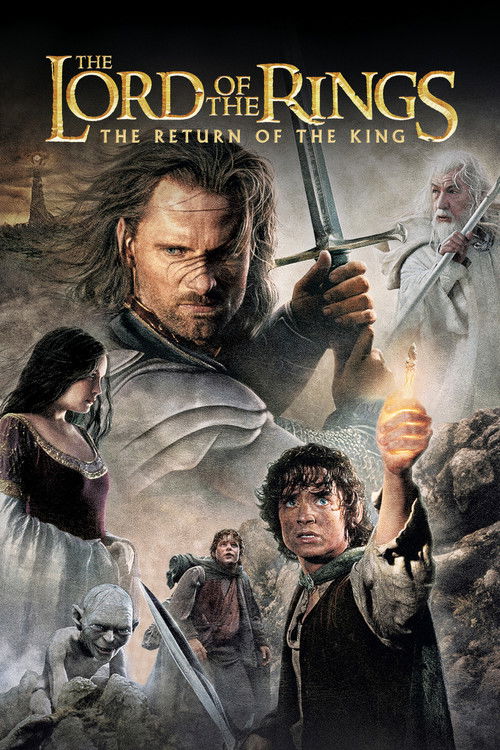
The Lord of the Rings: The Return of the King2003
Zviagintsev's masterpiece about a man returning to his sons after fourteen years. Like Centaur, it locates profound meaning in silence, landscape, and the mythic weight ordinary men carry. Devastating.
But Long, austere, and withholding. The emotional payoff is earned but not comfortable. Demands patience and gives little reassurance.
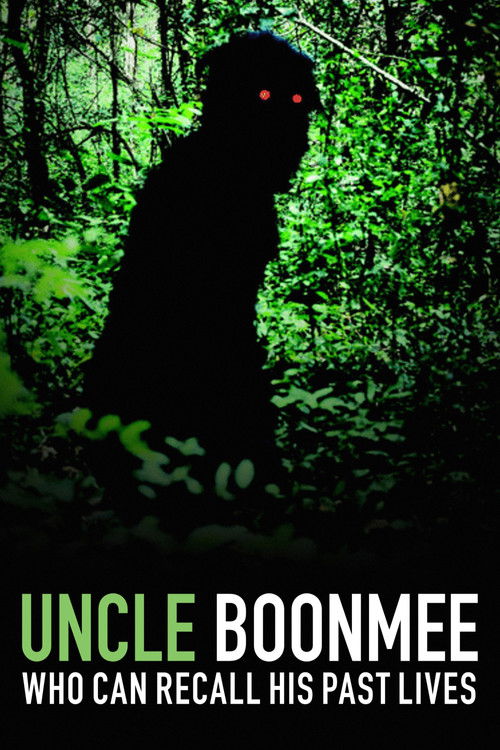
Uncle Boonmee Who Can Recall His Past Lives2010
Apichatpong Weerasethakul's film drifts through memory, death, and landscape with the same patient, mythic quality as Centaur. The supernatural feels natural here. Quietly transcendent.
But Glacially paced with minimal narrative. If you're waiting for plot momentum or conventional drama, you'll feel abandoned. It rewards drift; it punishes impatience.
Stalker1979
Tarkovsky's meditation on desire and landscape in a mysterious zone. Both films trust their environments completely and treat human longing with spiritual seriousness. Hypnotic and strange in identical ways.
But Nearly three hours. Almost nothing happens. Dialogue is philosophical and repetitive. Many find it glacial; some find it unbearable.

Not sure tonight? Get a pick in a minute, starting from Centaur
The wildcard
Something you would not have found on your own.
The Ascent1977
Both films believe landscape and the solitary human body carry mythic weight. Both treat transgression—whether the theft or the faith—as a gateway to transcendence rather than ruin.
Larisa Shepitko's final film: two Soviet partisans and a priest climb a mountain toward execution. Centaur-like in its use of landscape and myth, but stripped to pure allegory. Devastating—one of cinema's spiritual masterworks.
But Black and white, 111 minutes, bleak beyond measure. Not entertainment. The ending offers no comfort. It's a trial, not a pleasure; many people find it crushing.

More like this (6)
A Prophet2009
Audiard's prison drama about a young man becoming legendary for an act of violence. Centaur shares its exploration of how myth forms around ordinary transgression. Gripping, finely made.
But Prison brutality is unflinching. The film is French and long. If you want something lighter, this is not it. Intensity fatigue is real.

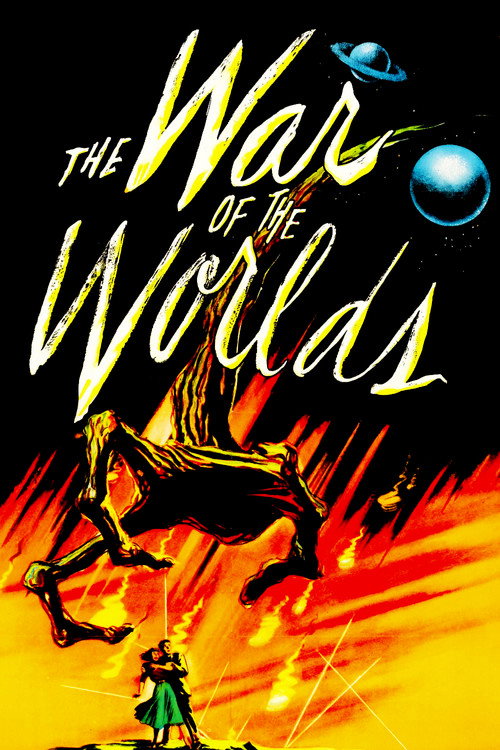
The War of the Worlds1953
Balabanov's Russian epic about bandits and violence in the Caucasus. Shares Centaur's interest in how men mythologize themselves through transgression. Raw and complex.
But Violent, morally murky, and bleak. Subtitled. Russian cinema's darkness can feel relentless; this film doesn't lighten the load.
Kes1970
Loach's film about a boy and a hawk in working-class Yorkshire. Like Centaur, it finds dignity and myth in rural poverty and the bond between human and animal. Humane and clear-eyed.
But The ending is deliberately punishing. British social realism can feel grim. If you want uplift, this film doesn't provide it.

Winter Light1963
Bergman's chamber piece about faith and silence in a small Swedish community. Centaur shares its belief that meaning lives in what isn't said. Lean and spiritually uncompromising.
But Bleak and austere. Dialogue scenes go nowhere by design. Runs 80 minutes but feels longer. Not for viewers seeking narrative momentum or comfort.

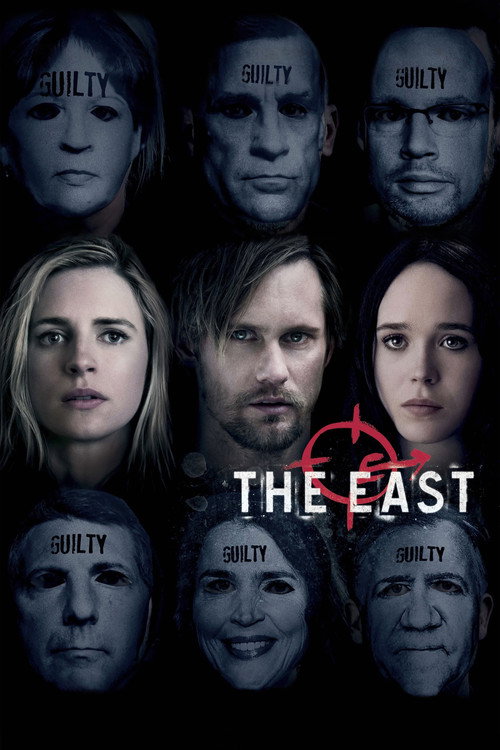
The East2013
Vizyonov's Russian drama about a man adrift in the Caucasus. Centaur echoes its interest in landscape, transgression, and how men carry mythic weight in marginal places.
But Difficult to find. Russian cinema's deliberate pacing. Unresolved. If you prefer clear endings and easy access, look elsewhere.
Come and See1985
Both use rural landscape and the journey of one man/boy as container for mythic meaning. Centaur finds transcendence in myth; Come and See destroys the possibility of myth through war. Inverses of each other.
Elem Klimov's Belarusian war film: a boy's initiation into apocalypse. Shares Centaur's belief that landscape and myth are inseparable, but inverts it—myth dies here, replaced by historical horror. Unforgettable and necessary.
But Graphic and traumatic. Depicts atrocity against children. For many, unwatchable. Not recommended casually. This is cinema as crucible, not cinema as escape.

People
Cast
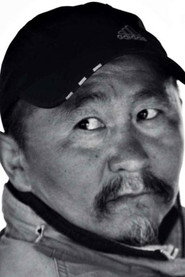 Aktan Arym KubatCentaur
- Nurali TursunkojoevNurberdi
- Zarema AsanalievaMaripa
 Taalaikan AbazovaSharapat
- Ilim KalmuratovSadyr
 Bolot TentimyshovKarabay

Directing
- Aktan Arym KubatDirector
Writing
- Aktan Arym KubatWriter
- Ernest AbdyjaparovWriter
Production
- Nurbek MusaevCasting
Recommended by
Jurassic World: Camp Cretaceous, Spirit: Stallion of the Cimarron