
Film
Lourdes
- Medical drama
- Slow-burning
A wheelchair-bound woman travels to Lourdes seeking miracle and escape. Director Jessica Hausner observes faith, hope, and disappointment with cool precision—no sentimentality, no easy answers. It's for viewers who want to think deeply about belief, loneliness, and what we're willing to see. Austere and unsettling in the best way.
Should you watch it?
Watch it if you love quiet, precise films that study faith and bodies with cool detachment, letting dry humor and unforced silences do the emotional work.
Skip it if you need characters to warm up to or a story that moves briskly, since this one keeps its distance and rarely explains what it is feeling.
What it asks of you: Ninety-five minutes of patient, mostly static framing, where long stretches unfold at their own pace and you do most of the feeling yourself.
Not sure? Find tonight's pick in a minute.
If you liked this
Winter Light1963
Bergman's bleakest study of faith dissolving in the face of silence and suffering. If Lourdes interests you, this is where that question begins. Uncompromising and beautiful.
But Deliberately slow. The spiritual void isn't filled by plot or spectacle. Demands patience and tolerance for ambiguity.

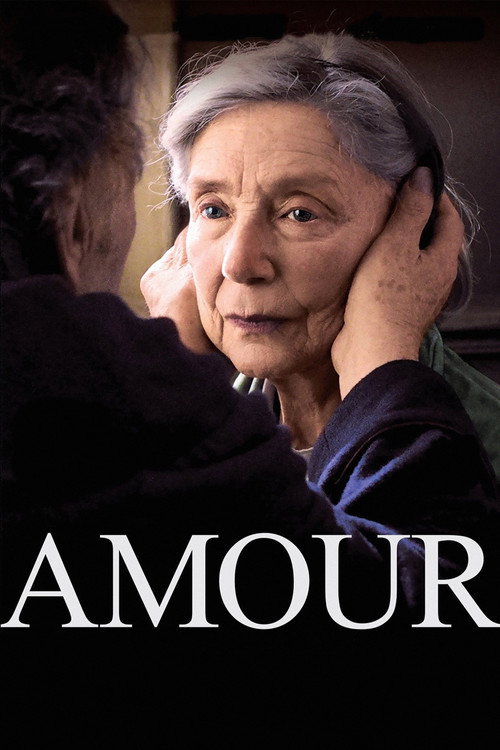
Amour2012
Haneke's portrait of a couple facing decline and mortality, watched without flinching. Same unflinching eye as Lourdes, same refusal to offer consolation. Devastating and necessary.
But Extremely sad. Not sad in a cathartic way—sad in the way real loss is. Not for evenings when you need lifting up.
The Ascent1977
Two Soviet partisans hide in a monastery during WWII. Tarkovsky meditates on faith and suffering with hypnotic gravity. Rare spiritual cinema that doesn't sentimentalize. Pure cinema.
But Very long, very slow, very demanding. If you haven't seen Tarkovsky before, this is a commitment, not an entry point.

Not sure tonight? Get a pick in a minute, starting from Lourdes
The wildcard
Something you would not have found on your own.
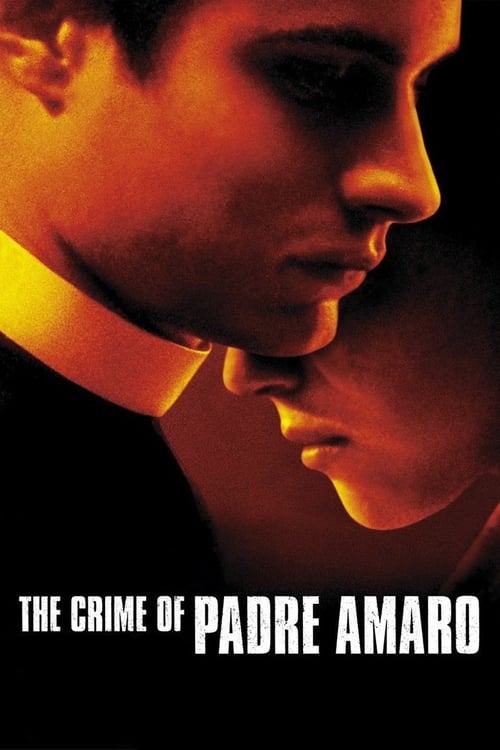
The Crime of Padre Amaro2002
Both dissect institutional faith and the gap between belief and practice. Lourdes observes; Amaro indicts. Same argument, opposite temperature.
Carlos Fuentes's scandal-laden portrait of Mexican Catholicism—priests, celibacy, hypocrisy, village faith. Same institutional critique as Lourdes but furious instead of glacial. Brasilian cinema's answer to Hausner's cool.
But Politically explosive and sexually explicit. What's liberating to some feels inflammatory to others. Uncomfortable by design.
More like this (8)
Under the Skin2014
Glazer observes human vulnerability and otherness with the same cool anthropological eye as Hausner. Strange, haunting, asks you to sit with discomfort. Unforgettable.
But Deliberately obscure and withholding. If you need clarity or resolution, you'll find neither. The image matters more than plot.

The Turin Horse2011
Béla Tarr's end-of-world meditation on faith, meaning, and decline. Same grey palette as Lourdes, same existential weight. Hypnotic and heartbreaking.
But Relentlessly bleak. No warmth, no humor, no redemption. Leaves you in the dark by design.

A Prophet2009
Maïwenn's study of faith and survival in prison. Features Léa Seydoux (your film's Maria) in a quieter role. Sharp, intense, morally complex like Hausner's vision.
But Prison violence and sexual exploitation. Not graphic but never avoids showing what faith costs in brutal environments.

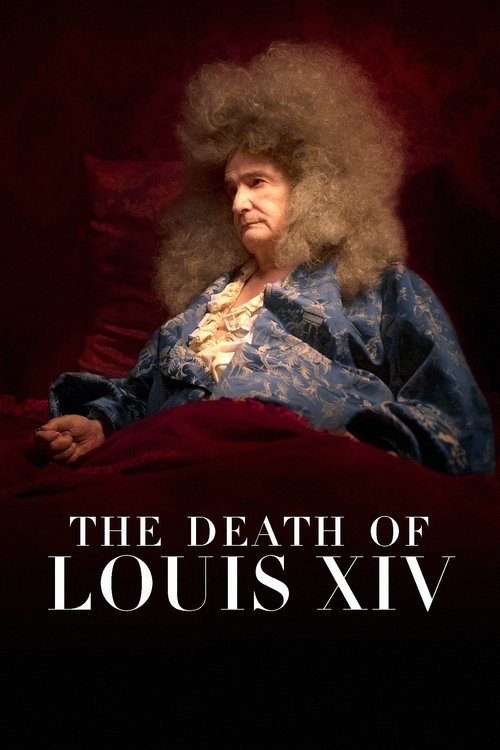
The Death of Louis XIV2016
Lioce's final hours observed with unflinching precision. Albert Serra turns physical decline into philosophical spectacle. Hausner-adjacent in its austere formalism.
But Essentially a man dying in real time. No plot, minimal dialogue, sustained discomfort. Tests your tolerance for the unwatchable.
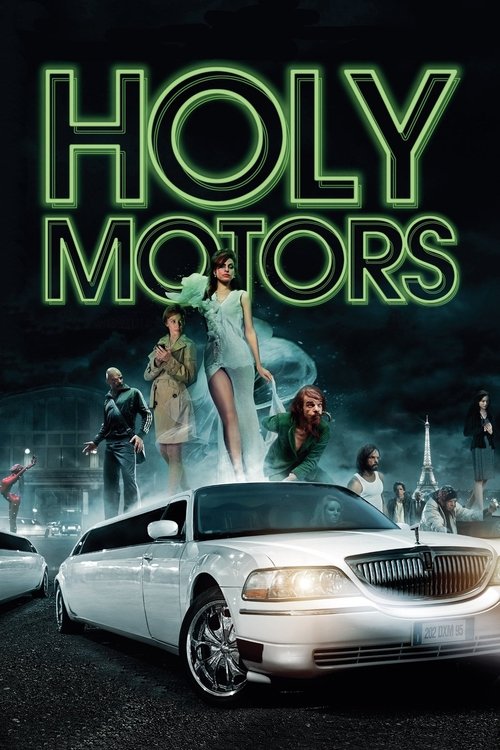
Holy Motors2012
Carax's delirious meditation on performance, identity, and spiritual hunger. If Lourdes fascinates you, this is its surreal mirror—faith as masquerade, repeatedly.
But Baffling and deliberately shapeless. Demands interpretation you may never find. Exhausting on first watch.
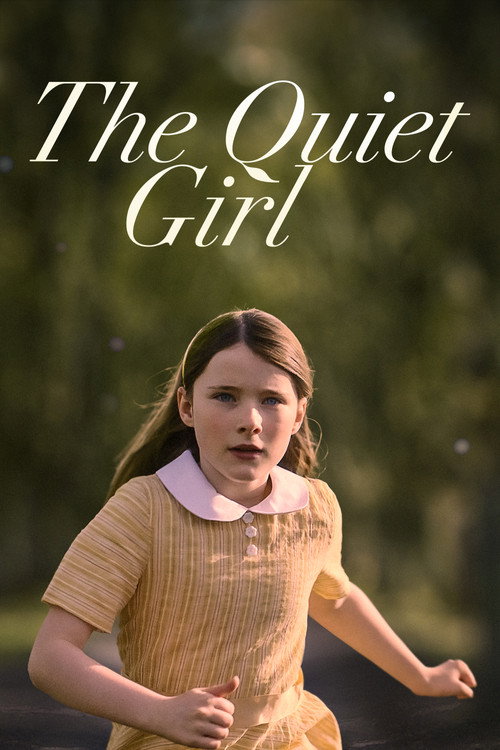
The Quiet Girl2022
Irish-language film about a silent, abused child finding refuge. Tender where Hausner is austere, but shares her belief that observation itself is a form of grace.
But Long stretches of wordlessness. Some may find it slow; others will find it restful. Neither is wrong.
Stalker1979
Both are pilgrimages structured as journeys—physical and spiritual. Both ask: what do we really want, and would we recognize grace if we found it?
Tarkovsky's metaphysical journey to a mysterious room that grants wishes. A pilgrimage like Lourdes, but inward and unreal. The ultimate meditation on faith, desire, and self-deception. Essential cinema.
But 163 minutes. Intentionally slow, hypnotic, demands submission. Not a film you watch; a state you enter. Cannot be rushed.

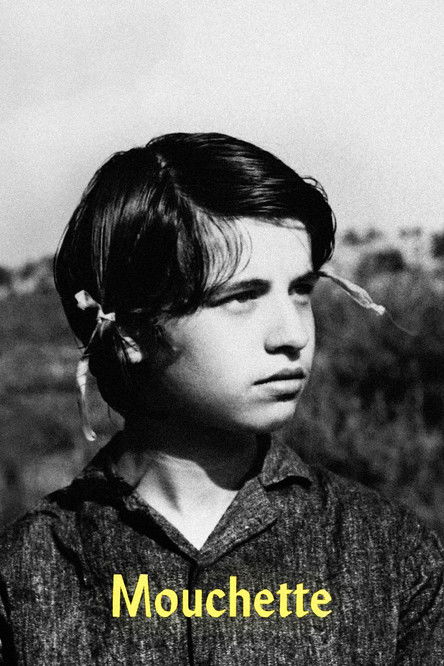
Mouchette1967
Both use rural European Catholic settings to strip away illusion. Both ask whether suffering can be redemptive or whether that's just a story we tell ourselves.
Bresson's devastating portrait of a bullied girl in a rural French village. Spiritual cinema without religion, grace without God. Raw compassion masked as cruelty. One of cinema's greatest achievements.
But Almost unbearably bleak. A child suffers and the world offers no comfort or justice. Bresson's asceticism can feel punishing.
People
Cast
 Sylvie TestudChristine
 Léa SeydouxMaria
 Elina LöwensohnCécile
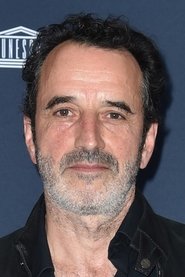 Bruno TodeschiniKuno
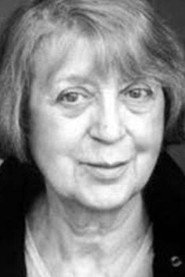 Gilette BarbierFr. Hartl
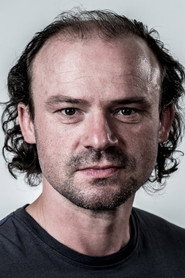 Gerhard LiebmannPater Nigl
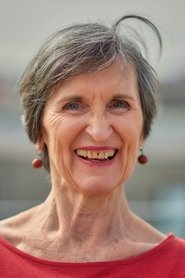 Linde PrelogMrs. Huber
- Heidi BarattaMrs. Spor
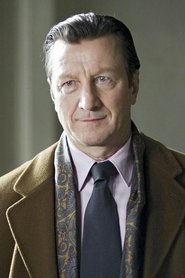 Hubert KramarMr. Oliveti
- Helga IllichMrs. Oliveti
- Walter BennMr. Hruby
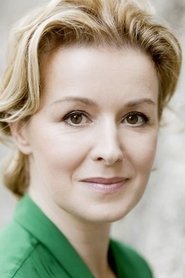 Petra MorzéMother
Directing
- Jessica HausnerDirector
Writing
- Jessica HausnerWriter
Production
- Markus SchleinzerCasting
- Isabell WiegandExecutive Producer
- Antonin SvobodaProducer
- Martin GschlachtProducer
- Philippe BoberProducer
- Susanne MarianProducer
Recommended by
The Bells of St. Mary's, Requiem, Interrupted Melody, The Other Side of the Mountain