
Film
Burial
- War action
- Thriller
- Very dark
- Relentless
A 1945 Soviet intelligence unit escorts Hitler's corpse across war-torn Germany while hunted by fanatical Nazi holdouts. Burial is claustrophobic and grim—a slow-burn horror-thriller that treats its premise with deadly seriousness, finding dread in mud and paranoia rather than spectacle. It's for viewers who want their war films uncomfortable and their genre mixing to matter.
If you liked this
Come and See1985
Elem Klimov's masterpiece follows a Soviet boy-soldier through the Eastern Front with hallucinatory intensity. Like Burial, it refuses to look away from what war does to the soul, and it achieves genuine horror without cheap tricks.
But It's relentlessly bleak and the violence is intimate enough to lodge in your chest. Not a film you enjoy so much as endure and never forget.

The Ascent1977
Two Soviet partisans trek through winter forests toward an impossible mission. Larisa Shepitko's black-and-white film shares Burial's sense of damnation—men and women ground down by ideology, geography, and their own choices.
But Philosophically dense and visually austere. It moves at its own pace, which is glacial. Patience isn't optional.

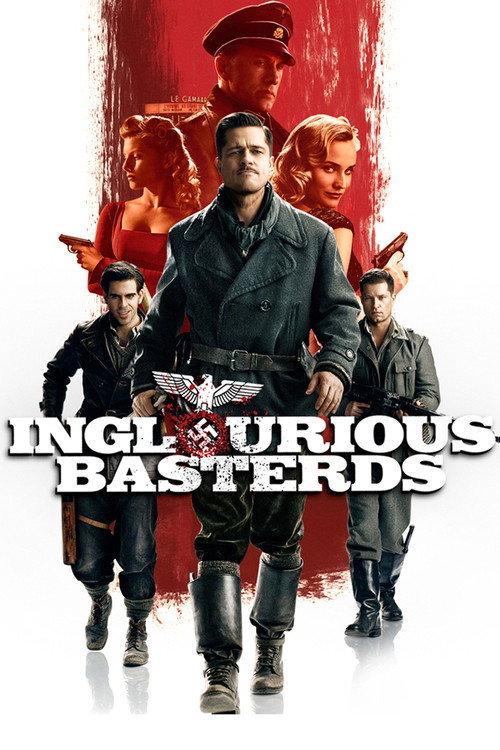
Inglourious Basterds2009
Tarantino's alternate history gives you the visceral pleasure Burial deliberately withholds. Both films weaponize the corpse of Hitler, but where Burial is ice-cold, this is operatic revenge fantasy with killer dialogue and swagger.
But It's a Tarantino film—digressive, pleased with itself, and the tonal whiplash between gravitas and pulp isn't everyone's thing.
Not sure tonight? Get a pick in a minute, starting from Burial
The wildcard
Something you would not have found on your own.
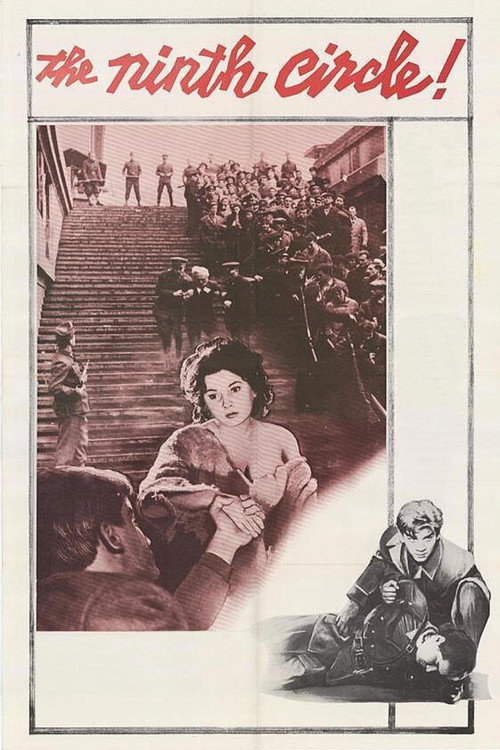
The Ninth Circle1960
Both are Soviet/Soviet-adjacent cinema treating the end of WWII as moral horror rather than military spectacle. Both focus on Eastern European perspectives largely absent from Western war films.
Vesna Motika's Zagreb-set film follows a Jewish woman and Resistance fighter in WWII's final days. It shares Burial's Eastern European hardness and its refusal to soften history, but in Croatian cinema's more intimate register—fewer soldiers, deeper focus on how survival corrodes the soul.
But A Yugoslavian film from 1960, it's in black-and-white with limited restoration. The prints are grainy and finding it requires effort. The pacing is measured in ways modern viewers sometimes mistake for slowness.
More like this (7)
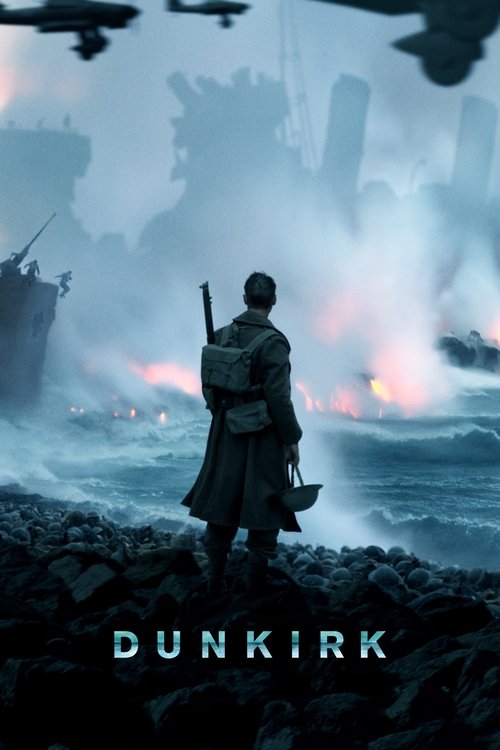
Dunkirk2017
Nolan's claustrophobic war film traps you with soldiers under impossible pressure. The paranoia and sense of being hunted mirrors Burial's paranoia, though Dunkirk uses spectacle where Burial uses dread.
But Narratively fractured across three timelines. Some find the structure brilliant, others find it needlessly complicated.
Under the Skin2014
Jonathan Glazel's sci-fi horror is hypnotic and deeply unsettling. Like Burial, it's more interested in atmosphere and slow-building dread than plot clarity. Both films trust silence and suggestion over explanation.
But Aggressively mysterious and plotwise vague. If you need narrative clarity and character motivation spelled out, this will frustrate you intensely.

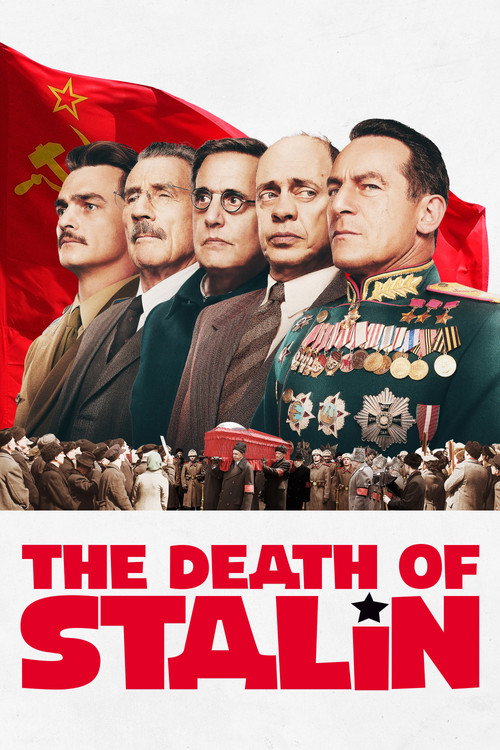
The Death of Stalin2017
Armando Iannucci's black comedy finds dark humor in Soviet bureaucratic chaos and the body of a dead leader. It shares Burial's interest in what happens when ideology meets corpses, but swaps grimness for satire.
But The comedy is biting and often cruel. If you prefer your post-war stories solemn, the irreverence lands wrong.
Stalker1979
Andrei Tarkovsky's science-fiction meditation on desire and belief moves with deliberate slowness. Both films share Soviet sensibilities and a fascination with what men will suffer for abstract missions.
But At 163 minutes with minimal conventional plot, Stalker tests even patient viewers. It's philosophy dressed as narrative, not the other way around.

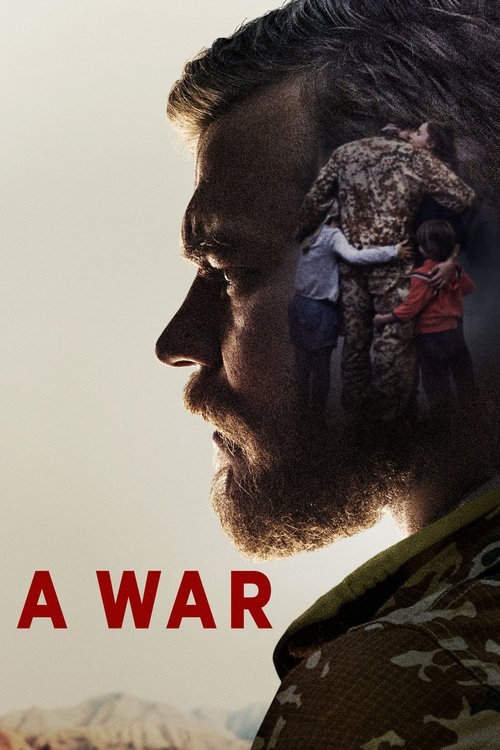
A War2015
Tobias Lindholm's Danish war drama follows soldiers in Afghanistan with unflinching focus on moral collapse. Like Burial, it examines what happens when good soldiers are asked to do impossible things.
But The ending is bleak and offers no comfort or redemption. It sits with you like bad news you can't unknow.
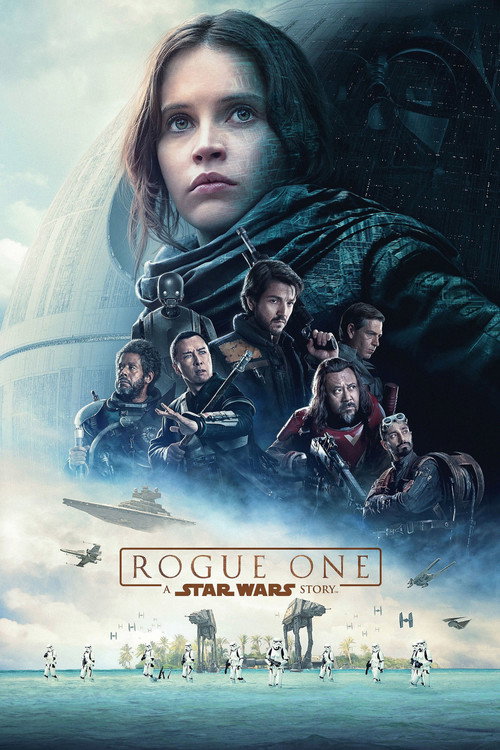
Rogue One: A Star Wars Story2016
A war film dressed in space opera, where a ragtag squad steals Death Star plans knowing they won't survive. The last act is Burial-adjacent: grim, claustrophobic, everyone dies anyway, but the mission matters.
But It's Star Wars, so if you're tired of the franchise or want something grittier than even its darker entries provide, this won't push you far enough.
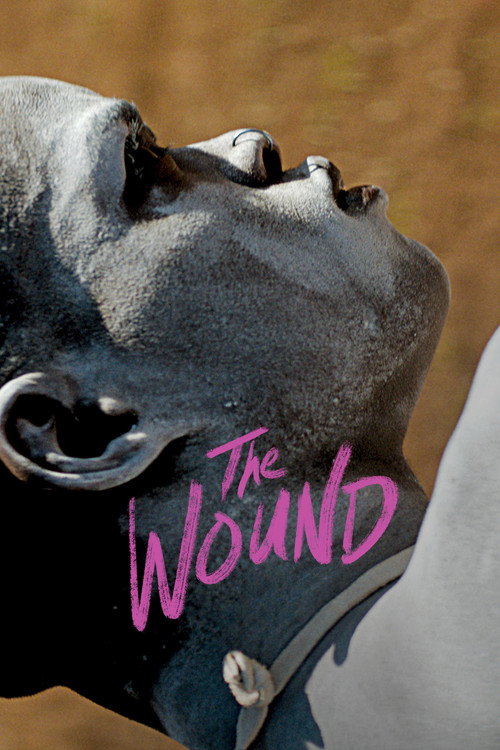
The Wound2017
Both are chamber pieces about men forced into proximity over questions of what past atrocities mean now. Both find horror in conversation and recognition rather than action.
A South African queer drama about a man confronting his homophobic violence through an encounter with a wounded stranger. Genre-wise it's entirely different—intimate, contemporary, focused on one room—but it shares Burial's structure: confined space, escalating tension, two people forced to reckon with each other over the corpse of their former selves.
But It's sexually explicit and deals with male sexual violence head-on. The intimacy and vulnerability demanded from the actors is radical; many viewers find that discomfort precisely the point, but it's a discomfort nonetheless.
People
Cast
 Charlotte VegaBrana Brodskaya
 Barry WardMikhail 'Tor' Oleynik
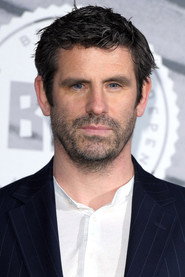 Dan Renton SkinnerCpt. Vadim Ilyasov
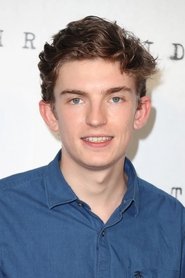 Bill MilnerIossif Gulyaev
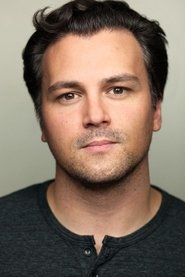 Niall MurphyDimitry Makar
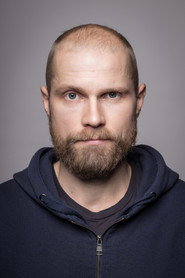 Kristo ViidingGrigoriy Churakov
- Bashka ForrestLudmila
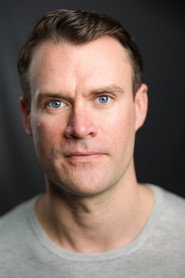 David AlexanderKarl Edwards / Bunker Soldier (voice)
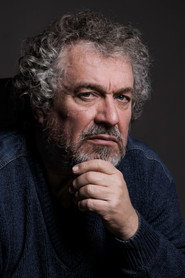 Jaan RekkorMiłosz
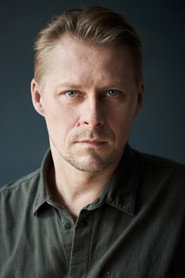 Tambet TuiskCol. Gorbinskiy
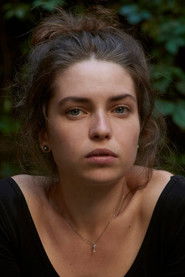 Ester KuntuJustyna
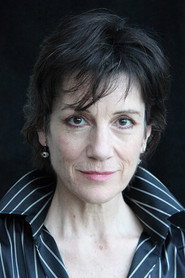 Harriet WalterAnna Marshall
Directing
- Helis HirveContinuity
- Ben ParkerDirector
- Nick JustinFirst Assistant Director
- Karin MartinsonSecond Assistant Director
- Matilde MatvereThird Assistant Director
Writing
- Ben ParkerWriter
Production
- Kadri RatasseppAccountant
- Tom HarberdAssociate Producer
- Piret Toomvap-SchönbergCasting
- Marta NogueraCasting Assistant
- Colin JonesCasting Director
- Ivo FeltCo-Producer
- Ali CookExecutive Producer
- Ali CookExecutive Producer
- Andy MaysonExecutive Producer
- Bizzy DayExecutive Producer
- Compton RossExecutive Producer
- Hugh SpearingExecutive Producer
- Maria LoganExecutive Producer
- Mike RunagallExecutive Producer
- Phil HuntExecutive Producer
- Will ClarkeExecutive Producer
- Johanna TrassLine Producer
- Artur MakkuLocation Assistant
- Hardi KeerutajaLocation Assistant
- Raido Jaan ReiLocation Assistant
- Roland LugimaLocation Assistant
- Henri KeerutajaLocation Manager
- Matthew James WilkinsonProducer
- Paul HigginsProducer
- Margot PrivoiProduction Coordinator
- Joanna BraceyTravel Coordinator
- Toomas KülaotsUnit Manager