
Film
Hard to Be a God
Andrei Konchalovsky's adaptation of the Strugatsky brothers' sci-fi novel sends observers to a medieval alien world where non-interference becomes impossible. Shot in grimy, tactile black-and-white, it's a three-hour immersion in mud, blood, and moral paralysis—a film that asks what happens when good intentions meet systemic cruelty. For viewers who prize cinema as experience over story.
If you liked this
Stalker1979
Tarkovsky's meditation on desire and forbidden knowledge shares the Strugatskys' source DNA and similar philosophical weight. A journey toward a mysterious destination becomes an excavation of human longing and the impossibility of certainty.
But Glacially paced and abstract; its power arrives through patience and metaphor rather than plot momentum. Not a film that explains itself.

Come and See1985
Another Soviet masterpiece about witnessing atrocity without power to stop it. Shot with sickening immediacy, it documents moral destruction through the eyes of someone forced to watch. Devastating and unforgettable.
But Harrowing in ways that linger; not cathartic, designed to wound. Among cinema's most difficult watches for good reason.

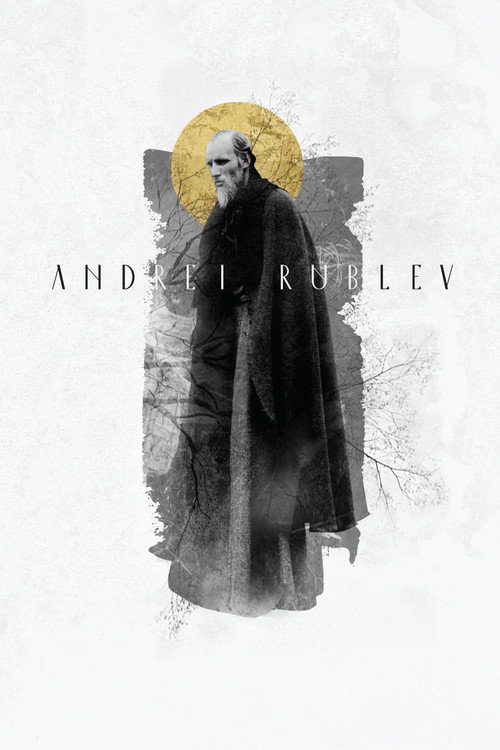
Andrei Rublev1966
Tarkovsky again, but here he's asking whether an artist can create beauty in a world of barbarism. Black-and-white, episodic, brutal, and transfigured by faith. A companion piece to Hard to Be a God's question about meaning.
But Three hours of medieval suffering punctuated by silence. Demands surrender; resists being watched passively.
Not sure tonight? Get a pick in a minute, starting from Hard to Be a God
The wildcard
Something you would not have found on your own.
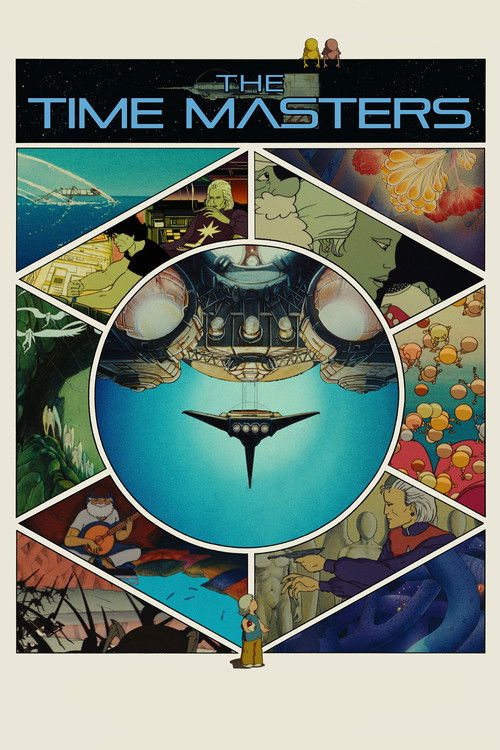
Time Masters1982
Both use science fiction's alienation to examine whether presence can ever overcome helplessness; both find beauty in failure and the attempt to care.
Pialat's sci-fi rarity about time-traveling rescue attempts sent to a dying planet is equally grounded in mud and mortality. A provincial French film that shares Hard to Be a God's conviction that grand interventions fail against the weight of reality.
But Visually modest and structurally elliptical; Pialat's palette is grey and his pacing is provincial. Easy to mistake for incompetence.
More like this (7)
Man with a Movie Camera1929
Vertov's experimental documentary about Soviet life uses radical form to interrogate reality itself. Like Hard to Be a God, it's fascinated by perspective and what cameras can reveal about systems of power and everyday cruelty.
But Silent, montage-heavy, and deliberately abstract. There is no plot; the style is the substance, which requires active engagement.

Possession1981
Żuławski's hallucinogenic portrait of a marriage collapsing in 1980s Berlin is equally obsessed with bodies, decay, and the impossibility of communication. Grotesque, sensual, bewildering cinema that trusts the image over comprehension.
But Deliberately obscure and viscerally unpleasant. Its allegory about ideology and desire is opaque; some will find it self-indulgent.

Under the Skin2014
Glazer's alien-among-us story is nearly wordless, tactile, and obscure in meaning. Like Hard to Be a God, it treats the familiar world as strange and uses its protagonist's alienation to defamiliarize how we see power and bodies.
But Slow-burn science fiction that withholds explanation. The final act becomes abstract and many viewers find it pretentious or tedious.

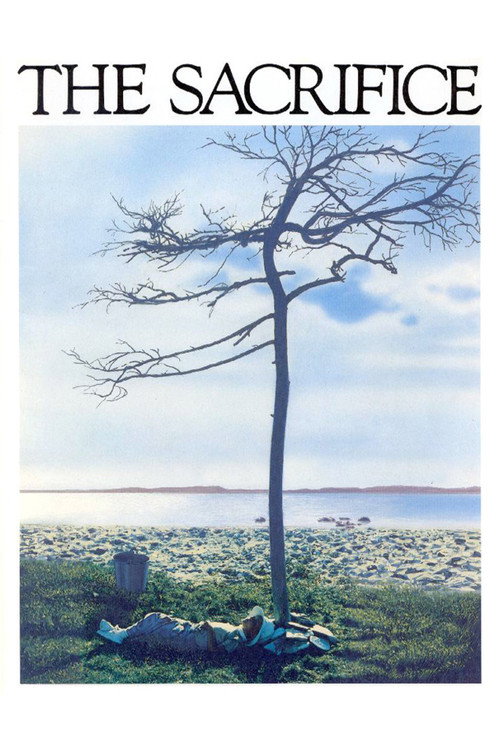
The Sacrifice1986
Tarkovsky's final film, made in exile, meditates on faith, sacrifice, and apocalypse through a single night at a house by the sea. Visually sumptuous, philosophically rigorous, equally concerned with what one person can and cannot do.
But His most baroque and longest film; some find it overwhelming and arch. Requires real emotional availability to land.
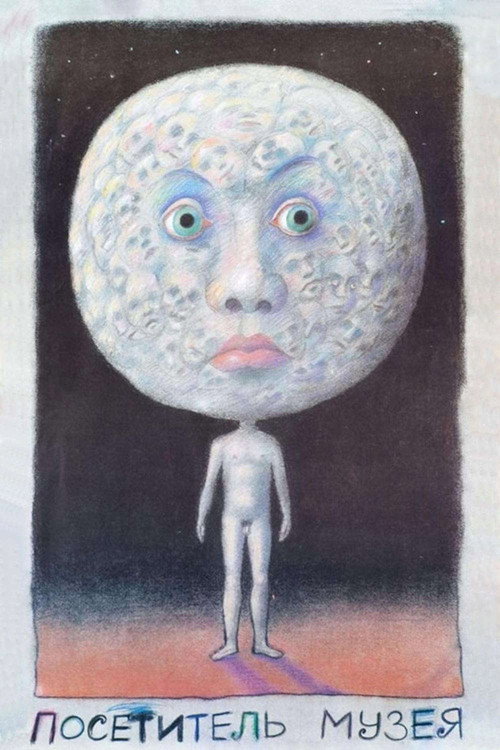
A Visitor to a Museum1989
Khotinenko's haunting adaptation of a Strugatsky story about a time-traveler visiting a post-apocalyptic future. Shares the source authors' belief that observation changes nothing; meditative and strange in ways that linger.
But Obscure, quietly bleak, and resolved in the margins. Less visually striking than Hard to Be a God and harder to find.
The Seventh Seal1957
Both are monochrome meditations on medieval cruelty framed as philosophical inquiries; one uses metaphor, one uses immersion, but both ask if knowing better helps at all.
Bergman's knight plays chess with Death while plague ravages the countryside. It's the Western cinema film about medieval suffering, faith collapsing, and powerlessness—visually stark and philosophically thick, made when art still believed in metaphor.
But Famous and canonical; what you watch when you want to feel like you're watching something important. Its allegories can feel schematic.

The Ascent1977
Both use extreme form to make suffering inescapable; both ask whether sacrifice means anything in a world organised against it, and both trust that the question itself is sacred.
Shepitko's ravishing colour film about two Soviet partisans in occupied Belarus becoming Christ figures through suffering. Three hours of landscape, faith, and annihilation; one of cinema's strangest spiritual works, made by a filmmaker who died before seeing it released.
But Religious allegory in a Soviet film; challenging theology and remote in its austerity. Colour cinematography that's often described as cold, which is unfamiliar after so much Soviet black-and-white austerity.

People
Cast
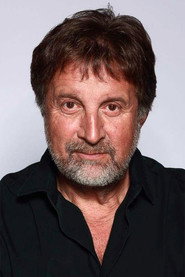 Leonid YarmolnikRumata
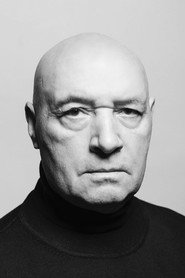 Yuriy TsuriloBaron Pampa
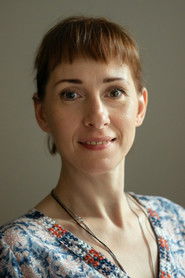
 Aleksandr ChutkoDon Reba
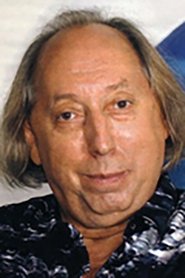 Evgeniy GerchakovBudakh
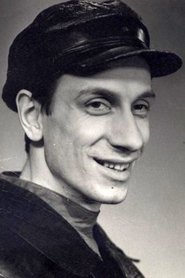
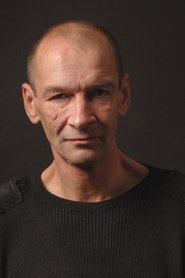 Juris LauciņšHangman
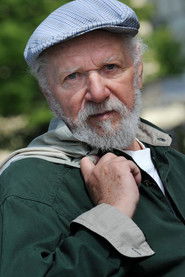 Vytautas PauksteKabani
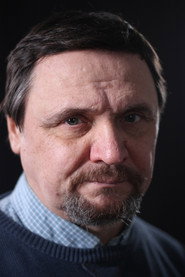
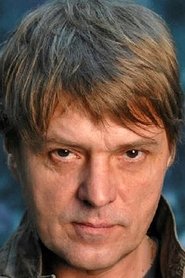 Aleksandr Cherednikepisode
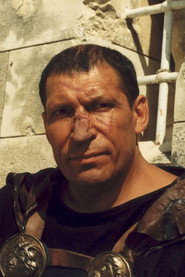 Valentin GolubenkoArata
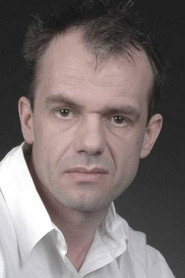 Konstantin BykovMonk
Directing
- Oleg YudinAssistant Director
- Yuri FetingAssistant Director
- Aleksei GermanDirector
- Feliks EskinFirst Assistant Director
Writing
- Arkadiy StrugatskiyNovel
- Boris StrugatskiyNovel
- Aleksei GermanScreenplay
- Svetlana KarmalitaScreenplay
Production
- Leonid YarmolnikProducer
- Rushan NasibulinProducer
- Viktor IzvekovProducer