
Film
Approved for Adoption
An animated documentary about Korean-American identity, displacement, and belonging. Filmmaker Jung Henin traces his adoption by a white Belgian family through hand-drawn vignettes, archival footage, and his own voice. It's intimate without being sentimental, funny without deflecting from real pain. Essential viewing for anyone grappling with what home means.
If you liked this
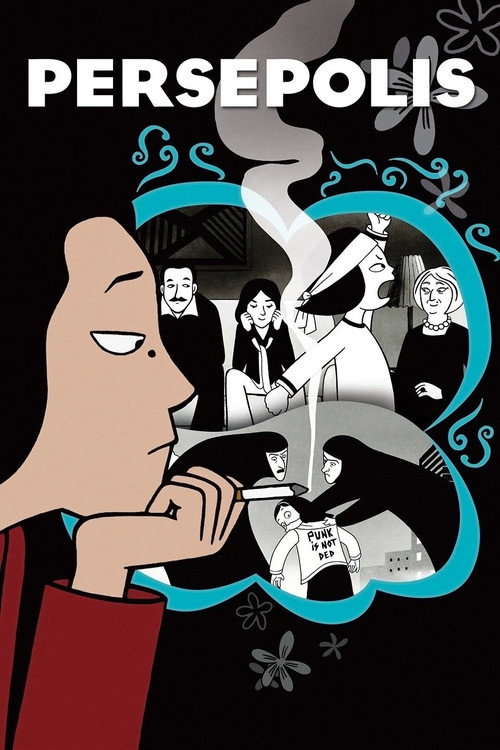
Persepolis2007
Marjane Satrapi's animated memoir about growing up in revolutionary Iran has the same blend of humour, heartbreak, and cultural dislocation. It proves animation can excavate identity with the precision of documentary and the grace of art.
But The rotoscope animation style feels dated now, and the film's political commentary can overshadow the intimate family dynamics some viewers came for.
The Farewell2019
Lulu Wang's film captures the exact tension Jung explores: the gap between who your family thinks you are and who you're becoming. It's warm and wry and absolutely refuses easy answers about cultural belonging.
But Some find the tonal shifts between comedy and gravity jarring, and if you're looking for a clear resolution, the film deliberately avoids one.

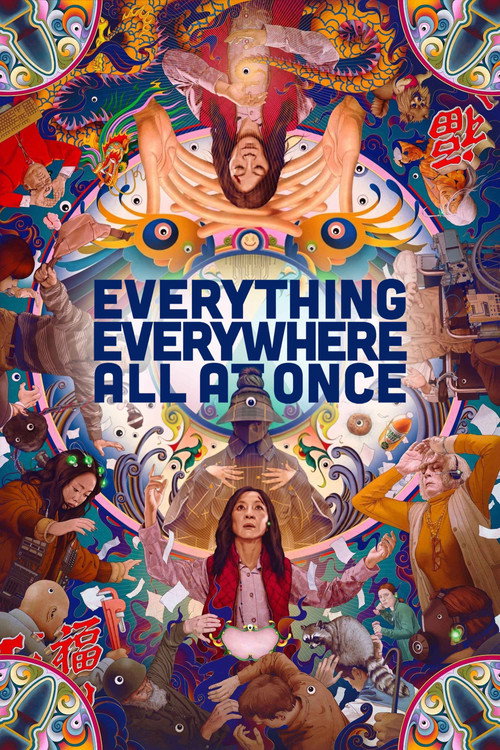
Everything Everywhere All at Once2022
On the surface it's chaos, but at its core it's about a mother and daughter trying to understand each other across incompatible realities. It shares Jung's insight that identity isn't fixed—it's fractured, layered, and worth fighting for.
But The maximalist visual style and plot density can feel exhausting rather than exhilarating, especially if you prefer quieter storytelling.
Not sure tonight? Get a pick in a minute, starting from Approved for Adoption
The wildcard
Something you would not have found on your own.
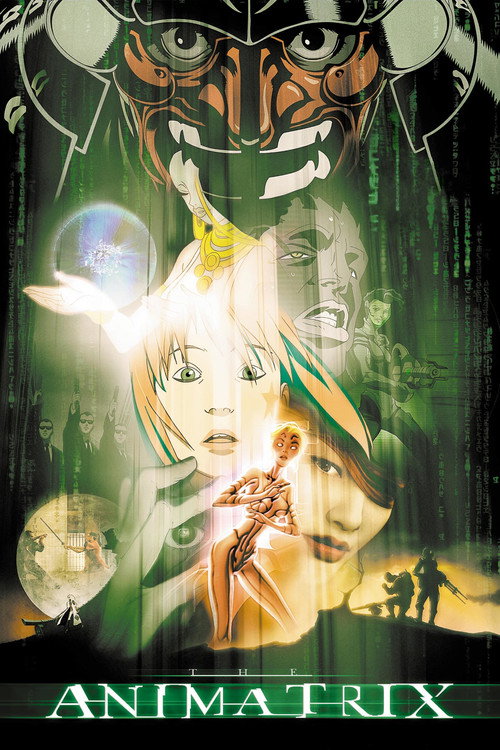
The Animatrix2003
Both use animation's formal flexibility to express subjective truth. Where Jung layers rotoscope over archival footage to interrogate memory, The Animatrix uses different animation styles to suggest different realities—both are using the medium's plasticity as thematic statement.
Nine animated shorts exploring the Matrix universe, each in radically different visual styles. Like Jung's film, it proves animation can be conceptually sophisticated and formally experimental while remaining emotionally grounded. Each vignette is a different artist's vision, mimicking how Jung's own hand-drawn sequences carry his singular perspective.
But It's supplementary material rather than essential viewing, and anime-adjacent action sequences will alienate viewers seeking narrative coherence. Some segments are purely philosophical rather than dramatically satisfying.
More like this (7)
A Ghost Story2017
David Lowery's film meditates on belonging and time through the simplest possible image: a ghost watching the world move on. Like Jung's work, it's formally inventive and emotionally devastating, asking what remains when you're no longer where you started.
But It's deliberately paced and conceptual. The ghost costume is intentionally ridiculous-looking, which some find precious rather than profound.

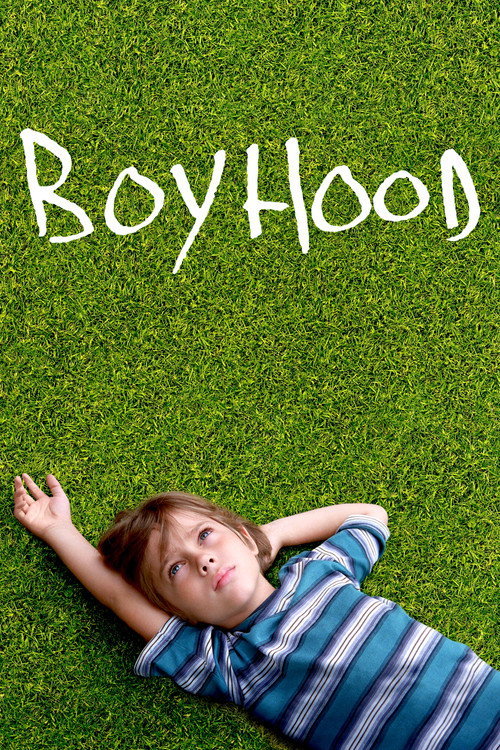
Boyhood2014
Richard Linklater filmed the same actors over twelve years, creating a portrait of growing up that feels lived-in rather than performed. It matches Jung's patient, unsentimental approach to charting childhood and adolescent change.
But Its length and lack of conventional narrative momentum bore many viewers. The 'nothing happens' complaint is common and sometimes fair.
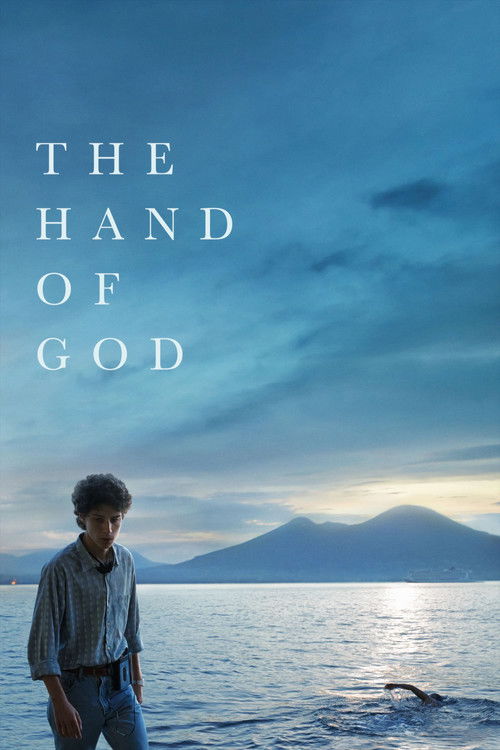
The Hand of God2021
Paolo Sorrentino's semi-autobiographical film moves fluidly between comedy, grace, and dark family dysfunction. It shares Jung's willingness to love people while naming their failures, all filtered through memory and artistic reconstruction.
But It's baroque and self-consciously literary in a way that can feel self-indulgent. Neapolitan provincial life may feel remote if you're seeking universal resonance.
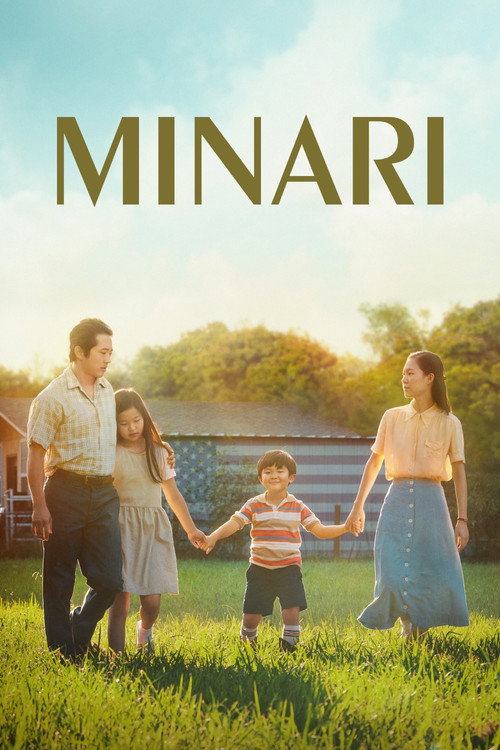
Minari2021
Lee Isaac Chung's film follows a Korean-American family navigating assimilation, economic precarity, and the weight of parental expectation. It's tender without being soft, and it understands the specific loneliness of straddling two worlds.
But The family drama can feel familiar if you've seen similar immigrant narratives. Some find the resolution too neat given the complexities raised.
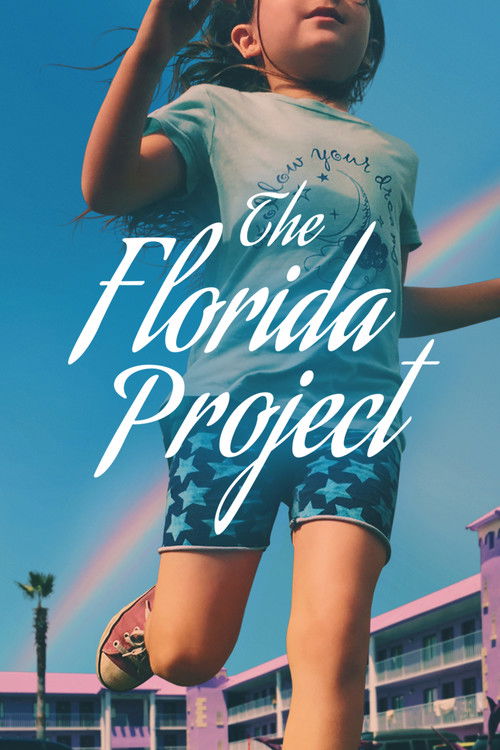
The Florida Project2017
Sean Baker's film observes childhood with documentary precision while maintaining aesthetic distance. Like Jung's work, it refuses to sentimentalise hardship, instead finding humour and grace in displacement.
But The handheld realism and lack of narrative arc frustrate viewers expecting a conventional story. The poverty depicted is relentless and offers no redemptive arc.
Moonlight2016
Both films structure identity as a series of fractured moments rather than a coherent narrative. Jung and Chiron are both learning who they are in relation to families that cannot quite see them. Both use visual language—animation, colour, light—to express what dialogue cannot.
Barry Jenkins' film fragments a Black gay man's life into three periods, each with its own colour and texture. It's a portrait of identity formed in the gaps between who you are told to be and who you become—the exact centre of Jung's exploration. Visually and emotionally devastating.
But The fragmented narrative across decades may feel distancing rather than intimate. The poverty and violence depicted is unrelenting, and some viewers struggle with the visual abstraction of key emotional moments.

The Ascent1977
Both Jung and Rublyov are grappling with how to represent truth through art when your own identity is fragmented. Both films use the creative act itself—animation, painting—as a way of recovering meaning from displacement. Both refuse redemption narratives in favour of harder, lonelier insights about what it means to make something true.
Andrei Rublyov's Black-and-white philosophical epic follows a medieval Russian icon painter's crisis of faith and purpose. It's formally austere and emotionally overwhelming, using art-making as a metaphor for searching for meaning across displacement and suffering. A masterpiece rarely discussed in this context but essential if you're thinking about identity and belonging.
But It's 205 minutes in black-and-white with minimal plot momentum. Tarkovsky's pacing is glacial and demands total commitment. The Russian Orthodox theological framework may feel foreign and the film offers no comfort.

People
Cast
 William CorynJung (voice)
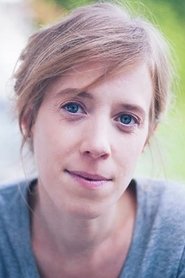 Christelle CornilLa mère (voice)
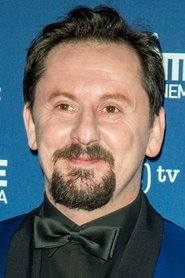 Jean-Luc CouchardLe père (voice)
- Arthur DuboisJung (8 ans) (voice)
- David MacalusoJung (17 ans) (voice)
- Jung HeninSelf
Directing
- Jung HeninDirector
- Laurent BoileauDirector
Writing
- Laurent BoileauWriter