
Film
Overlord
Other titles called Overlord: the 2015 series (AT-X), the 2018 film.
- War drama
- Very dark
Stuart Cooper's 1975 *Overlord* fuses documentary footage with narrative drama to depict a young recruit's journey toward D-Day. Shot in crisp black-and-white, it's a meditation on fate and inevitability as much as war—the growing dread of a man marching toward a known catastrophe. Quietly devastating, demanding attention.
Should you watch it?
Watch it if you respond to quiet, observational war films that build dread through rhythm and imagery instead of battle set-pieces, and you don't mind the mood doing the work.
Skip it if you want momentum, dialogue or a clear plot to carry you, since this is slow, sparse and often lingers on ordinary routine for long stretches.
What it asks of you: Eighty-odd minutes that unfold at a deliberately unhurried pace, with long silences and drifting scenes, so patience matters more than following a story closely.
Not sure? Find tonight's pick in a minute.
If you liked this
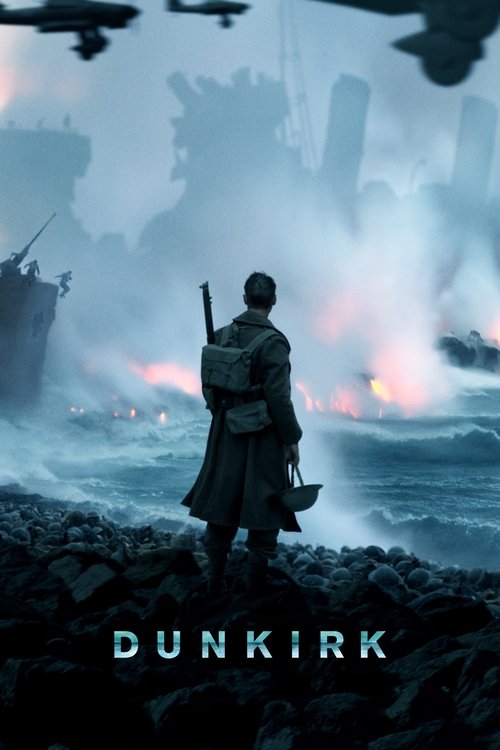
Dunkirk2017
Nolan's kaleidoscopic approach to wartime chaos mirrors *Overlord*'s fractured perspective. Both films use time and structure to amplify terror rather than resolve it. Immersive and formally inventive.
But Three-hour runtime with minimal dialogue and character development. The fractured timeline can feel cold, even alienating, on first viewing.
Come and See1985
Elem Klimov's Russian masterpiece shares *Overlord*'s refusal to mythologise war. Both follow a young conscript into horror, and both use sound and visuals to destroy romantic notions of soldiering. Unforgettable and savage.
But Genuinely difficult to watch. Sustained brutality and despair, with a finale that targets trauma directly. Not cathartic; corrosive.

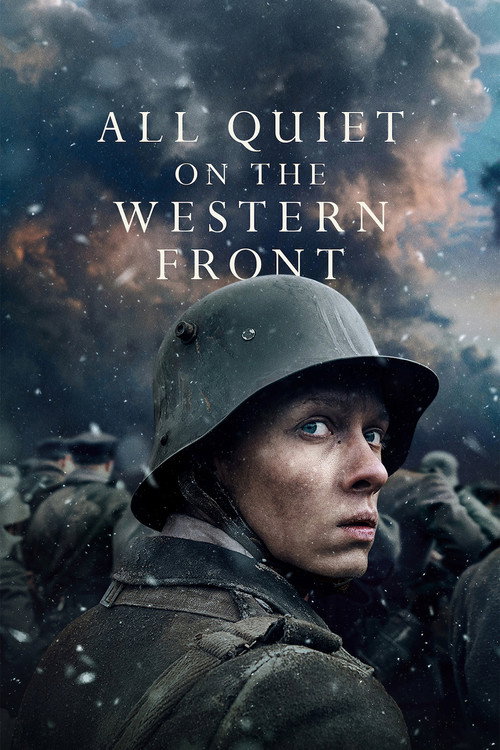
All Quiet on the Western Front2022
Edward Berger's adaptation captures the same creeping knowledge of doom that defines *Overlord*. Both films argue that war's tragedy lies not in glorious battle but in the grinding machinery consuming the young.
But German perspective may feel unfamiliar to viewers expecting a traditional Allies narrative. Some combat sequences are intense and prolonged.
Not sure tonight? Get a pick in a minute, starting from Overlord
The wildcard
Something you would not have found on your own.
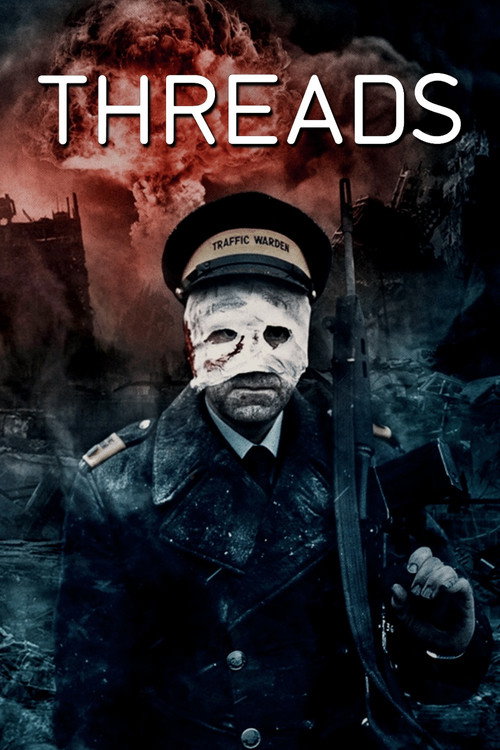
Threads1984
Both use structural inevitability and factual materials to force viewers to witness something they'd rather not—the eradication of hope before the story even ends.
Barry Hines's nuclear apocalypse film uses the same documentary-hybrid technique as *Overlord*—mixing news reports, graphics, and narrative to chart societal collapse. Both films share a relentless logic: you see the destination from frame one.
But Made for British television in grayscale. Deliberately unpleasant to experience. The second half abandons drama for depiction of slow extinction. Many find it unwatchable.
More like this (8)
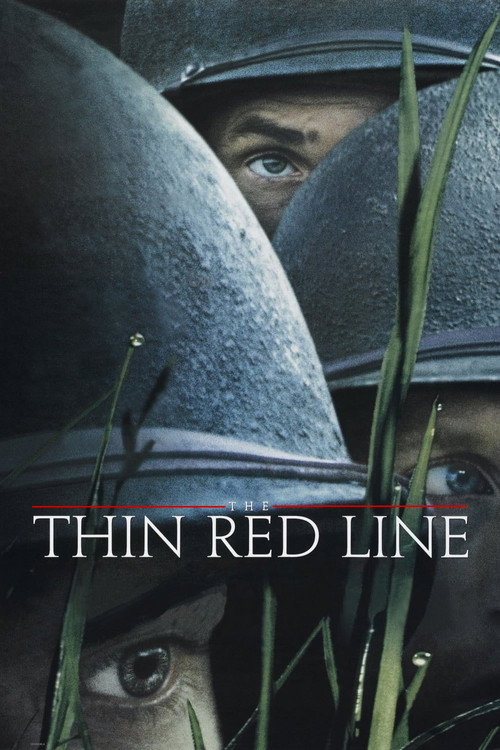
The Thin Red Line1998
Terrence Malick's philosophical approach to combat echoes *Overlord*'s introspective mood. Both prize spiritual unease and the weight of mortality over action heroics. Visually stunning and morally urgent.
But Deliberately slow and meditative. Lacks conventional plot momentum. Malick's voiceover can feel mannered to those unused to his style.
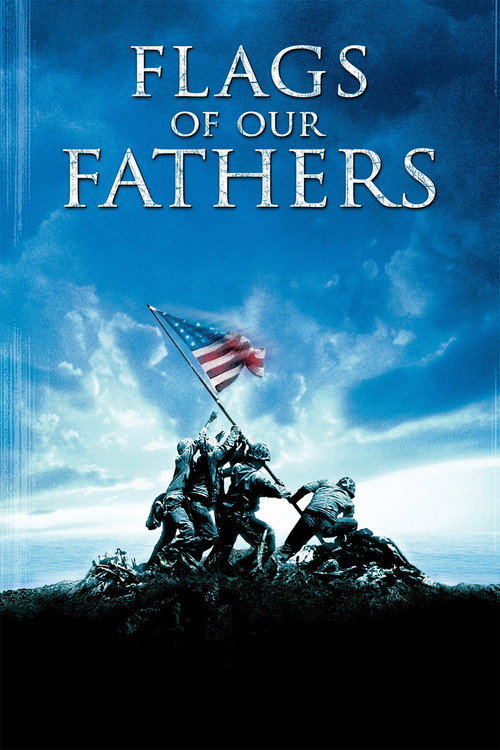
Flags of Our Fathers2006
Eastwood examines the machinery behind war myth-making—how nations package sacrifice. Structurally mirrors *Overlord*'s use of documents and images to complicate truth. Politically sharp without shrillness.
But Dual timeline structure demands focus. Second half slows considerably, trading action for moral accounting.
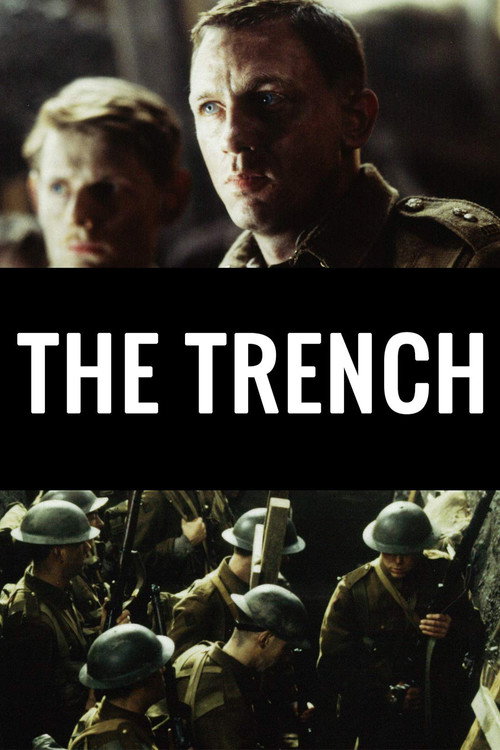
The Trench1999
A chamber piece set in a British trench the night before a doomed offensive. Captures *Overlord*'s claustrophobic dread and the peculiar intimacy of men facing shared death. Bleak and poetic.
But Extremely low-budget, which shows. Dialogue-heavy and stagey. Limited scope may feel repetitive to some.
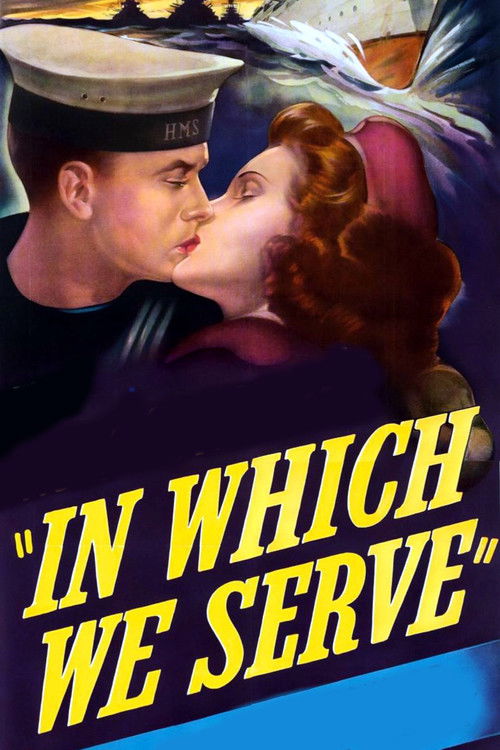
In Which We Serve1942
Noël Coward's wartime drama uses a fractured chronology to trace a ship's crew through action and aftermath. Like *Overlord*, it finds honour in small acts rather than grand gestures. Surprisingly moving.
But Produced during the war as propaganda. Some elements feel dated. Stiff upper lip restraint may read as emotionally cold to modern audiences.
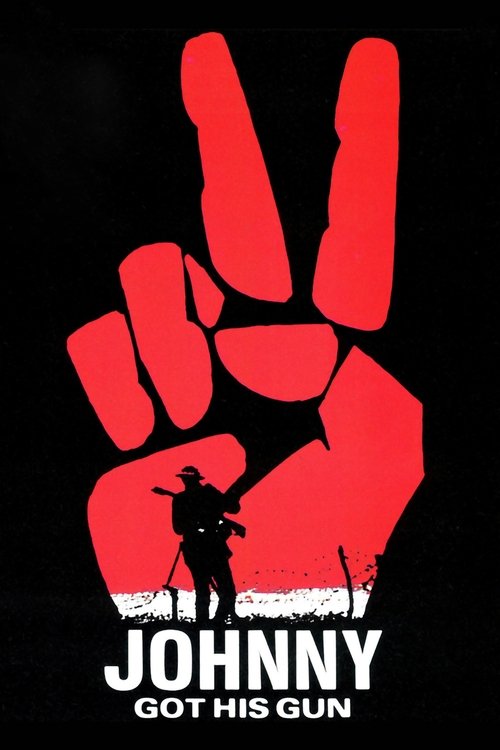
Johnny Got His Gun1971
Dalton Trumbo's anti-war film shares *Overlord*'s refusal to aestheticise suffering. Both films prioritise a soldier's interior life over spectacle. Formally daring and morally uncompromising.
But The premise—a man conscious but completely paralysed—is as horrifying as the film's intention demands. Not a film that consoles or uplifts.
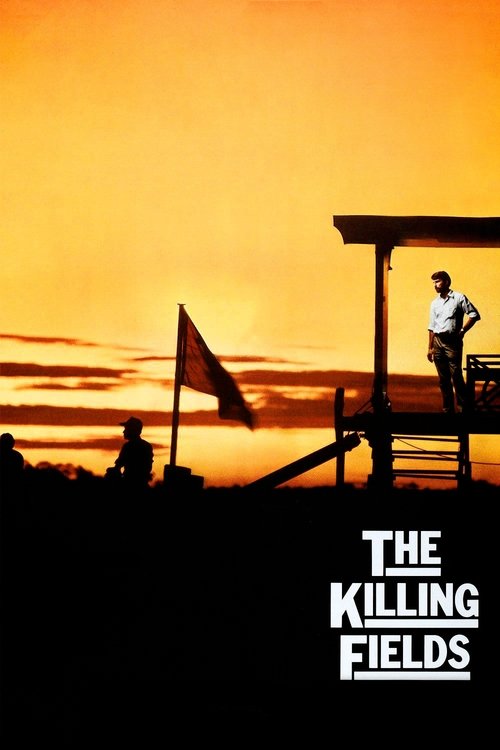
The Killing Fields1984
Roland Joffé traces the descent from conflict to genocide through the eyes of a journalist and guide. Like *Overlord*, it uses a personal story to indict machinery larger than individuals. Historically vital.
But Graphic violence and scenes of mass suffering. The pacing can feel episodic. Some may find it exploitative of real atrocity.
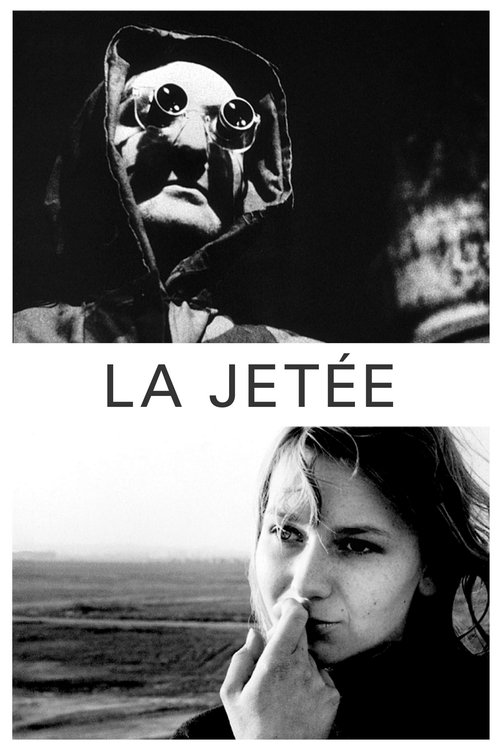
La Jetée1962
Both films accept a predetermined outcome and use that acceptance as their structural and emotional engine. Fate is not a problem to solve but a weight to bear.
Chris Marker's time-travel meditation is constructed almost entirely from still photographs, narration, and sound. Like *Overlord*, it uses its formal constraints to achieve emotional weight. An experimental film that broke every rule and mattered.
But Twenty-eight minutes of still images with voiceover may sound insufferable. Requires active attention. The science fiction premise is secondary to philosophy and mood.
The Ascent1977
Both films follow a young man toward a known and terrible conclusion, finding in that march not tragedy but strange grace. The structure is the subject.
Larisa Shepitko's film follows two Soviet partisans moving toward an inevitable death. Shot in bleached black-and-white, it's a spiritual and physical journey that transforms suffering into transcendence. Profoundly moving without being sentimental.
But Slow-moving, abstract, and Soviet—audience alienation is built in. Subtitled. More interested in metaphysics than narrative momentum. Can feel glacial and remote.

People
Cast
 Davyd HarriesJack
 Nicholas BallArthur
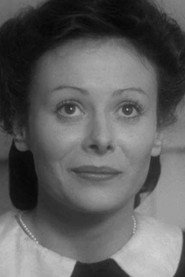 Julie NeesamThe Girl
- Sam SewellThe Trained Soldier
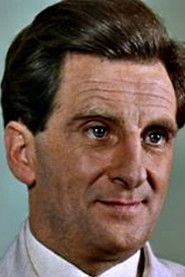
- Harry ShacklockStationmaster
- David ScheuerMedical Officer
- Ian ListonBarrack Guard
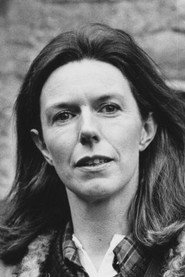 Lorna LewisProstitute
- Stephen RiddleDead German Soldier
Directing
- Stuart CooperDirector
- Wendy BanksScript Supervisor
Writing
- Christopher HudsonScreenplay
- Stuart CooperScreenplay
Production
- James QuinnProducer