
Film
After the Wedding
Other titles called After the Wedding: the 2006 film.
A film about the collision of past and present when a young orphanage director from India meets a wealthy New York philanthropist at a wedding. It's a chamber drama about secrets, identity, and the stories we tell ourselves, unfolding with the quiet intensity of a conversation you can't quite leave. For anyone who prizes character and emotional honesty over plot mechanics.
Should you watch it?
Watch it if you like intimate family dramas driven by long, tense conversations and buried history, where a single room full of people can feel like a pressure cooker.
Skip it if you want brisk plot and clear forward motion, since this one lingers in talky rooms and asks you to accept some convenient timing.
What it asks of you: Settle in for just under two hours of mostly close-quarters scenes at a deliberate pace, with a heavy mood that rewards your full attention.
Not sure? Find tonight's pick in a minute.
If you liked this
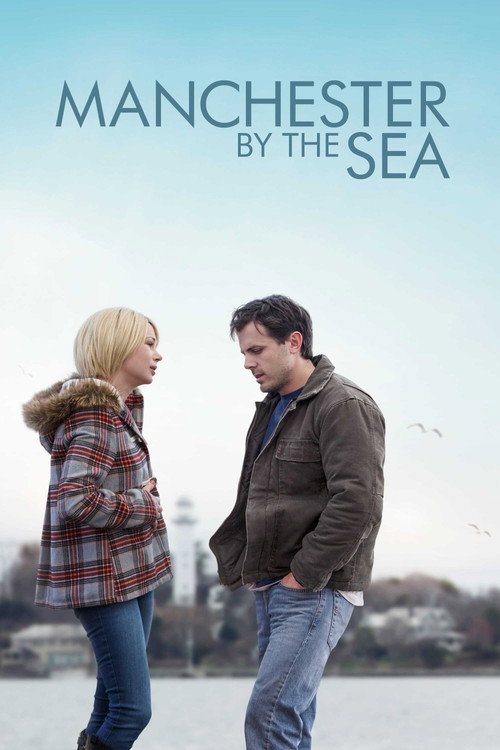
Manchester by the Sea2016
A masterclass in portraying grief and regret without sentimentality. Casey Affleck's performance as a man haunted by his past mirrors the weight Julianne Moore carries here—both films understand that sometimes the deepest pain lives in what's unsaid.
But Deliberately paced and bleak. If you need catharsis or a clear emotional arc, this will feel like being stuck in someone else's sadness.
Spotlight2015
Like *After the Wedding*, it's built on the slow peeling back of layers—secrets within institutions, people who know more than they're saying. Both trust the audience to piece together implications rather than spelling everything out.
But Procedural and methodical to the point where some find it dry. The payoff is emotional truth, not dramatic fireworks.

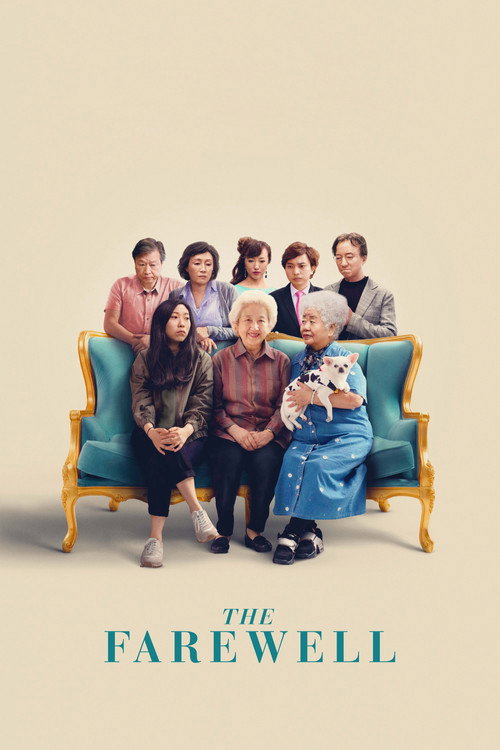
The Farewell2019
Shares the same DNA: a woman navigating between two worlds, family secrets that reshape identity, and the question of what we owe to people we love. Lulu Wang's film has more warmth, but the core tension is identical.
But The tonal shifts between comedy and melancholy won't work for everyone. Some see it as inconsistent rather than complex.
Not sure tonight? Get a pick in a minute, starting from After the Wedding
The wildcard
Something you would not have found on your own.
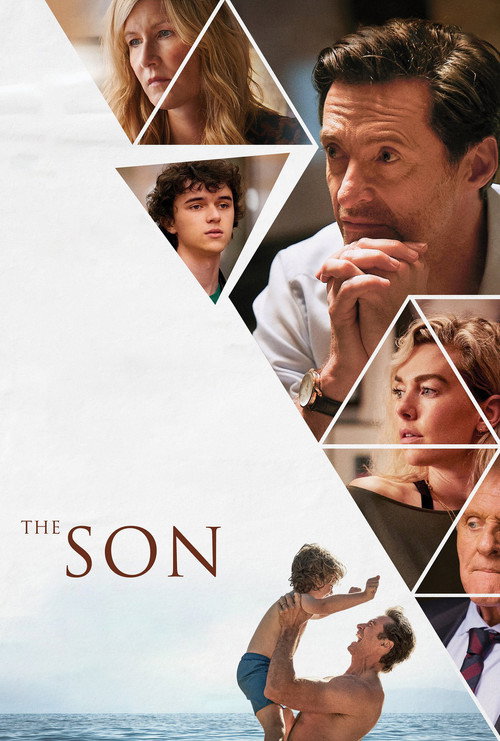
The Son2022
Both films use a central meeting or gathering to excavate family secrets; both understand that love and damage are often inseparable, and that good intentions don't absolve anyone of harm.
Florian Zeller adapts his own play about a father confronting his adult son's depression and the family dysfunction underneath. It uses the same architectural approach as *After the Wedding*—peeling back layers of a family's mythology to reveal what was always there.
But Extremely bleak about mental illness and parental failure. Zeller refuses to soften any of it, and that refusal will feel unbearable to some.
More like this (8)
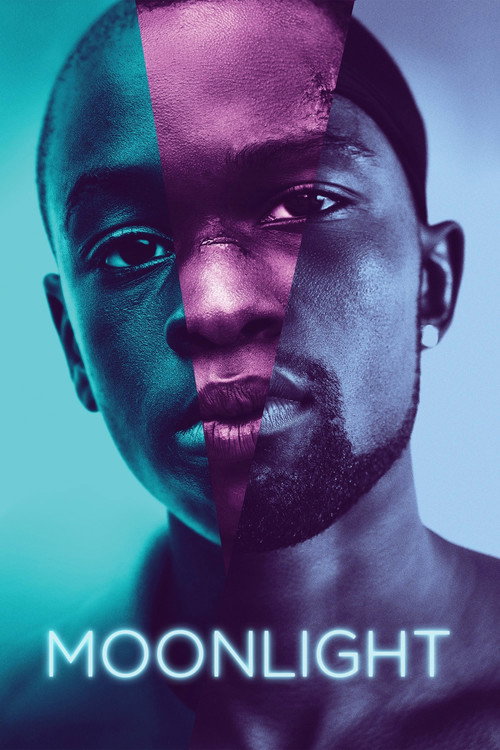
Moonlight2016
Three chapters of a man's life, each revealing what came before. Like *After the Wedding*, it's about how the past reaches forward and claims us, and what happens when we're finally seen as we actually are.
But Deliberately fragmented and visual rather than plot-driven. The quiet moments are the point, which alienates viewers who need forward momentum.
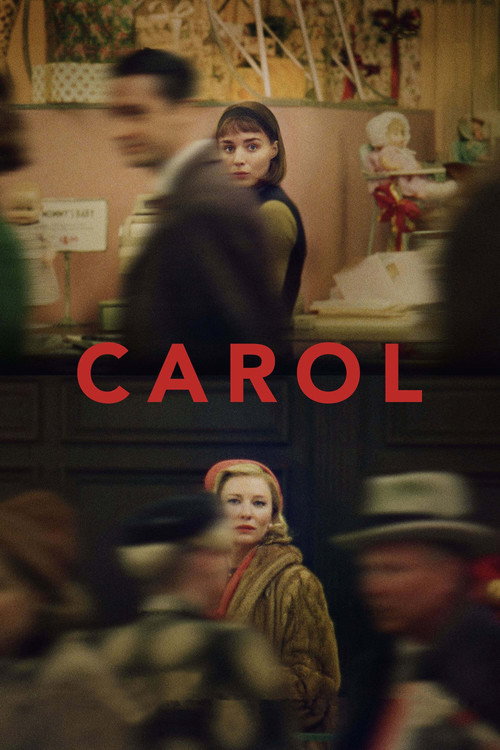
Carol2015
Both films understand the vocabulary of glances and silences, of relationships that can't be easily named. Todd Haynes' precision about desire and longing shares *After the Wedding*'s emotional intelligence and restraint.
But Slow-burn romance that privileges mood over incident. If you're watching for plot developments, you'll be frustrated.
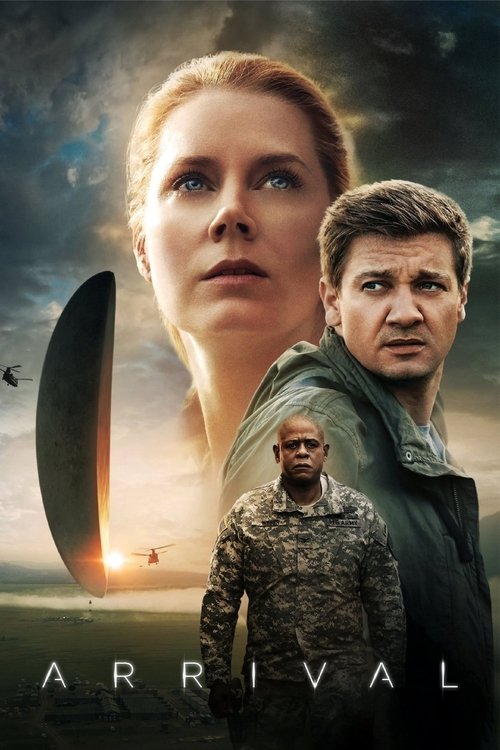
Arrival2016
A film about communication, understanding, and how learning to see differently rewires who you are. The same philosophical depth as *After the Wedding*, just in a different register—science fiction instead of domestic drama.
But The premise might seem too high-concept if you're expecting intimate character work. Some find the final reveal sentimental.
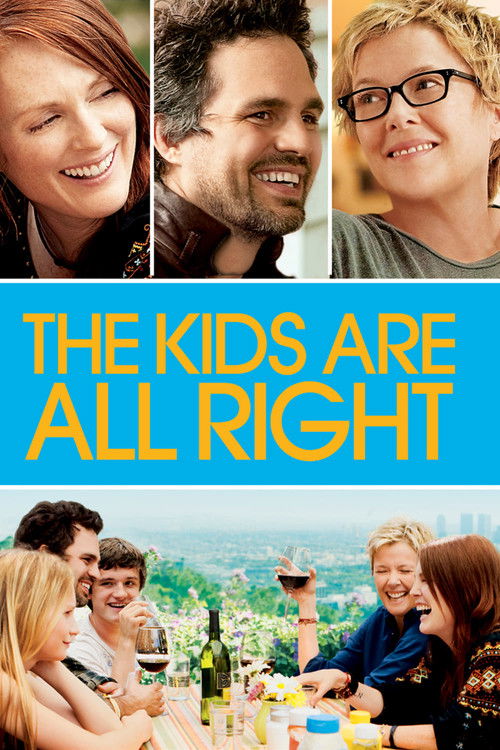
The Kids Are All Right2010
A family drama where secrets and hidden desires destabilize everything. It shares *After the Wedding*'s interest in how identity is constructed within family systems and what happens when those constructs crack.
But The tone can feel uneven—moments of genuine darkness next to comedy that doesn't quite land. Some see it as muddled rather than complex.
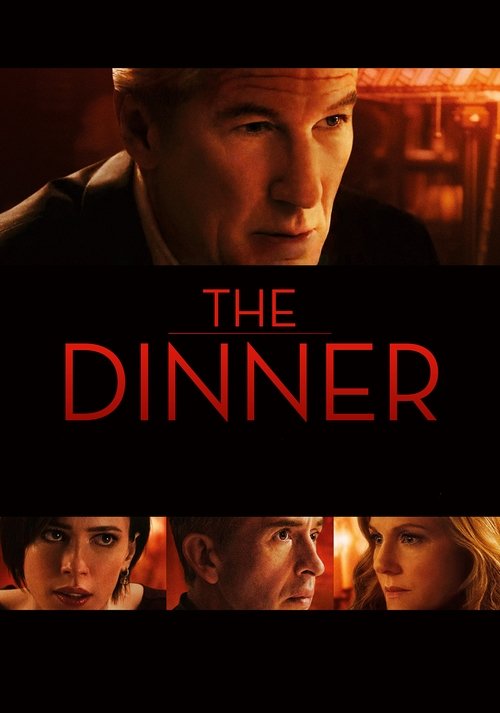
The Dinner2017
Two couples at a restaurant table as the evening unfolds and terrifying truths emerge. Like *After the Wedding*, it's built on the idea that civility is a thin skin over darker realities, and that secrets have weight.
But Aggressively bleak and offers no real catharsis. The bleakness feels performative to some, and the ending may feel punitive rather than illuminating.
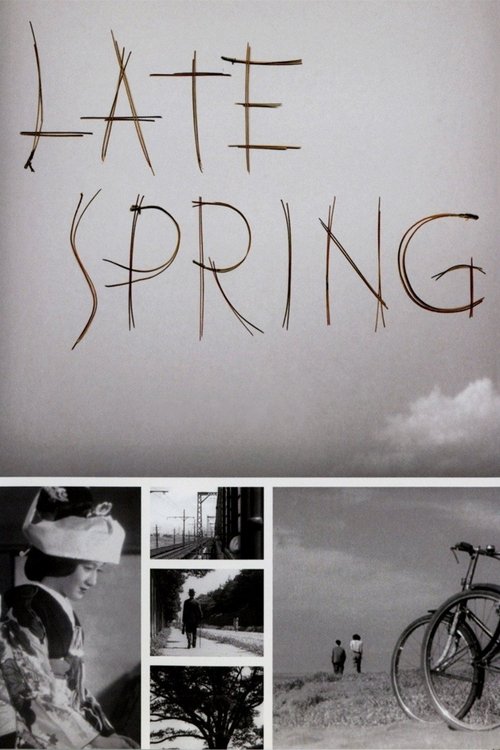
Late Spring1949
Ozu's film about a father and daughter and the unspoken love and resentment that binds them. It works the same territory as *After the Wedding*: family ties that can't be simply severed, and the cost of selflessness.
But Made in 1949 and it shows. The pacing is glacial by modern standards, and if you're not already attuned to Ozu's minimalism, it may feel like nothing is happening.
In the Mood for Love2000
Both films understand that what's *not* said is the point. Both use the architecture of social gatherings and formal spaces to contain impossible emotions. Both know that some truths can only be approached obliquely.
Wong Kar-wai's film about two neighbors who suspect their spouses are having an affair, and their careful, coded exploration of connection. It's about desire expressed entirely through style and restraint—longing made visible without resolution.
But Visually lush but narratively minimal. If you need plot momentum or dialogue, this will feel like watching someone else's dream. The film is about atmosphere, not story.

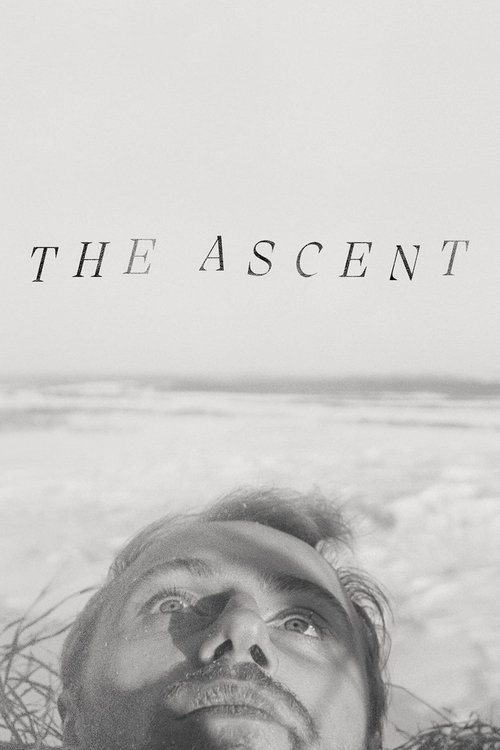
The Ascent1977
Both films are concerned with the gap between who we think we are and who we actually are. Both use a central crisis to examine whether our beliefs about ourselves can survive contact with reality. Both are fundamentally about integrity under pressure.
Larisa Shepitko's devastating film about two Soviet partisans climbing a mountain toward execution. It's a study of faith, doubt, and what we choose to believe in the face of annihilation—Bresson-like in its severity and spiritual inquiry.
But Uncompromisingly bleak and abstract. It's not a narrative you follow but a moral interrogation you endure. If you need concrete storytelling, this will feel like punishment rather than cinema.
People
Cast
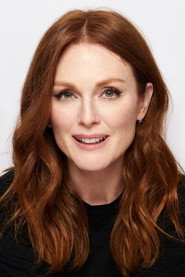 Julianne MooreTheresa
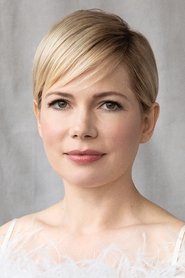 Michelle WilliamsIsabel
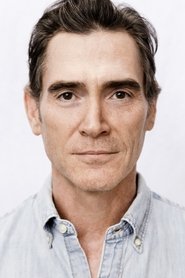 Billy CrudupOscar
 Abby QuinnGrace
 Alex EsolaJonathan
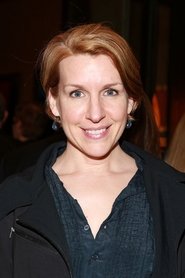 Susan BlackwellGwen
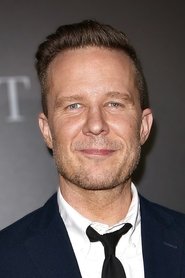 Will ChaseFrank
 Eisa DavisTanya
 Greta QuispeCibele
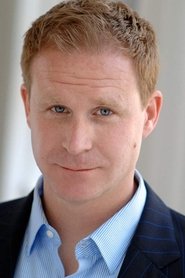 Alex CranmerEddie
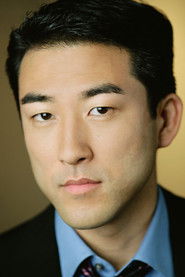 Jeff KimSimon
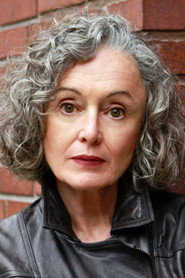 Doris McCarthyJonathan's Grandmother
Directing
- Bart FreundlichDirector
- Heather QuickScript Supervisor
Writing
- Anders Thomas JensenOriginal Film Writer
- Susanne BierOriginal Film Writer
- Bart FreundlichScreenplay
Production
- Douglas AibelCasting
- Henry Russell BergsteinCasting
- Matthew GlasnerCasting Associate
- Erica BensonCo-Executive Producer
- Norm BacalCo-Executive Producer
- Sidney SweibelCo-Executive Producer
- Andrea ScarsoExecutive Producer
- Bill KoenigsbergExecutive Producer
- Deepak NayarExecutive Producer
- Michael Caton-JonesExecutive Producer
- Nik BowerExecutive Producer
- Peter ToucheExecutive Producer
- William ByerleyExecutive Producer
- Bart FreundlichProducer
- Harry FinkelProducer
- Joel B. MichaelsProducer
- Julianne MooreProducer
- Silvio MuragliaProducer
Recommended by
Love Is Blind: México, Sex/Life, Tell Me Lies, Catching Feelings