
Film
Lord Jim
Peter O'Toole carries this 1965 epic as Jim, a disgraced sailor chasing redemption across colonial Southeast Asia. It's a stately, ambitious film about honour and the masks we wear—part adventure yarn, part philosophical meditation on character. For viewers who want their cinema grand and moral questions complicated.
If you liked this
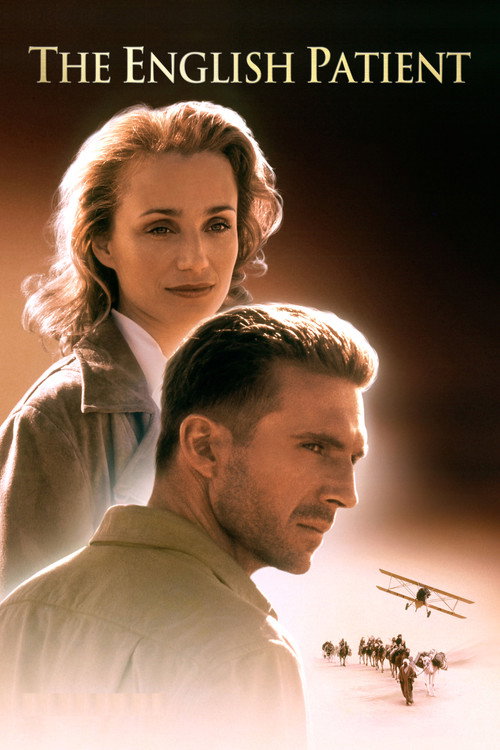
The English Patient1996
Another sweeping 1990s epic about a man defined by a single catastrophic moment, built on Swinton-level cinematography and the weight of inescapable consequence. Ralph Fiennes carries similar burdens of shame and exile.
But At 162 minutes it asks real patience, and the non-linear structure can feel precious if you're not in the right headspace for it.
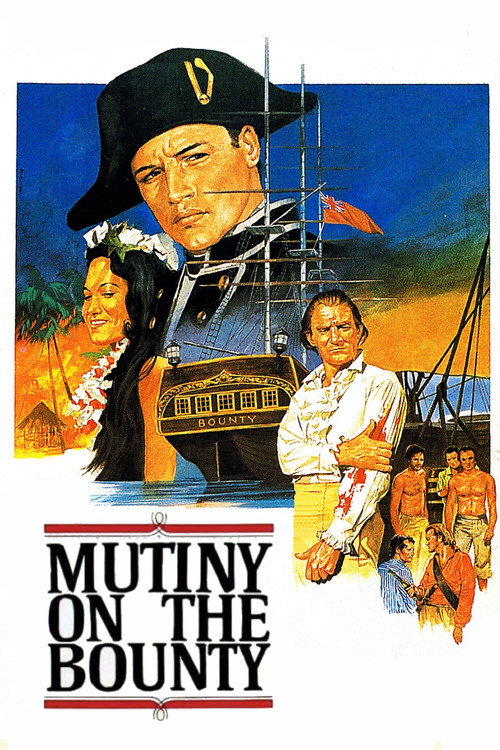
Mutiny on the Bounty1962
A grand naval adventure from the same era with Marlon Brando and Trevor Howard, where honour and cowardice are also central. The ship scenes crackle with the same Technicolor grandeur and moral complexity about leadership failing under pressure.
But The pacing is deliberate and the romantic subplot feels dated. Brando's performance can veer toward self-indulgent.
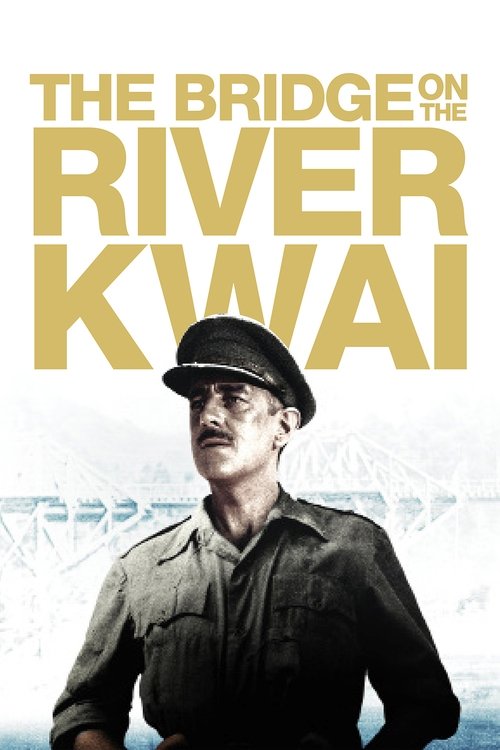
The Bridge on the River Kwai1957
David Lean's masterpiece about obsession, duty, and redemption in the colonial east. Alec Guinness owns the screen with the same weathered moral authority O'Toole brings here, asking whether pride is virtue or poison.
But It's nearly three hours and moves with deliberate elegance. If you need plot momentum over character depth, it will test you.
Not sure tonight? Get a pick in a minute, starting from Lord Jim
The wildcard
Something you would not have found on your own.
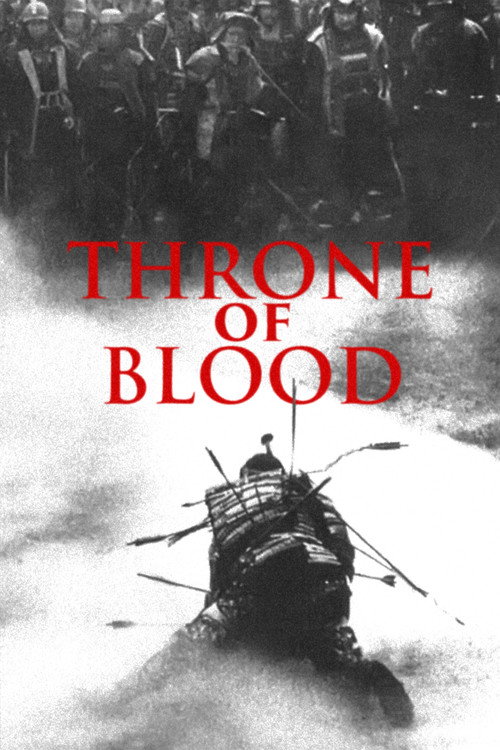
Throne of Blood1957
Both protagonists are trapped by a self-constructed mythology of honour that prevents them from acting authentically. Kurosawa saw the same tragedy in ambition that Lean saw in shame.
Kurosawa transposes Macbeth to feudal Japan with Toshirô Mifune as a general undone by ambition and the prophecies he believes in. Like Jim, it's about a man whose reputation and self-image become a cage he cannot escape, but in samurai black-and-white instead of colonial colour.
But It's Shakespeare-derived and demands you meet it halfway. If you can't hold the parallel structure in your head, it fragments into atmosphere.
More like this (7)
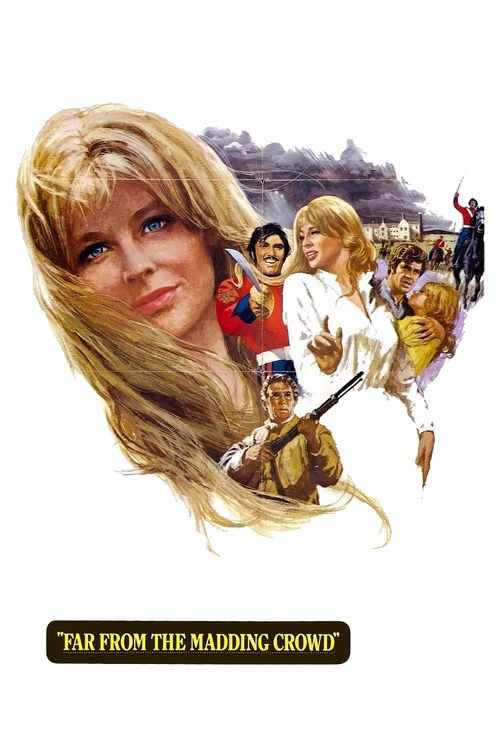
Far from the Madding Crowd1967
John Schlesinger directed both this and made his mark on 1960s epic cinema. Similar richness of landscape and interior conflict, with Julie Christie carrying the moral weight the way O'Toole does—nobody chooses easy redemption here.
But It's a pastoral drama, not an adventure. If you want action, this will disappoint; it trades plot for feeling.
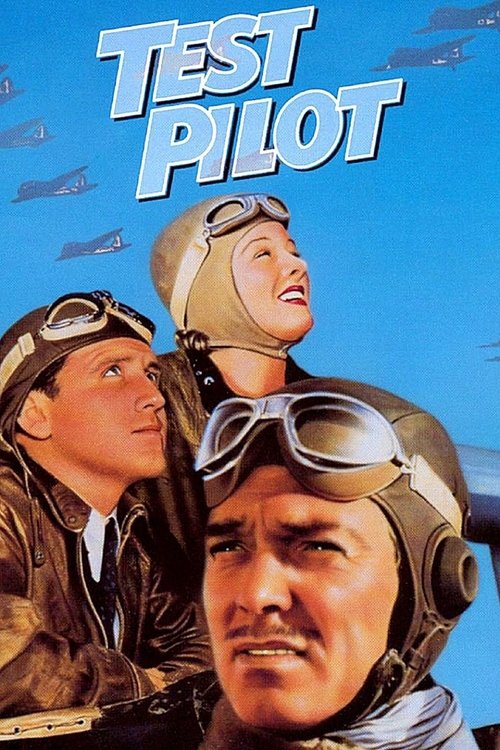
Test Pilot1938
Clark Gable as a man trying to prove himself through danger and achievement, with Spencer Tracy as his moral conscience. Pre-war Hollywood tackles the same question of whether courage can erase cowardice, and Gable is magnetic.
But It's 118 minutes of 1938 filmmaking—the pacing feels glacial now, and some plot points creak audibly.
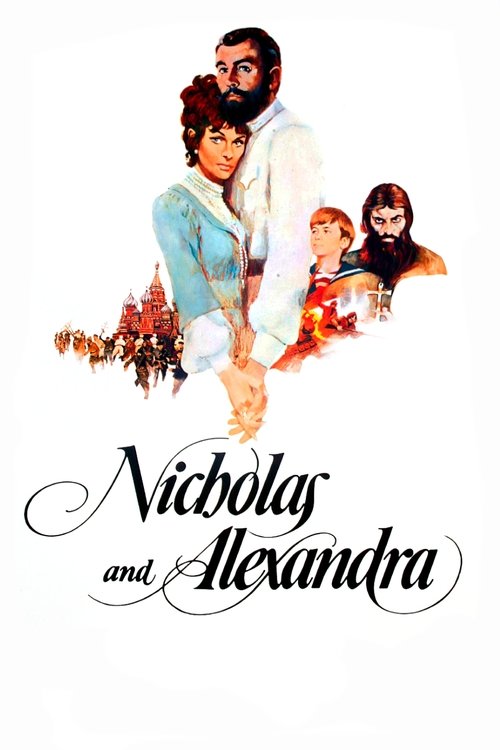
Nicholas and Alexandra1971
Another epic of the era with Michael Jayston as a man watching everything he's meant to be crumble around him. Sentimental but visually overpowering, it shares that sense of large men subject to larger forces beyond redemption.
But Three hours plus, and it's a historical downer with no catharsis. The Russian Revolution doesn't end well, and the film doesn't look away.
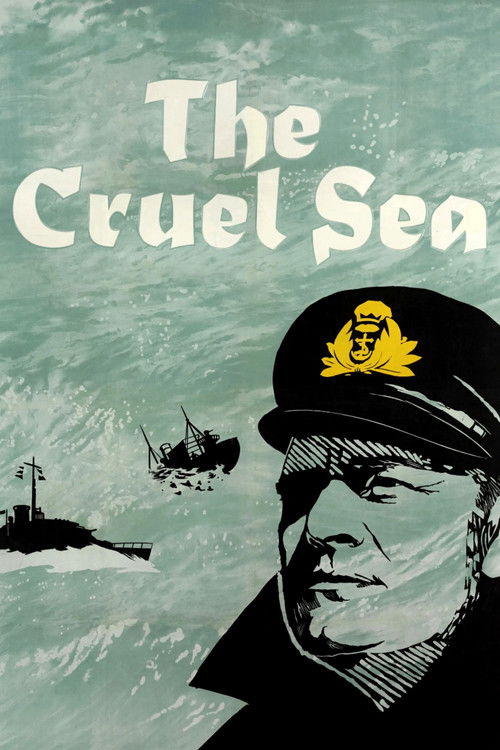
The Cruel Sea1953
Jack Hawkins—who plays Marlow in Lord Jim—carries this naval drama about men tested by war. Authentic, affecting, and built on the same steel-grey view of duty that suffuses Lean's work and O'Toole's performance.
But It's slower than you'd expect for a war film. Long stretches of quiet dread don't suit everyone's appetite for drama.
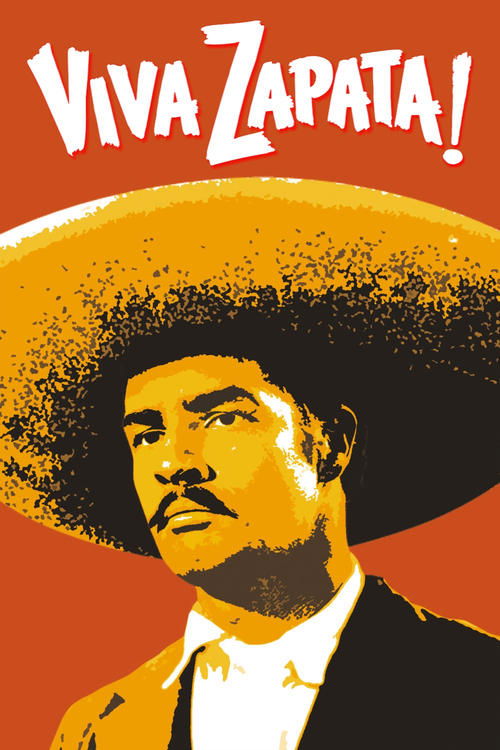
Viva Zapata!1952
Elia Kazan directing Marlon Brando as a man who starts pure and watches himself become corrupted by power and necessity. A meditation on whether any revolutionary can stay true to his principles—very much Jim's dilemma in colonial drag.
But The politics are sometimes heavy-handed, and Brando's method acting occasionally overwhelms the storytelling.
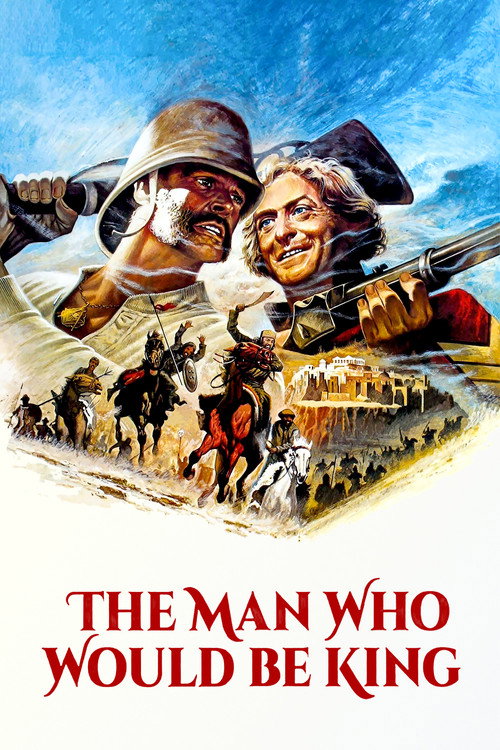
The Man Who Would Be King1975
Both films use the colonial setting as a stage for men to reinvent themselves and ask whether that reinvention is redemption or elaborate fraud. Huston makes it funny; Lean makes it tragic. Same engine, different fuel.
Huston's final masterpiece: Sean Connery and Michael Caine as adventurers in colonial India building themselves into false gods. It's Lord Jim's cousin—also about deception and whether identity is real or performed, but it's a romp, almost comic in its audacity.
But The tone shifts unpredictably between adventure and tragedy. If you want consistent emotional pitch, it'll feel uneven.
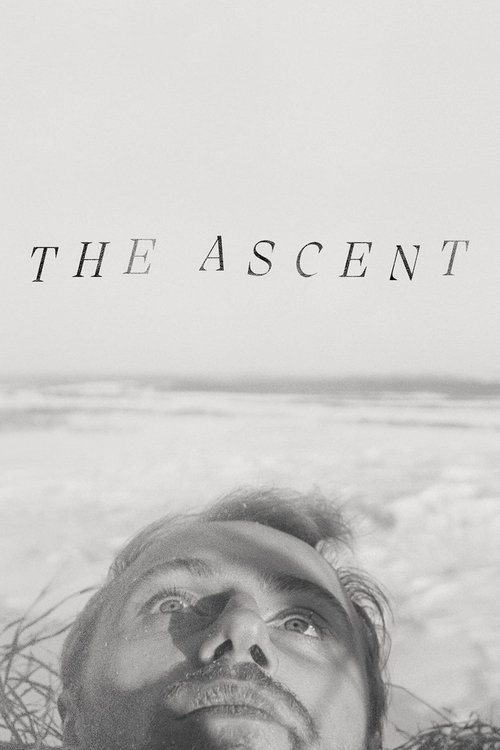
The Ascent1977
Where Lord Jim asks if a man can redeem himself through action, Ascent asks if redemption exists at all outside the witness of others. It's the darker answer to the same question, from a completely different cinema and era.
Larisa Shepitko's Soviet film about two partisans facing execution. Gorgeously composed and almost abstract in its spiritual intensity—a meditation on suffering, faith, and whether redemption matters if no one witnesses it. Utterly unlike anything else here.
But It's 111 minutes of mounting dread with no plot momentum. The black-and-white aesthetic and philosophical register demand real attention. Many will find it punishing rather than rewarding.
People
Cast
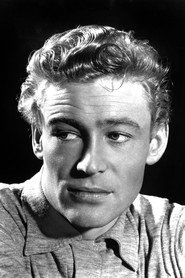 Peter O'TooleLord Jim
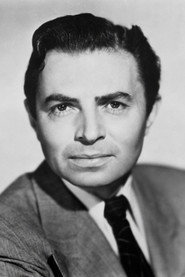 James MasonGentleman Brown
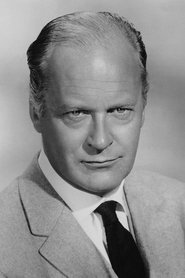 Curd JürgensCornelius
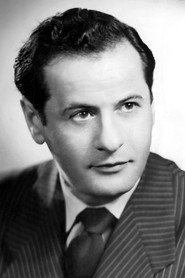 Eli WallachThe General
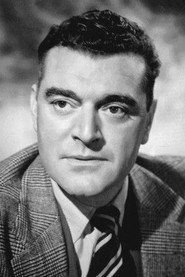 Jack HawkinsMarlow
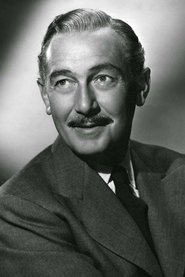 Paul LukasStein
 Daliah LaviThe Girl
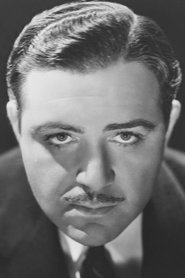 Akim TamiroffSchomberg
 Jūzō ItamiWaris
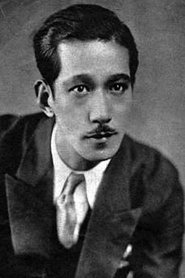 Tatsuo SaitōDu-Ramin
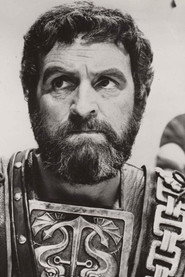 Andrew KeirBrierly
 Jack MacGowranRobinson
Directing
- Richard BrooksDirector
- Angela MartelliScript Supervisor
- Michael StevensonSecond Assistant Director
Writing
- Joseph ConradNovel
- Richard BrooksWriter
Production
- Jules BuckAssociate Producer
- Peter O'TooleAssociate Producer
- Richard BrooksProducer
Recommended by
King Solomon's Mines, The Naked Jungle, Son of Fury: The Story of Benjamin Blake, Outcast of the Islands