
Film
South
A 1919 documentary following Shackleton's 1914-1916 Antarctic expedition, filmed on location as it happened. Watching men endure impossible conditions with remarkable composure—their ship crushed by ice, their food rationed to nothing, their survival depending entirely on will. It's intimate, understated, and devastatingly real. For anyone who believes humans contain reserves of resilience we've mostly forgotten how to access.
Should you watch it?
Watch it if you love the quiet thrill of real expedition footage, where the drama comes from men working, waiting and enduring in front of an unblinking lens rather than from invented scenes.
Skip it if you need dialogue, a tight narrative arc or modern pacing; this silent record has long stretches of still images and title cards that can feel slow.
What it asks of you: Roughly eighty minutes of patience: the pace is unhurried and the rhythm is that of a long voyage, so you settle in rather than being pulled along.
Not sure? Find tonight's pick in a minute.
If you liked this
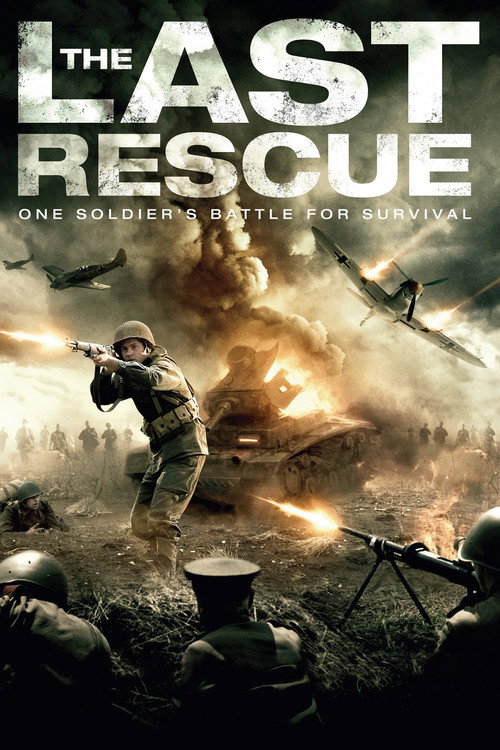
The Last Rescue2015
A dramatised account of the same Shackleton expedition, with the advantage of modern filmmaking craft and emotional directness. Gives you the narrative shape and human stakes that the documentary assumes you already know.
But Dramatisation softens the austere power of watching it actually happen. Also less philosophically searching—it settles for surviving rather than asking why survival matters.
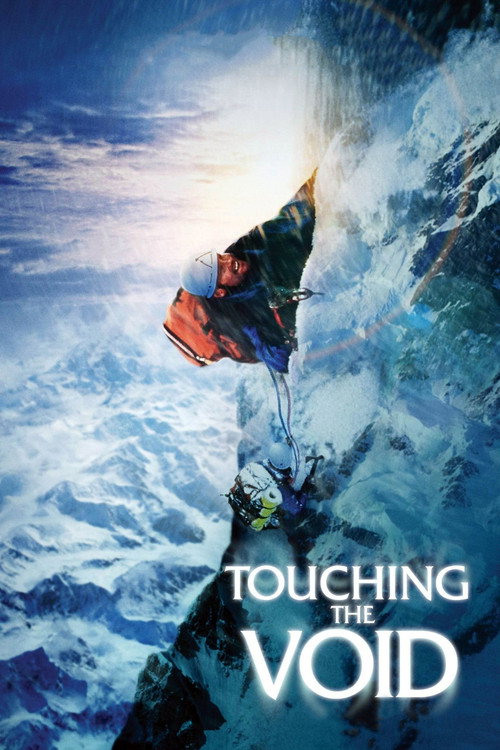
Touching the Void2003
A documentary about mountaineers Joe Simpson and Simon Yates in the Andes, where survival becomes a philosophical question about will, obligation, and what you owe another person. Similar register: men in impossible places, saying very little, enduring everything.
But A fall from a cliff, a broken leg, a man left for dead. If you need resolution to feel comfortable, this spends its middle section in genuine darkness.
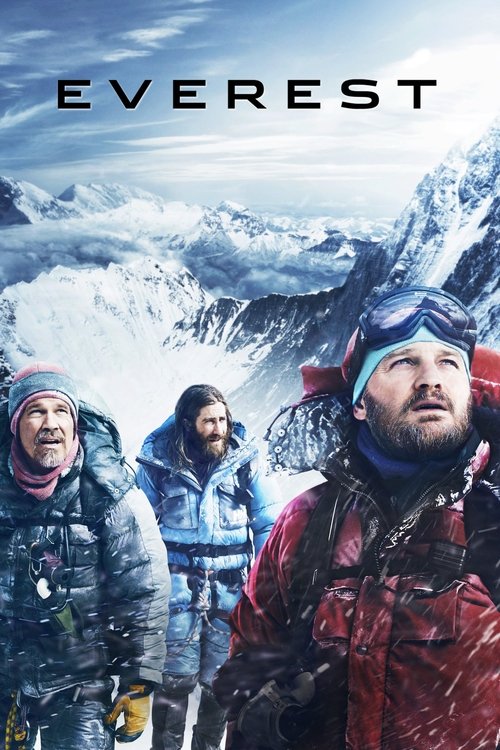
Everest2015
A mountain disaster film that respects its characters as thinking people in extreme circumstances rather than action figures. The ensemble cast and focus on leadership decisions under impossible stress mirror what makes Shackleton's story compelling.
But Broad Hollywood emotions. Some of the restraint and mystery that makes real-footage tragedy affecting gets smoothed away by dramatic music and close-ups.
Not sure tonight? Get a pick in a minute, starting from South
The wildcard
Something you would not have found on your own.
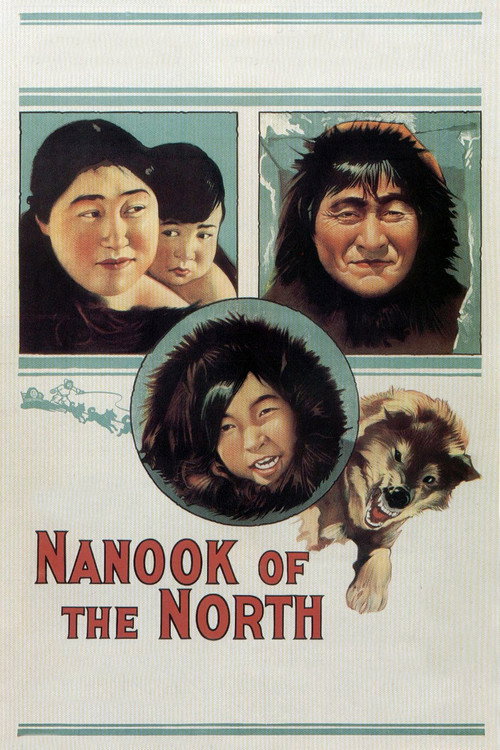
Nanook of the North1922
Both are documentary records of human endurance in polar extremes, made within a few years of each other by filmmakers asking the same question: can survival itself be beautiful?
A 1922 silent documentary of Inuit survival in the Canadian Arctic, made just years after *South*. Watching two radical survival films from the same era reveals how Shackleton's men were learning the same lessons from opposite poles. Utterly hypnotic; you're watching cinema invent itself.
But Shot in the silent era with long takes and no narration until later editions. Requires genuine patience and the willingness to read meaning from bodies and landscapes rather than explanation.
More like this (5)
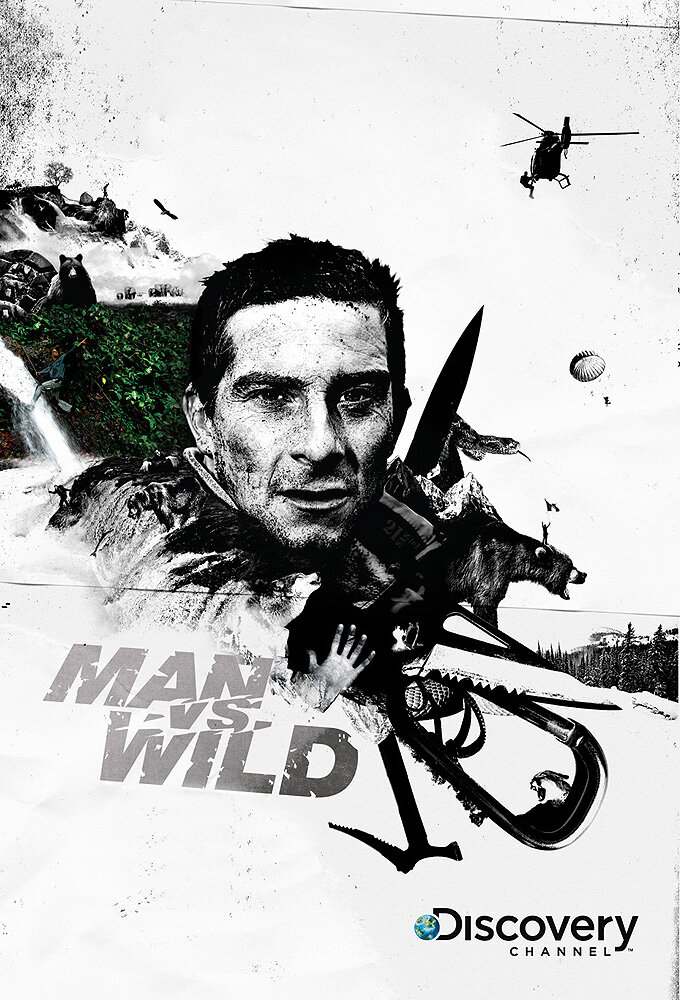
Man vs. Wild2006
Bear Grylls in survival situations that echo the practical ingenuity Shackleton's men had to deploy constantly. If you're attracted to *how* humans problem-solve under pressure, this is survival thinking in real time.
But Performed for camera. Lacks the documentary integrity of watching actual men in crisis—you're always aware you're being entertained rather than witnessing something true.
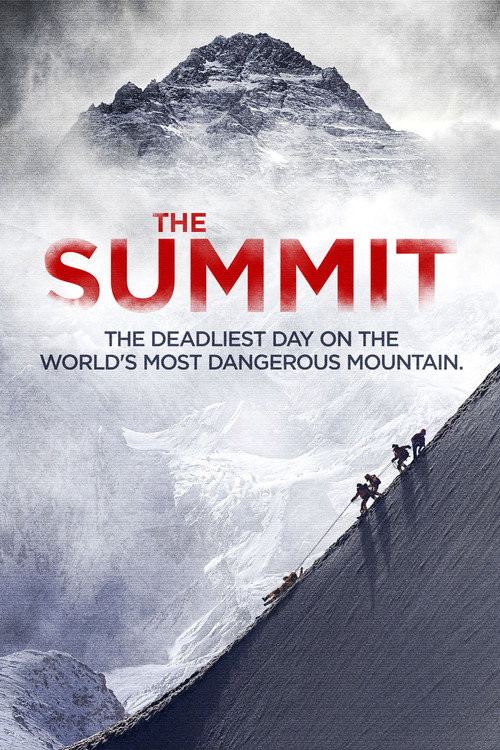
The Summit2013
A documentary about a 2008 K2 disaster where climbers make decisions that cost lives. Reconstructs the expedition from footage, interviews, and silence, asking hard questions about responsibility and ego in the pursuit of summits.
But Genuinely disturbing because the moral questions never resolve. Some viewers find that unsatisfying rather than clarifying.
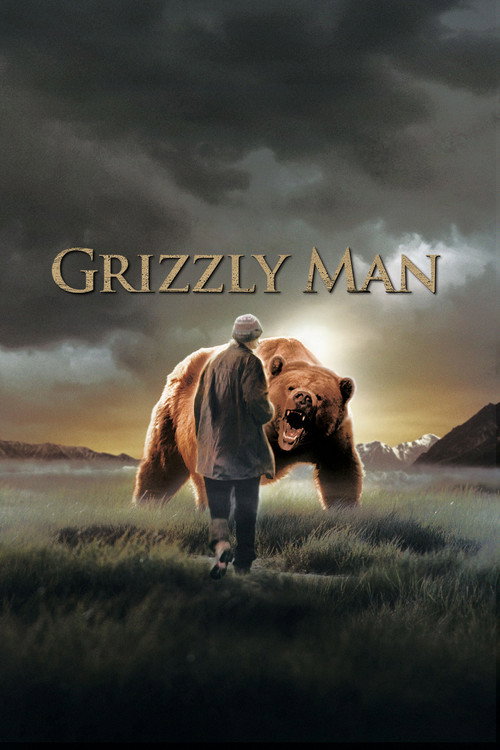
Grizzly Man2005
Werner Herzog's portrait of Timothy Treadwell, who lived among Alaskan bears until they killed him. Asks what it means when someone pursues closeness with nature more intensely than survival, and what we owe the people who choose that risk.
But Meditative and strange, with a philosophical distance that can read as cold. You won't find the emotional catharsis many seek in disaster narratives.
The Ascent1977
Both use survival as a vehicle for examining human meaning and dignity when everything external suggests meaninglessness. Both trust the audience to understand silence.
A Soviet film about two Soviet partisans escaping Nazi-occupied Poland. An allegory of willpower meeting history's indifference, shot in stark black-and-white with almost no dialogue. The spiritual and philosophical intensity of men enduring impossible circumstances without sentimentality—Shackleton's expedition as existential drama.
But Symbolic, not narrative. Requires you to sit with despair and the possibility that survival isn't triumph. Some find it punishing rather than enlightening.

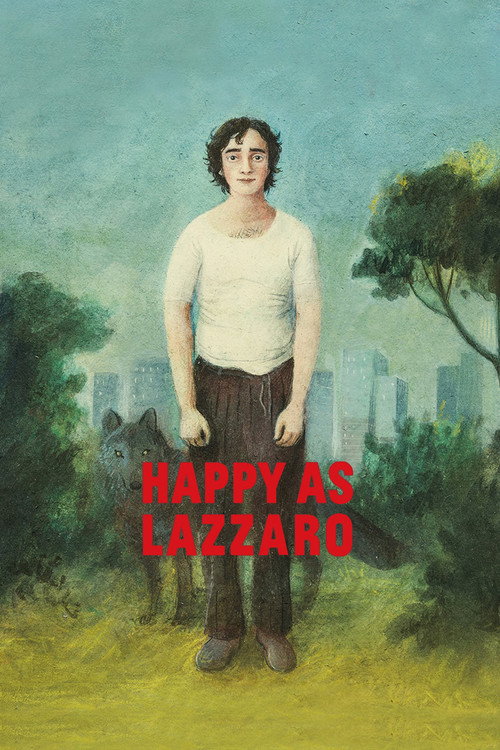
Happy as Lazzaro2018
Both are about resilience in the face of a world that seems actively indifferent to your survival. Both suggest that kindness, not stoicism, is the true measure of endurance.
An Italian film where a man experiences injustice, exile, and wandering in a way that echoes the Shackleton expedition—not as adventure but as estrangement. The surprise is that it's shot in colour, set in contemporary Italy, and is often funny. It asks: what do we do when kindness isn't enough? That's what *South* is really asking too.
But Shifts between rural landscape, magical realism, and social critique in ways that can feel unmotivated. Requires trust that the film knows what it's doing.
People
Cast
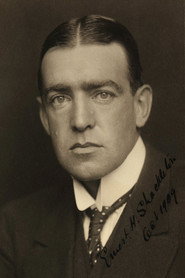 Ernest ShackletonLeader of the Expedition (as Sir Ernest Shackleton)
- Frank WorsleyCaptain of the Endurance (as Captain F. Worsley)
- J. StenhouseCaptain of the Aurora (as Lieut. J. Stenhouse)
- Captain L. HusseyMeteorologist
- Dr. McIlroyHead of Scientific Staff
- Mr. WordieHead of Scientific Staff (as Wordie)
- Dr. MacklinDoctor
- Frank WildSecond in Command of the Endurance
- Tom CreanCrewman
- Mr. JamesCrewman (as James)
- Mr. ClarkCrewman (as Clark)
- Mr. GreenstreetCrewman (as Greenstreet)
Directing
- Frank HurleyDirector