
Television series
Man vs. Wild
- Survival adventure
- Dip in and out
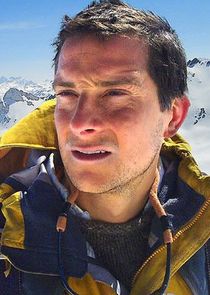
Bear Grylls drops into the world's most inhospitable places—deserts, jungles, mountains—and improvises his way back to civilization. It's part survival manual, part adrenaline rush: watches like someone figured out how to make a how-to video genuinely thrilling. For anyone who's ever wondered if they could actually make it in the wilderness, or who just loves watching someone eat a scorpion.
Should you watch it?
Watch it if you like watching a single person improvise under pressure in hostile terrain, with the practical how-to of each choice laid out as they go.
Skip it if you want real jeopardy rather than a host who is clearly in control, since the stakes often feel staged and the survival tips can slow the momentum.
What it asks of you: Each hour-long episode runs at a brisk, talky clip with frequent cuts between locations, asking little beyond steady attention and tolerance for a relentlessly upbeat narrator.
Not sure? Find tonight's pick in a minute.
If you liked this
Survivorman2005
Les Stroud goes truly alone into extreme environments with minimal gear and no crew following—raw, meditative survival stripped of performance. Where Bear's theatrical, this is the quiet counterpoint: just you, the wild, and genuine problem-solving.
But Slower pacing and less immediate danger means it can feel contemplative rather than edge-of-your-seat. Less about the spectacle of survival, more about the grind.
Mythbusters2003
Same DNA of 'let's test if this actually works' but applied to pop-culture myths and physics. Adam and Jamie bring the same hands-on experimentation and practical ingenuity, just in a workshop instead of a canyon.
But Not survival-focused and deliberately goofy in tone. If you want wilderness tension rather than workshop explosions, this pivots away from what drew you in.

Alone2015
Contestants genuinely survive solo in remote locations for months with minimal supplies, no crew, no editing for drama—just long stretches of real problem-solving, animal encounters, and the grinding psychology of isolation.
But The pacing is deliberately slow and unglamorous. There's less of the 'aha!' teaching moment and more of the quiet monotony survival actually involves.
Not sure tonight? Get a pick in a minute, starting from Man vs. Wild
The wildcard
Something you would not have found on your own.
Life Below Zero°2013
Both teach survival through action rather than lecture, but Life Below Zero shows the cost of making it a way of life rather than an episode.
Genuine Alaskans—not adventurers, but hunters, trappers, and subsistence living specialists—face survival as their daily reality across brutal seasons. Raw, unfiltered documentation of expertise you can't fake. Connection: Both teach survival through action rather than lecture, but Life Below Zero shows the cost of making it a way of life rather than an episode.
But Repetitive across seasons and deliberately slow. The stakes feel diffuse rather than acute—less 'will he make it out' and more 'how will this person get through winter again.'
More like this (7)
Planet Earth II2016
David Attenborough narrates jaw-dropping footage of animals surviving in the harshest places on Earth. Not instruction but pure immersion: you see how creatures actually live in these ecosystems Bear parachutes into.
But It's observation, not education or practical survival tips. If you watch for the 'how to do it' element, this is the opposite—it's about experiencing, not learning technique.

Into the Wild2007
True story of Chris McCandless attempting radical self-reliance in the Alaskan wilderness. Sean Penn crafts something meditative and haunting—less about 'can you survive' and more about what survival actually costs.
But It's a tragedy. If you're watching survival shows for the triumphant escape and heroic problem-solving, this goes to a darker place entirely.
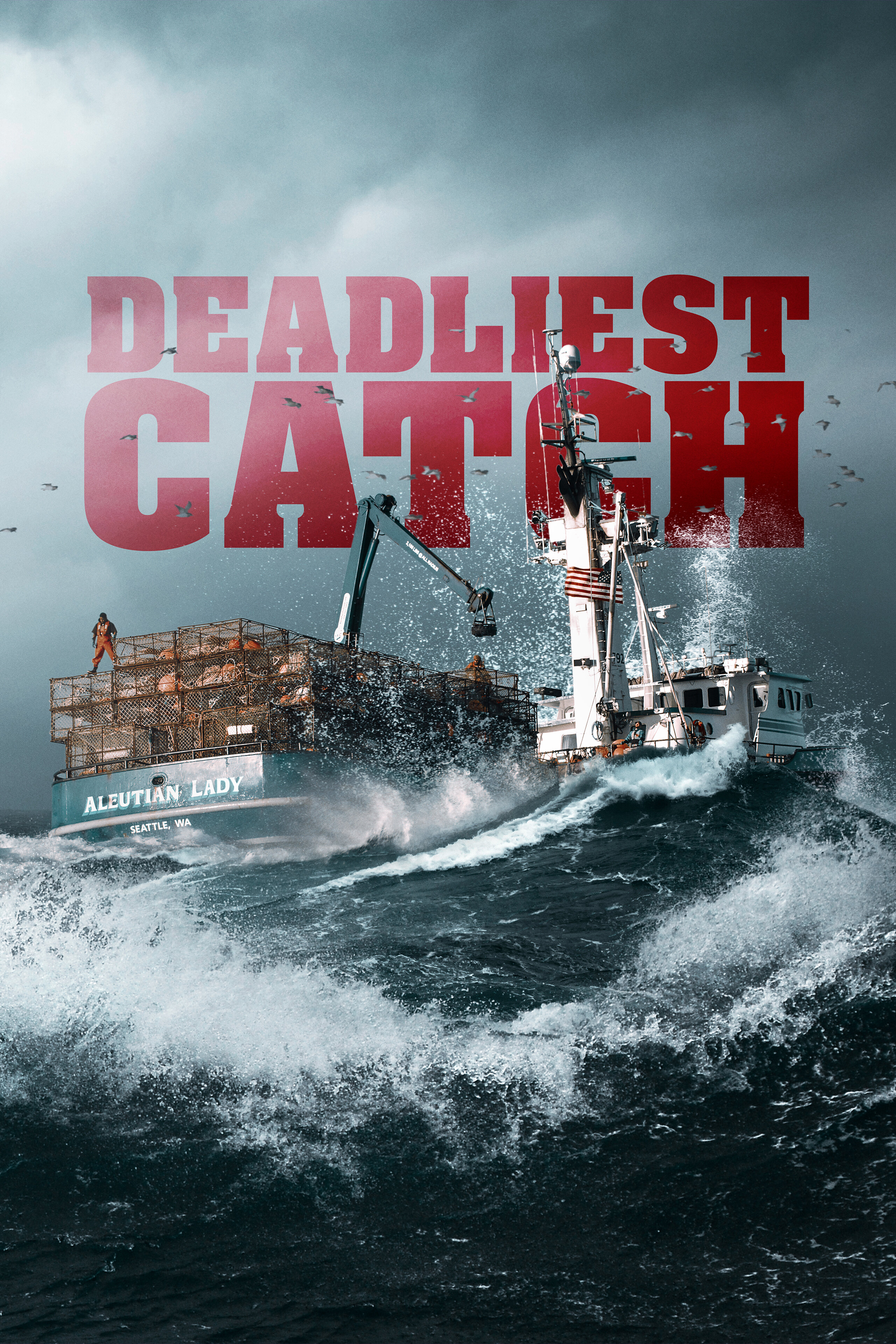
Deadliest Catch2005
Fishing crews in the Bering Sea face survival-level stakes every single episode—not by choice but for a living. Real danger, real expertise, real consequences without any of the manufactured drama.
But Grim, repetitive, and the 'survival' is grinding and commercial rather than transcendent. Long stretches of waiting and work between moments of genuine peril.
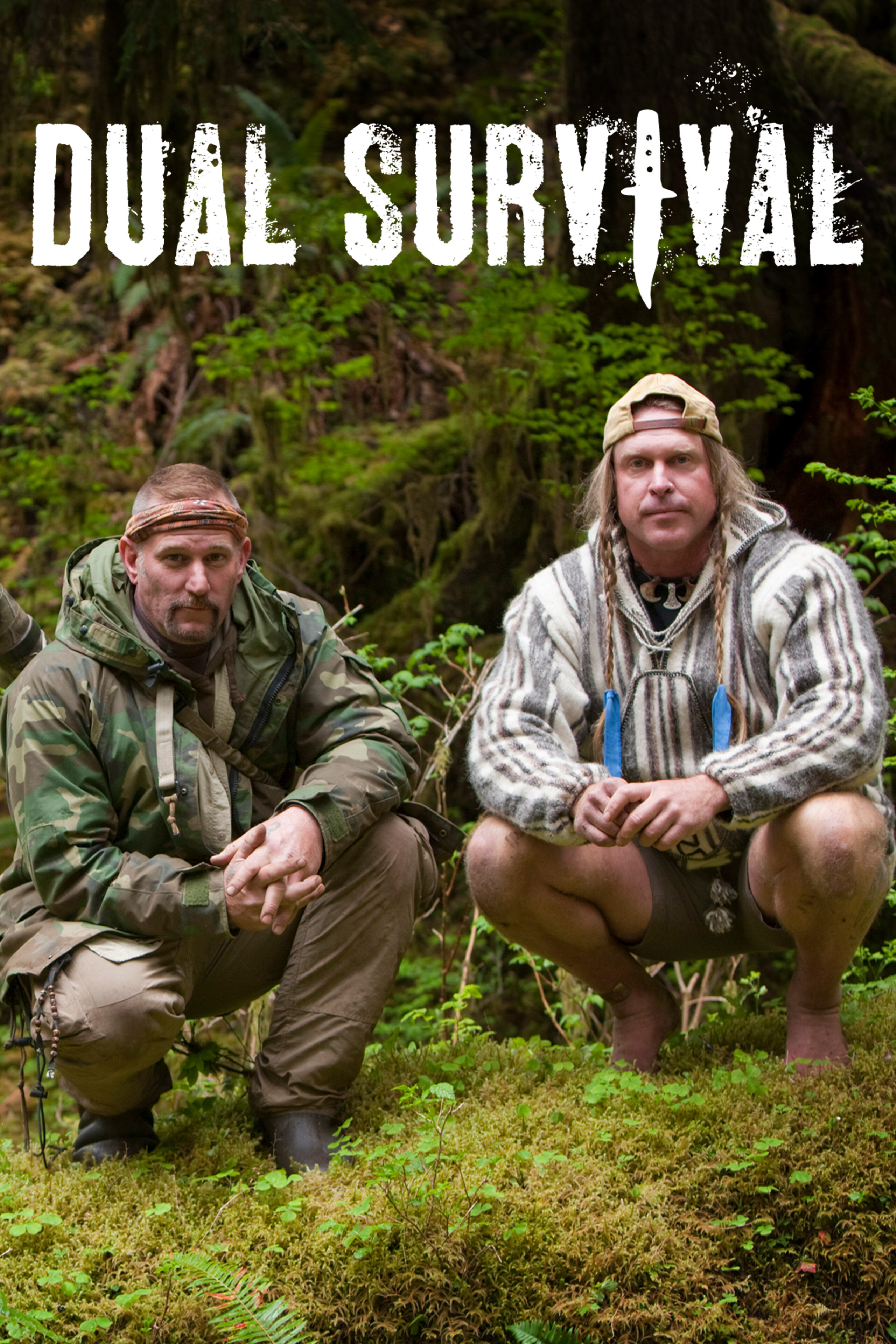
Dual Survival2010
Two survival experts with opposite philosophies—primitive techniques versus modern gear—tackle the same environment. Watching them argue and problem-solve together adds friction and real disagreement to the survival formula.
But The interpersonal dynamic can overshadow the actual survival challenge. Sometimes the bickering feels forced or like the point, rather than a natural consequence of real work.
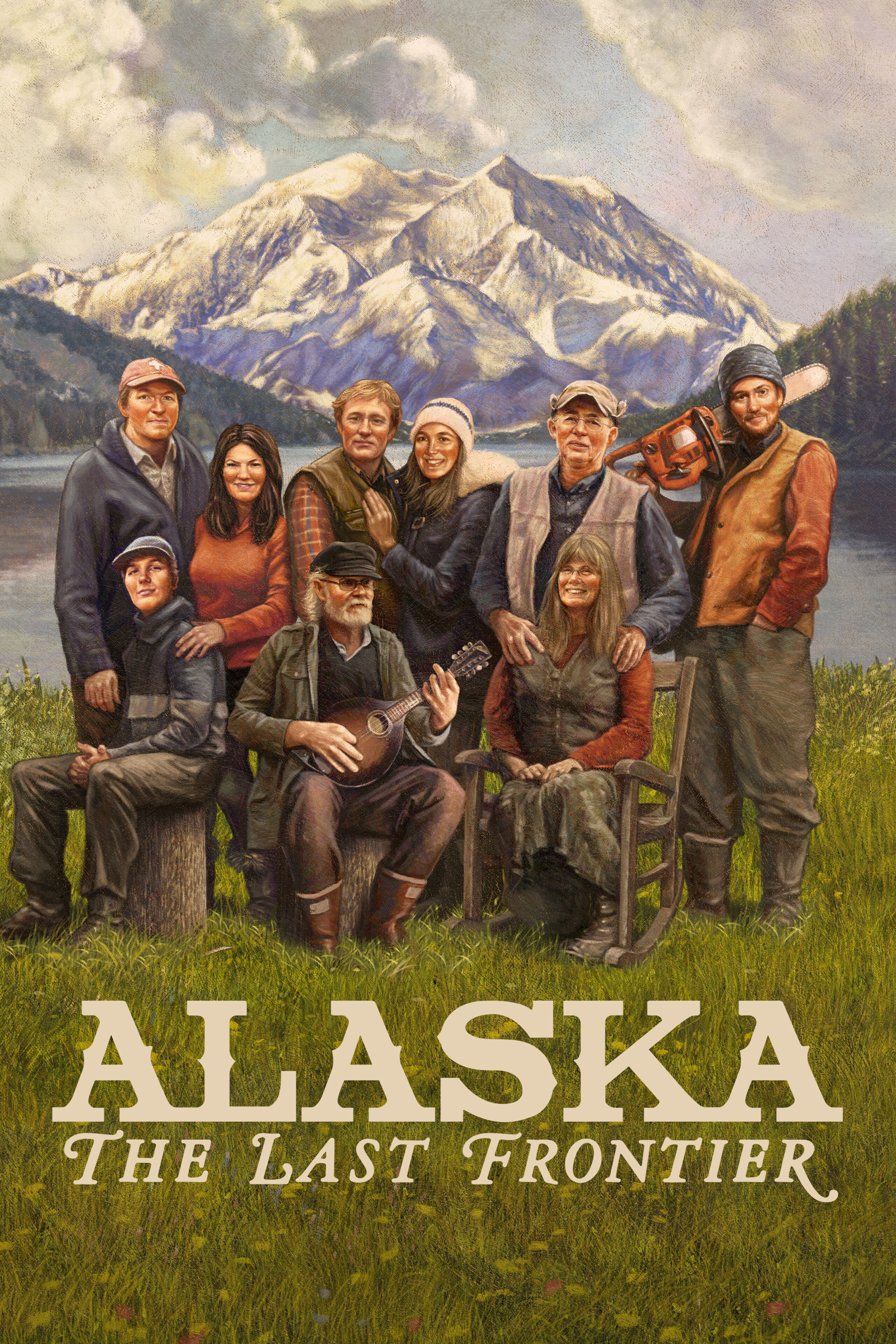
Alaska: The Last Frontier2011
A family actually living off-grid in remote Alaska, not as a stunt but as their life. No narration, no rescue, no time limit—just the unglamorous, year-round reality of what self-sufficiency demands.
But Deliberately slow and focused on maintenance and routine rather than crisis. If you're seeking adrenaline and narrow escapes, this is the opposite rhythm entirely.
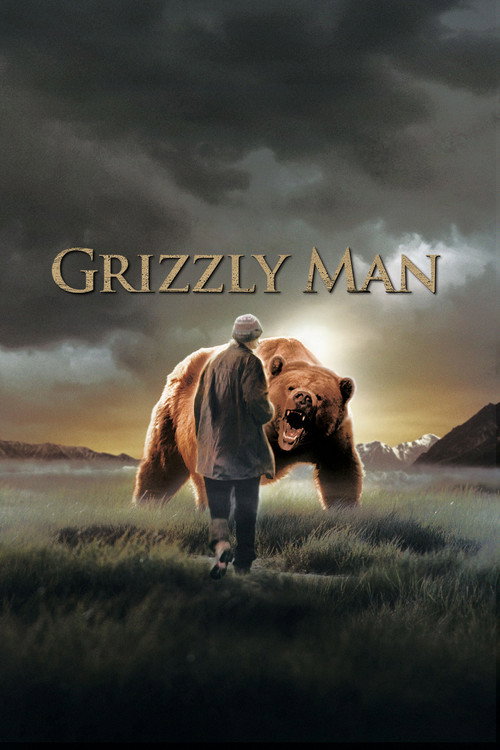
Grizzly Man2005
Both are fascinated by what drives people into dangerous wild places, but Herzog examines the psychology of that impulse rather than celebrating the technical triumph of it.
Werner Herzog's documentary about Timothy Treadwell, who lived among grizzly bears for thirteen summers—a meditation on obsession, wilderness mythology, and the space between survival and delusion. Haunting and philosophically serious.
But It ends in tragedy. Herzog is interested in the ideology of wilderness fantasy, not the how-to of survival—uncomfortable questions rather than useful answers.
The Ascent1977
Both strip humans down to fundamental elements—but where Bear shows you bounce back triumphant, Sokurov asks what surviving actually costs your soul.
A Soviet allegory of two men climbing a mountain in occupied territory, survival becomes spiritual and moral testing rather than physical problem-solving. Gorgeously shot and genuinely mysterious—survival as existential drama.
But Slow, symbolic, and in Russian; if you're looking for practical tips or adrenaline, you won't find them. The 'survival' is inward and abstract.

People
Cast
Recommended by
Running Wild with Bear Grylls, Celebrity Bear Hunt, Alone, Naked and Afraid, Survivorman, Dual Survival, Expedition Impossible, South, Naked and Afraid XL, Ultimate Survival Alaska, Nitro Circus