
Film
Tales from the Organ Trade
- Crime
- Very dark
A documentary investigation into the criminal networks that buy and sell human organs, from desperate donors to wealthy patients. Unflinching and methodical, it follows the money and the desperation across continents. For anyone willing to sit with an uncomfortable truth about medicine, poverty, and what we're willing to do when we're dying.
Should you watch it?
Watch it if you want a clear-eyed, reported documentary that treats a grim trade as a systemic problem, and you are happy to hear it through a calm, deliberate narrator.
Skip it if you need dramatic invention or a strong sense of cinematic style, since this is a plain investigative account that relies on its subject to hold you.
What it asks of you: At 82 minutes it stays level and unhurried, so it asks you to sit with grim facts for long stretches without much relief between them.
Not sure? Find tonight's pick in a minute.
If you liked this
The Act of Killing2012
Director Joshua Oppenheimer confronts perpetrators of mass atrocity and lets them explain themselves. Like Tales, it's a morally complex investigation that refuses easy villains or simple answers.
But It's three hours of watching unrepentant killers, and the moral ambiguity might feel obscene to some. Very demanding cinema.

City of God2002
Captures how poverty systematically produces crime and violence through elegant, propulsive storytelling. It shows how circumstance makes criminals, which is the same engine running Tales.
But It's stylish and kinetic in a way that might feel designed to entertain. Some viewers resist the artistry applied to brutal subjects.
Killing Ground2017
An Australian true-crime investigation into a double murder with roots in organ harvesting. Connects to Tales' specific subject while maintaining documentary rigor and genuine suspense.
But Brutal violence and very dark. Some scenes linger too long. Not a comfortable film even when you want to learn.
Not sure tonight? Get a pick in a minute, starting from Tales from the Organ Trade
The wildcard
Something you would not have found on your own.
Requiem for a Dream2000
Both examine how desperation and systems of commerce transform human bodies into objects. Both are about what we're willing to sacrifice and what gets sacrificed from us.
Darren Aronofsky's portrait of four people destroyed by the systems meant to help them. Addiction, medicine, bodies as commodities—it's Tales' moral territory but told through fiction and fever-dream form.
But Deliberately punishing to watch. The style is intrusive and the ending leaves no hope. It's an endurance test by design.

More like this (8)
Senna2010
A documentary that reconstructs a life entirely from archival footage and audio. Like Tales, it uses found material to build a portrait of systems and ambition and what gets sacrificed.
But If you don't care about Formula One, the racing itself might bore you. The fascination is in the personality, not the sport.

Blackfish2013
Investigative documentary about SeaWorld's treatment of orcas. Shares Tales' willingness to follow money and power into dark corners, with human complicity front and centre.
But It has a clear villain in SeaWorld, which makes it less morally complex than Tales. Some find it more activist than journalism.
The Summit2013
Documents what happens on Everest when ambition and money collide with human limitation. Another look at how commerce can corrupt systems and cost lives.
But Mountain climbing footage can feel repetitive. The moral questions sometimes feel secondary to the spectacle of the climb.
Tickled2016
A documentary that starts innocent and descends into an underground criminal network. The tonal shift mirrors Tales' journey from curiosity into darkness and genuine danger.
But The subject matter—competitive tickling—can make it seem gimmicky, even as it becomes genuinely disturbing. Tone whiplash isn't for everyone.

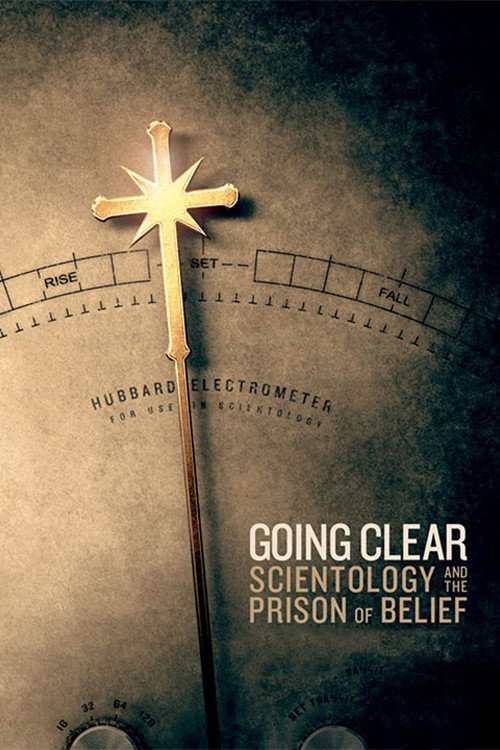
Going Clear: Scientology and the Prison of Belief2015
Alex Gibney's investigation into Scientology's inner workings. Like Tales, it follows institutional power, money, and the mechanisms by which people get trapped and exploited.
But It's focused on a single organization, so it lacks Tales' global scope. Some feel it relies too heavily on testimony from defectors.
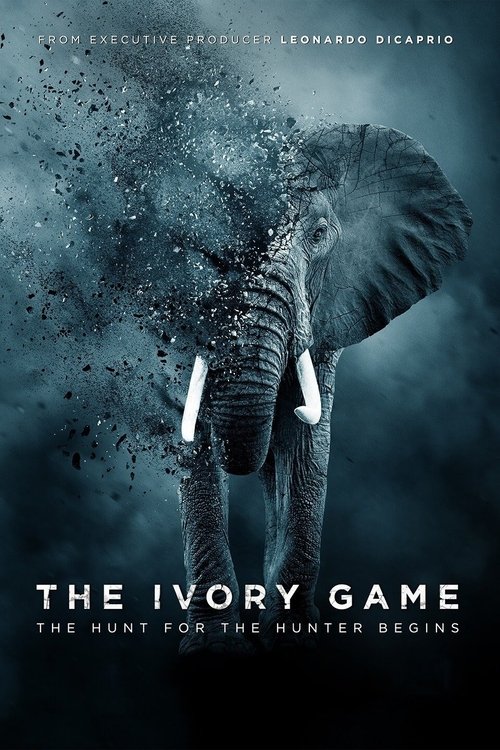
The Ivory Game2016
Documents efforts to stop elephant poaching by following the networks. Shares Tales' structure of tracing a commodity through desperate sellers and willing buyers.
But Less rigorous than some investigative documentaries. The heroes and villains can feel somewhat constructed for narrative.
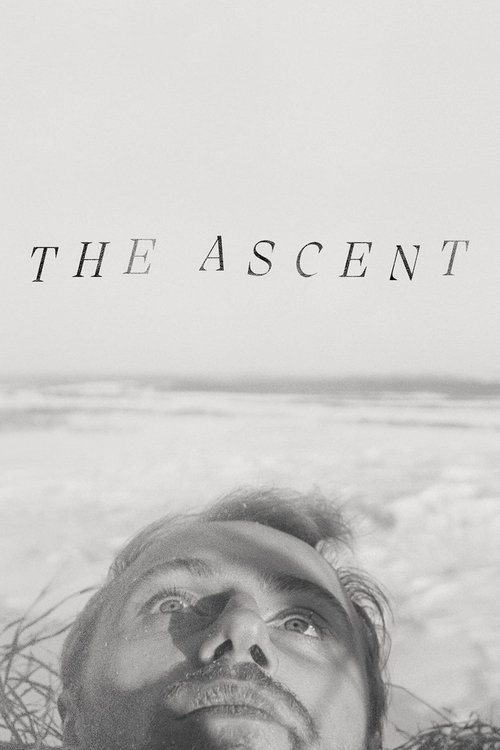
The Ascent1977
Like Tales, it's a ruthless examination of what the desperate will do, what the powerful will take, and the moral economy of survival. Both treat the subject without judgment or sentiment.
Andrei Konchalovsky's Soviet film about two monks during the Inquisition, forced to choose between their faith and their survival. It's about the extremes humans reach when everything is stripped away.
But It's a 1977 Soviet film in black and white. No plot momentum, almost no dialogue. Demands a very particular patience and mood.
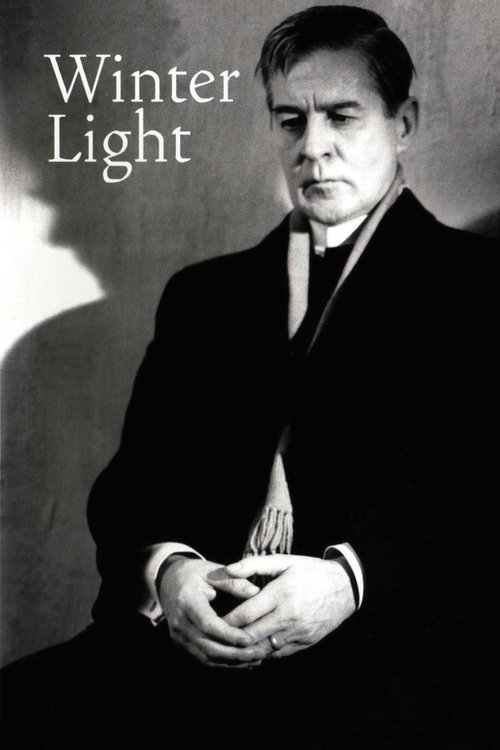
Winter Light1963
Both are inquiries into institutional failure and complicity. Both ask: when systems designed to save people break down, who suffers and who profits? Both refuse to let the audience off easy.
Bergman's film about a pastor losing faith as he encounters human suffering he cannot fix. It's a meditation on how systems—religious or medical—promise redemption but often just witness pain.
But Deliberately austere. Almost nothing happens. If you need narrative momentum or emotional catharsis, this will feel like penance.
People
Cast
 David CronenbergNarrator
Directing
- Ric Esther BienstockDirector