
Film
The Lost Battalion
- War action
- Very dark
A tense, unglamorous account of the American 77th Division's harrowing days trapped behind German lines in 1918's Argonne Forest. Focused on survival and command under impossible conditions rather than heroics, it's a procedural war story that earns its desperation. For anyone who wants WWI's chaos and claustrophobia without the sentimentality.
If you liked this
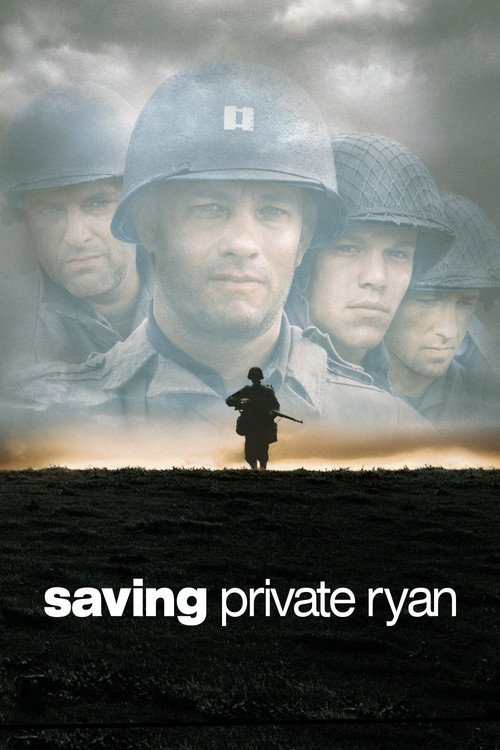
Saving Private Ryan1998
Sets the modern standard for visceral, ground-level combat realism. The D-Day sequence is justly famous, but the quieter scenes of soldiers processing trauma are what linger and parallel Lost Battalion's psychological pressure.
But At 170 minutes it demands real commitment, and the opening thirty minutes are deliberately punishing in ways some find exploitative rather than illuminating.
Come and See1985
A Soviet masterpiece about a young boy swept into WWII combat. Like Lost Battalion, it refuses to make war comprehensible or bearable, focusing instead on what it does to the mind. Utterly unrelenting.
But It's in Russian, black-and-white, and genuinely one of the most harrowing films ever made. Not a comfort watch. Ever.

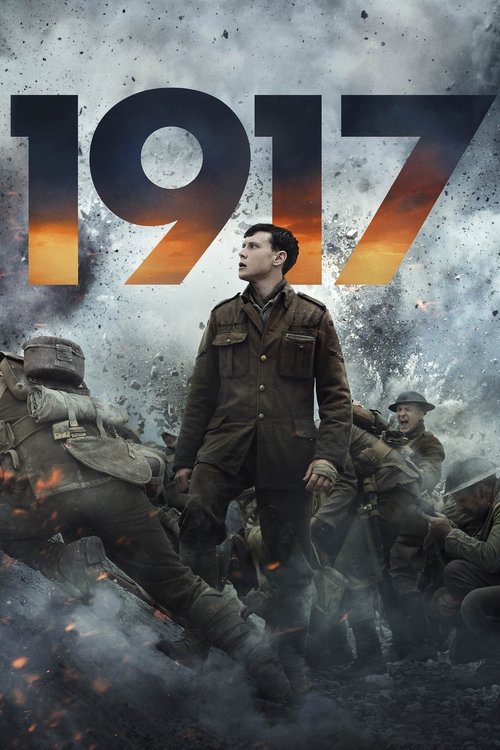
19172019
A single-take-styled WWI film that captures the same claustrophobic desperation and mud-soaked helplessness. The camera never leaves the soldiers, making you share their exhaustion and dread moment by moment.
But The gimmick of continuous shooting can feel cold and distancing rather than intimate, and the story is slighter than Lost Battalion's.
Not sure tonight? Get a pick in a minute, starting from The Lost Battalion
The wildcard
Something you would not have found on your own.
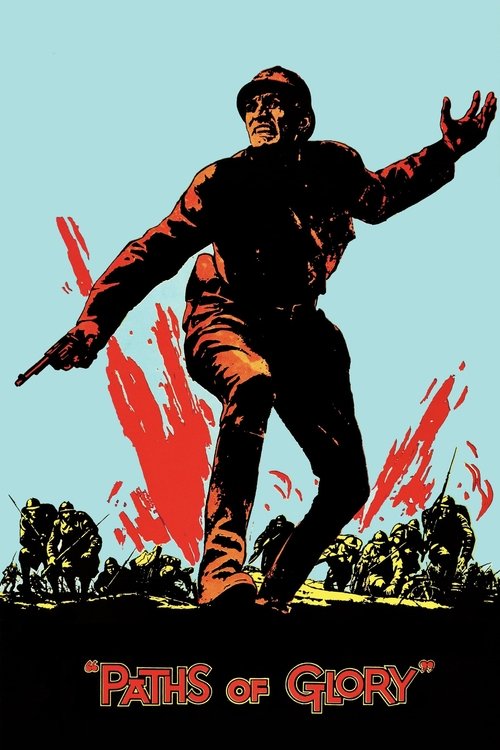
Paths of Glory1957
Both center on the impossible orders issued to men in WWI, and the moral weight of command decisions that treat soldiers as expendable. Where Lost Battalion shows the ordeal, Paths of Glory shows the reckoning.
Kubrick's devastating WWI courtroom drama about soldiers court-martialed for failing an impossible order. It's the spiritual reverse of Lost Battalion—asking what happens when trapped men face judgment rather than just survival. Both examine the machinery that grinds soldiers down.
But It's a trial film, not an action film, and the ending is so bleak it actively damages your mood. Not cathartic in any way.
More like this (8)
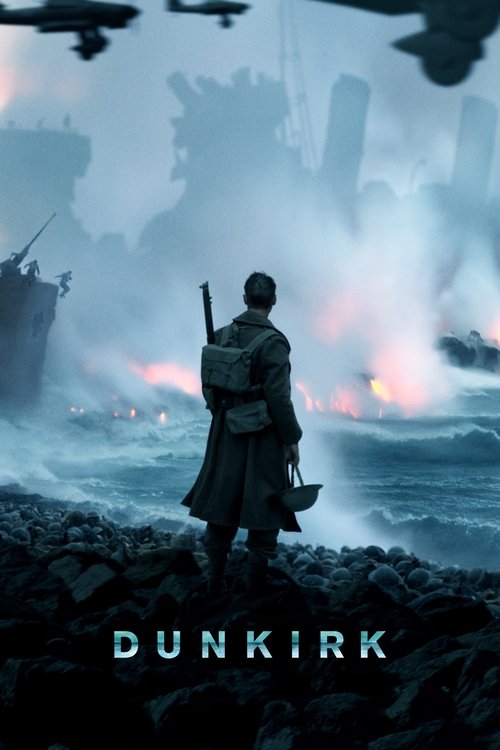
Dunkirk2017
Nolan's account of soldiers trapped with limited escape options, time collapsing under pressure. It's about organization breaking down and men finding reserves they didn't know they had—exactly Lost Battalion's territory.
But Jumps between timelines in ways some find more confusing than engaging, and prioritizes spectacle over character depth.
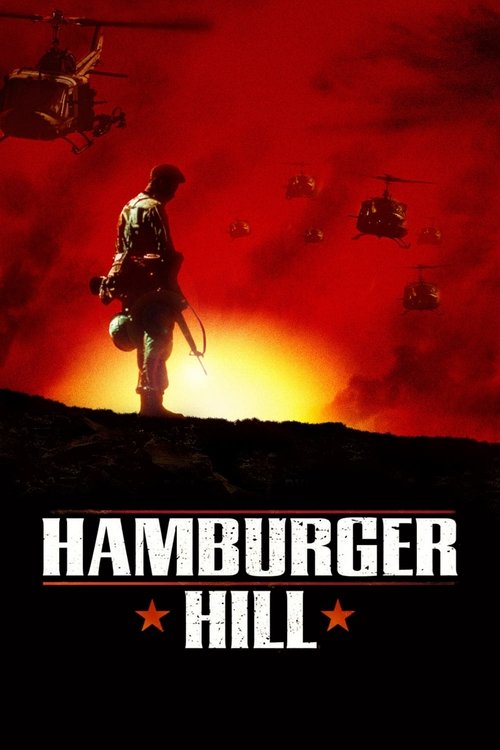
Hamburger Hill1987
A Vietnam War ensemble drama with the same unglamorous focus on a unit under siege, where command decisions ripple through survival odds. Concentrates on the grinding attrition of holding ground rather than glory.
But Made-for-cable production values show their age, and the political context of Vietnam divides audiences in ways Lost Battalion's historical distance avoids.
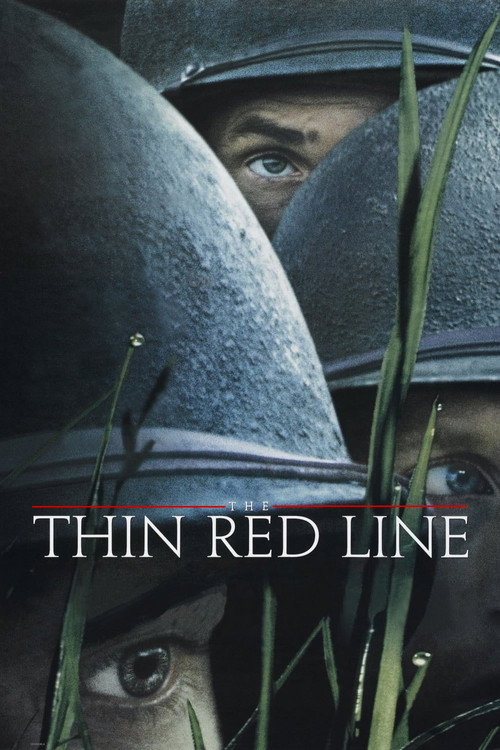
The Thin Red Line1998
Terrence Malick's Pacific War film about a single battle where individual lives dissolve into something larger and more philosophical. Elevated and strange, but shares Lost Battalion's focus on soldiers as chess pieces beyond their control.
But Malick's elliptical, poetic style is the opposite of Lost Battalion's clarity. If you want narrative propulsion, this deflates it constantly.
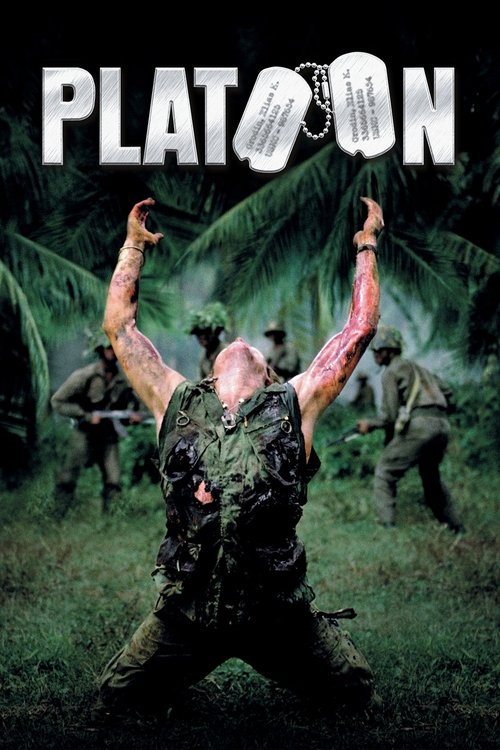
Platoon1986
Oliver Stone's Vietnam autopsy, built on his own service. Raw, character-driven, and unsparing about the way command failure cascades. The moral ambiguity mirrors what trapped soldiers actually face.
But The 1980s filter dates it visually, and the anti-war message can feel heavy-handed to modern viewers expecting subtlety.
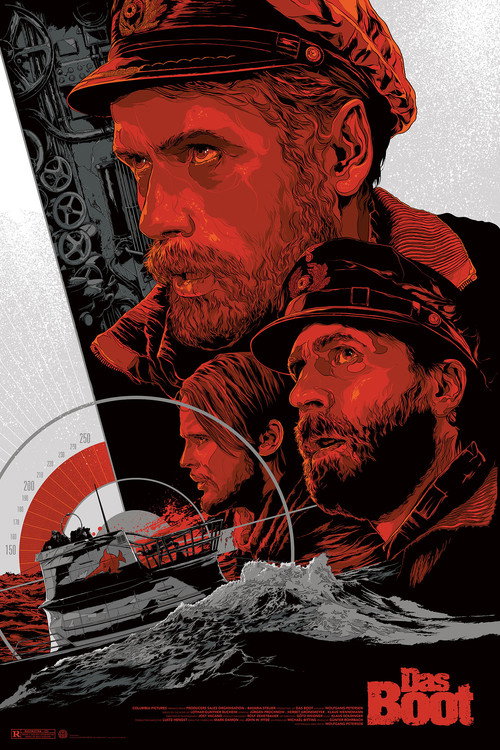
Das Boot1981
A claustrophobic WWII submarine thriller where men are trapped in a metal tube waiting for death. The suffocation, the impossible orders, the slow erosion of hope—it's Lost Battalion translated to a different kind of cage.
But At nearly four hours (the original cut), it demands patience, and submarine mechanics might bore anyone wanting pure character drama.
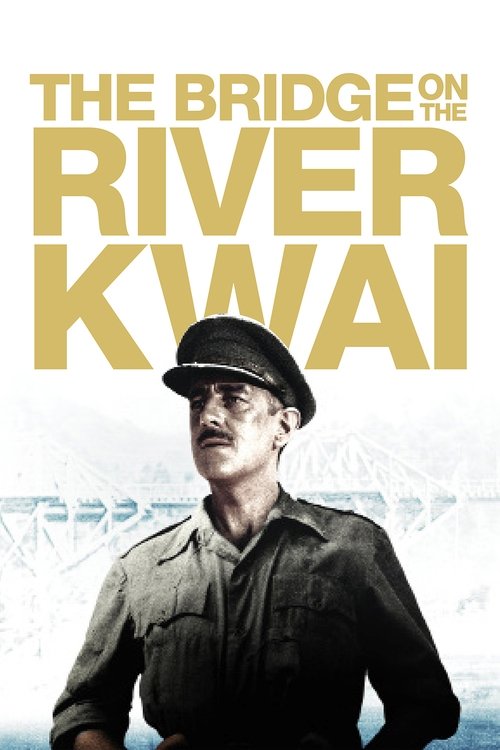
The Bridge on the River Kwai1957
A WWII ensemble where command judgment becomes its own kind of battlefield, and pride blinds leaders to human cost. Older and more restrained than Lost Battalion, but asking the same hard questions about duty.
But The pacing is glacial by modern standards, and Alec Guinness's performance can feel stage-bound to viewers raised on naturalistic acting.
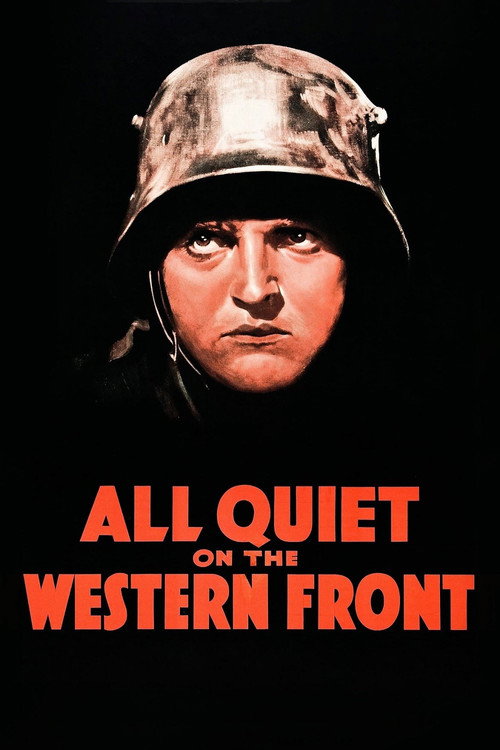
All Quiet on the Western Front1930
Both films are set in the final weeks of WWI and refuse to distinguish between American and German casualties—suffering is the great equalizer. The Lost Battalion could be the answer to this film's question from the other side.
Lewis Milestone's silent-to-sound masterpiece follows German soldiers through the same 1918 endgame that traps the Lost Battalion. From the opposite trench, it asks identical questions: how do you survive when the war is already lost? Extraordinary humanity across enemy lines.
But Early sound film means patchy audio and acting styles that feel theatrical. At 140 minutes, it requires surrender to its pace.
The Ascent1977
Both trap men in a killing environment and make survival itself the narrative. Where Lost Battalion is tactical, The Ascent is metaphysical—but both ask: what are you made of when everything is taken?
Andrei Konchalovsky's Soviet film about two partisan soldiers trekking through winter snow, tested by hunger, cold, and ideological pressure. It's Lost Battalion stripped of combat—survival reduced to walking, thinking, and the slow erosion of will. Existential and grave.
But Shot in bleak black-and-white, dialogue-sparse, openly religious in ways that challenge ideology. Patient, allegorical, and utterly punishing.

People
Cast
 Ricky SchroderMaj. Charles W. Whittlesey
 Phil McKeeCapt. George McMurtry
 Jamie HarrisSgt. Gaedeke
 Jay RodanLt. Leak
 Adam JamesCapt. Nelson Holderman
 Daniel CaltagironePvt. Phillip Cepeglia
 Michael GoldstromPvt. Jacob Rosen
 André VippolisPvt. Frank Lipasti
- Rhys Miles ThomasPvt. Robert Yoder
- Arthur KremerPvt. Abraham Krotoshinsky
 Finbar LynchFerguson
- Derek KueterMajor Wanvig
Directing
- Russell MulcahyDirector
Writing
- James CarabatsosWriter
Production
- Avi LevyProducer
- David CraigProducer
- David GerberProducer
- Michael WeisbarthProducer
- Romain SchroederProducer
- Tom ReeveProducer