
Film
Diamonds of the Night
- War drama
- Very dark
Jan Němec's 1964 debut follows two Jewish boys fleeing a Nazi transport train through forests and villages. Shot in stark black-and-white, it's a film of long silences, physical endurance, and the fracturing of hope. Dreamlike and formally experimental, it demands patience but offers an unforgettable meditation on survival stripped of sentiment.
Should you watch it?
Watch it if you are drawn to austere, dreamlike films where silence and faces carry more than dialogue, and you can sit with a hard subject without being told how to feel.
Skip it if you need plot momentum and steady forward drive, since this is a fragmentary, hushed piece that circles its central moment rather than building toward resolutions.
What it asks of you: Brief at 67 minutes, it drifts in a sparse, interior rhythm, so it rewards stillness and patience far more than quick cuts or spelled-out explanation.
Not sure? Find tonight's pick in a minute.
If you liked this
Come and See1985
Elem Klimov's Belarusian masterpiece follows a boy through the brutality of WWII's Eastern Front with unflinching psychological power. Its refusal to soften or redeem makes it a natural companion to Němec's vision.
But Relentlessly bleak and deliberately hard to watch. Some viewers find it nihilistic rather than humanistic, and it's exhausting by design.

The Seventh Seal1957
Bergman's film of existential reckoning—death, faith, the search for meaning amid human cruelty—shares Německ's philosophical weight and uses stark imagery to interrogate suffering without offering easy answers.
But Plays like a medieval fever dream. If you want narrative clarity or emotional catharsis, this isn't it.

Kes1970
Ken Loach captures a boy's fragile attempts to find dignity and escape in a hostile world. Like Diamonds, it's unsentimental about childhood and trusts the viewer to feel deeply without being told how.
But British kitchen-sink realism can feel dated. The ending is bleak in a way that lingers painfully.

Not sure tonight? Get a pick in a minute, starting from Diamonds of the Night
The wildcard
Something you would not have found on your own.
A Ghost Story2017
Both films use the grammar of experimental cinema to explore existential questions that conventional narrative cannot address. Time, memory, and human presence are rendered strange and made visible through formal innovation.
David Lowery's haunting meditation on time, loss, and the impossibility of holding onto meaning uses long takes, minimal dialogue, and a dreamlike visual language to achieve something formally experimental and philosophically urgent. It shares Německ's faith in silence and abstraction.
But A man under a white sheet haunts a house for most of the runtime. It's oblique, slow-moving, and hostile to conventional storytelling. Many viewers find it pretentious.

More like this (7)
Stalker1979
Tarkovsky's philosophical journey through a mysterious zone mirrors Německ's meditative pacing and visual austerity. Both films prioritize internal states over plot, demanding contemplative viewing.
But Nearly three hours of slow tracking shots and minimal dialogue. If you want narrative momentum, you'll struggle.

The Ascent1977
Larisa Shepitko's sparse, extraordinary film about two Soviet partisans mirrors the spiritual and moral questioning of Diamonds. Shot in stark black-and-white with minimal dialogue, it's formally and thematically adjacent.
But Obscure and genuinely difficult. Shot in fog and snow with little explanation, it can feel impenetrable.

Pather Panchali1955
Satyajit Ray's debut about a poor Bengali family observes human dignity and resilience with extraordinary sensitivity. Like Německ's film, it finds profound beauty and meaning in austere circumstances without sentimentality.
But The pacing is patient to the point of being glacial. Modern audiences may find the naturalism and long takes demanding.

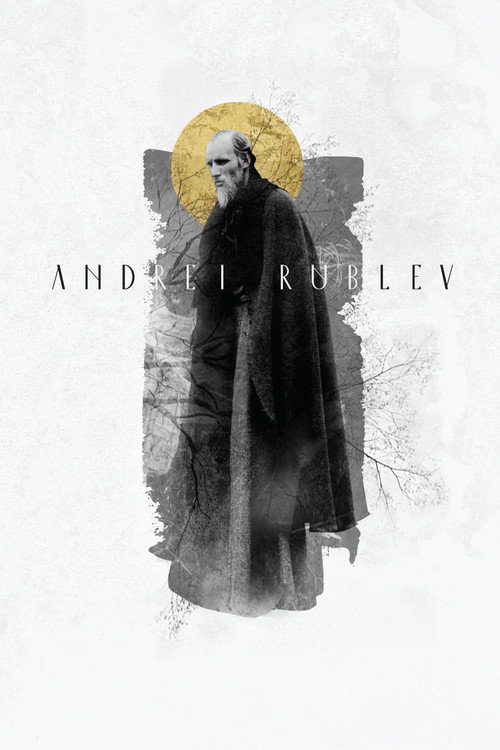
Andrei Rublev1966
Tarkovsky's epic about a medieval icon painter grapples with suffering, faith, and the artist's role amid violence and oppression. Its visual grandeur contrasts with Německ's minimalism, but the moral inquiry is identical.
But Three hours plus, in Russian, with a narrative that circles rather than progresses. Patience isn't optional.
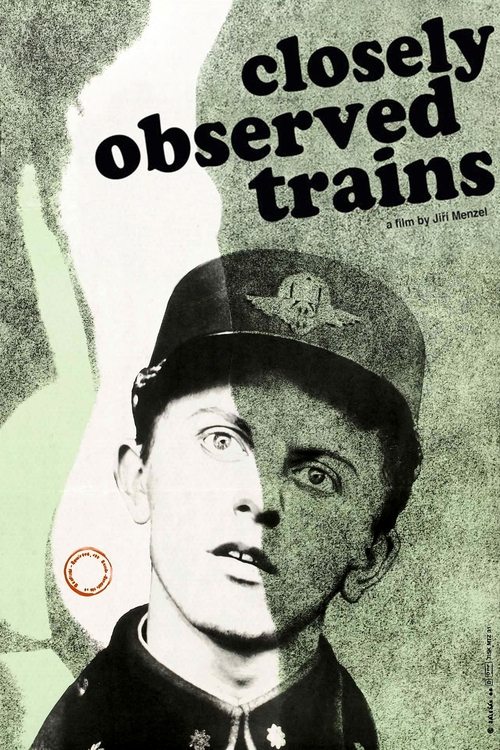
Closely Watched Trains1966
Jiří Menzel's Czech New Wave film uses gentle humor and intimate observation to explore masculine identity and courage during wartime. It shares Německ's Eastern European sensibility and distrust of easy heroism.
But The tonal shifts between comedy and tragedy can feel jarring. Some find its sexual subplot gratuitous.
Ikiru1952
Kurosawa's film about a bureaucrat discovering meaning before death explores human dignity with quiet, devastating power. Both films interrogate what it means to live authentically in the face of mortality.
But The second half shifts register dramatically and some find it sentimental compared to its austere beginning.

The Red Shoes1948
Beneath their surface differences, both films are about people unable to escape their circumstances and the psychological price of that entrapment. The Woman, the boys, the dancer—all are trapped by forces beyond their will. Powell uses color and spectacle where Německ uses silence and black-and-white, but the underlying interrogation of human freedom is identical.
Michael Powell's color spectacle about a dancer caught between art and love seems tonally opposite to Diamonds, but both investigate the costs of singular obsession and the surrender of autonomy. Powell's visual opulence paradoxically explores the same territory of human will and powerlessness.
But Lush, operatic, theatrical—the opposite of Německ's austerity. If you want realism, this gilded artifice may feel alienating.

People
Cast
- Ladislav JanskýThe First
- Antonín KumberaThe Second
- Ilse BischofováThe Woman
Directing
- Jan NěmecDirector
- Hynek BočanFirst Assistant Director
- Jiřina MatiaskováScript Supervisor
Writing
- Jan ProcházkaCreative Producer
- Arnošt LustigScreenplay
- Jan NěmecScreenplay
- Arnošt LustigShort Story
Production
- Ladislav DražanAssistant Production Manager
- Lubomír NovotnýAssistant Production Manager
- Vladimíra KopeckáAssistant Production Manager
- Erich ŠvabíkExecutive Producer
- Miloš BerglProduction Manager
- Josef MáraUnit Manager
- Zdeňka ČernáUnit Manager