
Television series
Port Protection Alaska
Port Protection Alaska follows roughly 100 people living in genuine isolation on Prince of Wales Island, with no roads, no police, no government services. It's a documentary series about real self-reliance: hunting, fishing, building, surviving Alaskan winters. Quietly absorbing, never sensational. For anyone who's wondered what radical independence actually costs and whether it's worth it.
Should you watch it?
Watch it if you enjoy slow, observational documentaries about people who have chosen hard, self-reliant lives far from anything, and you don't mind long stretches of practical work to get to the human moments.
Skip it if you want a tight narrative with clear stakes and frequent payoffs, since this series mostly lets its residents go about their daily routines at an unhurried, sometimes meandering pace.
What it asks of you: Each hour-long episode settles into a patient rhythm, following households through chores, repairs and weather, so you need to be willing to let scenes breathe and let the quiet carry you.
Not sure? Find tonight's pick in a minute.
If you liked this
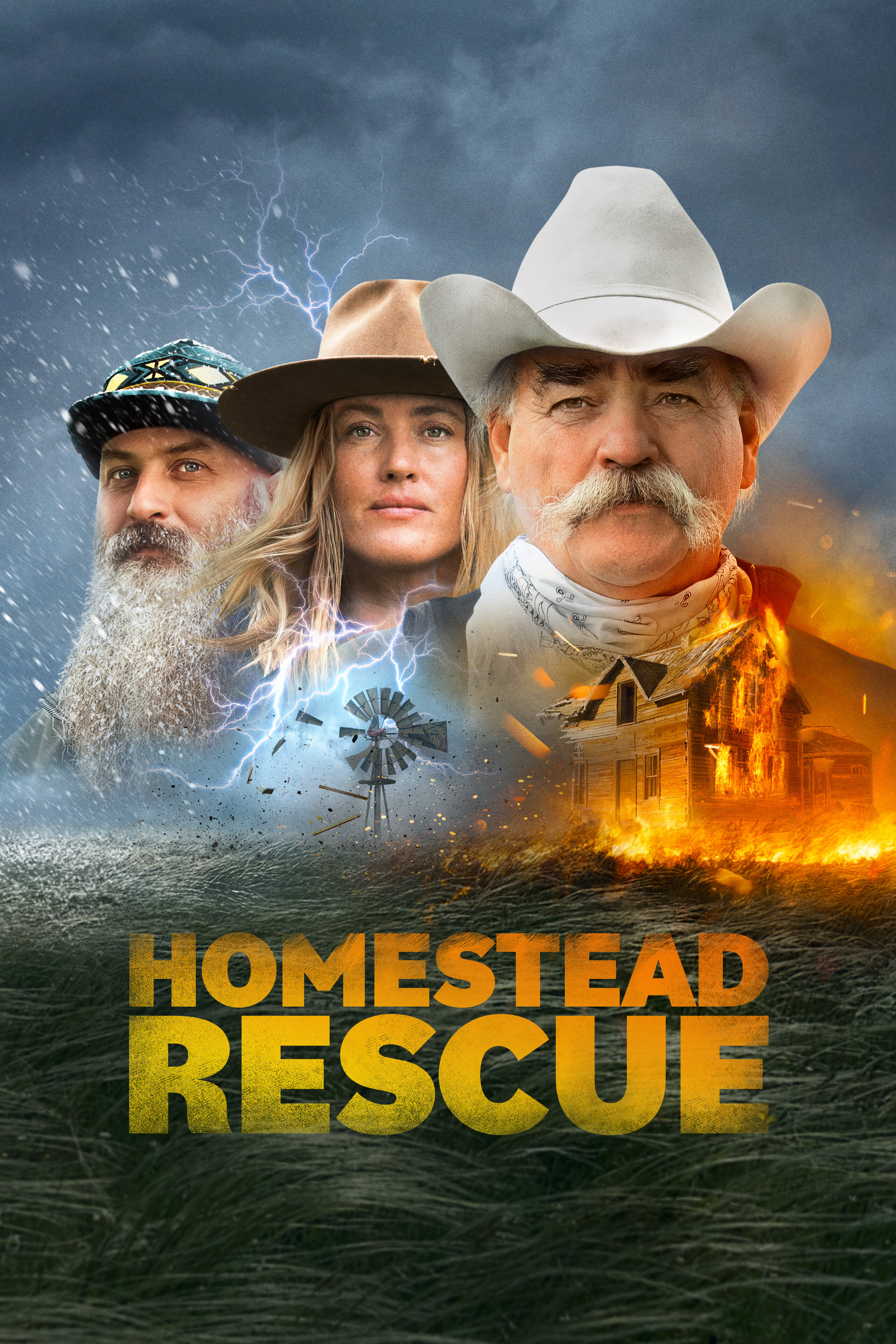
Homestead Rescue2016
Rescues people who've attempted off-grid living but are struggling. Same documentary eye for what self-reliance really demands, same respect for the people trying it, same fascination with improvisation under pressure.
But The format is sometimes repetitive—problem identified, problem solved, next family. It can feel formulaic where Port Protection feels organic.
The Last Alaskans2015
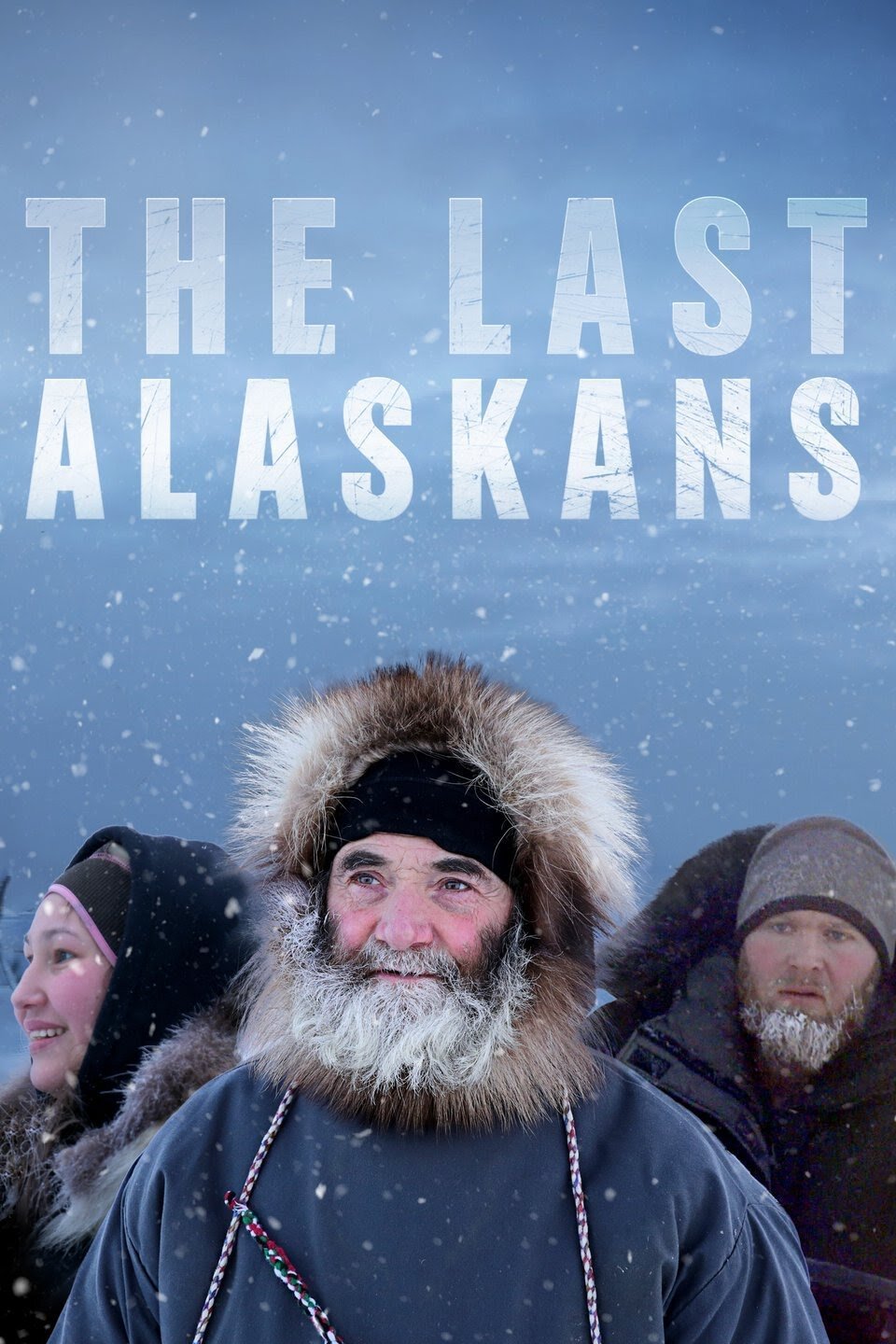
Follows a handful of people in the Arctic National Wildlife Refuge, even more remote than Port Protection. The same obsessive relationship with land and season, the same quiet documentation of daily survival as a complete life.
But Fewer characters means less variety in perspective. If you need ensemble storytelling rather than deep focus, this strips things down further.
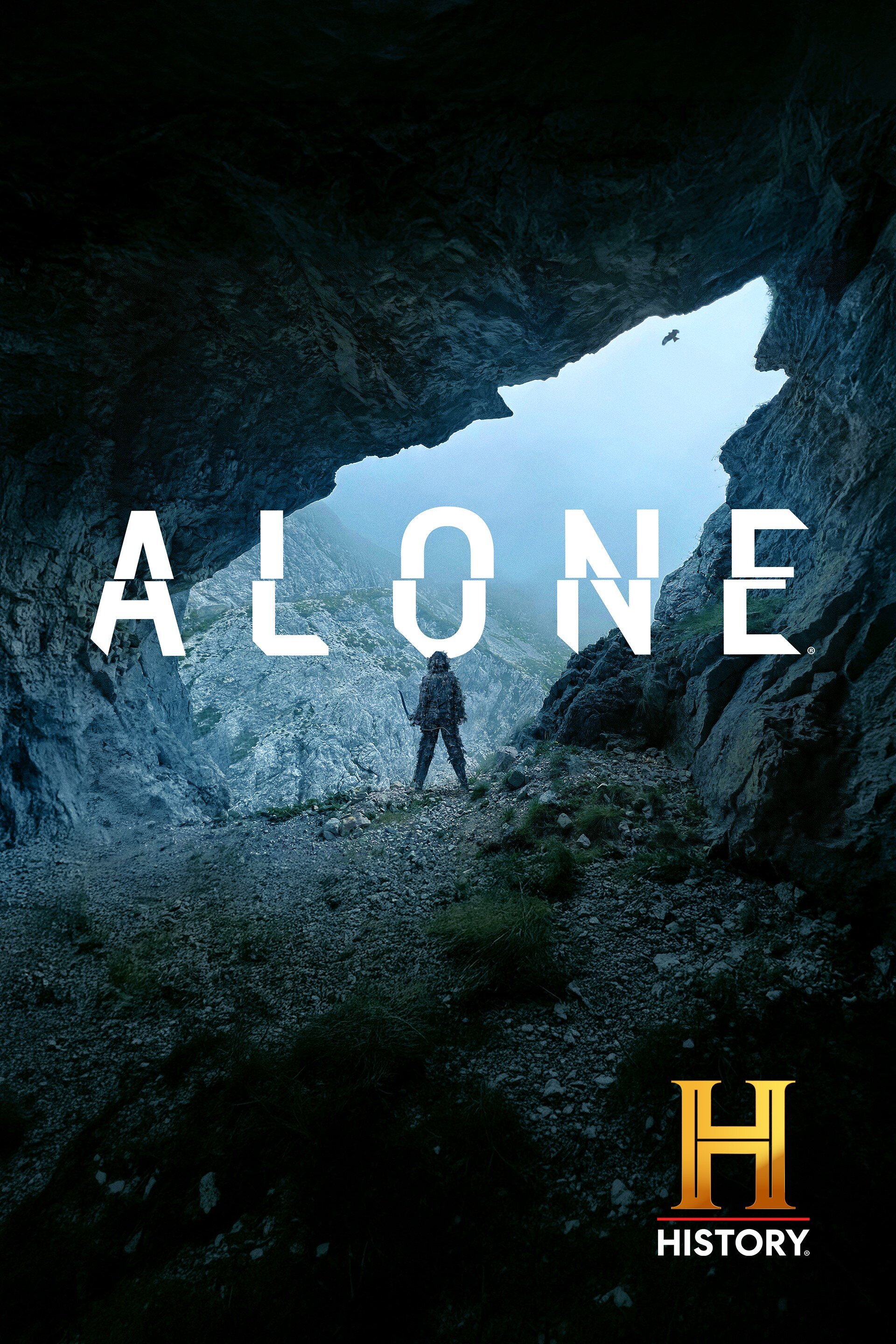
Alone2015
Strangers dropped alone in wilderness have to survive alone for as long as they can last. Flips the Port Protection model—instead of community, isolation itself. But the same core: watching people actually solve real problems or fail trying.
But The competition element and deliberate hardship feels manufactured compared to Port Protection's organic daily rhythms. More reality show than documentary.
Not sure tonight? Get a pick in a minute, starting from Port Protection Alaska
The wildcard
Something you would not have found on your own.
Nosferatu the Vampyre1979
Both are about people choosing extreme isolation in Alaska for reasons outsiders find baffling. The difference is Herzog asks whether that choice is sustainable or survivable.
Herzog directs a documentary about Timothy Treadwell, who lived alone among grizzly bears in Alaska for thirteen summers. About why someone would choose that life, what it costs, and whether it's sane or profound or both.
But It's uncomfortable and tragic—a study of obsession and delusion more than heroic survival. Port Protection is celebratory where this is elegiac.

More like this (7)
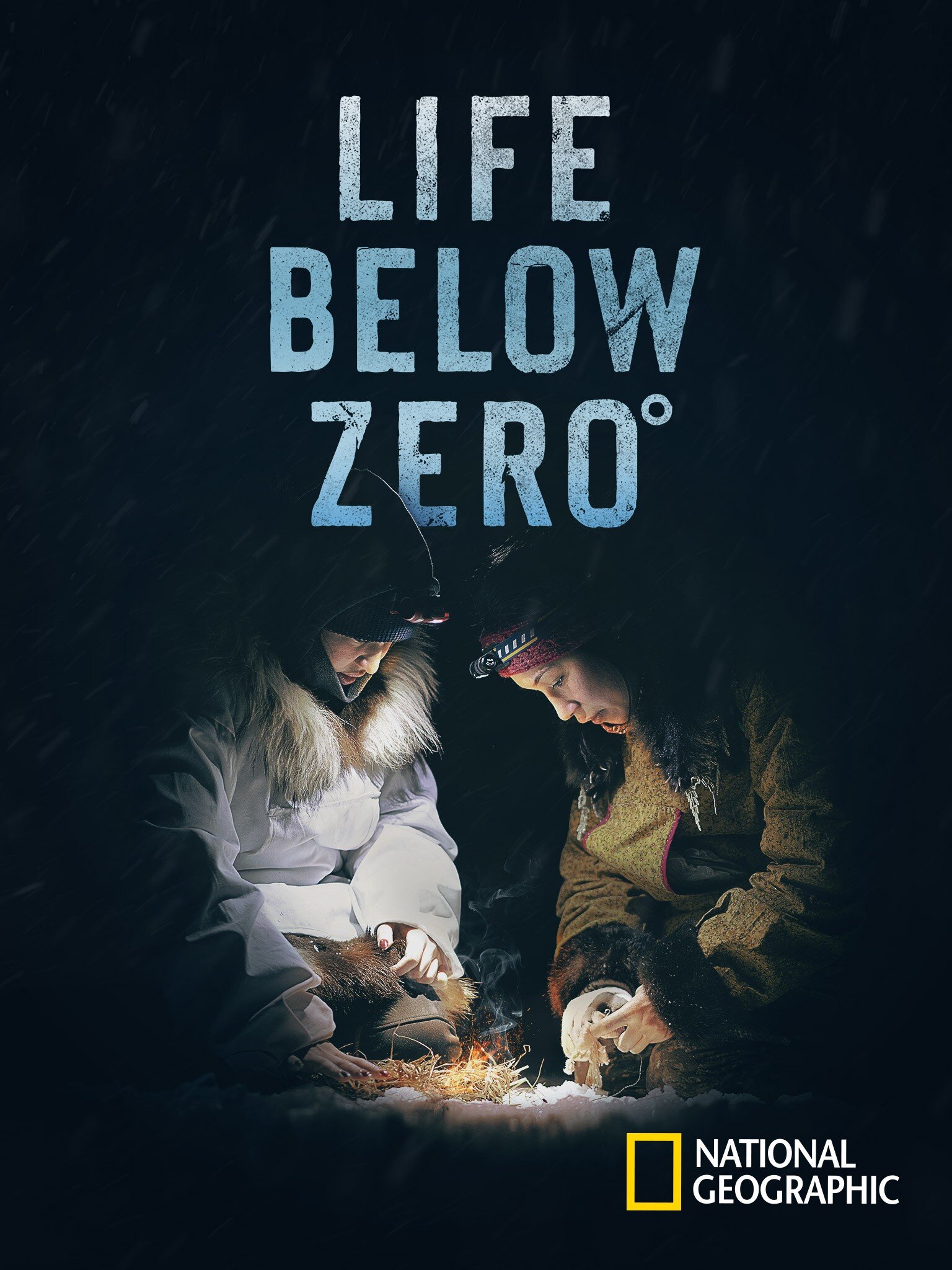
Life Below Zero°2013
Another Alaska series, this time urban-adjacent communities (Fairbanks, Anchorage) where people still hunt, fish, and prepare obsessively for winter. Same environment, different density of civilization, same respect for expertise.
But Less isolation means less of that particular tension. It can read as more lifestyle than survival, which dilutes what makes the premise compelling.
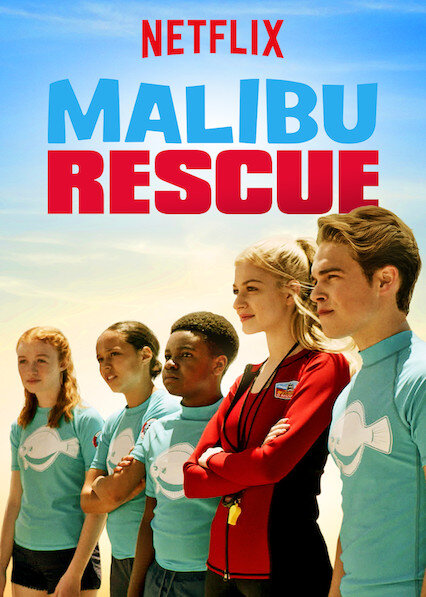
Malibu Rescue: The Series2019
Documents the Malibu Fire Department's water rescue operations. Radically different setting but identical DNA: tight team of specialists solving real problems under pressure with stakes that matter.
But Urban emergency response lacks the meditative quality of seasonal survival. It's incident-driven rather than relationship-driven.
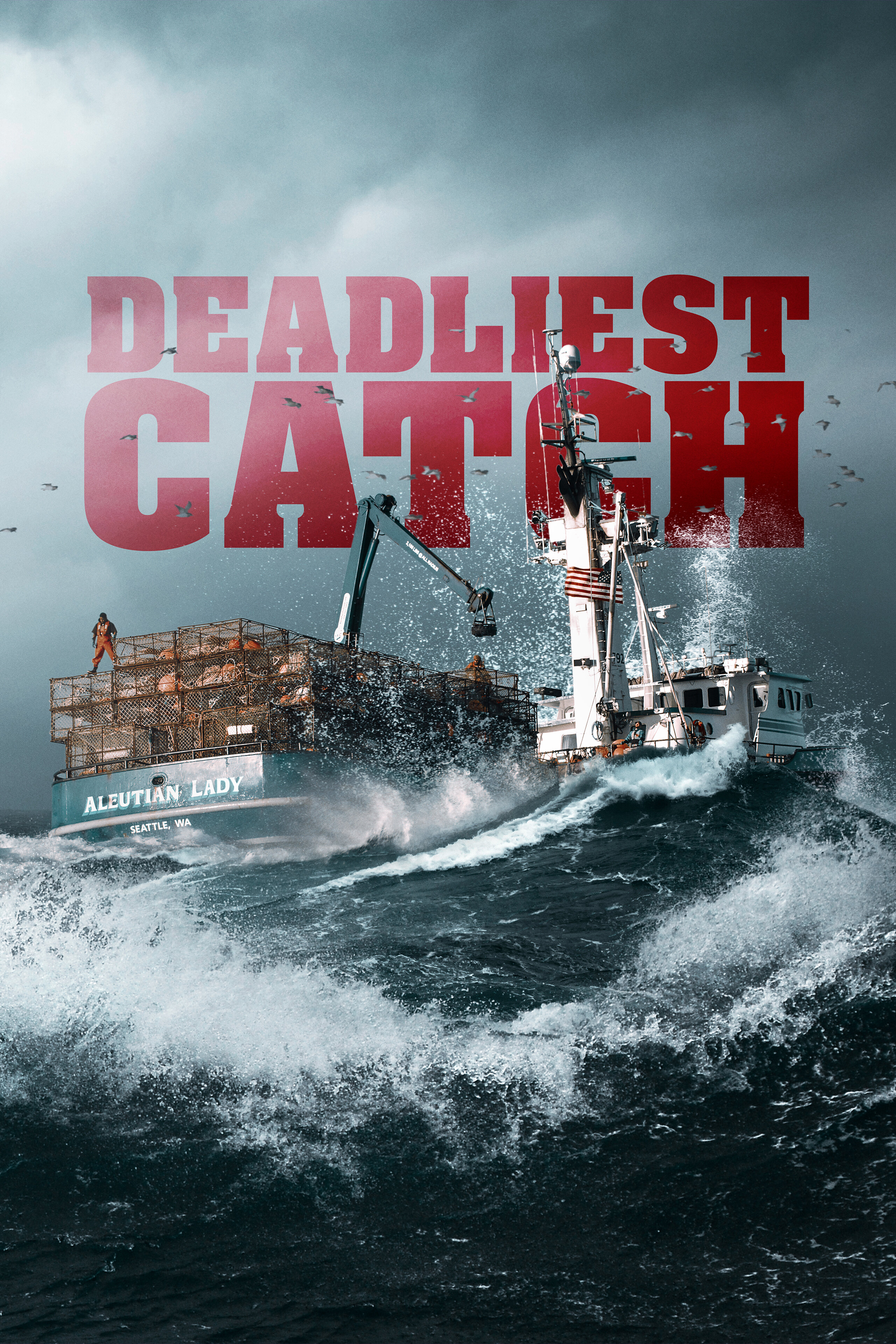
Deadliest Catch2005
Commercial fishermen in the Bering Sea, same brutal Alaska environment, same crews solving real problems in dangerous conditions. The pressure cooker is economic rather than existential, but the competence on display is mesmerizing.
But Industrial fishing has a different moral weight than subsistence. The show can feel exploitative in ways Port Protection doesn't.
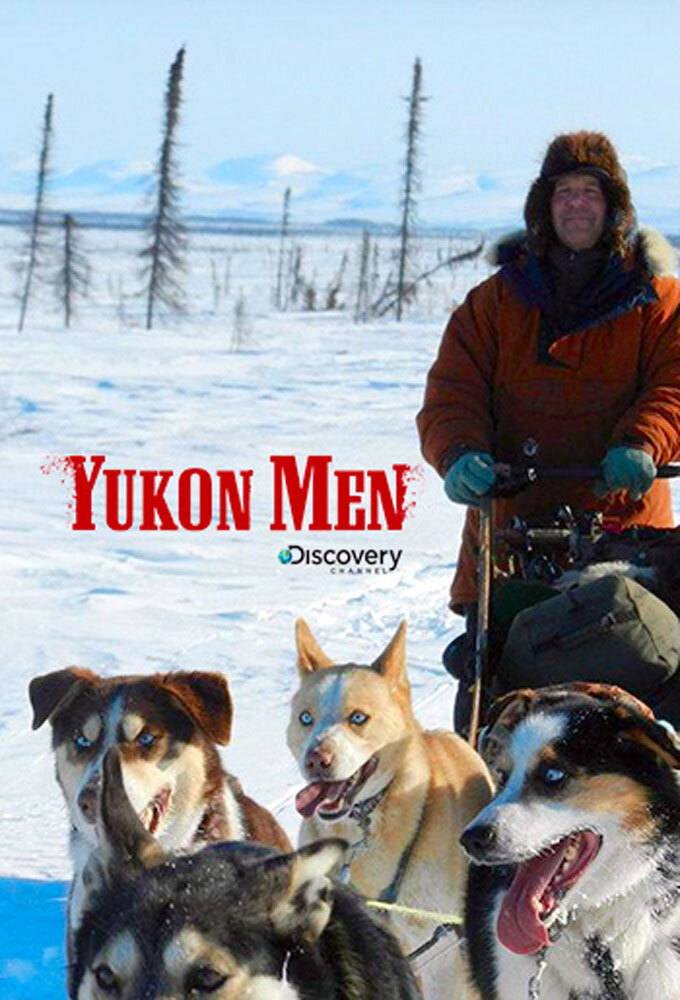
Yukon Men2012
Follows residents of Healy, Alaska through the seasons. Same documentary approach to remote living, same focus on hunting and provisioning, same respect for practical knowledge.
But Production values and pacing are uneven. Some seasons feel padded, some feel rushed. Less consistent than Port Protection.
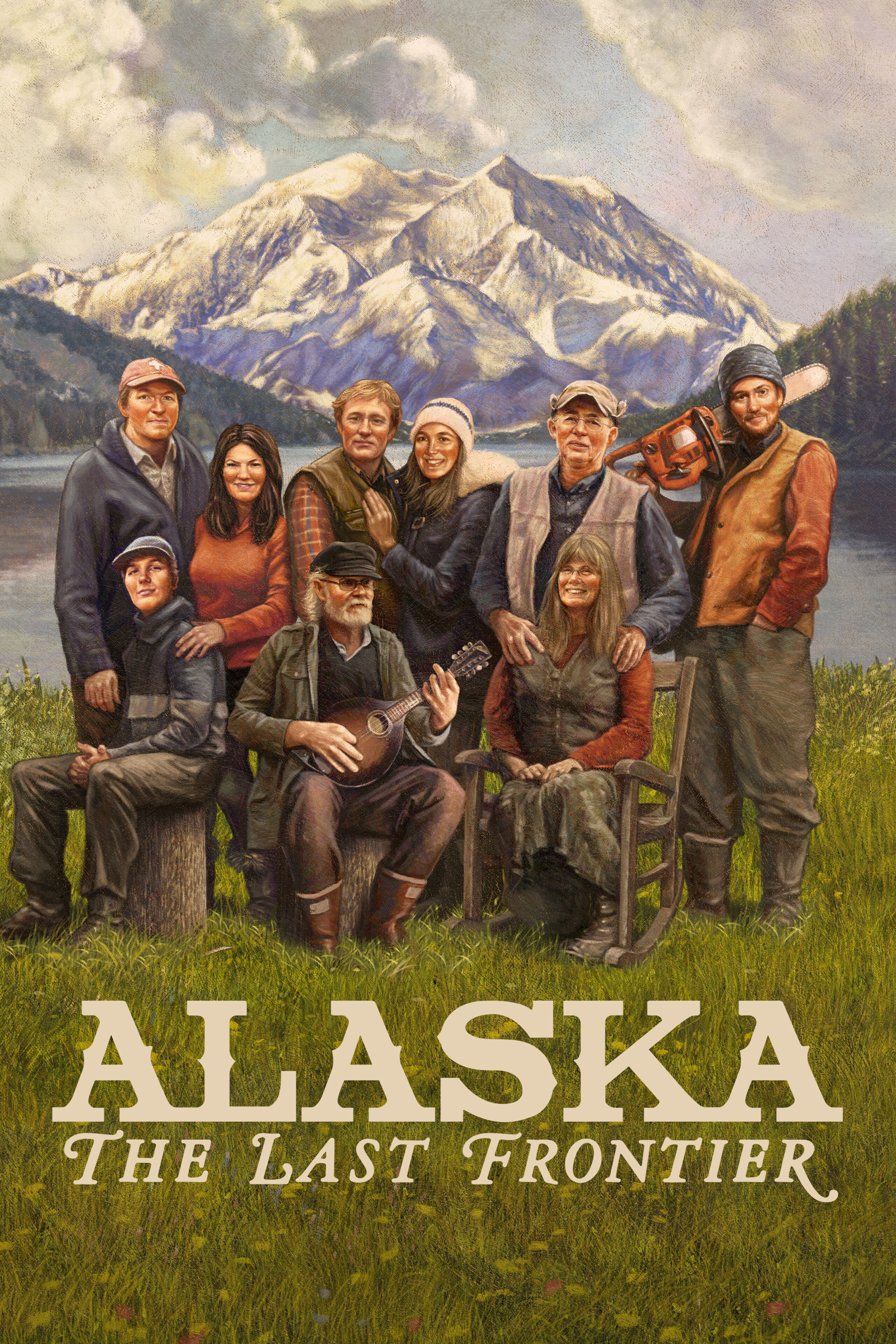
Alaska: The Last Frontier2011
A family maintaining a homestead near Palmer, Alaska. Similar rhythms of work and season, similar theme of choosing independence, similar meditation on what remote life demands.
But More family-focused, which narrows the social texture. Less about community, more about a single unit's story.
Wheeler Dealers2003
Problem-solving under constraint—broken things that need fixing with limited resources. Different subject matter entirely, but the same documentary satisfaction of watching skilled people solve real problems.
But The format is completely different and the stakes are material rather than existential. Works as a palate cleanser more than a natural sequel.

The Ascent1977
Both use harsh landscape and survival pressure as a moral and philosophical laboratory. Both ask what self-reliance actually means when everything is stripped away.
Soviet film about two partisans hunted through snowy forest, reduced to pure survival instinct and philosophy. Shot in black-and-white, austere, meditative. Same reduction to basics as Port Protection—what does survival strip away, what does it leave behind?
But It's a narrative fiction, not documentary, and deeply pessimistic. The philosophy is existential suffering, not peaceful self-reliance. Completely different register.
