Television series
Yukon Men
Yukon Men follows working Alaskans in the remote village of Tanana, living in extreme isolation where subsistence hunting, fishing, and trapping aren't hobbies—they're survival. Gorgeously shot in harsh Arctic conditions, it's a documentary-style drama about real people wrestling with genuine hardship, community bonds, and what it costs to choose this life. It's for anyone who finds authenticity in struggle.
If you liked this
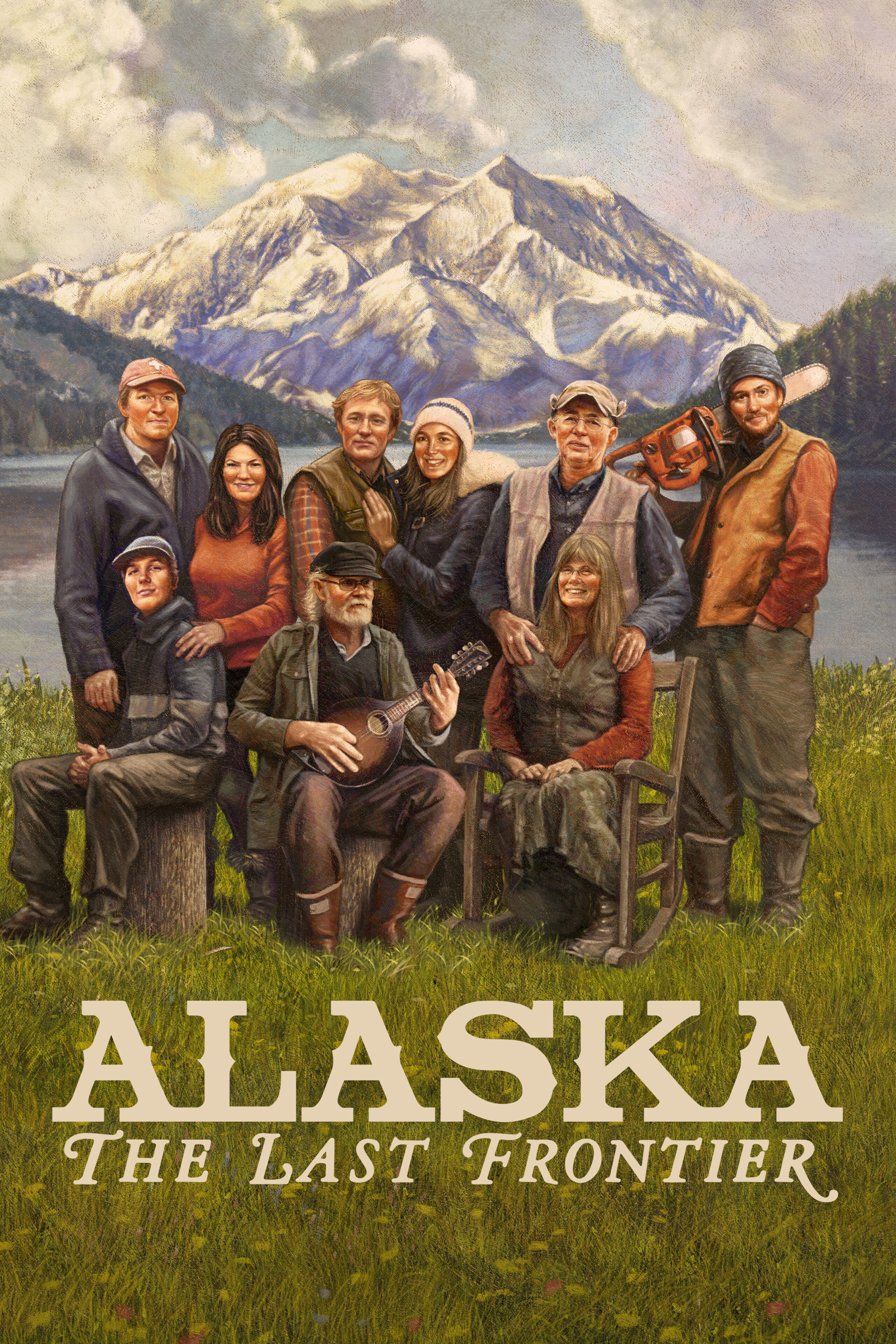
Alaska: The Last Frontier2011
Three generations of the Kilcher family homestead without running water or electricity. Like Yukon Men, it's absorbing proof that this isn't fantasy roleplay—these people actually live this way, dealing with bears, broken equipment, and relentless seasons.
But The production can feel repetitive across seasons, recycling scenarios. Some episodes prioritize family melodrama over genuine survival challenges.
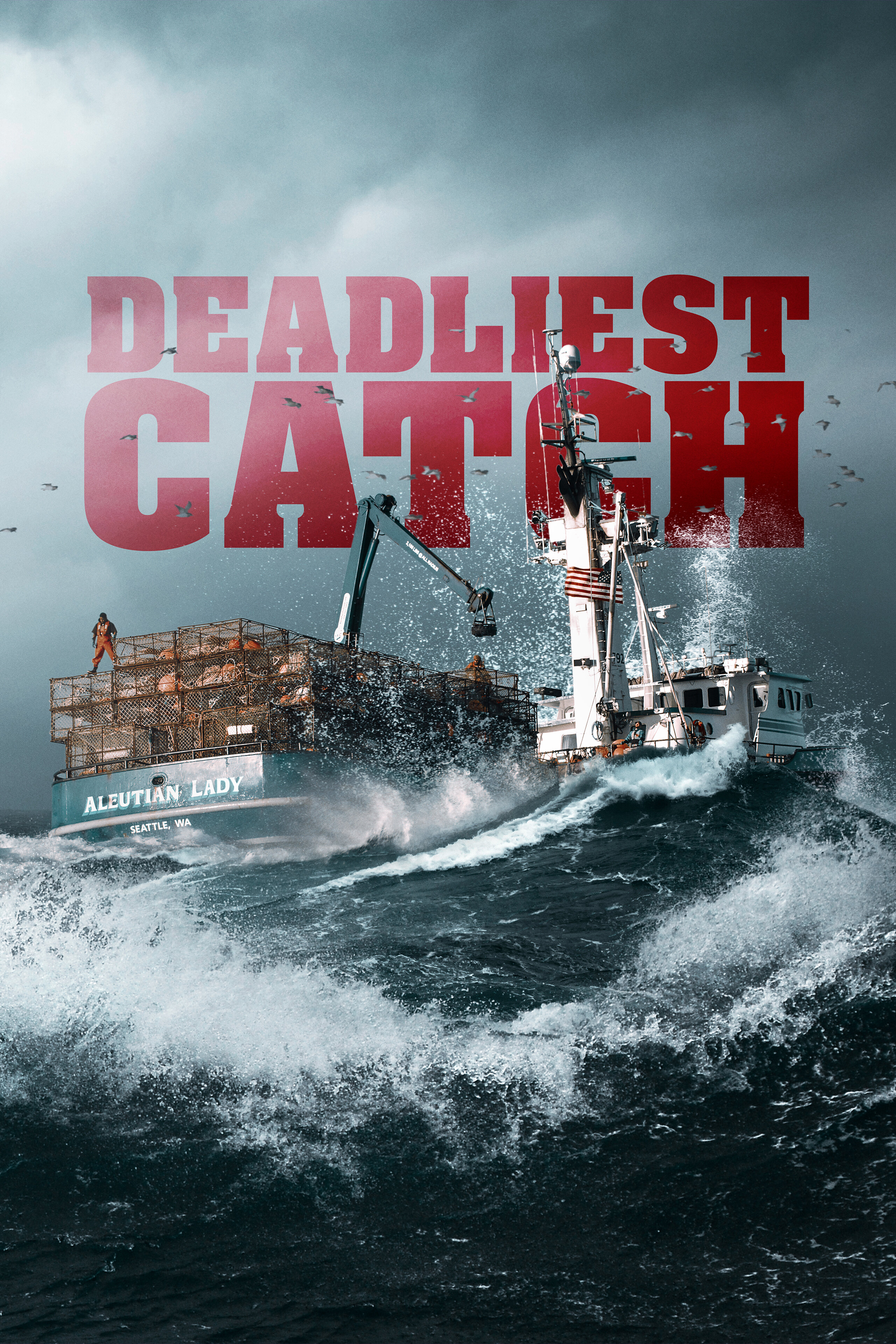
Deadliest Catch2005
Commercial fishermen in the Bering Sea face conditions just as brutal and unforgiving. Same documentary-realism approach, same respect for dangerous work, same cast of weathered people doing jobs most of us couldn't survive a shift in.
But The show leans heavily on manufactured tension and manufactured conflict between crew members. Seasons 8 onwards feel noticeably padded.
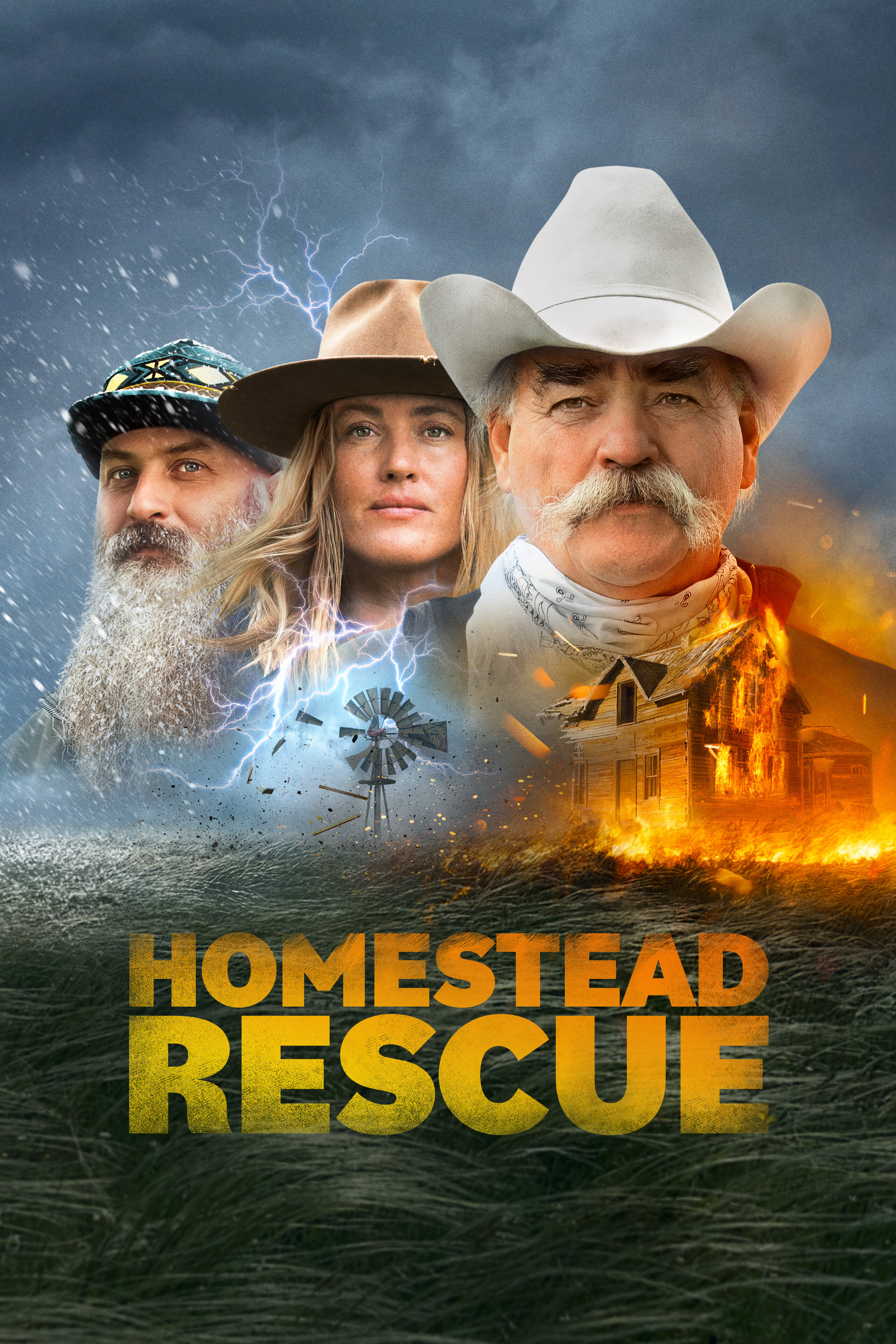
Homestead Rescue2016
Marty Raney and his team help struggling homesteaders across remote North America. It has Yukon Men's fascination with DIY survival and the psychological toll of isolation, but adds problem-solving as its own drama.
But Often verges on patronizing toward the people it's helping. The fixes presented are sometimes laughably quick for genuinely complex problems.
Not sure tonight? Get a pick in a minute, starting from Yukon Men
The wildcard
Something you would not have found on your own.
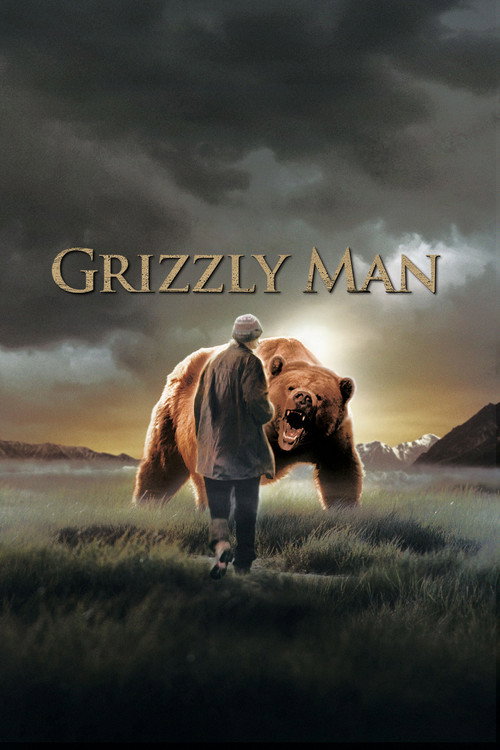
Grizzly Man2005
Both ask seriously: what drives someone to choose a life that could kill them? Both find the answer isn't simple romantic idealism.
Werner Herzog's documentary about Timothy Treadwell, who lived among grizzlies in Alaska for thirteen summers. It shares Yukon Men's landscape and the obsessive logic of choosing extreme isolation, but reframes it through Herzog's haunting philosophical lens. Devastating and strange.
But Doesn't end with the triumphant survival narrative you might expect. It's a film about delusion and denial, and it's austere—Herzog refuses easy answers or conventional uplift.
More like this (8)
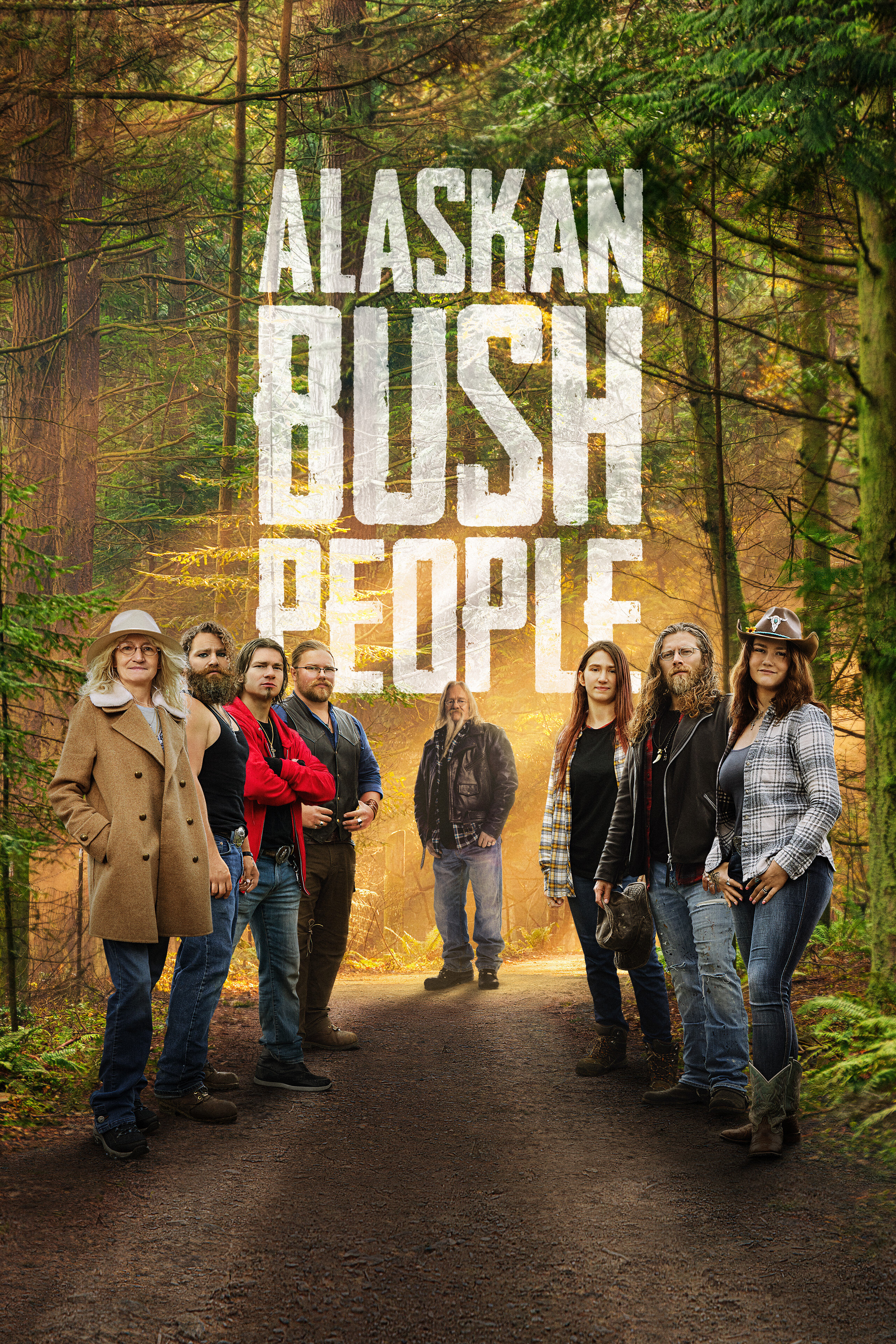
Alaskan Bush People2014
An extended family lives off-grid in the North Carolina woods, trapping, hunting, and building. Shares that gritty, real-work aesthetic and the implicit question: what makes this life worth its hardships?
But Authenticity debates plague the series—various sources suggest significant scripting and staging undermines its documentary credibility.
Mountain Men2012
Three men making their living in remote areas: hunting, trapping, logging. Shorter episodes, tighter focus on actual skilled work rather than personality drama. Solid grain-by-grain documentation of subsistence living.
But Less narrative momentum than Yukon Men. Episodes can feel like static snapshots of repetitive tasks without larger emotional arcs.
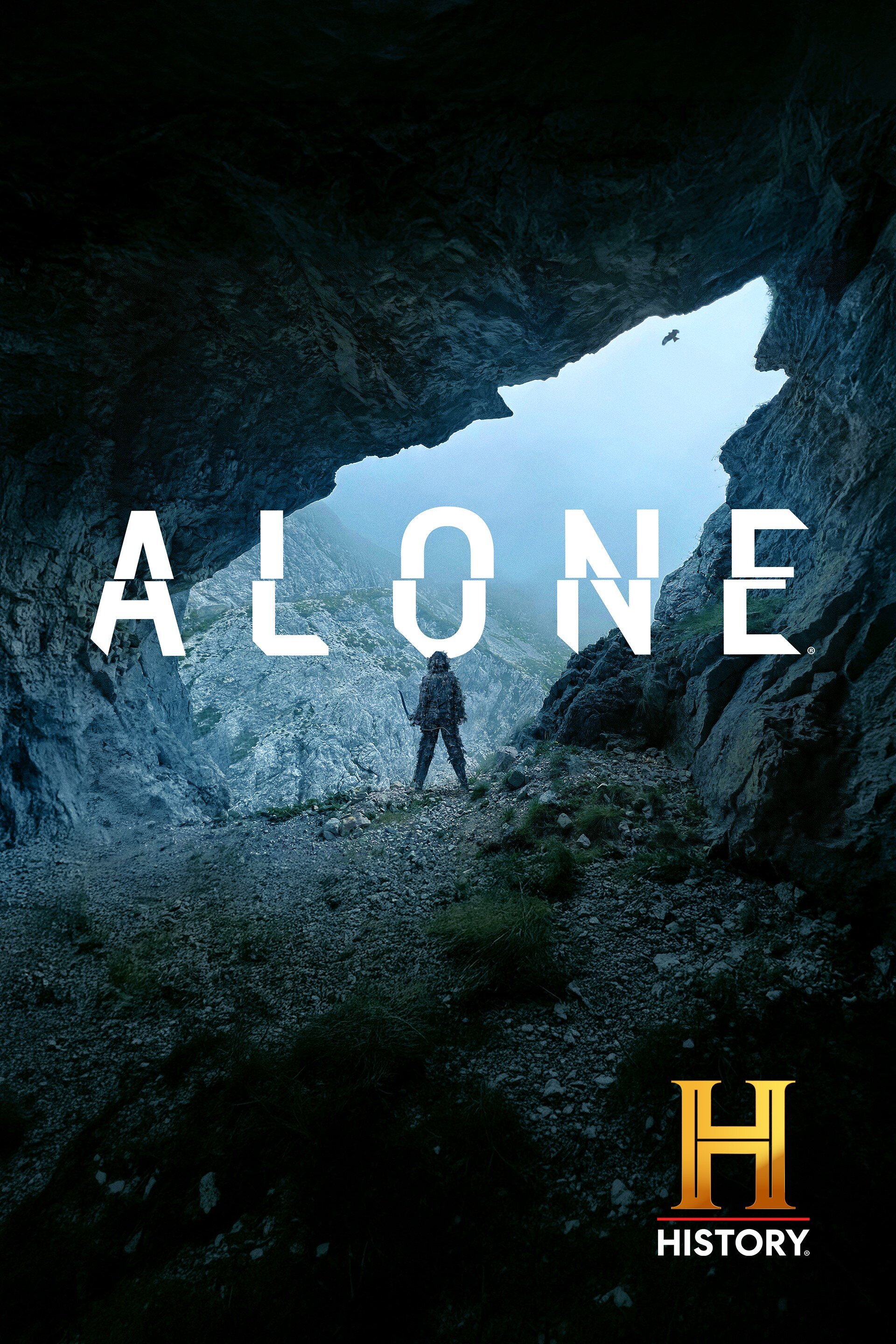
Alone2015
Survivalists dropped alone in brutal wilderness with minimal gear must last longer than their competitors. It strips away the community angle but intensifies the psychological and physical challenge that underpins shows like Yukon Men.
But Can feel gimmicky and manufactured. The competitive framing sometimes trivializes the actual hardship involved in survival.
Survivorman2005
Les Stroud goes alone into wild places—Patagonia, the Arctic, the Amazon—filming himself. Quieter and more philosophical than Yukon Men, but shares that unflinching portrait of what raw nature demands from a person.
But Meditative pace won't appeal to anyone wanting drama or conflict. Sometimes feels more like a personal meditation than a narrative.
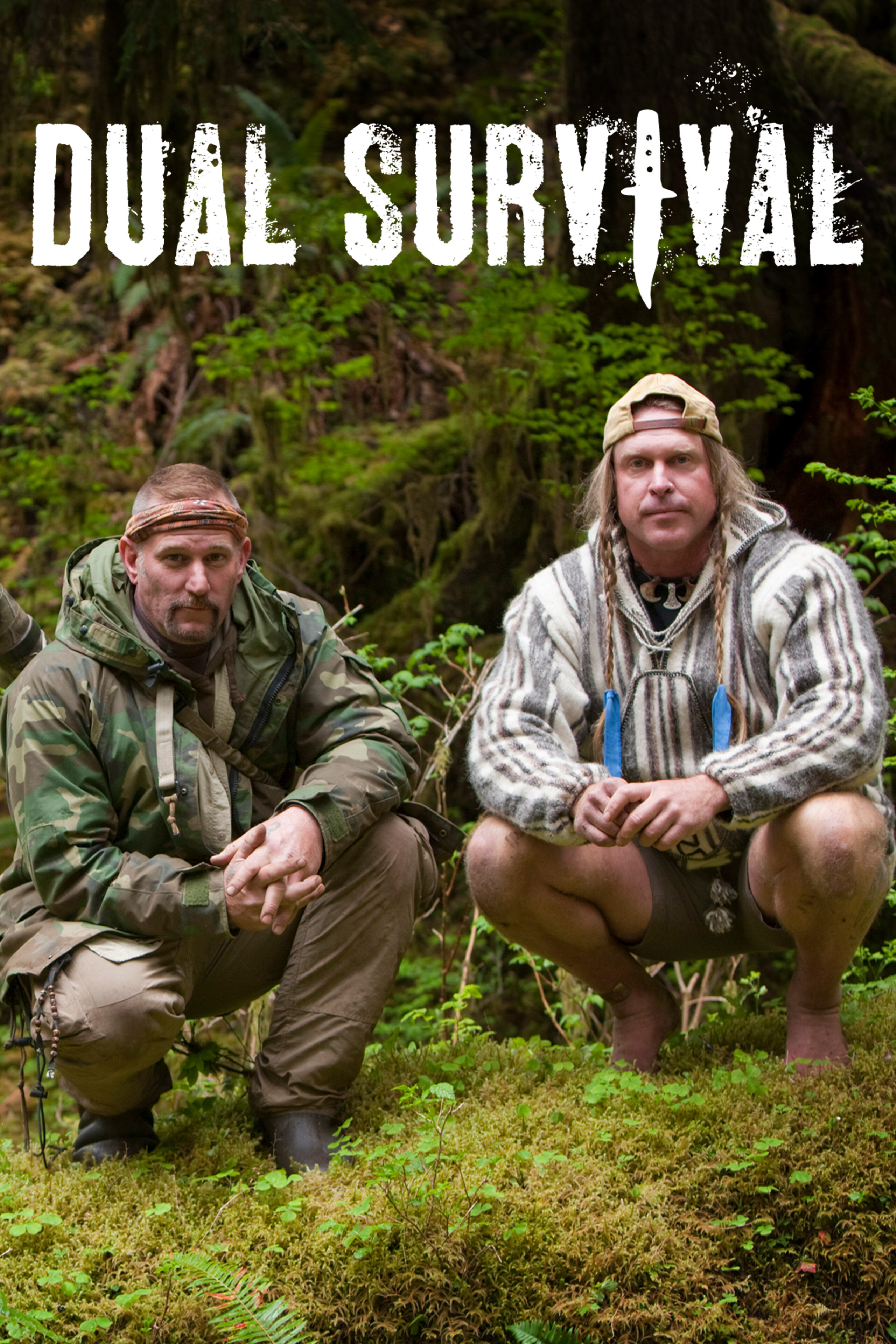
Dual Survival2010
Two survival experts with different philosophies tackle extreme environments together. Balances practical skill with personality; has Yukon Men's respect for real knowledge applied under real pressure.
But The early-season dynamic between hosts Cody Lundin and Dave Canterbury feels forced. Later seasons lean toward stunt-survivalism over genuine technique.
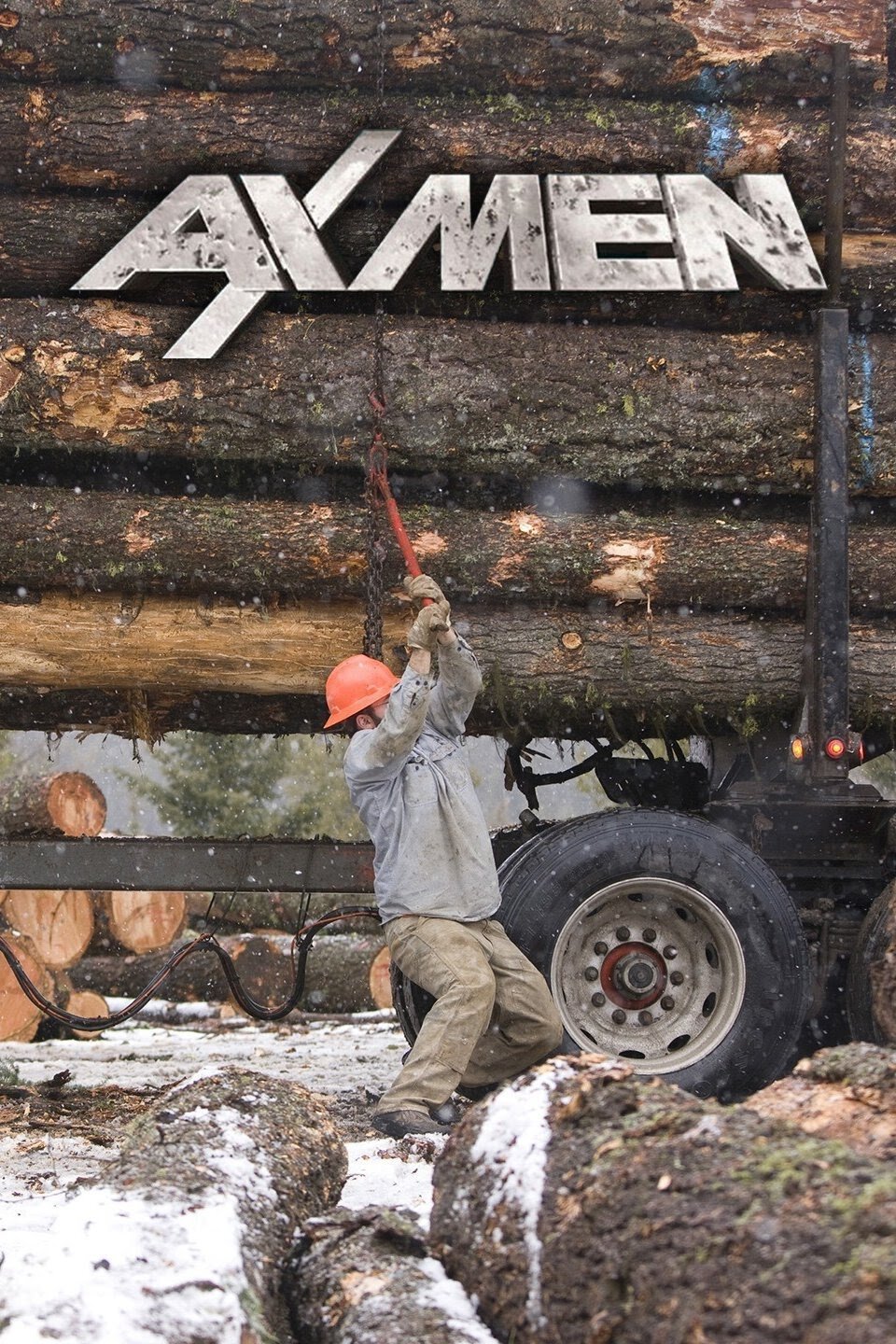
Ax Men2008
Loggers in the Pacific Northwest cutting down trees under impossible conditions—dangerous, seasonal, economically precarious work. Same documentary authenticity, same respect for hard labor in unforgiving terrain.
But Heavily edited for drama and conflict. Actual logging can't sustain TV pacing without manufactured interpersonal tension.
The Ballad of Little Jo1993
Both center people who've chosen economic and social isolation as the price of freedom. Both see that choice as credible and even noble, not as pathology.
Based on true events: a woman in 1880s Wyoming assumes a male identity to survive alone as a rancher and prospector. It shares Yukon Men's respect for self-reliant survival but as a gender-bending frontier character study, quiet and historically grounded. Maggie Cassidy is magnificent.
But Paced deliberately, not urgently. The landscape matters more than plot momentum. Formal and literary where most viewers expect Western narrative excitement.

The Vast of Night2019
Both locate a kind of poetry in isolation and sparse community. Both find that remoteness itself becomes a character—not backdrop, but protagonist.
A mystery-thriller set in 1950s New Mexico about two teenagers investigating a strange radio signal. Visually it's gorgeous and architecturally ingenious, using sound as primary storytelling. Completely different genre and era, but shares that hypnotic quality of life in isolated, sparsely-populated places where community and rumor shape reality.
But The denouement is deliberately unsatisfying. And its Americana melancholy won't satisfy anyone wanting conventional narrative payoff or genre satisfaction.