
Film
Sunstroke
- Period drama
- Very dark
- Slow-burning
Sunstroke is a haunting Russian historical drama set in a Crimean filtration camp after the White Army's collapse. A unnamed captain, adrift in the aftermath of empire, is consumed by fragmented memories of a fleeting romance—a love that feels like the only real thing in a world collapsing into ideological chaos. It's meditative, elegiac, demanding.
Should you watch it?
Watch it if you are drawn to slow, memory-driven films where history is felt through a single haunted mind and a romance that keeps returning, rather than through battles.
Skip it if you need a story that moves forward, since this one circles its memories and questions at a deliberate crawl that can test patience over nearly three hours.
What it asks of you: Expect long, unhurried stretches where the camera lingers and little is explained outright, so you must sit with silence, fragments and a stifling heat that hangs over every scene.
Not sure? Find tonight's pick in a minute.
If you liked this
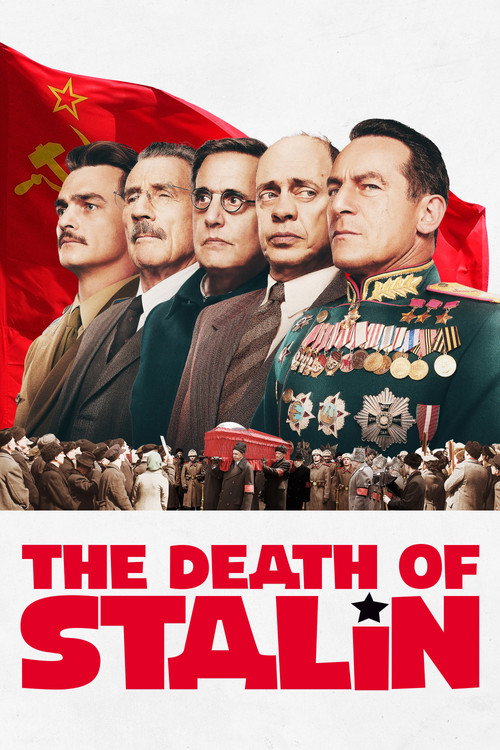
The Death of Stalin2017
Armando Iannucci's savage black comedy about Soviet power vacuum and historical reckoning. Sharp, propulsive, darkly funny—a completely different register but the same obsession with empire's violent collapse and competing truths.
But Broadly comedic tone may jar if you want sustained melancholy. Also British sensibility applied to Soviet history, which some find reductive.
Stalker1979
Tarkovsky's masterpiece about desire, faith, and the Russian soul. Slow, philosophical, visually hypnotic—shares Sunstroke's willingness to let time move at its own pace and trust the audience completely.
But At 163 minutes, it moves like continental drift. Long static shots; minimal plot. Tests patience fundamentally.

Come and See1985
Elem Klimov's devastating account of the Nazi invasion of Belarus through a boy's eyes. Unflinching about violence and trauma's cost. Raw, apocalyptic, historically specific in ways that linger brutally.
But Genuinely traumatizing. Not cathartic—punishing. The final sequence may stay with you in ways you didn't consent to.

Not sure tonight? Get a pick in a minute, starting from Sunstroke
The wildcard
Something you would not have found on your own.
Requiem for a Dream2000
Both use the specific structure of a man watching/remembering to interrogate larger historical or personal collapse. Both understand that trauma doesn't move forward—it loops. Both insist cinema can hold psychic damage without healing it.
Darren Aronofsky's formally experimental American addiction descent. Four parallel catastrophes driven by human hunger—for love, drugs, pills, meaning. Uses fragmentation, repetition, and montage as philosophical technique, not stylistic flourish.
But Absolutely relentless. Punishing, not meditative. Loud, assaultive, designed to overwhelm rather than invite contemplation. Emotionally exhausting in ways that feel sadistic.

More like this (6)
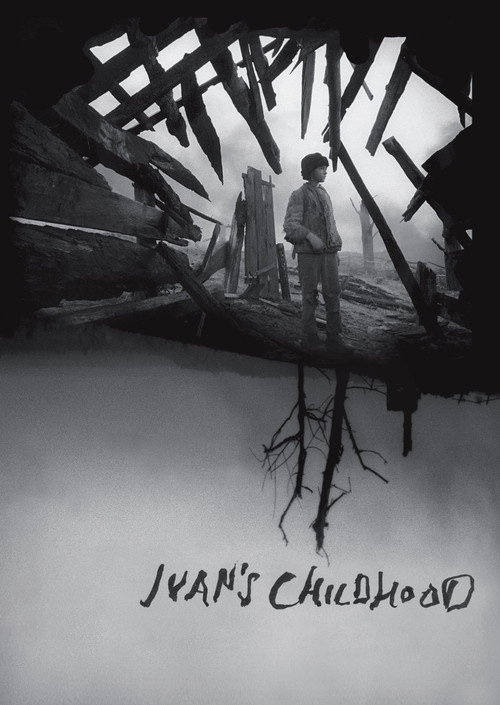
Ivan's Childhood1962
Tarkovsky's first feature, a boy soldier's fragmented memories of home during WWII. Dreamlike, tender, devastating—interior landscapes of trauma and loss rendered with extraordinary visual grace.
But Requires patience with poetic indirection. No conventional plot engine; you drift through time and emotion rather than being propelled.
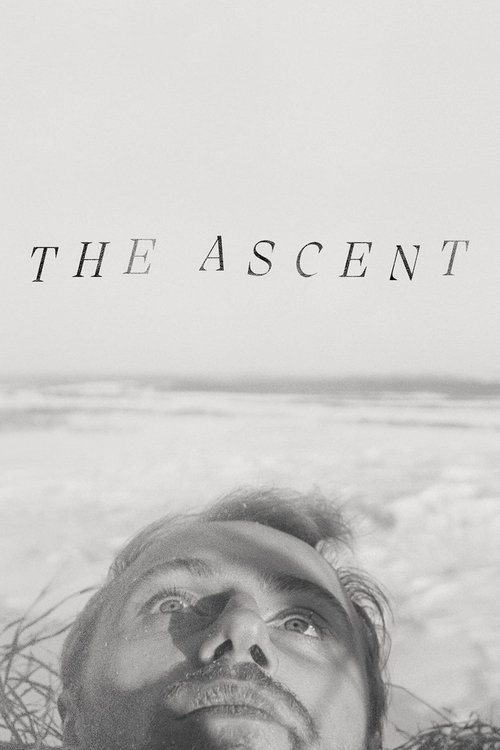
The Ascent1977
Larisa Shepitko's two-act morality play set during WWII. Two Soviet partisans face execution, philosophy, faith. Stark, metaphysical, theologically urgent—cinema as spiritual interrogation.
But Aggressively austere. Black and white, sparse dialogue, abstract in ways that feel deliberately hostile to narrative pleasure.
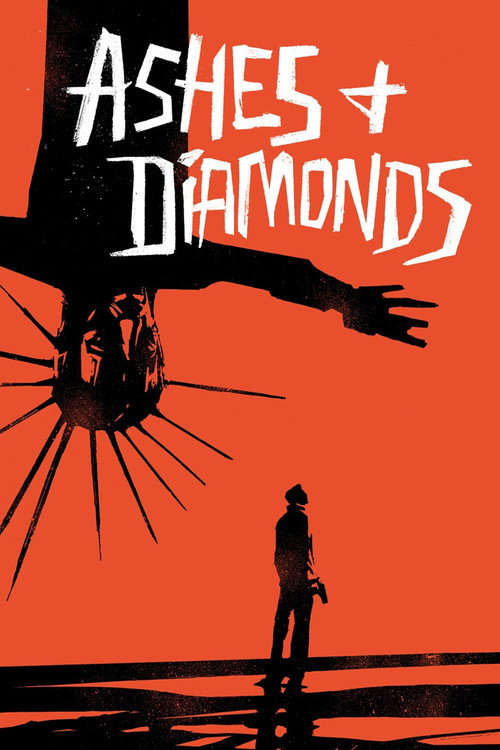
Ashes and Diamonds1958
Andrzej Wajda's Polish masterwork about the collapse of WWII into Cold War uncertainty. Follows a nationalist assassin adrift in ideology's endgame. Beautiful, restless, historically precise about disillusionment.
But Black and white 1950s Polish cinema. Slow, deliberate pacing. The politics require historical context to fully land.
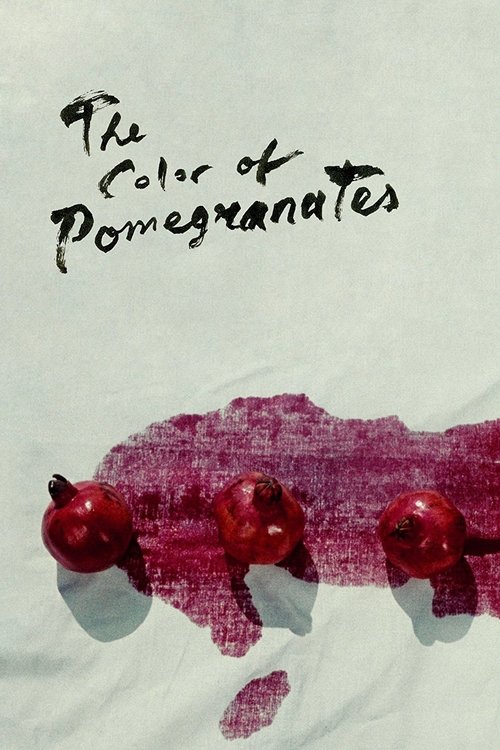
In the Mirror of the City1975
Tarkovsky again, but this time his most personal—a poet's dying dream sequence blending Soviet history, autobiography, memory, footage. Formally radical, emotionally shattering, about how empires and selves fragment.
But Structurally impenetrable. Feels more like a fever dream than a film. Some shots are technically damaged. Actively resists interpretation.
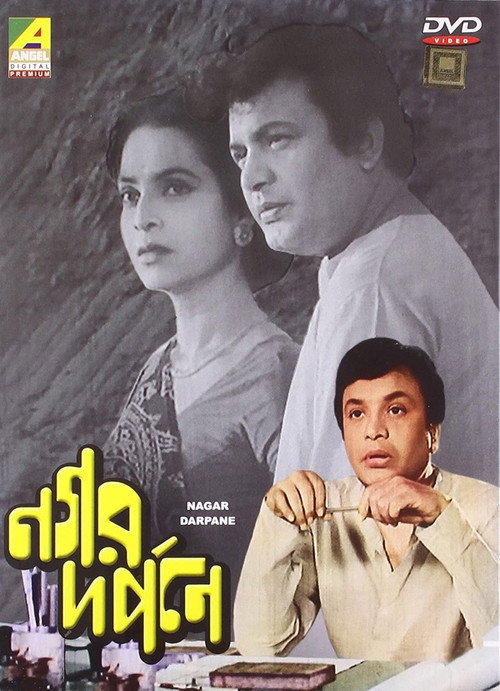
Nostalgia1983
Tarkovsky in exile, about a Russian writer in Italy unable to reconcile memory with displacement. Long, painterly, about homesickness as a kind of spiritual wound. Themes echo throughout Russian cinema.
But Very long for its plot. Extremely slow. Essentially a man walking around feeling alienated for three hours. Not for anyone seeking conventional emotional arc.
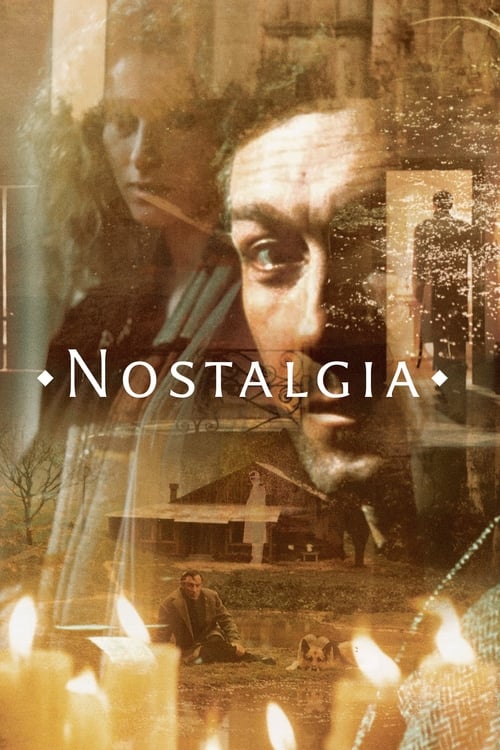
The Color of Pomegranates1969
Both are cinema as elegy for vanished cultures and impossible beauty under empires. Both use the past not as plot but as spiritual landscape. Both argue that memory and art are what outlast states.
Sergei Parajanov's utterly strange biopic of Armenian poet Sayat-Nova. Not narrative cinema—it's color, tableaux vivants, ritual, poetry, visual texture as meaning. About art survival under empire. Formally the opposite of Sunstroke yet spiritually aligned.
But More like a series of photographs than a traditional film. Dialogue minimal and often in classical Armenian. Obscure subject; requires trust that beauty and strangeness justify themselves.
People
Cast
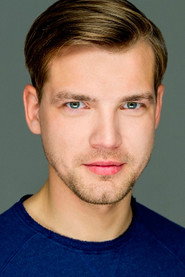 Mārtiņš KalitaPoruchik
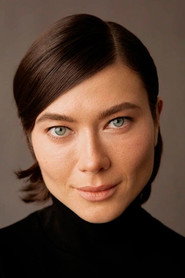 Viktoriya SolovyovaStrange Woman
 Anastasiya ImamovaTatyana
 Sergey SerovPriest
 Kseniya PopovichOlya
- Andrey PopovichPetya
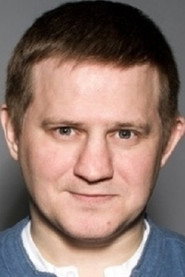 Aleksandr OblasovSteward
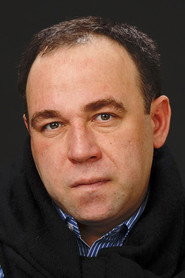 Aleksandr BorisovSailor
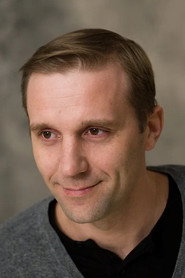 Maksim BityukovTrigorin
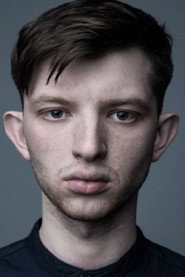 Ilya KiporenkoStudent
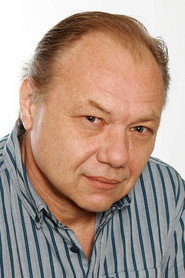 Sergei BachurskyBela Kun
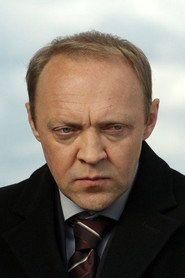 Vitaly KishchenkoCaptain
Directing
- Nikita MikhalkovDirector
Writing
- Ivan BuninShort Story
- Alexander AdabashyanWriter
- Nikita MikhalkovWriter
- Vladimir MoiseenkoWriter
Production
- Aleksandr UtkinProducer
- Leonid VereshchaginProducer
- Nikita MikhalkovProducer