
Film
Boat People
A Japanese photojournalist returns to post-war Vietnam to document the nation's transformation, becoming entangled with a struggling family's desperate circumstances. Ann Hui's film is a devastating portrait of survival and complicity, shot with unflinching clarity. It's a work of moral reckoning that prioritizes observation over sentiment—austere, sometimes unbearable, essential.
Should you watch it?
Watch it if you want a film that treats political history as a question of conscience, where a foreign observer's camera slowly becomes a moral problem for the viewer, and you can sit with unhurried, accumulating detail.
Skip it if you need a fast, tidy story, since this one builds slowly, stays heavy throughout, and gives long stretches to political argument.
What it asks of you: At 109 minutes, it moves at a deliberate pace, stays in grim territory for most of its run, and rewards patience more than attention spans.
Not sure? Find tonight's pick in a minute.
If you liked this
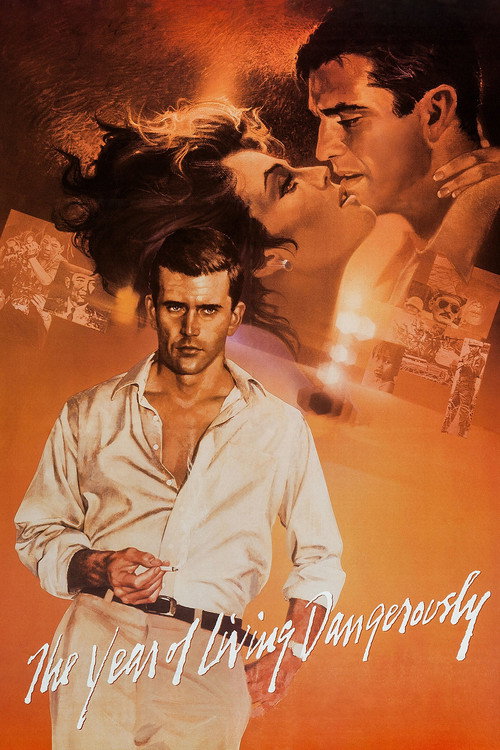
The Year of Living Dangerously1982
Contemporaneous portrait of a nation in upheaval through foreign eyes. Mel Gibson's journalist navigates Jakarta's political chaos with the same moral uncertainty that defines Boat People, though this is more romantic and less punishing.
But The romance subplot softens the political inquiry, and Gibson's star power can feel at odds with the weight of what's happening around him.
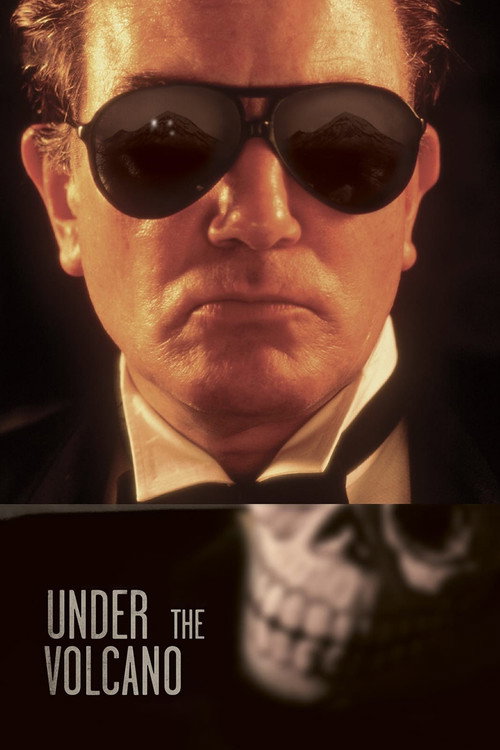
Under the Volcano1984
Albert Finney's consul in Mexico, like Hui's photojournalist, watches catastrophe unfold with increasing helplessness. A fever dream of a film about the impossibility of stepping outside history. Devastating in a different key.
But Deliberately airless and repetitive; it circles rather than progresses, which is the point but requires patience to accept.
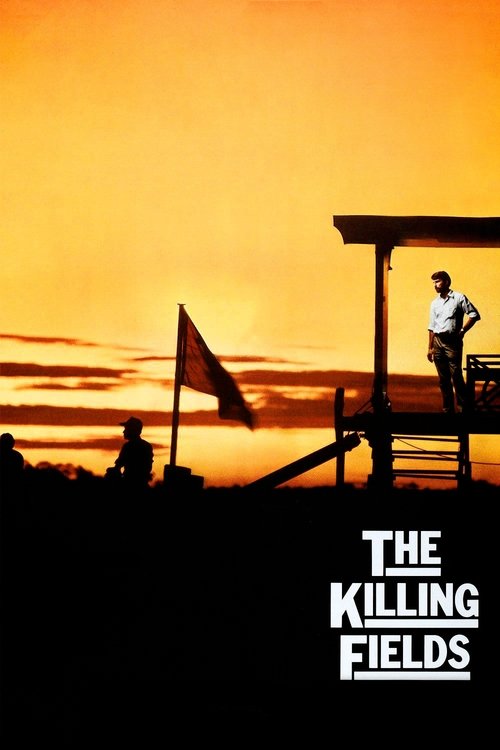
The Killing Fields1984
A Western journalist and his Cambodian translator navigate the Khmer Rouge's rise. Harrowing, urgent, and morally complex—it asks what we owe to those we abandon. Shares Boat People's refusal to sentimentalize tragedy.
But Based on real events of almost incomprehensible brutality. Not cathartic. Leaves you wrung out.
Not sure tonight? Get a pick in a minute, starting from Boat People
The wildcard
Something you would not have found on your own.
Sans Soleil1983
Both are witness films obsessed with the gap between what the camera sees and what the heart understands. Both refuse to resolve their moral questions. Both understand that documentation is never innocent.
Chris Marker's essayistic documentary is a collage of global unrest—Guinea-Bissau, Capetown, Vietnam—bound by a female voice reading letters about memory and history. It's formal innovation as moral philosophy. Cinema about cinema thinking about politics.
But No narrative. No interviews. Demands active interpretation. If you need to be guided, you'll feel lost. Many people find it impenetrable on first viewing.

More like this (8)
Stalker1979
Tarkovsky's meditative science-fiction parable about desire and conscience. Like Boat People, it trusts the camera to hold on suffering and uncertainty. A film that respects your intelligence enough not to explain itself.
But Three hours of deliberate pacing. If you need momentum or resolution, this will feel glacial to the point of torture.

Come and See1985
Elem Klimov's Belarusian masterpiece about a boy conscripted into war. Formally innovative, morally uncompromising, and among cinema's truest accounts of what violence does to the soul. A peer to Hui's unflinching eye.
But Nearly unwatchable in its intensity. The final twenty minutes are a trial. Not a film you enjoy; a film that changes you.

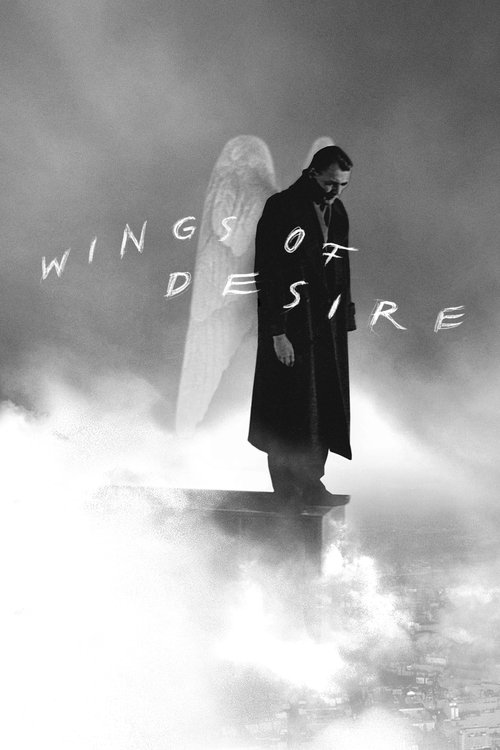
Wings of Desire1987
Wenders observes divided Berlin through angels and mortals, blending documentary and fable. Quieter than Boat People but animated by the same question: what does it mean to witness suffering you cannot prevent?
But Philosophically abstract. If you're looking for narrative thrust or character development in the conventional sense, you'll be disappointed.
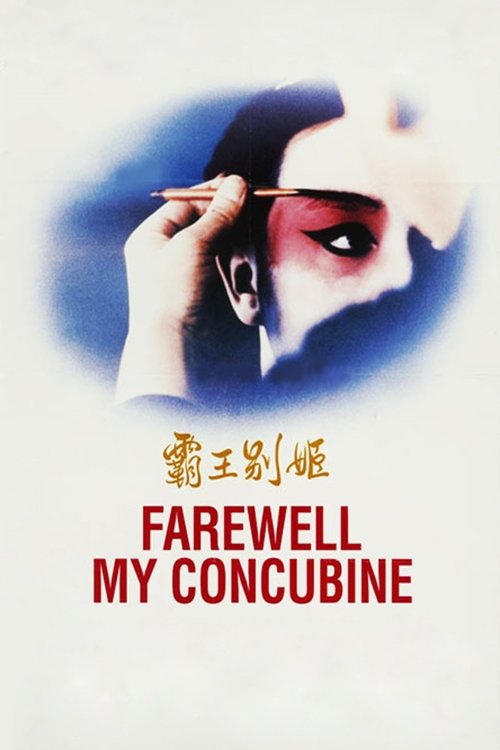
Farewell My Concubine1993
Chen Kaige's epic of two Peking Opera actors navigating China's ideological upheavals. A grander canvas than Boat People but asking similar questions about survival, complicity, and art in catastrophic times.
But Nearly three hours, and melodrama mingles with history in ways that can feel operatic rather than clarifying.
Timing
Ann Hui's follow-up with Andy Lau returns to questions of displacement and belonging in Hong Kong. Quieter, more interior than Boat People, but animated by the same precision of observation and moral attention.
But Deliberately low-key. A film about what isn't said and what people carry. Requires you to meet it half-way.

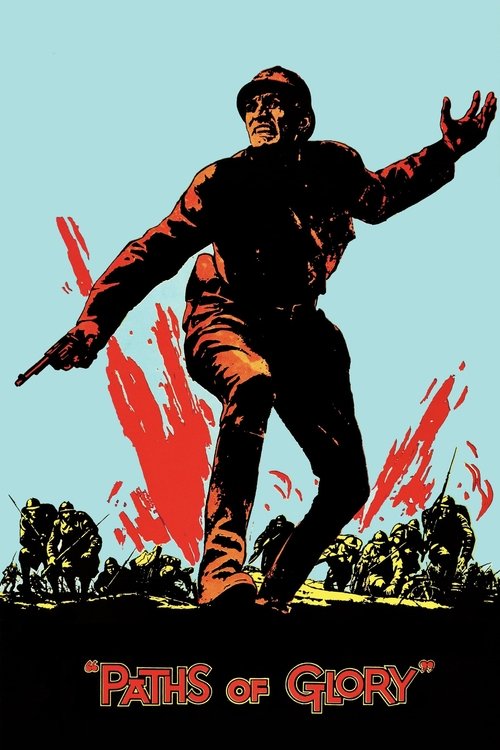
Paths of Glory1957
Kubrick's court-martial drama is a formally precise dissection of conscience and power. Not about Vietnam, but about the machinery that grinds individuals into submission. A spiritual ancestor to Hui's moral clarity.
But Formally rigorous to the point of coldness. Some find its perfection alienating rather than moving.
Floating Clouds1955
Both centre on the invisible violence of aftermath. Both use the long shot to capture isolation. Both trust that watching is enough—that seeing someone's difficulty is the entire point.
Mikio Naruse's Japanese melodrama traces the wreckage of a woman's postwar life—love, displacement, illness. Utterly still, visually restrained, emotionally devastating. A film about survival that predates Boat People by 27 years but shares its refusal to offer comfort.
But No plot in the modern sense. Watching it is like watching someone slowly disappear. If you need agency or hope, this offers neither.

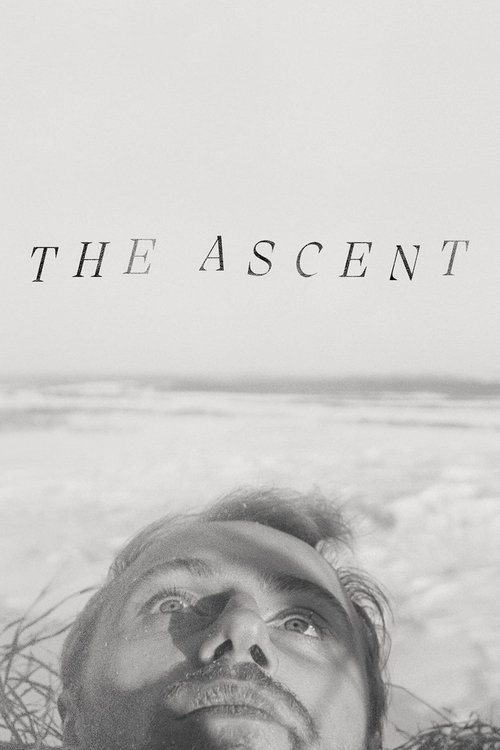
The Ascent1977
Both understand that cinema is about what happens when you point a camera at human dignity under siege. Both refuse easy answers. Both use landscape and stillness as a form of argument.
Larisa Shepitko's Soviet film about two partisan monks climbing a mountain toward execution is a spiritual and political fable of extraordinary intensity. Black-and-white, 104 minutes, apocalyptic in tone. Not about Vietnam but about faith under totalitarian weight.
But Deeply religious and philosophically demanding. Shot with such austerity it can feel almost abstract. You must surrender to its mood or it will exhaust you.
People
Cast
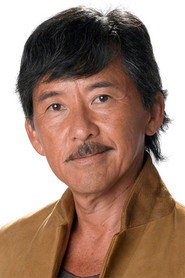 George Lam Tsz-CheungShiomi Akutagawa
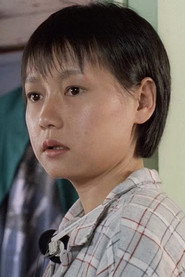 Season MaCam Nuong
 Cora MiaoNguyen's Mistress
 Andy LauTo Minh
- Tung-Sheng ChangDoctor
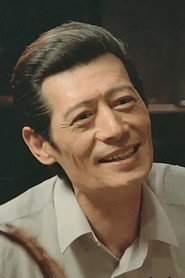 Qi MengshiComrade Nguyen
 Jialing HaoCam Nuong's Mother
- Jia MeiyingLe Van Quyen
 Lin ShujingComrade Wu
- Tao LinLeader of Team 16
Directing
- Stanley Kwan Kam-PangAssistant Director
- Ann HuiDirector
Writing
- Chiu Kang-ChienScreenplay
Production
- Hsia MengProducer