
Film
Carol of the Bells
A 2023 Ukrainian-Polish drama tracing how three families—Polish, Ukrainian, and Jewish—shared a house in prewar Stanislaviv through Nazi and Soviet occupation. It follows their attempts to protect each other as horror closes in, grounded in the real history behind the carol's transcendent melody. Intimate, devastating, and anchored by ordinary people choosing humanity.
Should you watch it?
Watch it if you want a quietly sorrowful wartime family story where a shared house and a carol carry the emotional weight, and you can sit with history told through ordinary domestic life.
Skip it if you need a brisk plot or a festive, feel-good lift; this one lingers on suffering and grief, and its sentiment may feel heavy-handed to some viewers.
What it asks of you: Settle in for a long, unhurried two hours at a steady pace, with scenes that stay on faces and silences rather than racing ahead.
Not sure? Find tonight's pick in a minute.
If you liked this
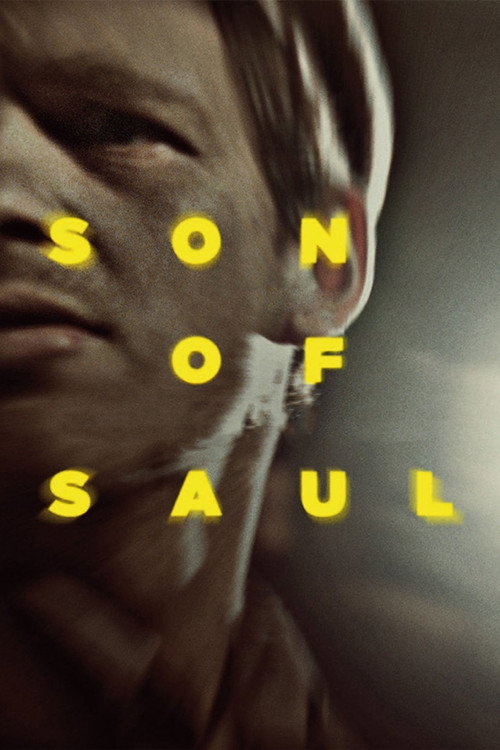
Son of Saul2015
Hungarian filmmaker Lázsló Nemes created an unbearably intimate Holocaust film told almost entirely from one man's perspective as he works in Auschwitz. Like Carol of the Bells, it refuses spectacle and finds moral weight in individual acts of defiance and protection.
But The approach is deliberately claustrophobic and you see almost nothing directly. Long stretches are visually and emotionally grinding. Not a film that offers catharsis.
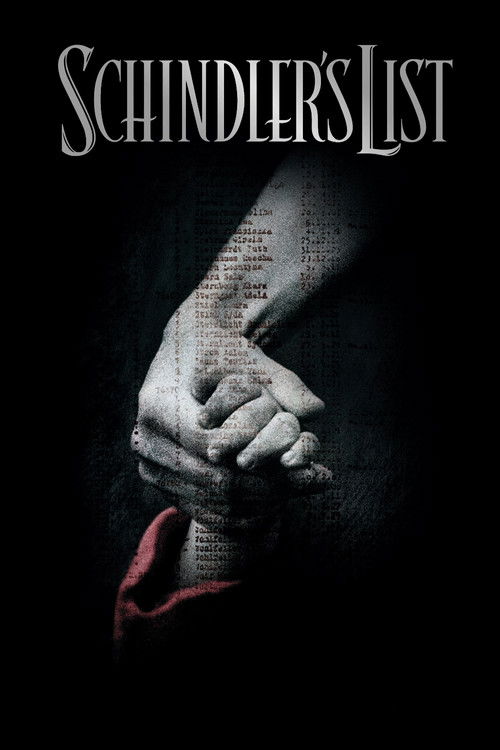
Schindler's List1993
Spielberg's three-hour chronicle of a businessman who saves over a thousand Polish-Jewish refugees from the Holocaust. It has the same architecture as Carol: ordinary people in proximity to atrocity, choosing to act, the weight of life and death in small decisions.
But It's canonical and familiar to many. The tonal shifts between horror and hope can feel uneven. Some find its approach too conventional for its subject.
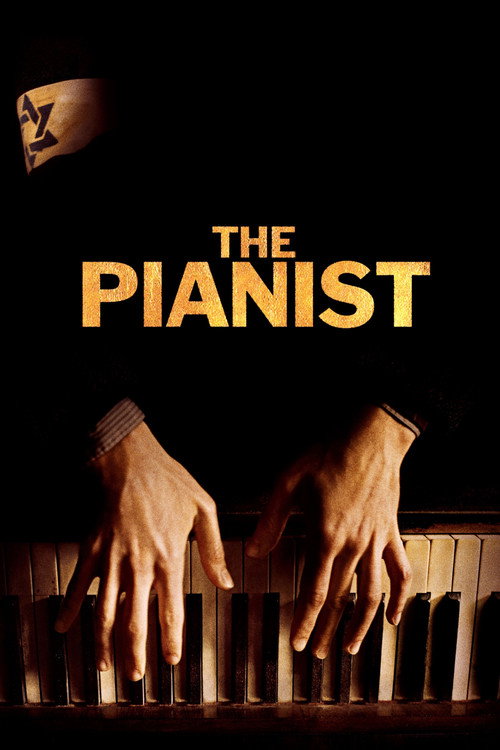
The Pianist2002
Roman Polanski's film follows a Jewish Polish musician through Warsaw's occupation and ghetto, survival, and the bonds that sustain him. Spare, unsentimental, focused on the texture of survival rather than grand statements about resistance.
But It's quiet to the point of numbness in stretches. Some viewers find the protagonist's passivity frustrating. The film doesn't offer much emotional release.
Not sure tonight? Get a pick in a minute, starting from Carol of the Bells
The wildcard
Something you would not have found on your own.
Come and See1985
Both films document the erasure of communities and shared life. Where Carol finds grace in protection, Come and See finds only the raw wound of loss. They're asking the same question from opposite angles.
Elem Klimov's Soviet masterpiece follows a boy conscripted into the Red Army as he witnesses the obliteration of his village and people. It's the most visceral and spiritually annihilating war film ever made. Carol of the Bells explores similar ground—the destruction of a shared world—but Come and See does it without restraint, making the comparison devastating.
But It is genuinely hard to watch. The violence is not metaphorical. Many viewers find it unwatchable. It demands to be seen once and rarely revisited.

More like this (8)
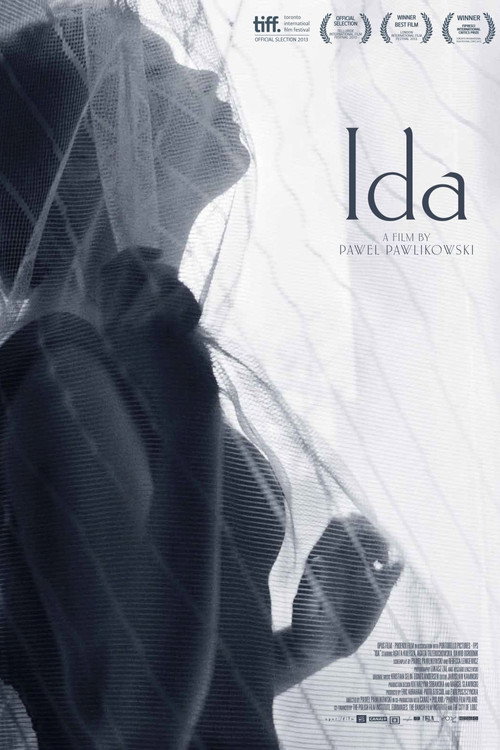
Ida2013
A Polish nun discovers her family was Jewish and perished in the Holocaust. Shot in black and white, it's a meditation on identity, loss, and what we owe the dead. The restraint and moral complexity mirror Carol's approach.
But It's extremely slow and demands patience. The pacing can feel glacial. Some find the ambiguous ending unsatisfying rather than thought-provoking.
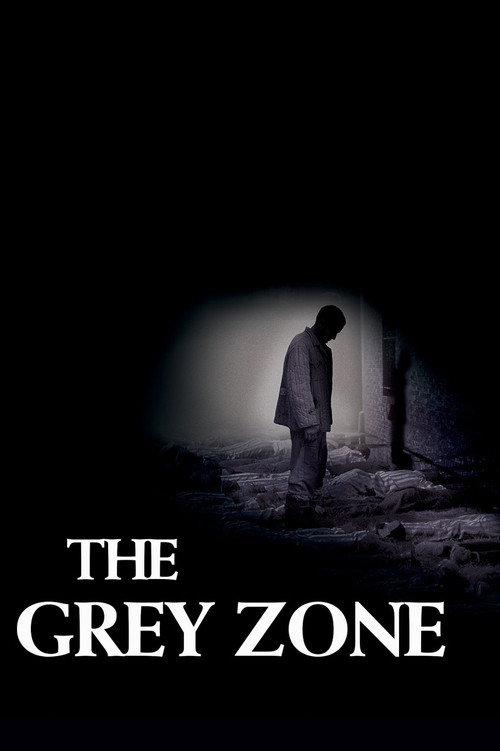
The Grey Zone2001
Tim Blake Nelson's film centers on the Sonderkommando—Jewish prisoners forced to manage the gas chambers—and their impossible moral choices. It examines complicity and resistance with unflinching complexity, much like Carol's portrait of ordinary people in extremity.
But It's brutal and uncompromising. There are no heroes, only survivors and the damned. The film doesn't offer comfort or clear moral lessons.
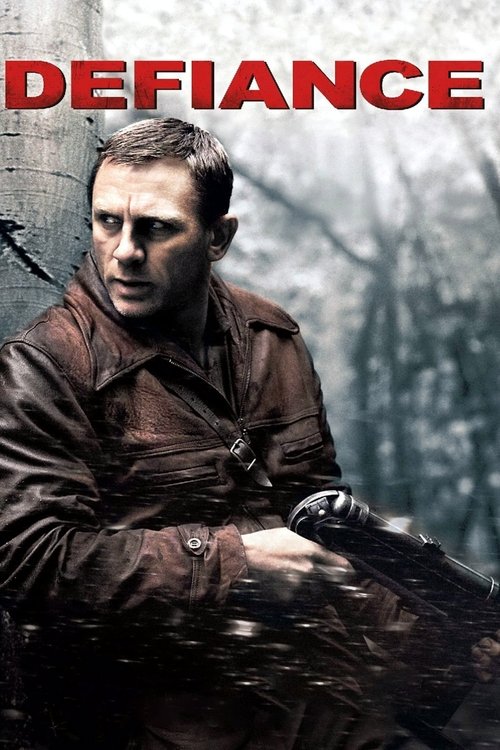
Defiance2008
True story of three Jewish brothers who flee into the forest and build a community of refugees during Nazi occupation. It balances survival horror with moments of community and resistance—the same emotional range Carol inhabits.
But It tips toward adventure and heroism more than Carol does. Some find it melodramatic. The pacing can feel episodic and uneven.
The Farewell2019
Lulu Wang's film about a Chinese family grappling with mortality and how to protect loved ones through deception. Like Carol, it's about the quiet moral choices families make together and how love operates across cultural and linguistic divides.
But It's contemporary rather than historical. The tone blends comedy and pathos, which may feel tonal whiplash if you're seeking unbroken seriousness.

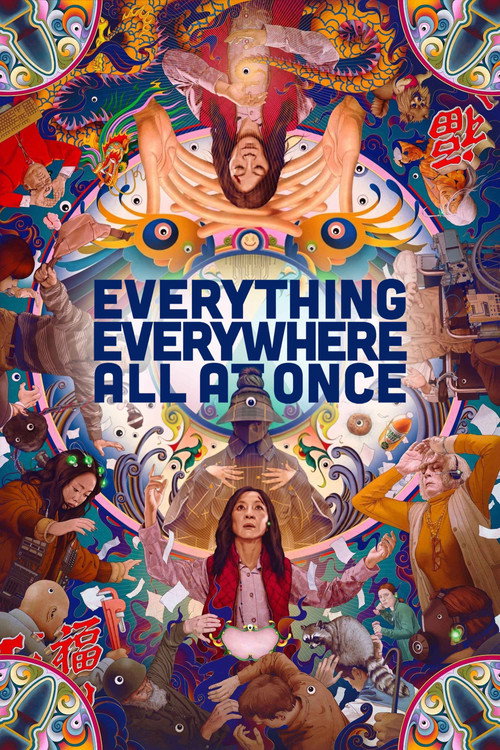
Everything Everywhere All at Once2022
A maximalist film about connection, sacrifice, and what we owe the people we love across impossible circumstances. Thematically it mirrors Carol's insistence that love and small acts matter even when everything is collapsing.
But It's visually and conceptually overwhelming. The multiverse framing may feel gimmicky. It's sci-fi pastiche rather than historical drama, a very different register.
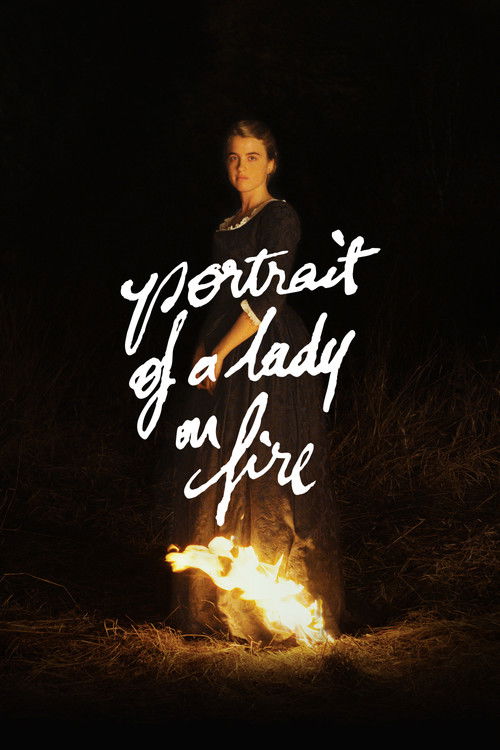
Portrait of a Lady on Fire2019
Céline Sciamma's film about an artist painting a young woman's portrait contains scenes of quiet intimacy and unspoken understanding between people in constrained circumstances. It shares Carol's focus on human connection amid external pressure.
But It's a period romance with no plot momentum. Very little happens. If you need narrative propulsion, this will frustrate you.
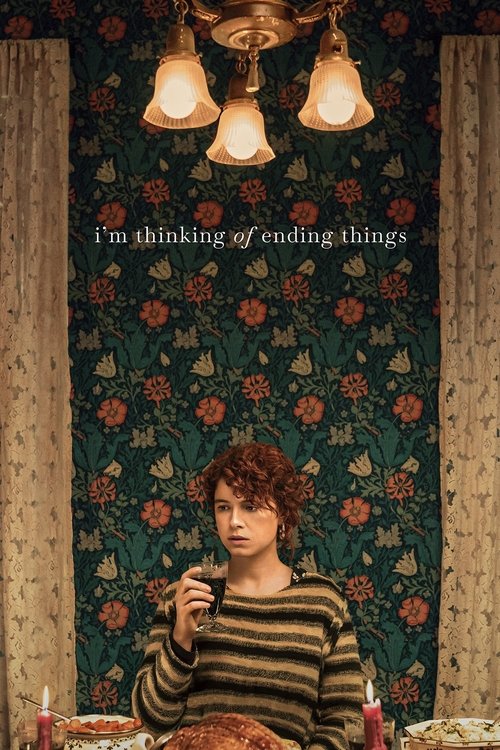
I'm Thinking of Ending Things2020
Both films are about people existing in proximity during moments of pressure—whether historical atrocity or quiet domestic dread. Both use restraint and atmosphere rather than exposition. Both trust the viewer to sit with unease.
Charlie Kaufman's film is a woman's internal monologue during a car ride to meet her boyfriend's parents, layered with philosophical musings, memory, and dread. It's formally experimental and deeply concerned with how we narrate our own lives and what we owe others emotionally.
But It's oblique and circular. Plot is not the point. If you need clarity or conventional narrative satisfaction, this will feel like pretentious nonsense.
The Ascent1977
Both films are set during Nazi occupation of Eastern Europe and ask what survives when everything is taken. Carol focuses on human connection and mutual protection; The Ascent asks what faith remains after catastrophe. They're meditating on the same moment from radically different interior angles.
Andrei Tarkovsky's meditation on faith follows two Soviet partisans on a spiritual journey through occupied Poland during WWII. Shot in black and white with long, hypnotic takes, it moves at the speed of thought rather than action. It's about belief, sacrifice, and whether meaning survives obliteration.
But It's one of cinema's slowest films. Dialogue is sparse. If you're seeking plot or conventional drama, you'll find only philosophy and static shots of landscape. It requires total surrender to Tarkovsky's pace.

People
Cast
 Yana KoroliovaSofiia Ivaniuk
 Andrii MostrenkoMykhailo Ivaniuk
 Polina GromovaYaroslava Ivaniuk
 Joanna OpozdaWanda Kalinowska
 Mirosław HaniszewskiWaclaw Kalinowski
- Khrystyna UshytskaTeresa Kalinowska
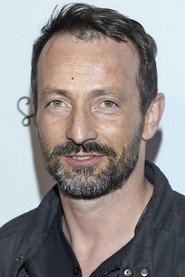 Tomasz SobczakIsaac Herszkowicz
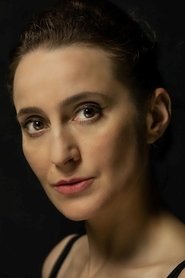 Alla BinieievaBerta Herszkowicz
- Evgeniya SolodovnikDinah Herszkowicz
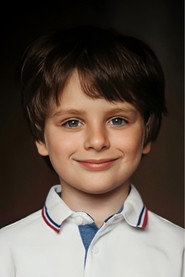 Timofey DmitrienkoHeinrich Krampe
- Jakob WalserWalter Krampe
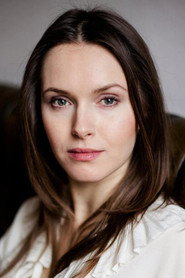 Janina RudenskaIrma Krampe
Directing
- Olesya MorhunetsDirector
Writing
- Kseniya ZastavskayaWriter
Production
- Artem KoliubaievProducer
- Maksym LeshchankaProducer
- Taras BosakProducer