
Film
The Ister
- Western
- Slow-burning
A three-hour philosophical journey up the Danube, from Black Sea to Black Forest, grappling with Heidegger's legacy and what it means to think about Europe after catastrophe. Four French intellectuals travel and talk, building arguments across landscape and history. Dense, demanding, occasionally transcendent—for viewers hungry to think hard about the twentieth century and its inheritance.
Should you watch it?
Watch it if you enjoy long, talky essay films where the argument unfolds slowly through landscape, and you don't mind following a dense web of ideas about history and Europe without being handed the answers.
Skip it if the wall of philosophical argument is relentless, with little plot, few people beyond four talking heads, and nearly three hours of thinking aloud that may test your patience.
What it asks of you: Roughly three hours and nine minutes of unhurried travel footage under dense spoken argument, with little rush and few easy handholds along the way.
Not sure? Find tonight's pick in a minute.
If you liked this
Sans Soleil1983
Chris Marker's essay-film meditates on memory, travel, and ideology across continents. Like The Ister, it refuses easy conclusions, layering voice, image, and philosophy into something that asks more than it answers. Restless, intelligent, alive to paradox.
But It's also three hours of densely layered material that demands active attention. If you need narrative momentum or closure, this will feel maddening rather than liberating.

Stalker1979
Tarkovsky's film is also a journey into metaphysical mystery, where a spiritual quest becomes inseparable from landscape and time. Both films trust the viewer to sit with slowness and let meaning emerge rather than announce itself. Hypnotic.
But At 163 minutes of minimal plot and maximum contemplation, it's easy to mistake for boredom. Patience is not optional.

Shoah1985
Lanzmann's nine-hour documentary confronts European history through testimony and geography, refusing both easy mourning and false resolution. Like The Ister, it treats philosophical and historical reckoning as inseparable from physical place and time spent there.
But It documents the Holocaust with unflinching directness. The emotional weight is immense, and some viewers find Lanzmann's methods—long silences, repeated questioning—punishing rather than illuminating.

Not sure tonight? Get a pick in a minute, starting from The Ister
The wildcard
Something you would not have found on your own.
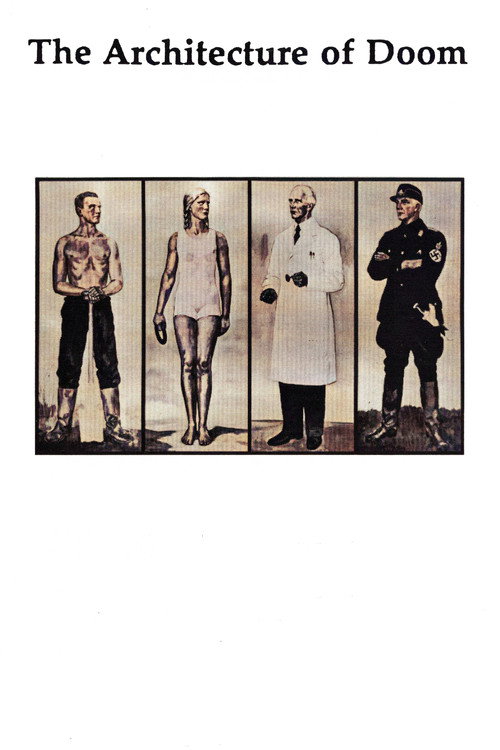
The Architecture of Doom1989
Both films reckon with Heidegger's shadow and the possibility of European thought after Nazism. The Ister does it through landscape and living dialogue; this film does it through the visual record of what ideology made beautiful.
Peter Cohen's essay-documentary uses Nazi aesthetics and architecture to argue that Fascism was a diseased art movement before it was political. It tackles Heidegger's problem—how to think about beauty and culture after they were weaponized—from a radically different angle: not philosophy but visual history.
But It's formally collaged and deliberately repetitive, using the grammar of cinema itself to show how aesthetics can become propaganda. Some find it brilliant; others find it manipulative or overwrought.
More like this (7)
The Death of Klinghoffer2003
A risky operatic meditation on terrorism, victimhood, and history that refuses to simplify competing claims. Like The Ister, it asks whether art can engage with atrocity without resolving it, and whether contradiction is honest.
But The subject matter is inflammatory, and some viewers find the opera's formal beauty inappropriate to the violence it depicts. It will disturb and divide.
Synecdoche, New York2008
Kaufman's film spirals through nested realities and the impossibility of representing interiority, accumulating meaning like silt. Like The Ister, it trusts philosophical confusion as a legitimate response to experience rather than something to resolve.
But It's deliberately hermetic and elliptical. If you're watching for clarity or catharsis, you're watching the wrong film, and the three-hour runtime will feel like punishment.

My Name Is Khan2010
A road movie across America that's also a meditation on belonging, identity, and how nations imagine themselves. It combines physical journey with philosophical questioning about home and acceptance in ways that echo The Ister's methods.
But It's also a Bollywood melodrama with songs and sentiment. If you're expecting pure philosophy, the emotional registers will feel contradictory or too earnest.
The Turin Horse2011
Béla Tarr's final film is a bleak, philosophical inquiry into decline and meaning, shot in black and white with minimal dialogue. It shares The Ister's willingness to let absence and silence speak as loudly as ideas.
But It's relentlessly grim and offers no consolation. The pacing is glacial, and some will experience it as pretentious rather than profound.

A Gentle Creature2017
Valeska Grisbach's austere portrait of a woman's relationship to place and identity in post-Soviet Eastern Europe. Understated and philosophically alert, it shares The Ister's conviction that landscape and history are inseparable from consciousness.
But Almost nothing happens in the conventional sense. It requires patience and will feel remote to viewers seeking emotional immediacy or plot.
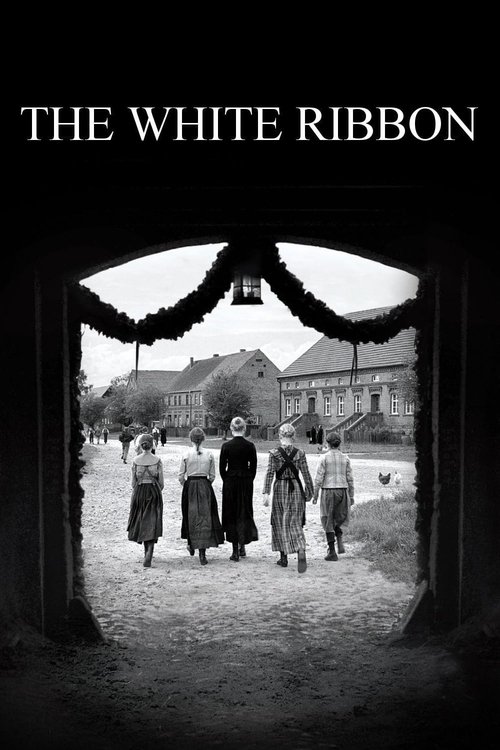
The White Ribbon2009
Both are three-hour European films obsessed with Germany's past and future, and both insist that understanding requires endurance and discomfort. The Ister travels geography; this one travels time.
Haneke's film is a black-and-white parable about violence, childhood, and moral rot in a German village before 1914. Like The Ister, it refuses to explain evil away and treats landscape (village and forest) as inseparable from historical injury and the question of what we owe the future.
But At three hours, it's methodical and cold. Haneke withholds empathy as a formal choice, and many viewers experience it as punitive rather than illuminating.
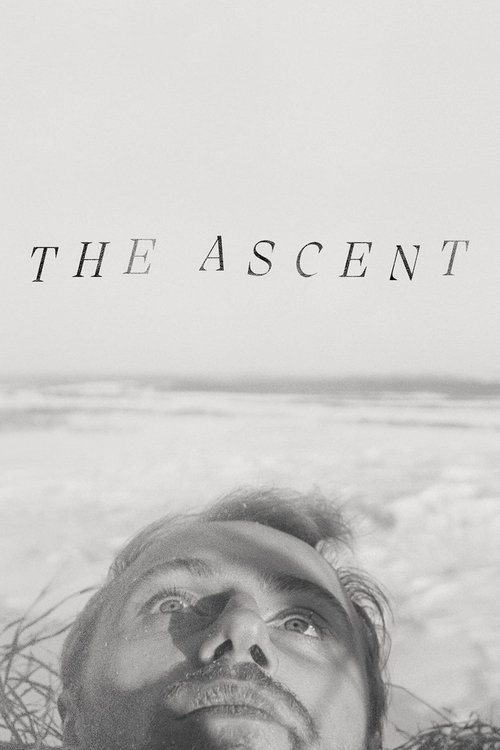
The Ascent1977
Where The Ister travels a great river asking what Europe might mean, this film follows two men walking toward their own annihilation, asking what meaning can survive it. Both treat the body moving through landscape as a way of thinking about history.
Larisa Shepitko's Soviet film follows two Soviet partisans walking through occupied Belarus toward their fate, meditating on sacrifice, faith, and the body's vulnerability to history. It's spiritual and pitiless, and shares The Ister's conviction that physical journey and metaphysical struggle are the same thing.
But It's visually severe, almost defiantly bleak. The philosophy is Russian Orthodox and uncompromising, which may alienate viewers expecting Western humanist reassurance. Also, it documents martyrdom unflinchingly.
People
Cast
- Philippe Lacoue-LabartheHimself
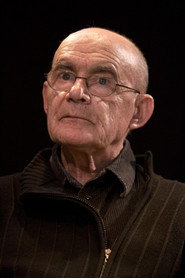 Jean-Luc NancyHimself
- Bernard StieglerHimself
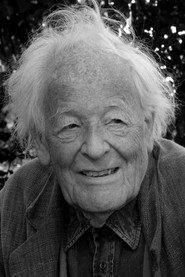 Hans-Jürgen SyberbergHimself
Directing
- Daniel RossDirector
- David BarisonDirector
Writing
- Daniel RossScreenplay
Production
- Daniel RossProducer
- David BarisonProducer