
Film
The Architecture of Doom
- Crime
- Very dark
A 1989 documentary that traces how Hitler's failed artistic ambitions shaped Nazi ideology, aesthetics, and ultimately atrocity. Using archival footage and narration in four languages, it maps the terrifying through-line from artistic censorship to genocide, showing how totalitarianism weaponizes beauty. Essential and unflinching.
Should you watch it?
Watch it if you are drawn to essays about how ideas, images and buildings can seduce a society, and you want the argument pieced together patiently from archive material rather than a dramatised story.
Skip it if you want a human story with characters to follow, since this is an argument built from old footage and a voice-led commentary rather than people you come to know.
What it asks of you: Expect close, unhurried attention for its full two hours, with narration shifting between languages and slow, lingering images that grow heavier as the film goes.
Not sure? Find tonight's pick in a minute.
If you liked this
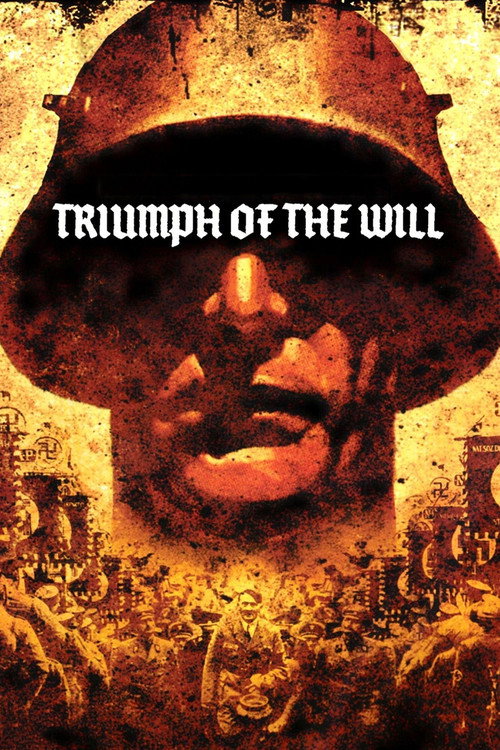
Triumph of the Will1935
Leni Riefenstahl's propaganda masterpiece—the film Hitler commissioned to document the 1934 Nuremberg rally. Essential viewing to understand the aesthetic seduction *Architecture* anatomizes. Technically brilliant and morally horrifying.
But Watching Nazi propaganda, even critically, is uncomfortable by design. Its power to move you is part of what makes it dangerous and necessary to confront.
Night and Fog1956
Alain Resnais's 32-minute essay film confronts the Holocaust through the architecture of Auschwitz itself. Quietly devastating, it shares *Architecture of Doom*'s thesis that buildings and design encode ideology into stone.
But Extremely heavy, very short but emotionally exhausting. Not a film you watch for catharsis—you watch it to be changed.

The Act of Killing2012
Joshua Oppenheimer's documentary lets Indonesian death squad leaders recreate their own murders on film. Like *Architecture*, it explores how perpetrators aestheticize atrocity and construct narratives to live with themselves.
But Morally vertiginous and genuinely disturbing. The filmmaking method—giving monsters the stage—will unsettle you, intentionally.

Not sure tonight? Get a pick in a minute, starting from The Architecture of Doom
The wildcard
Something you would not have found on your own.
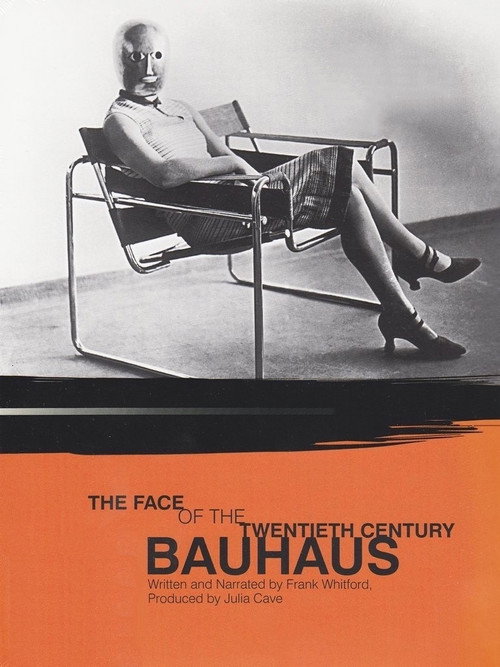
Bauhaus: The Face of the Twentieth Century1994
Direct ideological opposition: *Architecture* traces how totalitarianism weaponizes beauty; Bauhaus shows the radical, democratic beauty it tried to erase.
Documentary exploring the Bauhaus school of design—the modernist movement Hitler called 'degenerate.' *Architecture of Doom* shows what Nazis destroyed; this shows what they feared and why. Two halves of the same argument.
But Less gripping as narrative cinema. It's more scholarly and design-focused, so if you want visceral impact over intellectual archaeology, it drags.
More like this (8)
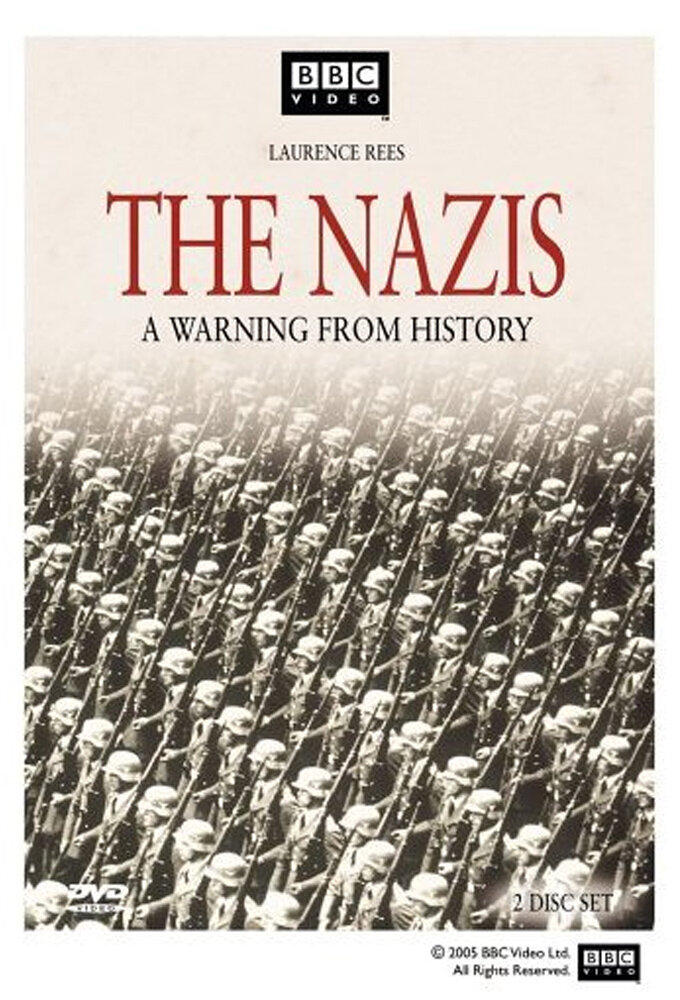
The Nazis: A Warning from History1997
BBC documentary series that contextualizes how ordinary people enabled extraordinary evil. More accessible than *Architecture*, it offers historical grounding for understanding the ideological machinery depicted.
But Six episodes is a commitment. Some material overlaps with *Architecture*, so it feels slightly redundant if you've just watched that.
Shoah1985
Claude Lanzmann's nine-and-a-half-hour oral history of the Holocaust through survivor and witness testimony. A masterwork that refuses archival footage, forcing us to listen instead of hide behind images.
But Its length is not decoration—it's the point. Watching requires genuine endurance and emotional availability. Not for background viewing.

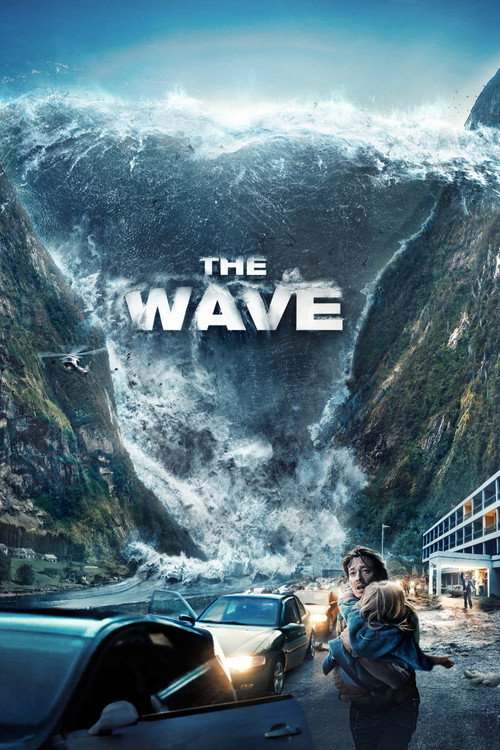
The Wave2015
German film about a high school teacher who recreates fascist group dynamics in a week to show students how easily authoritarianism takes root. Direct, intelligent, chilling in its immediacy.
But The didacticism can feel heavy-handed. It's less ambiguous and probing than *Architecture*, more interested in clear lessons.
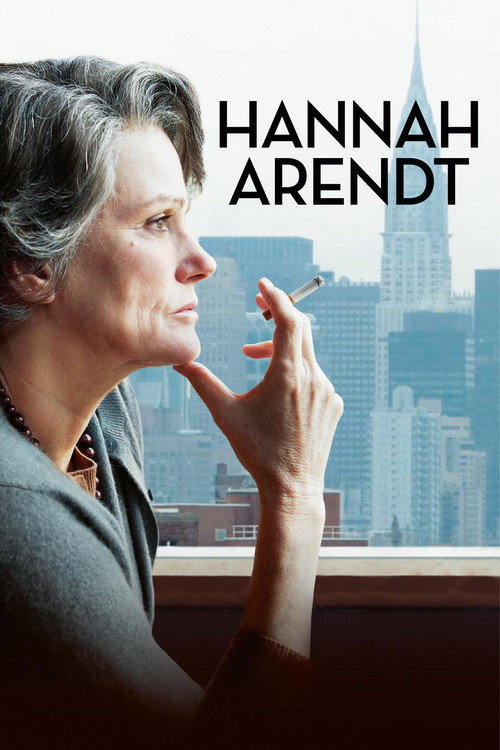
Hannah Arendt2012
Portrait of the philosopher attending Eichmann's trial and grappling with the banality of evil. Intellectual and searching, it asks how ideology corrupts thought itself.
But Philosophically dense and deliberately paced. If you want visceral impact over conceptual depth, this won't satisfy that.
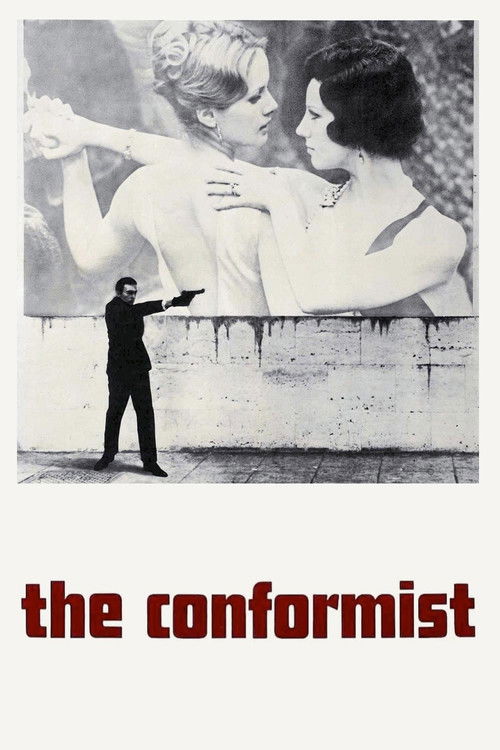
The Conformist1971
Bernardo Bertolucci's masterpiece about a man who embraces fascism for social belonging. Aesthetically gorgeous and morally complex, it shows how ideology seduces through beauty and belonging, not just coercion.
But Slow, sexually explicit, and ambiguous about its protagonist's culpability in ways that can feel morally slippery. Not a comfortable watch.
Come and See1985
Soviet war film following a boy through the Nazi invasion of Belarus. Brutally visceral and hallucinatory, it captures the senseless destruction that ideology produces on the ground.
But Relentlessly traumatic and graphic. One of the most harrowing films ever made—approach only if you're prepared for that.

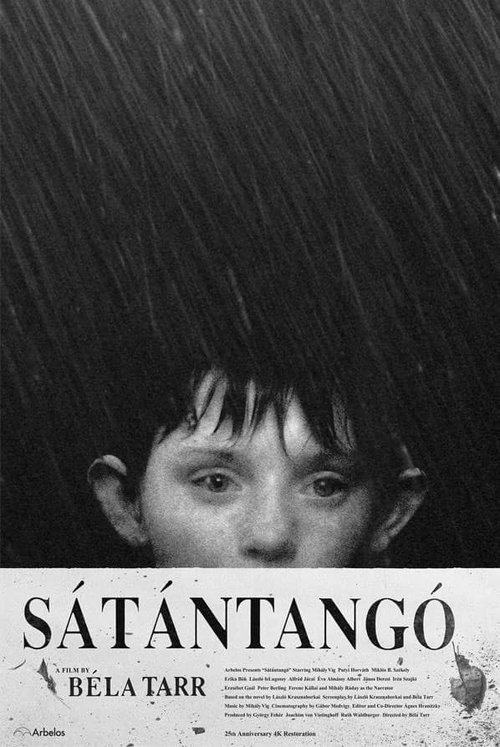
Satantango1994
Both explore how totalizing systems colonize beauty, architecture, and human desire—one through documentary evidence, one through metaphysical cinema.
Béla Tarr's seven-and-a-half-hour Hungarian film about a community in spiritual and moral collapse after communism. Like *Architecture*, it examines how ideology structures space and crushes individual will, but through philosophical poetry rather than history.
But Glacially paced black-and-white film with minimal dialogue. If you want *Architecture* as a thriller, this is the opposite: elliptical, patient, difficult.
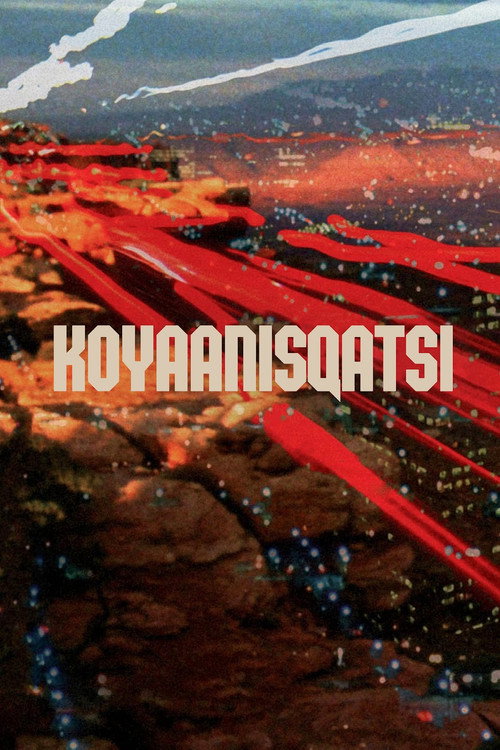
Koyaanisqatsi1983
Both ask: how do large systems aestheticize their own logic? *Architecture* shows this through fascism; *Koyaanisqatsi* shows it as a universal condition of modernity itself.
Godfrey Reggio's experimental film—no dialogue, only images and Phillip Glass's score—about how systems (industrial, technological, social) dehumanize and homogenize existence. It's *Architecture of Doom* stripped of history and made abstract and prophetic.
But No narrative, no explanation, entirely dependent on your willingness to sit with image and music. Some find it pretentious; many find it boring before it becomes transcendent.
People
Cast
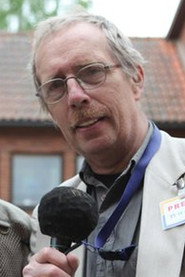 Rolf ArseniusSwedish narrator (voice)
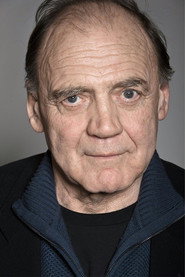 Bruno GanzGerman narrator (voice)
 Jeanne MoreauFrench narrator (voice)
- Sam GrayEnglish narrator (voice)