
Television series
The Nazis: A Warning from History
- Crime
- Very dark
A six-part BBC documentary that dismantles myths about Nazi Germany by examining how it rose, ruled, and fell. Through archival footage and interviews with survivors and participants, it shows how a civilized nation became capable of industrial-scale atrocity. Essential viewing for understanding how ordinary systems enabled extraordinary evil.
Should you watch it?
Watch it if you want a clear-eyed, archive-driven account of how ordinary people and a cultured society made atrocity possible, and you're willing to sit with uncomfortable testimony rather than dramatized reconstruction.
Skip it if you need narrative momentum or a gentle entry point into the period, since this is a sober, talking-head-heavy history with grim material and little warmth.
What it asks of you: Six hour-long episodes demanding close attention; dense testimony and archive footage reward alertness rather than letting it wash over you, and it moves unhurriedly.
Not sure? Find tonight's pick in a minute.
If you liked this
Shoah1985
Claude Lanzmann's nine-hour masterpiece lets Holocaust survivors and witnesses speak at length without narration or music. Their testimonies—raw, precise, occasionally unbearable—are the historical record at its most human and most true.
But Nine hours is a genuine commitment, and there are no easy moments. The film demands patience and emotional stamina; it does not comfort or resolve.

The Act of Killing2012
A documentary that forces Indonesian death-squad leaders to recreate their own mass killings on film. The result is a profound exploration of how perpetrators justify atrocity and construct narratives to live with themselves.
But It's morally vertiginous. Watching men perform their own crimes with casual pride is sickening, and the film does not judge—it observes. That restraint is the point, but it's hard to bear.

Come and See1985
Elem Klimov's Soviet war film follows a boy conscripted into the Red Army as he witnesses the brutal reality of the Eastern Front. It's visually stunning and psychologically devastating—the war film that makes all others seem incomplete.
But It is relentlessly bleak and ends in a place of absolute despair. The violence is graphic and the emotional toll is real. Not a film you watch twice.

Not sure tonight? Get a pick in a minute, starting from The Nazis: A Warning from History
The wildcard
Something you would not have found on your own.
Hannah Arendt2012
Arendt's central insight—that atrocity often results from thoughtlessness rather than demonic intention—is what The Nazis explores through historical evidence. This film dramatizes the moment that insight was born.
Margarethe von Trotta's film dramatizes the philosopher's 1961 coverage of the Eichmann trial, where she coined 'the banality of evil.' It's a portrait of a thinker wrestling with the question of how evil actually works—not as aberration, but as bureaucratic routine.
But It's a talky, intellectual film about a woman in a room thinking and writing. No action, no drama, just ideas. If you want narrative propulsion, you won't find it.

More like this (6)
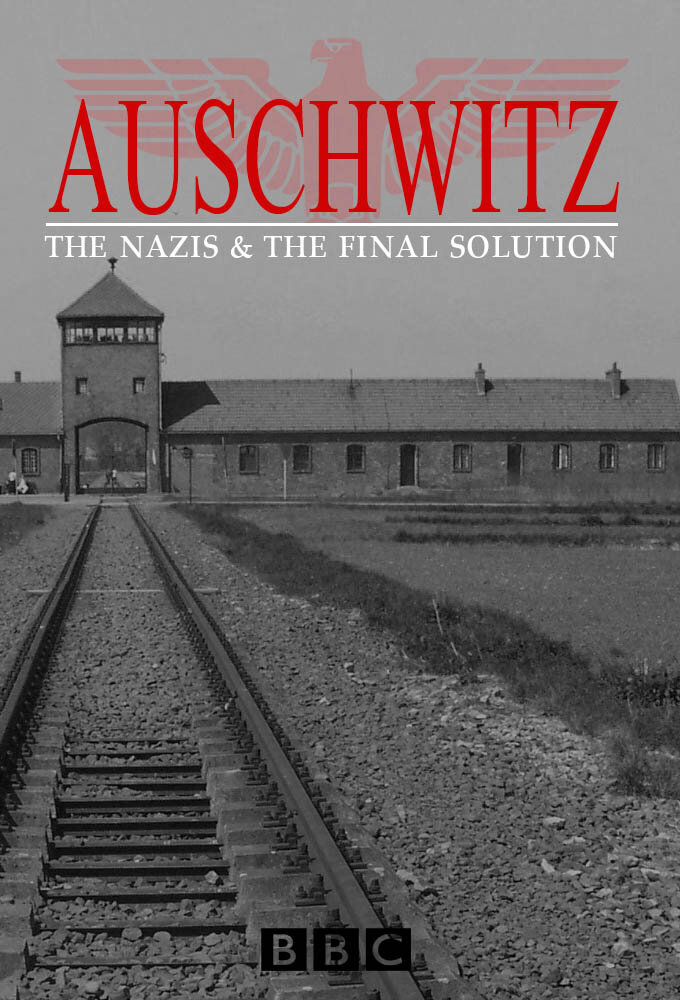
Auschwitz: The Nazis and the Final Solution2005
Laurence Rees combines personal testimony from survivors and perpetrators with forensic historical detail. The result is both intimate and comprehensive—you understand both the system and the human cost.
But Some of the testimony is graphic and disturbing. It's thorough to the point of being exhausting, which is partly the point but partly just a lot to process.
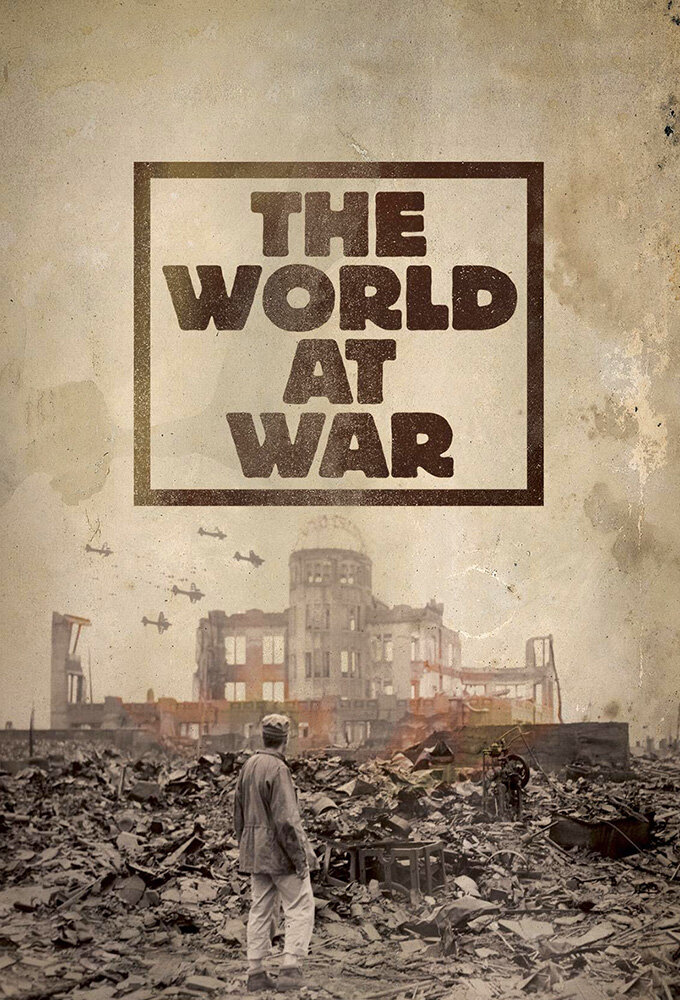
The World at War1973
Thames Television's twenty-six-part series remains the gold standard for World War II documentary. Each episode is a masterpiece of editing and narrative, featuring interviews with soldiers, spies, and civilians from all sides.
But It's dated in style and tone—1970s archival documentary, which is slow by modern standards. You have to settle into its rhythm rather than be grabbed immediately.
Night and Fog1956
Alain Resnais's 32-minute essay film intercuts color footage of abandoned concentration camps with black-and-white archival photography and asks the unbearable question: how did this happen? The answer is more disturbing than any answer could be.
But Its power comes partly from what it doesn't show. Some viewers find the restraint frustrating; others find it the only honest approach to the subject.

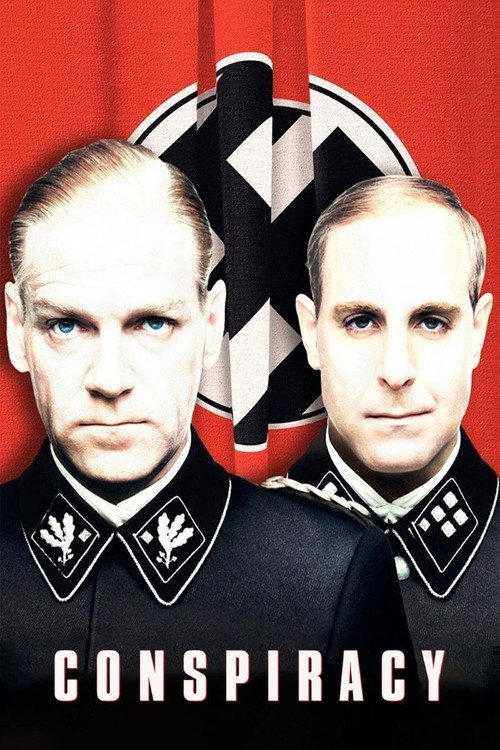
Conspiracy2001
Kenneth Branagh and Stanley Tucci lead a cast playing Nazi bureaucrats at the Wannsee Conference, where the Final Solution was formally organized. It's a chamber piece about evil made banal through procedure and language.
But It's methodical and claustrophobic rather than dramatic. There's no plot to grip you, only the slow horror of watching men discuss genocide as an administrative problem.
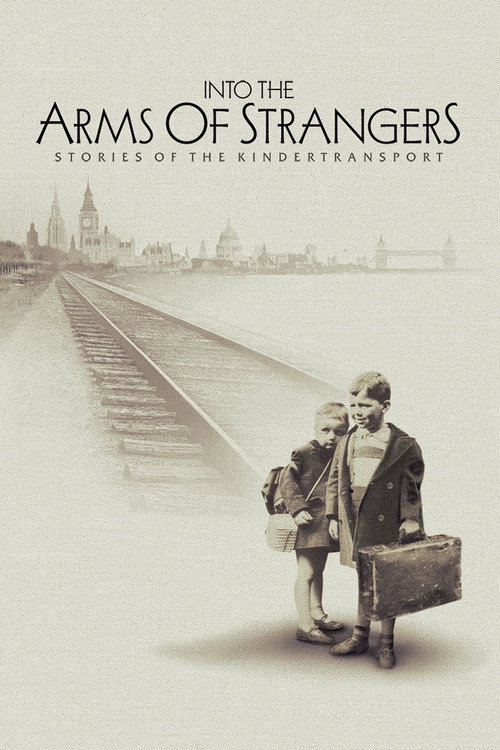
Into the Arms of Strangers: Stories of the Kindertransport2000
A documentary about the trains that carried Jewish children from Nazi Germany to safety in Britain. It's about rescue and loss, and the long shadow those childhood separations cast. It has genuine warmth alongside its gravity.
But It's gentler than other films on this list, which some might feel is a disservice to the subject. Others will find it a necessary counterweight.
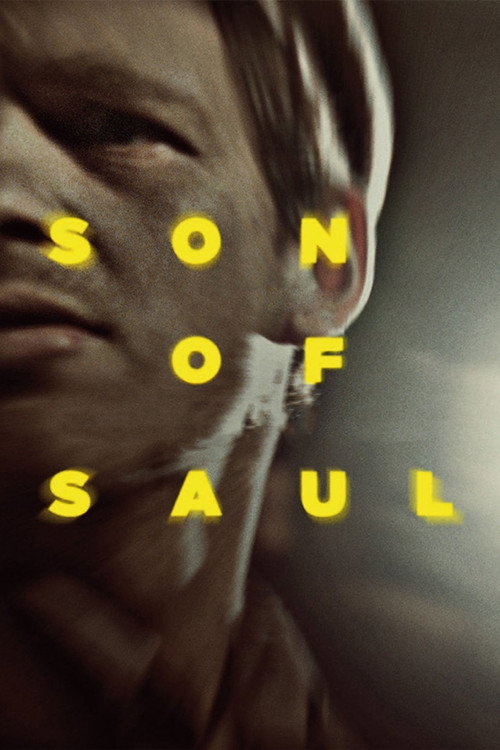
Son of Saul2015
While The Nazis explains the system from above, this film places you inside it from below—in the perspective of someone trapped within the machinery, which makes both works necessary complements.
László Nemes's Hungarian film follows a Sonderkommando—a Jewish prisoner forced to dispose of bodies in Auschwitz—across a single day. Shot in tight close-up with muffled sound, it's formally radical and emotionally devastating. It refuses distance and pity.
But It's shot in a deliberately claustrophobic style that many find unwatchable. The subject matter is unrelenting horror. There is no catharsis and almost no dialogue. It is not meant to console you.
Recommended by
Triumph of the Will, Island at War, The Architecture of Doom, Memory of the Camps