
Film
Memory of the Camps
A 1945 documentary shot by Allied film crews as they liberated Nazi death camps, co-directed by Hitchcock. Forty years later, it was finally broadcast complete. Composed largely of camp footage and survivor testimony, it's unflinching and necessary—the visual record that proves what happened. For anyone seeking to understand the Holocaust's industrial reality, not its abstraction.
Should you watch it?
Watch it if you want the historical record itself, unhurried and unvarnished, and you can sit with footage gathered by the crews who followed the troops into the camps.
Skip it if you need characters and a plot to hold you, since this is a record of images and one narrator's voice rather than a drama.
What it asks of you: Roughly an hour, and it lingers on each image rather than hurrying past, with a measured narrator and no lightness to ease the weight.
Not sure? Find tonight's pick in a minute.
If you liked this
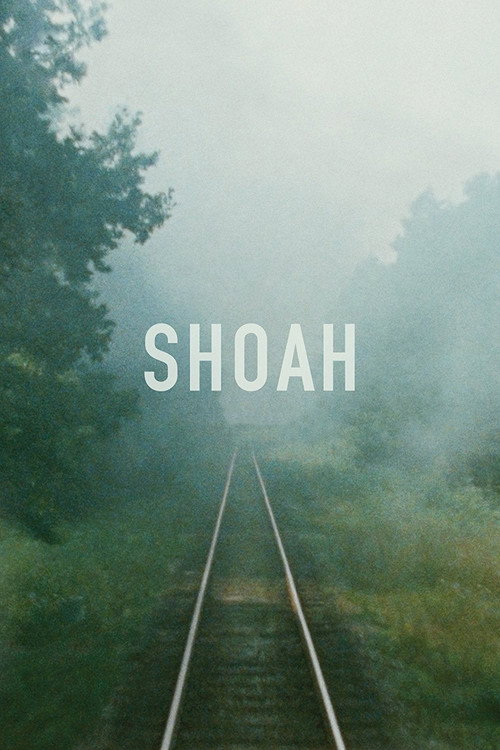
Shoah1985
Claude Lanzmann's nine-hour oral history lets survivors and perpetrators speak at length, building an overwhelming portrait of systematic murder through accumulated testimony and silence. It's patient, brutal, and utterly essential.
But Nine hours is a genuine commitment. Long stretches contain only voices over landscape. It demands active attention and emotional endurance.
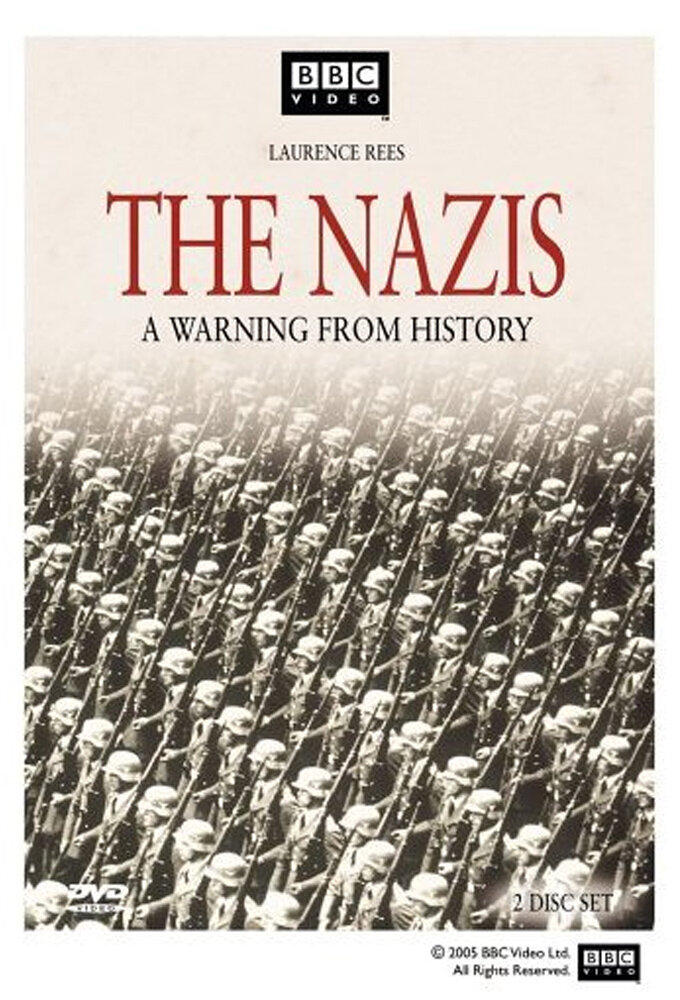
The Nazis: A Warning from History1997
A BBC series that contextualizes the Holocaust within German history and politics, using archive footage, interviews, and analysis to explain how it became possible. Clearer in scope than Memory of the Camps but equally rigorous.
But Broadcast documentary pacing means some segments feel dated in style. It's explanatory rather than experiential.
Night and Fog1956
Alain Resnais's 32-minute essay moves between present-day camp ruins and archival footage, asking how something so monstrous could vanish into landscape and memory. Poetic but never soft. Shattering.
But Its elliptical structure and philosophical approach demand interpretation. Some find it too abstract for the subject matter.
Not sure tonight? Get a pick in a minute, starting from Memory of the Camps
The wildcard
Something you would not have found on your own.
Night Train to Lisbon2013
Both films argue that witnessing atrocity—seeing it, documenting it, refusing to look away—is itself an act of moral consequence. Memory of the Camps exists because someone decided the world must see. This film asks why bearing witness to smaller horrors matters the same way.
A fictional thriller about a professor chasing the ghost of a Portuguese dissident during the Salazar dictatorship. It won't appear on any Holocaust list, but it's about how ordinary people become witnesses to atrocity and why bearing witness matters.
But Deliberately oblique. Its connection to systematic evil is philosophical rather than documentary. Some find it slow and meandering.

More like this (6)
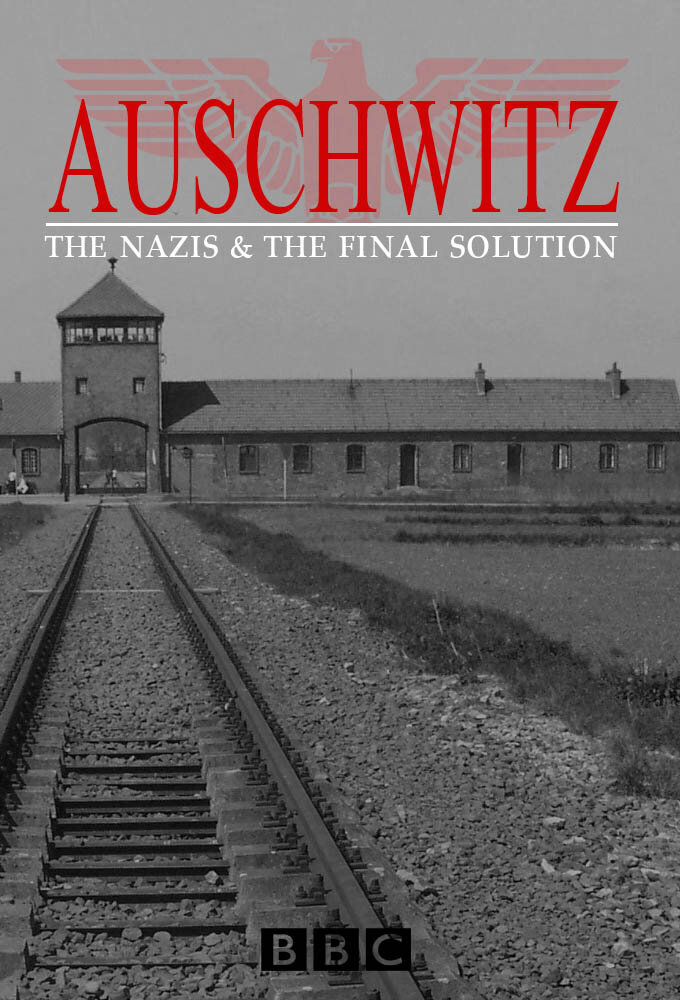
Auschwitz: The Nazis and the Final Solution2005
David Irving's controversial claims are systematically dismantled here using testimony, evidence, and logical argument. Rigorous and educational about how denialism works and why it fails.
But Engaging with denial—even to refute it—can feel distasteful. Some prefer documentation that never requires argument.
The Witness2015
Four hours with Elie Wiesel, who was liberated from Buchenwald and became the century's most important Holocaust witness. Personal, philosophical, and deeply moving without sentimentality.
But Very long and meditative. Demands patience with philosophical reflection rather than historical narrative.

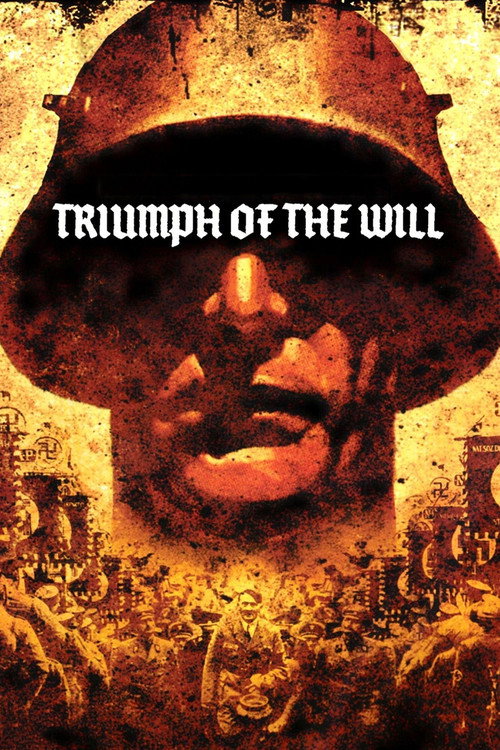
Triumph of the Will1935
Leni Riefenstahl's Nazi propaganda film is essential viewing precisely because it shows how the machinery of genocide was choreographed as spectacle. Understanding the aesthetics of totalitarianism is understanding how it spreads.
But Watching Nazi propaganda is morally queasy, even when critically contextualized. Its technical brilliance can feel obscene.
Come and See1985
A Soviet film about a boy conscripted into warfare during the Nazi occupation. Not about camps but about how fascism destroys the human spirit in real time. Horrifying and unforgettable.
But Extremely difficult to watch. Contains graphic violence and emotional devastation. Not a documentary—sometimes narrative fiction hits harder.

Sans Soleil1983
Both are built from archival material and act as documents of historical trauma, but where Memory of the Camps is direct testimony, Sans Soleil is meditation on how footage survives, what it means, and how memory distorts across time. One is witness; the other is interrogation of witnessing itself.
Chris Marker's experimental essay-film moves through memory, history, and politics across Japan, Guinea-Bissau, and Iceland. Fragmented, poetic, dense with archive footage. It's formally unlike anything you've seen.
But Deeply challenging. No plot. Meaning emerges from juxtaposition and voiceover. Requires multiple viewings and tolerance for ambiguity.

La Haine1995
Both films use their chosen medium to make injustice visible and undeniable, refusing the viewer the comfort of distance. Memory of the Camps archives atrocity; La Haine documents how its echoes persist in different form. They're about the same impulse: seeing what power wants hidden.
Mathieu Kassovitz's black-and-white film follows three young men in a Paris suburb in the aftermath of a police incident. Political, angry, funny, and urgent. It's about how state violence creates cycles of rage and despair.
But It's about systemic oppression, not genocide—feel like a diminishment of the term. Some find its aesthetic cool detached from its moral weight.

People
Cast
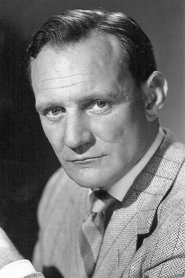 Trevor HowardNarrator
- Sidney BernsteinSelf (uncredited archive footage)
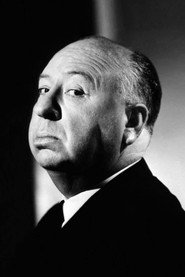 Alfred HitchcockSelf (uncredited archive footage)
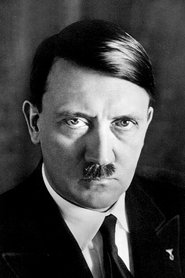 Adolf HitlerSelf (uncredited archive footage)
Directing
- Sidney BernsteinDirector
Writing
- Colin WillsWriter
Production
- Sidney BernsteinExecutive Producer
- Sergei NolbandovProducer
- Stephanie TepperProducer